Are you ready to feel better, have more energy, and take control of your well-being? Small changes in your daily habits can make a huge difference in your health and happiness.
You’ll discover simple and practical health and wellness tips that fit easily into your busy life. Keep reading to unlock powerful secrets that can boost your mood, improve your sleep, and strengthen your body—starting today. Your best self is just a few steps away.
Nutrition Essentials
Nutrition forms the foundation of good health and wellness. Choosing the right foods supports energy, immunity, and overall body function. Simple changes in eating habits can lead to big improvements in how you feel daily.
Understanding the basics of nutrition helps build a strong, healthy lifestyle. Focus on what your body needs for fuel and repair.
Balanced Diet
A balanced diet includes a variety of foods from all groups. It supplies essential nutrients like proteins, fats, carbohydrates, vitamins, and minerals. Eating different foods ensures your body gets what it needs to work well.
- Fruits and vegetables provide vitamins and fiber.
- Whole grains offer energy and fiber.
- Lean proteins help build and repair muscles.
- Healthy fats support brain and heart health.
Superfoods To Include
Superfoods are nutrient-rich and help protect the body. Adding them to meals can boost health and prevent diseases. These foods often contain antioxidants and important vitamins.
- Blueberries are rich in antioxidants and vitamin C.
- Spinach offers iron and vitamin K.
- Salmon provides omega-3 fatty acids for heart health.
- Chia seeds supply fiber and protein.
Hydration Importance
Water is vital for all body processes. Staying hydrated keeps energy levels steady and helps digestion. Drinking enough water also improves skin health and supports detoxification.
Adults should drink at least eight glasses of water daily. Increase water intake during exercise or hot weather to avoid dehydration.
Fitness Fundamentals
Fitness fundamentals build the base for a healthy lifestyle. Understanding the basics helps you stay active and feel better every day. It is about choosing the right activities, setting a plan, and keeping your energy up. Simple actions can bring big changes.
Exercise Types
Different exercises serve different purposes. Here are main types to include:
- Cardio:Boosts heart health and stamina. Examples include walking, running, and cycling.
- Strength training:Builds muscles and strengthens bones. Use weights or bodyweight moves like push-ups.
- Flexibility:Improves movement and reduces injury risk. Stretching and yoga work well.
- Balance:Helps prevent falls and improves coordination. Try standing on one leg or balance boards.
Creating A Routine
Plan workouts that fit your daily schedule. Start small, then increase time or intensity. Mix different exercises to keep it interesting. Set clear goals like walking 30 minutes or lifting light weights three times a week. Consistency matters more than intensity.
Staying Motivated
Find reasons you enjoy exercise. It could be feeling stronger or having more energy. Track progress with a journal or app. Celebrate small wins to keep spirits high. Exercise with friends or join classes for support. Change routines to avoid boredom and stay excited.
Mental Health Strategies
Mental health is a key part of overall wellness. It affects how people think, feel, and act every day. Using mental health strategies helps keep the mind clear and emotions balanced. These habits support coping with challenges and staying positive.
Mindfulness Practices
Mindfulness means paying close attention to the present moment. It helps reduce worries about past or future events. Simple activities like deep breathing and focused observation calm the mind. Practicing mindfulness regularly can improve mood and concentration. It also lowers anxiety and boosts emotional strength.
Stress Management
Stress can harm both the body and mind if not managed. Learning to handle stress improves health and productivity. Techniques include:
- Taking short breaks during work or study
- Doing light exercises or stretching
- Talking with friends or family about feelings
- Setting realistic goals and priorities
These steps help reduce tension and increase relaxation. A calm mind supports better decision-making and sleep quality.
Building Resilience
Resilience is the ability to recover from difficulties. It helps people face stress without feeling overwhelmed. To build resilience:
- Accept change as part of life
- Keep a positive attitude even in tough times
- Learn from past experiences
- Seek support when needed
Strong resilience leads to better mental strength and well-being. It helps maintain hope and focus despite challenges.
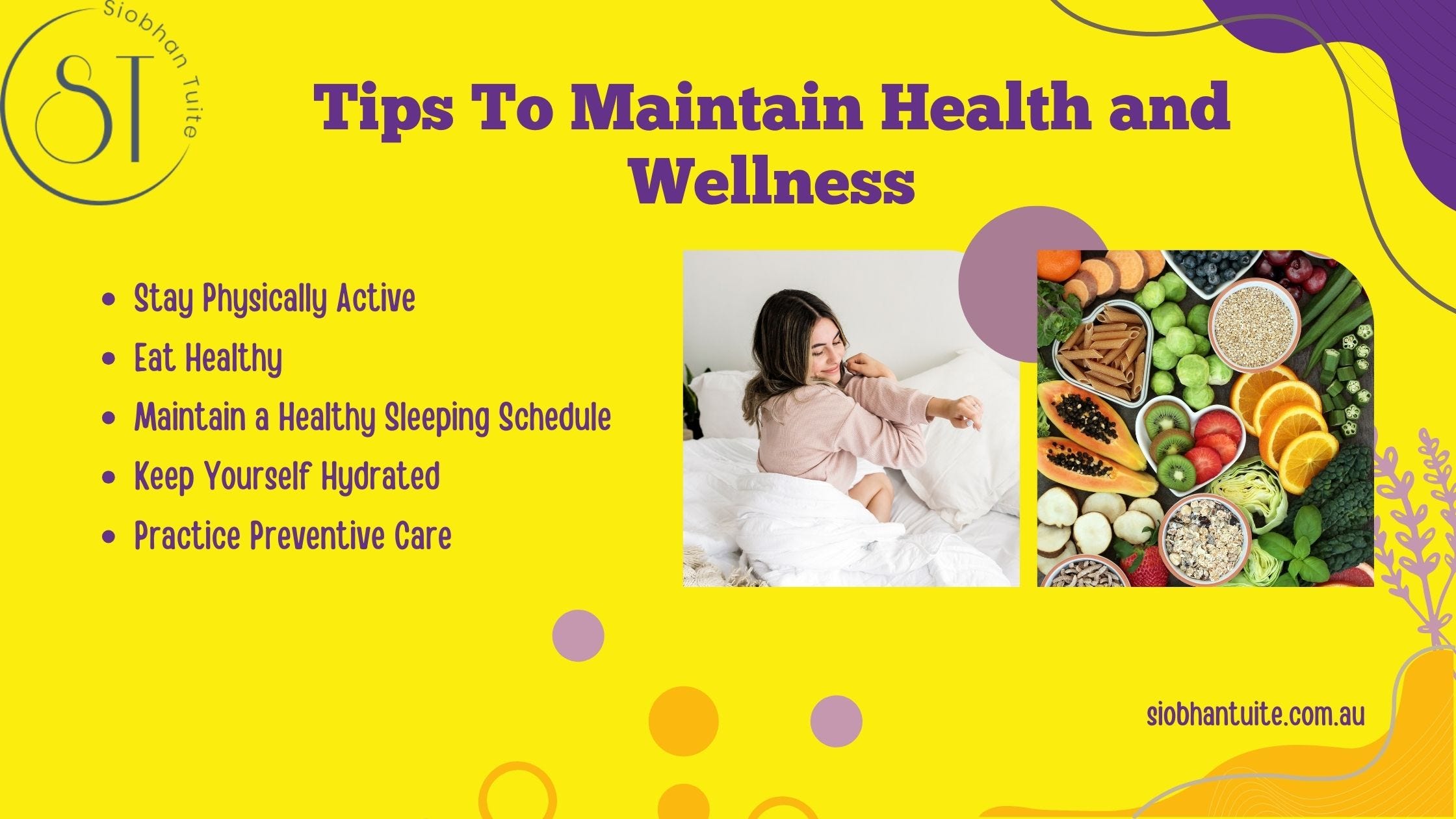
Credit: medium.com
Sleep Optimization
Sleep optimization is key for better health and energy. Good sleep improves mood, focus, and immunity. Many people do not get enough quality rest. Small changes can lead to better sleep and overall wellness.
Sleep Hygiene Tips
Creating a calm sleep environment helps. Keep your bedroom dark and quiet. Avoid screens at least one hour before bed. Set a regular bedtime and wake time. Limit caffeine and heavy meals in the evening. Use your bed only for sleep and rest.
Understanding Sleep Cycles
Sleep has stages: light, deep, and REM. Each cycle lasts about 90 minutes. Deep sleep restores the body. REM sleep supports memory and learning. Interrupting cycles causes tiredness. Aim to sleep in full cycles for best rest.
Improving Sleep Quality
- Exercise regularly but not close to bedtime.
- Practice relaxation techniques like deep breathing.
- Manage stress with journaling or meditation.
- Keep your room cool and comfortable.
- Avoid naps longer than 30 minutes during the day.
Social Connections
Social connections play a vital role in your overall health and wellness. They offer emotional support, reduce stress, and even boost your immune system. How often do you make time to nurture your relationships or engage with your community?
Building Relationships
Strong relationships require effort and attention. Start by reaching out regularly to friends and family, even with a simple message or call. Sharing your thoughts and listening to others builds trust and deepens bonds.
Try scheduling weekly catch-ups or joining group activities where you can meet new people who share your interests. Remember, quality matters more than quantity when it comes to meaningful connections.
Community Involvement
Getting involved in your community can improve your sense of belonging and purpose. Volunteer for local events or join clubs that focus on causes you care about. This not only expands your social circle but also enhances your mental well-being.
Have you ever noticed how helping others uplifts your mood? Activities like neighborhood clean-ups or charity runs create shared experiences that strengthen community ties.
Supporting Others
Offering support to friends or neighbors creates a positive cycle of care and trust. Simple acts such as listening without judgment or helping with small tasks can make a big difference. Your support can be a powerful source of encouragement.
Think about the last time someone helped you during a tough moment. How did that affect your relationship? Being there for others often leads to stronger, more resilient connections.
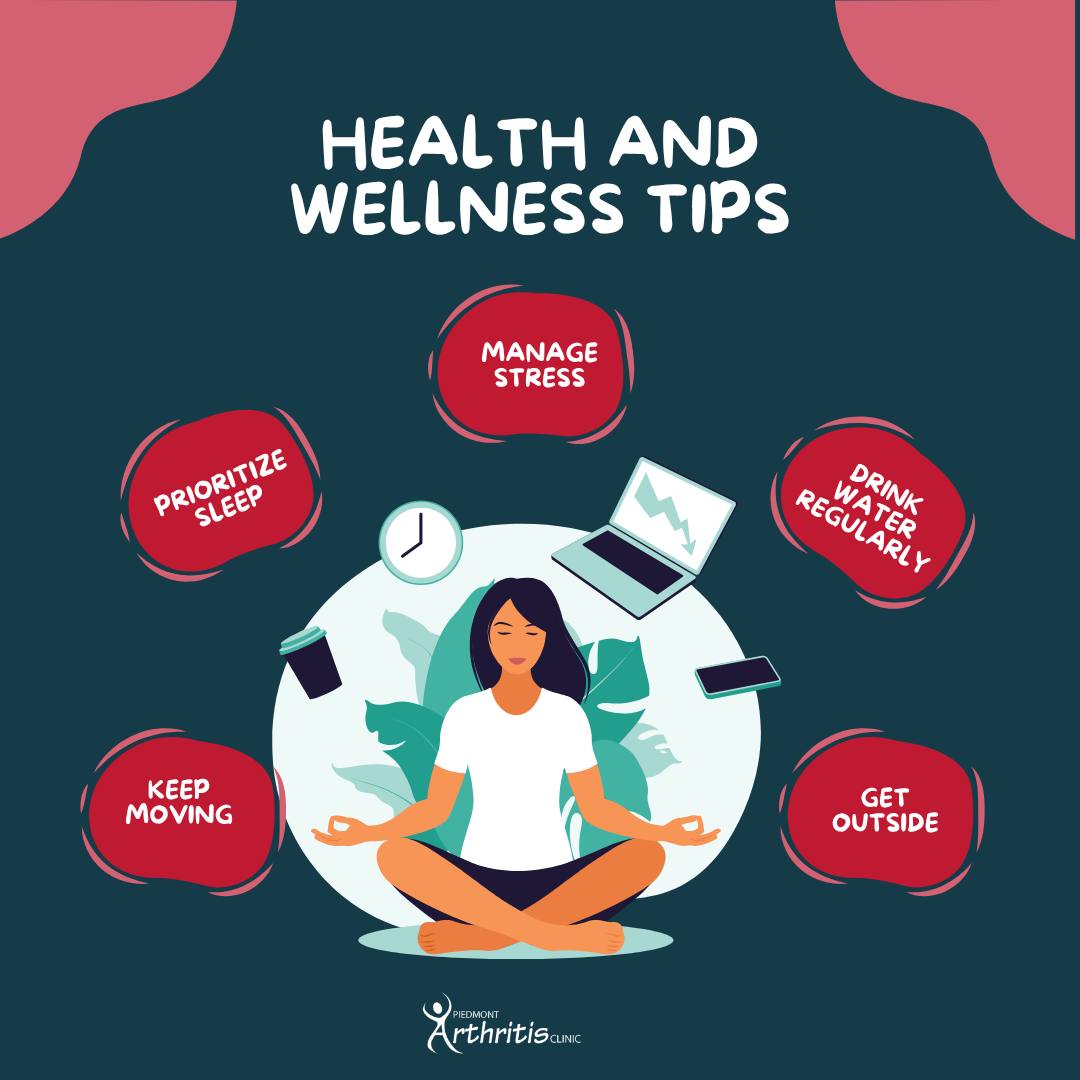
Credit: www.facebook.com
Self-care Techniques
Self-care techniques are simple habits that improve your health and mood. They help you feel relaxed and more energetic. Practicing self-care regularly builds a stronger mind and body. It also creates balance in everyday life. Try small changes to make a big difference.
Daily Rituals
Start with morning routines that calm your mind. Drink water right after waking up. Stretch your body to feel awake and fresh. Take deep breaths for a few minutes. Write down three things you are thankful for. These steps prepare you for a positive day.
At night, turn off screens early. Read a book or listen to soft music. This helps your brain slow down and rest well. Keep your sleep schedule the same every day. Good sleep supports mental and physical health.
Pampering Practices
Set time aside for small treats. Take a warm bath with soothing scents. Use gentle lotions to care for your skin. Give yourself a hand or foot massage. These actions relax your muscles and mind.
Enjoy healthy snacks that nourish your body. Sip herbal tea to calm nerves. Spend a few minutes outside in fresh air. These pampering moments recharge your energy and lift your spirit.
Balancing Work And Life
Separate work time and personal time clearly. Take short breaks during work to rest your eyes and stretch. Avoid checking emails after work hours. Plan fun activities with family or friends.
Learn to say no to too many tasks. Focus on what matters most to you. Balance reduces stress and improves overall happiness. Simple boundaries create space for self-care and joy.
Preventative Health
Preventative health focuses on actions that stop illnesses before they start. It helps keep the body strong and avoids serious diseases. Small daily steps can lead to big health benefits over time.
Regular Check-ups
Regular health check-ups catch problems early. Doctors can spot signs of illness before symptoms appear. Tests like blood pressure, cholesterol, and screenings are important. Visiting your doctor twice a year is a good habit. Early detection improves treatment success and lowers risks.
Vaccinations
Vaccinations protect against many dangerous diseases. They boost the immune system to fight infections. Staying up to date with shots helps protect you and others. Vaccines are safe and tested carefully. They reduce the chance of outbreaks in communities.
Healthy Habits
- Eat balanced meals with fruits and vegetables.
- Exercise regularly to strengthen the heart and muscles.
- Drink plenty of water every day.
- Get enough sleep to help the body heal.
- Avoid smoking and limit alcohol consumption.
- Manage stress through relaxation or hobbies.
These habits build a strong foundation for health. They reduce the risk of chronic diseases and improve life quality.
Mind-body Connection
The mind-body connection plays a powerful role in your overall health and wellness. Your thoughts, emotions, and mental state can directly affect your physical condition. Understanding this connection helps you manage stress, improve mood, and boost your energy levels.
Meditation Benefits
Meditation calms your mind and reduces stress by focusing your attention. Just a few minutes a day can lower anxiety and improve concentration. I noticed that meditating before bed helped me sleep deeper and wake up refreshed.
You can start with simple practices like guided meditation or silent sitting. The key is consistency—small daily sessions bring the best results.
Yoga Practices
Yoga blends physical movement with mindful breathing, strengthening both body and mind. It improves flexibility, posture, and balance while easing mental tension. After trying yoga, many people find their mood lifts and pain decreases.
Try beginner-friendly poses like Child’s Pose or Cat-Cow to ease into the practice. Focus on how your body feels rather than perfecting each position.
Breathing Exercises
Breathing exercises help regulate your nervous system and lower stress hormones. Techniques like deep belly breathing or alternate nostril breathing can be done anywhere, anytime. I often use deep breathing before meetings to stay calm and focused.
Practice by inhaling slowly through your nose, holding briefly, then exhaling gently. Notice how controlling your breath changes your energy and mindset.
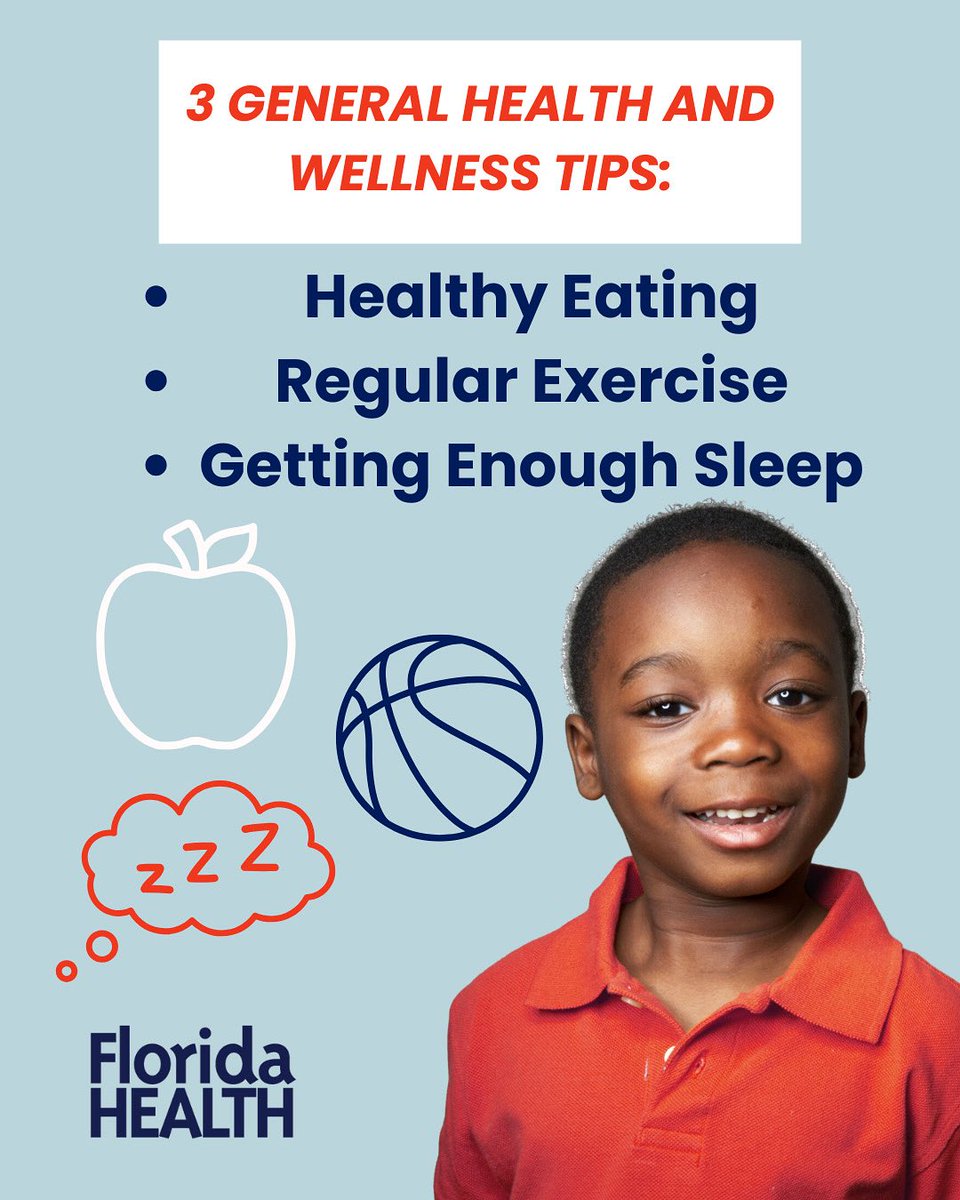
Credit: x.com
Frequently Asked Questions
What Are The Best Daily Health And Wellness Tips?
Daily tips include balanced nutrition, regular exercise, and sufficient sleep. Hydrate well and manage stress effectively. These habits boost energy, immunity, and mental clarity.
How Can I Improve My Mental Wellness Daily?
Practice mindfulness, meditate, and maintain social connections. Limit screen time and engage in hobbies. These steps reduce anxiety and improve mood.
Which Foods Support Overall Health And Wellness?
Eat fruits, vegetables, whole grains, lean proteins, and healthy fats. Avoid processed foods and excess sugar. Proper nutrition enhances body function and prevents diseases.
How Much Exercise Is Recommended For Wellness?
Aim for at least 150 minutes of moderate exercise weekly. Include strength training twice a week. Regular activity improves heart health and strengthens muscles.
Conclusion
Taking care of your health is a daily choice. Small changes bring big results. Eat well, move often, and rest enough. Drink water and avoid too much sugar. Stay positive and manage stress with calm moments. Healthy habits build strong bodies and happy minds.
Start today, and feel the difference soon. Your wellness journey matters. Keep it simple, stay consistent, and enjoy each step.