Mental health is just as important as physical health, yet many men struggle to take care of theirs. You might think stress, anxiety, or feeling down are just part of life—and maybe they are—but there are simple ways you can protect your mind and boost your well-being every day.
What if you could learn easy tips that fit into your routine and help you feel stronger, calmer, and more in control? Keep reading to discover practical mental health tips designed specifically for men like you. Your mind deserves the same attention you give your body.
Credit: www.facebook.com
Recognizing Mental Health Challenges
Recognizing mental health challenges is the first step toward taking control of your well-being. Many men face these struggles silently, unsure if what they’re feeling is normal or something that needs attention. Understanding the signs and the pressures behind them can help you identify when it’s time to seek support.
Common Stressors And Pressures
Men often carry unique burdens that can weigh heavily on their mental health. Work demands, financial responsibilities, and societal expectations to be strong can create constant stress.
You might feel the pressure to provide, perform, and not show vulnerability. These stresses can build up quietly, leading to anxiety, irritability, or even physical symptoms like headaches or trouble sleeping.
Ask yourself: Are you ignoring signs of stress because you think you must handle everything alone? Recognizing these pressures is crucial to finding healthier ways to cope.
Breaking The Stigma
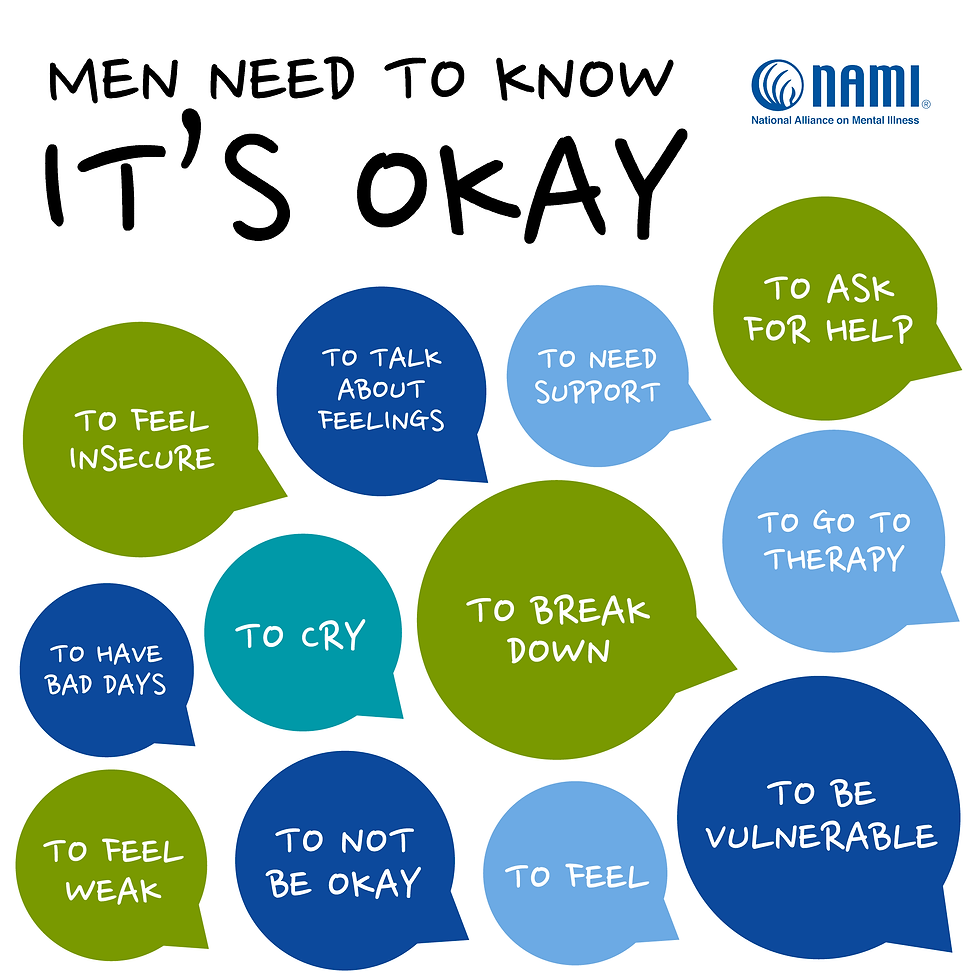
Many men avoid talking about their mental health because of fear or shame. This silence can make problems worse and stop you from getting the help you deserve.
Opening up doesn’t mean weakness; it shows strength and self-awareness. Sharing your feelings with a trusted friend, family member, or professional can lighten your burden.
Consider this: What would happen if you saw asking for help as a smart and brave decision? Challenging the stigma starts with you and can inspire others to do the same.

Credit: www.instagram.com
Building Emotional Resilience
Building emotional resilience helps men manage stress and bounce back from challenges. It strengthens mental health and improves overall well-being. Emotional resilience allows clearer thinking during tough times and supports better decision-making. Developing this skill takes time and practice but offers lasting benefits.
Practicing Self-compassion
Self-compassion means treating yourself with kindness during hard moments. Avoid harsh self-criticism and accept your feelings without judgment. Talk to yourself as you would to a close friend. This practice reduces stress and improves emotional balance. It helps men stay calm and confident even after mistakes.
Developing Coping Mechanisms
Effective coping mechanisms help handle pressure and emotional pain. Healthy habits include:
- Deep breathing or meditation
- Regular physical exercise
- Talking with trusted friends or family
- Setting small, achievable goals
- Engaging in hobbies or creative activities
These actions reduce anxiety and build strength to face difficulties. Over time, they create a foundation for lasting emotional resilience.
Effective Communication
Effective communication plays a crucial role in maintaining mental health, especially for men who often face social pressures to stay silent about their emotions. Opening up and sharing your thoughts can lighten your mental load and build stronger connections. It’s not just about talking—it’s about expressing yourself clearly and listening deeply.
Expressing Feelings Openly
It’s common to hesitate when sharing your feelings. You might worry about being judged or seen as weak. But holding everything inside can increase stress and loneliness.
Try starting small. Tell a close friend or family member about a simple feeling like frustration or excitement. Notice how this honesty affects your mood and relationships.
Ask yourself: What stops me from being open? Is it fear, pride, or something else? Understanding your barriers can help you break them down.
Listening Skills
Good communication isn’t just about speaking up—it’s also about listening well. Active listening means fully focusing on the other person without planning your response while they’re talking.
Practice by summarizing what you hear before replying. This shows respect and helps avoid misunderstandings.
Have you ever noticed how much clearer a conversation feels when both people listen carefully? Try it next time and see how it changes your connection.

Credit: medium.com
Lifestyle Adjustments
Adjusting your lifestyle can have a powerful impact on your mental health. Small changes in daily habits can boost your mood, reduce stress, and improve your overall well-being. These adjustments aren’t about perfection—they’re about making choices that support your mind as much as your body.
Balanced Diet And Nutrition
Your brain needs the right fuel to function well. Eating a variety of foods rich in vitamins and minerals can help stabilize your mood and energy levels. Have you noticed how your mood dips after a heavy, greasy meal? That’s a sign your brain isn’t getting what it needs.
Try adding more fruits, vegetables, whole grains, and lean proteins to your meals. Foods high in omega-3 fatty acids, like salmon and walnuts, support brain health and may reduce symptoms of depression. Don’t forget to drink plenty of water—dehydration can make you feel tired and irritable.
- Include leafy greens and berries for antioxidants.
- Limit processed foods and excessive sugar.
- Consider a daily multivitamin if your diet is limited.
Regular Physical Activity
Exercise isn’t just for your body—it’s a powerful mood booster. Moving your body releases endorphins, which help reduce feelings of anxiety and depression. Even short walks or light stretching can make a difference on tough days.
Think about how you feel after a workout. Do you notice a clearer mind or a sense of accomplishment? That’s your brain responding positively to movement.
Find an activity you enjoy, whether it’s cycling, swimming, or playing a sport. Consistency matters more than intensity. Aim for at least 30 minutes most days, but any movement helps.
- Try morning exercise to set a positive tone for the day.
- Use physical activity as a break from work or stressful situations.
- Invite a friend to join you to boost motivation and connection.
Mindfulness And Meditation
Mindfulness and meditation offer powerful tools for managing stress and improving mental health, especially for men who often face unique pressures. These practices help you become more aware of your thoughts and feelings without judgment. Over time, this awareness can lead to better emotional control and a calmer mind.
Benefits Of Mindfulness
Mindfulness can reduce anxiety and improve your focus throughout the day. It helps you notice negative thought patterns and gives you the chance to change them before they spiral out of control.
Many men report better sleep quality and increased patience after practicing mindfulness regularly. You might find that small moments of calm during a busy day make a big difference in how you handle challenges.
Have you ever caught yourself reacting angrily without thinking? Mindfulness trains you to pause and respond thoughtfully instead.
Simple Meditation Techniques
You don’t need special equipment or a lot of time to start meditating. Even five minutes a day can help clear your mind and reduce stress.
- Breathing Focus:Sit comfortably, close your eyes, and pay attention to your breath. Notice each inhale and exhale without trying to change it.
- Body Scan:Slowly bring your attention to different parts of your body, starting from your toes up to your head. Notice any tension and try to relax those areas.
- Guided Meditation:Use free apps or videos to listen to a calming voice that leads you through a meditation session. This can be helpful if you’re new to the practice.
Try to set aside a quiet space where you won’t be disturbed. Consistency is key—make meditation part of your daily routine and watch how it changes your mental clarity.
Seeking Professional Help
Seeking professional help can be a game-changer for your mental health. It’s a step many men hesitate to take, but it opens doors to understanding and managing your emotions better. You don’t have to face struggles alone when experts are ready to guide you.
Understanding Therapy Options
Therapy comes in different forms, and knowing your options helps you choose what fits your needs. You can try individual therapy, where you work one-on-one with a therapist to focus on your personal challenges.
Group therapy is another option, offering a space to share and hear from others dealing with similar issues. Some men find online therapy convenient, fitting sessions into their busy schedules without the need to travel.
Have you thought about which type of therapy feels less intimidating for you? Trying a few styles can reveal what makes you most comfortable and supported.
Finding The Right Therapist
Choosing a therapist is like picking a partner in your mental health journey. Look for someone who listens without judgment and respects your experiences. Credentials matter, but connection matters more—does this person make you feel safe and understood?
Don’t hesitate to ask questions during your first meeting. How do they handle confidentiality? What’s their experience with men’s mental health? Feeling confident in your therapist can improve your progress.
Remember, you can change therapists if the first one doesn’t feel right. Your comfort and trust are key to making therapy effective.
Building A Support Network
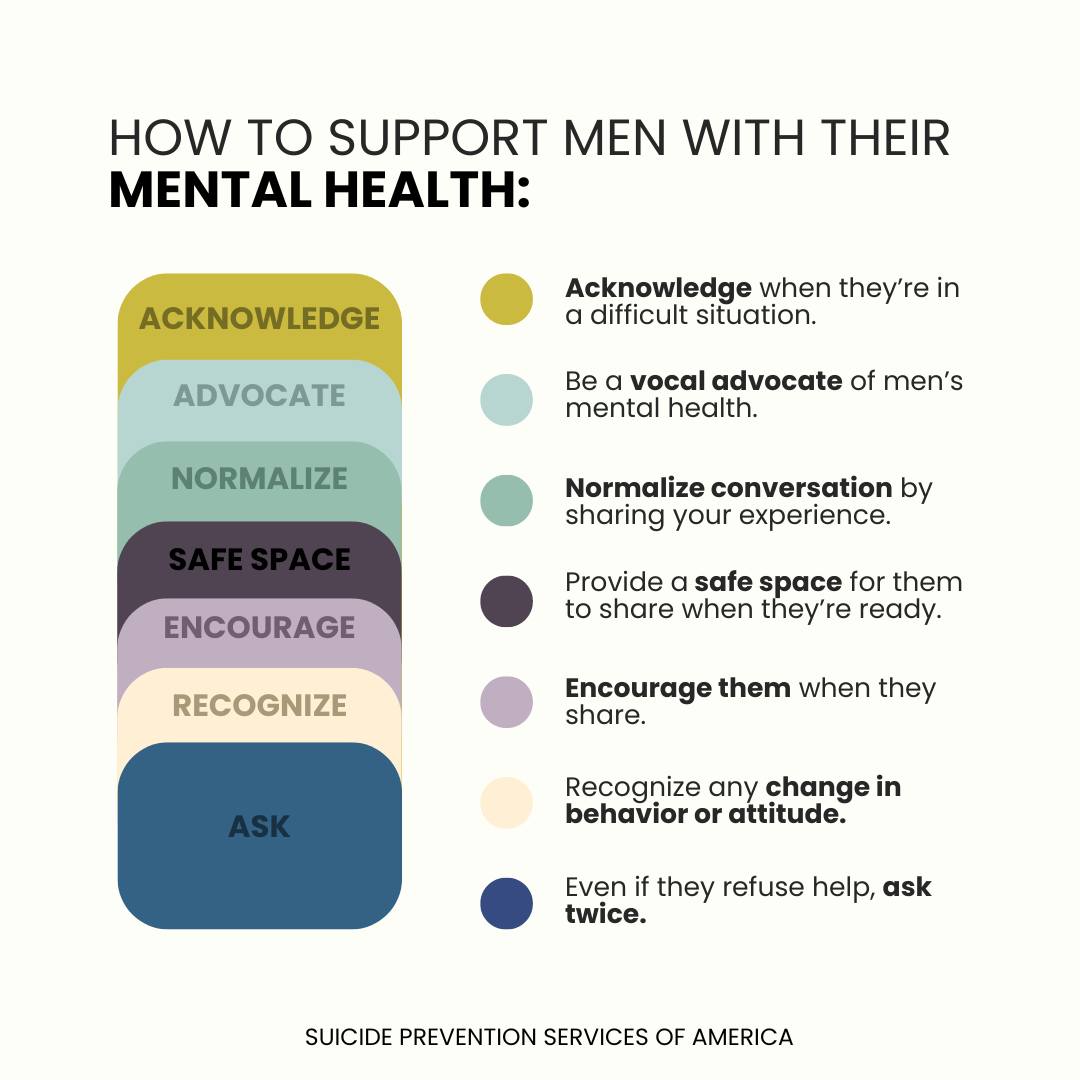
Building a support network is essential for maintaining good mental health. Having people around you who understand and support your struggles can make a big difference in how you cope. It’s not just about having someone to talk to; it’s about feeling connected and valued.
Connecting With Friends And Family
Reaching out to friends and family might feel simple, but it takes effort and courage. Share your feelings honestly with those close to you. You might be surprised how much relief comes from just being heard.
If you find it hard to open up, start with small conversations. Ask about their day or share a little about yours. Building trust over time makes deeper talks easier and more natural.
Think about who in your life makes you feel safe and supported. Are there people you’ve lost touch with that you could reconnect with? Sometimes, reigniting old friendships brings unexpected comfort.
Joining Support Groups
Support groups offer a space where you can meet others facing similar challenges. You don’t have to face mental health struggles alone. Hearing others’ stories can help you feel less isolated.
Look for groups that focus on men’s mental health or topics that resonate with your experience. Many communities and online platforms offer free or low-cost options. This can be a low-pressure way to build connections.
Participation in a support group can boost your confidence in sharing and accepting help. Would you consider trying a group that meets locally or online? Taking that step could open up new paths to healing.
Prioritizing Sleep
Sleep plays a key role in mental health for men. Lack of good sleep can increase stress and cause mood swings. Prioritizing sleep helps the mind rest and recover. It supports clear thinking and emotional balance. Making sleep a priority improves overall well-being and daily energy.
Sleep Hygiene Practices
- Keep a regular bedtime and wake-up time every day.
- Create a quiet, dark, and cool bedroom environment.
- Avoid screens and bright lights at least one hour before bed.
- Limit caffeine and heavy meals in the evening.
- Use the bed only for sleep to build strong sleep habits.
- Practice relaxing activities before sleep, like reading or deep breathing.
Impact Of Sleep On Mental Health
Poor sleep raises the risk of depression and anxiety. It affects memory and decision-making skills. Good sleep helps the brain process emotions and reduces stress. Men who sleep well often feel more focused and calm. Sleep supports hormone balance that controls mood and energy. Restful nights improve resilience against daily challenges and boost mental strength.
Developing A Positive Mindset
Developing a positive mindset is key to better mental health for men. It helps face challenges with strength. A positive mindset builds resilience and reduces stress. Small daily habits can change your thinking. These habits improve mood and boost confidence.
Gratitude Practices
Gratitude shifts focus from problems to good things. It trains the brain to see the positive side. Start by writing down three things you appreciate each day. These can be small, like a warm meal or a kind word. This habit improves mood and lowers anxiety. Sharing gratitude with others also builds stronger bonds.
Positive Affirmations
Positive affirmations are short, kind statements about yourself. Saying them daily helps fight negative self-talk. Examples include “I am strong” or “I can handle this.” Repeat affirmations in front of a mirror or quietly in your mind. This practice boosts self-esteem and promotes calmness. Over time, affirmations create a hopeful and confident mindset.
Frequently Asked Questions
What Are Simple Mental Health Tips For Men?
Men should prioritize regular exercise, proper sleep, and balanced nutrition. Talking openly about feelings reduces stress. Seeking professional help when needed supports mental well-being. Avoiding alcohol and substance misuse also benefits mental health.
How Can Men Manage Stress Effectively?
Men can manage stress by practicing mindfulness and deep breathing exercises. Setting realistic goals and taking breaks helps. Regular physical activity releases tension. Building a support network encourages emotional sharing and reduces stress.
Why Is Mental Health Important For Men?
Good mental health improves decision-making, relationships, and overall quality of life. It helps men handle challenges and reduces risks of depression and anxiety. Prioritizing mental wellness promotes resilience and long-term happiness.
When Should Men Seek Professional Mental Health Help?
Men should seek help if they experience persistent sadness, anxiety, or mood swings. Difficulty sleeping, withdrawal, or substance abuse are signs. Early intervention leads to better outcomes and improved mental health.
Conclusion
Taking care of mental health is important for every man. Small steps can lead to big changes. Talk openly with friends or family. Exercise and rest help your mind stay strong. Don’t be afraid to ask for help when needed.
Remember, mental health is just as real as physical health. Stay patient and kind to yourself. Your well-being matters every day. Keep these simple tips in mind and take one step at a time. You deserve to feel good inside and out.