Have you ever wondered what your next steak might be made of? Lab grown meat is no longer science fiction—it’s becoming a real option on your plate.
The FDA is now stepping in to regulate this new way of producing meat, ensuring it’s safe and healthy for you to eat. But what does this mean for you, your health, and the future of food? Keep reading to discover how FDA lab grown meat could change everything about the way you think about what’s on your fork.
Credit: wellnesspulse.com
What Is Lab Grown Meat?
Lab grown meat is gaining attention as a new way to produce animal protein without raising and slaughtering animals. You might wonder what exactly lab grown meat is and how it differs from the meat you buy at the store. Understanding this can help you make informed choices about what you eat and how it impacts the environment and health.
Definition And Process
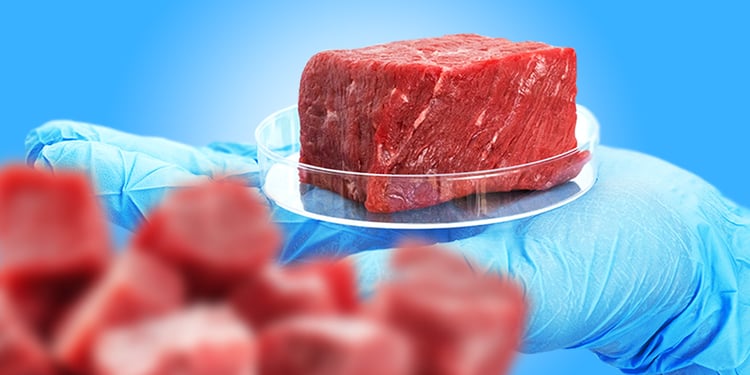
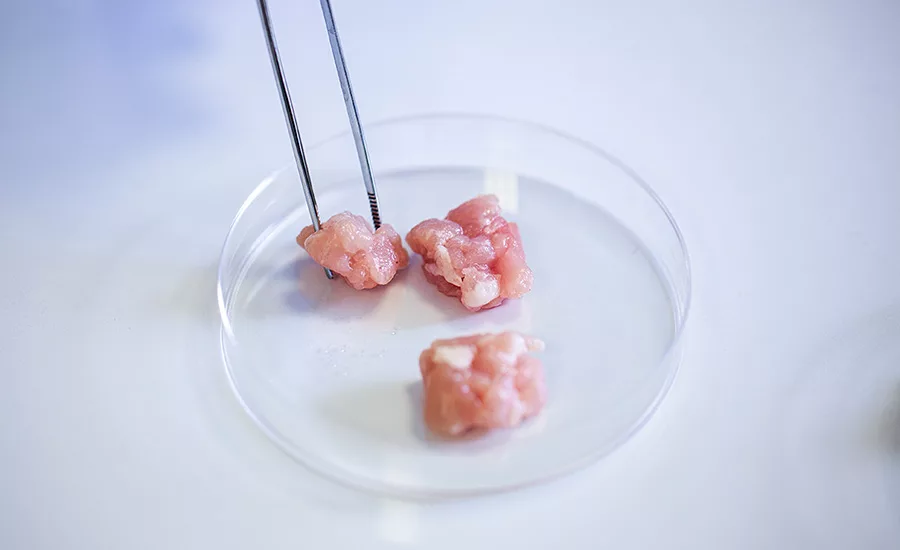
Lab grown meat, also called cultured or cell-based meat, is real meat produced by cultivating animal cells in a controlled environment. Instead of raising animals, scientists take a small sample of muscle cells and feed them nutrients to multiply and grow into muscle tissue.
This process happens in a bioreactor, where conditions like temperature, oxygen, and pH are carefully managed. The goal is to create meat that looks, tastes, and cooks like traditional meat but without the need for raising livestock.
Key Differences From Traditional Meat
- Source:Traditional meat comes from whole animals, while lab grown meat starts from a few cells.
- Production Time:Lab grown meat can be produced faster because it skips the animal’s growth stages.
- Environmental Impact:Growing meat in a lab uses less land and water and produces fewer greenhouse gases.
- Animal Welfare:It eliminates the need to raise and slaughter animals, addressing ethical concerns.
- Control Over Ingredients:You can potentially customize lab grown meat to be healthier, like reducing fat content.
Have you ever thought about how much resources go into producing a single pound of meat? Lab grown meat challenges the traditional system by offering a more sustainable way to feed the growing population. What would it mean for you if the meat on your plate was made without harming animals or the planet?

Credit: www.msn.com
Role Of Fda In Lab Grown Meat
The FDA plays a key role in the development and regulation of lab grown meat. It ensures that the products are safe for people to eat. The agency works closely with companies to oversee the process from start to finish. This helps build trust in lab grown meat as a new food source.
Regulatory Framework
The FDA sets the rules for lab grown meat production. These rules cover how the meat is made and tested. The agency reviews all steps to make sure they meet safety laws. It also monitors labeling to ensure clear information for consumers. This framework helps guide companies in producing safe and reliable products.
Safety Standards And Approvals
The FDA requires strict safety checks on lab grown meat. Companies must show that their products are free from harmful substances. The agency inspects the facilities and methods used in production. Only after thorough review does the FDA approve the meat for sale. These standards protect public health and support innovation in food technology.
Advantages Of Lab Grown Meat
Lab grown meat offers many advantages over traditional meat. It uses science to create real meat without raising animals. This process brings benefits for the environment, health, and animal welfare. It also opens new doors for food production.
Environmental Benefits
Lab grown meat uses less land than farming animals. It also needs less water and energy. This means fewer greenhouse gases are released. The air and water stay cleaner. It helps fight climate change and saves natural resources.
Health And Nutrition
Lab grown meat can be made with fewer harmful fats. It does not need antibiotics or hormones. This lowers health risks from eating meat. Scientists can add vitamins and nutrients to make it healthier. It gives a safer choice for meat lovers.
Animal Welfare
No animals are harmed in lab grown meat production. This ends the need for factory farming. Animals live free from pain and stress. It respects life and reduces cruelty. People can enjoy meat without guilt.
Credit: www.food-safety.com
Challenges Facing Lab Grown Meat
Lab grown meat promises a new era in food production, but it’s not without its hurdles. These challenges affect how quickly and widely this innovation can reach your plate. Understanding them can help you make informed choices about the future of food.
Production Costs
The price of producing lab grown meat remains high compared to traditional meat. Cultivating cells in sterile environments and supplying them with nutrients demands expensive equipment and materials.
Even though costs have dropped since the first lab-grown burger, they still exceed what most consumers are willing to pay. Could scaling up production bring prices down enough for everyday purchases?
Consumer Acceptance
Many people feel uneasy about eating meat grown in a lab instead of raised on a farm. This skepticism often stems from unfamiliarity and concerns about safety or taste.
Marketing and education play big roles in changing minds. Would you try lab grown meat if you knew it was tested thoroughly and tasted just like the real thing?
Technological Hurdles
The technology to produce lab grown meat is still developing. Scientists face challenges like replicating the texture and flavor of traditional meat and growing cells efficiently at large scales.
Each breakthrough requires time and investment, making progress steady but slow. What if solving these technical problems could make lab grown meat indistinguishable from farm-raised options?
Market Potential And Growth
The market potential for FDA-approved lab grown meat is vast and promising. This new food source offers a sustainable alternative to traditional meat. It addresses concerns about animal welfare, environmental impact, and food security. Interest in lab grown meat is growing among consumers, investors, and food companies.
Understanding the current market landscape and future growth projections helps grasp how this industry might evolve. The sector is still young but shows strong signs of expansion and innovation.
Current Market Landscape
Lab grown meat is entering the market slowly but steadily. A few products have gained FDA approval, allowing them to be sold legally. Companies focus on producing clean, safe, and tasty meat alternatives. The cost of production remains high but is dropping quickly as technology improves.
- Several startups lead the innovation in cultured meat.
- Partnerships with traditional food brands are increasing.
- Consumers show curiosity and positive attitudes toward lab grown meat.
- Regulations and safety standards are being established worldwide.
This landscape creates a solid foundation for future growth and market acceptance.
Future Projections
Experts expect lab grown meat to capture a significant market share within the next decade. Production costs could fall below traditional meat prices as scale and technology improve. Demand will likely rise due to environmental concerns and changing eating habits.
| Year | Estimated Market Value (Billion USD) | Key Growth Drivers |
|---|---|---|
| 2025 | 0.5 | FDA approvals, consumer trials, investment influx |
| 2030 | 5.0 | Cost reduction, wider product range, global regulations |
| 2040 | 25.0 | Mass adoption, sustainability demand, supply chain integration |
Lab grown meat may help reduce greenhouse gases and land use. It could also offer consistent quality and supply to meet global needs. The market is poised for steady, long-term expansion.
Impact On Traditional Meat Industry
The rise of FDA-approved lab grown meat is creating waves in the traditional meat industry. This new technology offers meat without raising animals. It challenges the old methods of farming and production. The impact touches many parts of the industry, from jobs to farming styles.
Economic Implications
Lab grown meat could change how money flows in the meat market. Costs for raising animals might drop as fewer animals are needed. Factories for lab meat might create new types of jobs. Some farms may lose business due to less demand for traditional meat. Prices for meat could become more stable without weather or disease affecting supply. Consumers might see different price points for lab grown versus farmed meat. Investment in technology will rise as companies compete to improve lab meat.
Shifts In Agricultural Practices
Farmers may need to change how they work. Less land might be used for grazing animals. Crop growing could shift from animal feed to other uses. Water use in farming could decrease with less livestock. Some farmers might start growing cells or ingredients for lab meat. New skills and tools will be necessary for this change. The traditional image of farming could evolve with science playing a bigger role.
Ethical Considerations
Ethical considerations around FDA-approved lab-grown meat challenge the way we think about food, animals, and technology. This innovation raises questions that go beyond science and into the heart of our values. Understanding these concerns helps you make informed decisions about what you eat and how it affects the world.
Moral Impacts
Lab-grown meat reduces the need to raise and slaughter billions of animals. For many, this means less animal suffering, which is a clear moral benefit. However, some argue that creating meat in labs might detach us from nature and our responsibility toward living creatures.
You might wonder if lab-grown meat could still involve ethical issues, like the source of the cells or the energy used in production. It challenges us to rethink how we balance innovation with respect for life. How far are you willing to go for a solution that spares animals but relies heavily on technology?
Cultural Perspectives
Food connects deeply with culture, identity, and tradition. Lab-grown meat can feel unfamiliar or even unacceptable in some cultures that emphasize natural or traditional farming. This can create resistance, even if the product is safe and sustainable.
On the other hand, it offers opportunities to bridge cultural divides by providing meat alternatives that align with different dietary rules or environmental concerns. How might your cultural background influence your view on eating meat that never lived on a farm? Could lab-grown meat become a new cultural norm or remain an outsider?
Global Perspectives
The rise of lab grown meat has caught attention worldwide. Different countries react in unique ways to this new food source. Understanding these global views helps grasp the full picture of lab grown meat’s future.
International Regulations
Each country sets its own rules for lab grown meat. Some nations have clear guidelines for safety and labeling. Others are still working on laws to cover this new product.
Regulatory bodies focus on:
- Food safety standards
- Production transparency
- Consumer protection
For example, Singapore was the first to approve lab grown meat sales. The United States’ FDA works closely with producers to ensure safety. Europe debates strict regulations, balancing innovation and caution.
Global Market Trends
Lab grown meat markets grow steadily worldwide. Consumer interest rises due to health and environmental concerns. Investors fund startups creating new products and technologies.
Key market trends include:
- Increasing product variety like chicken, beef, and seafood
- Partnerships between traditional meat companies and startups
- Focus on reducing production costs to reach more buyers
Asia and North America lead in research and market development. Europe shows cautious progress but high consumer demand. Lab grown meat has potential to reshape global food markets.
Frequently Asked Questions
What Is Fda Approval For Lab Grown Meat?
FDA approval means the lab grown meat meets safety standards. It ensures the product is safe for human consumption. This approval is crucial for market entry and consumer trust in lab grown meat products.
How Does Fda Regulate Lab Grown Meat?
FDA regulates lab grown meat by overseeing production processes. It ensures cleanliness, safety, and labeling accuracy. This helps maintain public health and transparency in the cultivated meat industry.
Is Lab Grown Meat Safe To Eat?
Yes, lab grown meat is safe after FDA evaluation. It undergoes strict safety tests before reaching consumers. This ensures it meets all health and quality standards.
When Will Lab Grown Meat Be Available To Consumers?
Lab grown meat availability depends on regulatory approvals and production scale. Some products are expected to reach markets within a few years. FDA approval accelerates this process by confirming safety.
Conclusion
The FDA’s role in lab-grown meat ensures safety and quality. This new meat offers a cleaner option than traditional farming. It may help reduce environmental damage and meet food demand. People can expect more choices in the near future. Understanding FDA lab-grown meat helps us see its potential benefits.
The topic invites more discussion and learning ahead.