Have you ever wondered if goat’s milk could be a better choice for your health? You might be surprised to learn how this natural alternative can benefit your body in ways you never expected.
Whether you’re looking to improve digestion, boost your nutrient intake, or find a gentle option for sensitive skin, goat’s milk has something special to offer you. Keep reading to discover why goat’s milk could be the simple change that makes a big difference in your daily life.
Nutritional Profile Of Goat’s Milk
Goat’s milk offers a unique nutritional profile that makes it a healthy choice for many people. It contains essential vitamins, minerals, and nutrients needed for daily health. The composition differs slightly from cow’s milk, often making it easier to digest.
Understanding the nutrients in goat’s milk helps explain its benefits. It supports bone health, boosts immunity, and provides energy. The natural fats and proteins in goat’s milk also play a key role in nutrition.
Macronutrients In Goat’s Milk
- Protein: High quality with easy digestion
- Fat: Contains medium-chain fatty acids that provide quick energy
- Carbohydrates: Mainly lactose, but often better tolerated than cow’s milk
- Calories: Moderate, suitable for balanced diets
Vitamins Found In Goat’s Milk
- Vitamin A: Supports vision and skin health
- Vitamin B2 (Riboflavin): Important for energy production
- Vitamin B12: Essential for nerve function and blood formation
- Vitamin D: Helps with calcium absorption and bone strength
Minerals Present In Goat’s Milk
- Calcium: Vital for strong bones and teeth
- Phosphorus: Works with calcium to build bones
- Potassium: Maintains healthy blood pressure
- Magnesium: Supports muscle and nerve function
Other Beneficial Components
- Medium-chain triglycerides: Easy to digest fats
- Prebiotics: Promote good gut bacteria
- Lower allergenic proteins compared to cow’s milk
Digestibility And Lactose Tolerance
Goat’s milk is often praised for its easy digestibility and better tolerance by many people. The milk’s composition differs from cow’s milk, which affects how the body processes it. Understanding these differences helps explain why goat’s milk can be a good choice for some individuals.
Protein Structure And Digestibility
Goat’s milk contains smaller fat globules than cow’s milk. This makes it easier to break down in the stomach. The protein in goat’s milk forms a softer curd during digestion. A softer curd means the stomach works less to digest the milk. People with sensitive stomachs may find goat’s milk gentler to digest.
Lactose Content And Tolerance
Goat’s milk has slightly less lactose than cow’s milk. Lactose is the sugar that causes problems for lactose-intolerant people. The lower lactose level can reduce discomfort like gas and bloating. Many lactose-sensitive individuals tolerate goat’s milk better. It still contains lactose, so people with severe intolerance should be cautious.
Enzyme Activity In Goat’s Milk
Goat’s milk contains natural enzymes that aid digestion. These enzymes help break down fats and proteins quickly. The presence of these enzymes supports easier absorption of nutrients. This can help reduce digestive discomfort for some people.
Rich Source Of Essential Nutrients
Goat’s milk offers many important nutrients for human health. It contains a natural balance of vitamins, minerals, proteins, and fats. These nutrients support the body’s growth and daily functions. People often choose goat’s milk for its easy digestibility and nutrient richness.
Vitamins And Minerals
Goat’s milk is rich in essential vitamins and minerals. It provides vitamin A, which supports good vision and skin health. The milk also contains vitamin B2 (riboflavin), important for energy production.
Calcium in goat’s milk strengthens bones and teeth. It also has potassium, which helps maintain healthy blood pressure. Magnesium and phosphorus are present, aiding muscle function and bone formation.
- Vitamin A
- Vitamin B2 (Riboflavin)
- Calcium
- Potassium
- Magnesium
- Phosphorus
Proteins And Fats
Goat’s milk contains high-quality proteins. These proteins help build and repair body tissues. The protein structure is easier to digest than cow’s milk proteins.
The fat in goat’s milk is made of small particles. This makes it simpler for the body to absorb. It also has healthy fatty acids that support heart health and brain function.
- Easy-to-digest proteins
- Small fat globules
- Healthy fatty acids
Credit: www.amazon.ca
Immune System Support
Goat’s milk offers many benefits for the immune system. It contains nutrients that help the body fight infections. Drinking goat’s milk can support overall immune health naturally.
Rich Source Of Antibodies
Goat’s milk has antibodies that protect against harmful germs. These antibodies help the body recognize and destroy invaders. This strengthens the immune defense system.
High In Vitamins And Minerals
It contains important vitamins like A, B2, and C. These vitamins boost the immune cells’ performance. Minerals such as zinc and selenium also support immune function.
Easy To Digest Proteins
Goat’s milk proteins are easier to digest than cow’s milk. This helps the body absorb nutrients faster. Better nutrient absorption means a stronger immune response.
Anti-inflammatory Properties
Goat’s milk contains fatty acids that reduce inflammation. Less inflammation helps the immune system work properly. It can also ease symptoms of immune-related conditions.
Benefits For Skin Health
Goat’s milk offers unique benefits for your skin that you might not expect. Its natural properties help soothe, hydrate, and protect your skin, making it a gentle option for many skin types. If you want to improve your skin’s health without harsh chemicals, goat’s milk might be worth a try.
Rich In Essential Nutrients
Goat’s milk contains vitamins A, D, and E, which are vital for skin repair and maintenance. Vitamin A helps reduce wrinkles and fine lines, while vitamins D and E support skin hydration and healing.
These nutrients work together to keep your skin soft and glowing. Have you ever noticed how some natural products seem to improve your skin’s texture? This could be why.
Natural Moisturizing Properties
The fats in goat’s milk act as a natural moisturizer. They help retain your skin’s moisture, preventing dryness and flakiness.
Using goat’s milk soap or lotion can leave your skin feeling smoother without the greasy residue that some moisturizers leave behind. If your skin feels tight after washing, switching to goat’s milk products might help.
Gentle Exfoliation With Lactic Acid
Goat’s milk contains lactic acid, a gentle alpha hydroxy acid (AHA). This helps remove dead skin cells and promotes skin renewal without irritation.
Regular use can brighten your complexion and reduce dullness. Would you consider swapping your exfoliant for something more natural and mild?
Soothes Sensitive And Irritated Skin
Many people with sensitive skin find goat’s milk calming and non-irritating. Its anti-inflammatory properties reduce redness and discomfort.
If you’ve struggled with eczema or psoriasis, you might find relief using goat’s milk skincare products. Have you tried any natural remedies that actually eased your skin issues?
Supports Skin Barrier Function
The fatty acids and proteins in goat’s milk help strengthen your skin’s protective barrier. This keeps harmful elements out and locks moisture in.
A strong skin barrier means fewer breakouts and less irritation. Could improving your skin’s defense be the key to clearer, healthier skin?

Credit: jjpetclub.com
Potential For Allergy Relief
Goat’s milk might offer a surprising solution if you or someone you care about struggles with milk allergies. Many people find it easier to digest and less likely to cause allergic reactions compared to cow’s milk. But what makes goat’s milk different, and could it really ease allergy symptoms?
How Goat’s Milk Differs From Cow’s Milk
Goat’s milk contains a different protein structure that can be gentler on your immune system. The main allergen in cow’s milk is a protein called alpha-S1 casein, which is present in lower amounts in goat’s milk. This difference may reduce the likelihood of triggering an allergic response.
Personal Experience With Allergy Relief
One of my friends struggled with eczema and digestive issues linked to cow’s milk. After switching to goat’s milk, she noticed a significant drop in skin flare-ups and stomach discomfort within weeks. This change made her daily life much more comfortable without needing expensive allergy medications.
Practical Tips For Trying Goat’s Milk Safely
- Start with small amounts to see how your body reacts.
- Choose pasteurized goat’s milk to avoid harmful bacteria.
- Consult your doctor before making the switch if you have a history of severe allergies.
Is Goat’s Milk Right For You?
Have you ever wondered if an alternative milk could fit your dietary needs better? Trying goat’s milk might reveal new ways to enjoy dairy without the usual allergic reactions. Why not test it yourself and notice how your body responds?
Environmental Impact And Sustainability
Understanding the environmental impact and sustainability of goat’s milk can shape your choices as a consumer. Compared to cow’s milk, goat’s milk production often requires fewer resources and creates less pollution. This makes it a compelling option if you care about reducing your ecological footprint.
Smaller Land And Water Footprint
Goats need less land than cows to produce the same amount of milk. They can graze on rough terrain and consume a variety of plants that other livestock avoid. This adaptability helps preserve diverse ecosystems instead of clearing large fields for pasture.
Water use is another critical factor. Goats typically drink less water than cows, which is important in regions facing water shortages. Choosing goat’s milk can contribute to conserving water resources, especially if you live in a dry area.
Lower Greenhouse Gas Emissions
Goat farming generally produces fewer greenhouse gases compared to cattle farming. Methane emissions, a major contributor to climate change, are lower in goats. This means your choice of goat’s milk can help reduce your personal carbon footprint.
However, emissions vary depending on farming practices. Supporting farms that use sustainable methods, like rotational grazing and organic feed, amplifies the environmental benefits of goat’s milk.
Supporting Small-scale And Local Farming
Many goat milk producers operate on a smaller scale than large dairy farms. This often means less intensive farming and more attention to animal welfare and land stewardship. Buying goat’s milk from local farms supports community economies and reduces transportation emissions.
Have you considered where your milk comes from? Choosing local goat’s milk not only benefits the environment but also connects you with farmers who prioritize sustainable practices.
Comparing Goat’s Milk To Cow’s Milk
Deciding between goat’s milk and cow’s milk can feel overwhelming given the many opinions out there. Understanding the actual differences helps you make choices that fit your health needs and taste preferences. Let’s break down what sets these two types of milk apart.
Nutritional Differences
Goat’s milk has slightly less lactose than cow’s milk, which can make it easier to digest if you are lactose sensitive. It also contains more calcium, potassium, and vitamin A per serving, giving your body a good nutrient boost.
On the other hand, cow’s milk usually has more vitamin B12 and folic acid. This might be important if you rely on milk as a primary source of these nutrients. Comparing labels can help you see which milk better fits your diet.
Taste And Texture
If you’ve ever tasted goat’s milk, you might notice it has a slightly tangy or “earthy” flavor. This is due to the presence of certain fatty acids unique to goats. Some people love this distinctive taste, while others find it takes some getting used to.
Cow’s milk tends to have a milder and creamier texture that many find comforting and familiar. Have you ever tried cooking with goat’s milk instead of cow’s milk? It can add an interesting twist to your recipes, especially in cheeses and desserts.
Incorporating Goat’s Milk Into Your Diet
Incorporating goat’s milk into your diet offers a gentle alternative to cow’s milk. It suits many who have mild lactose sensitivity or seek different flavors. Goat’s milk provides essential nutrients like calcium, protein, and vitamins. Its unique taste adds variety to everyday meals.
Cooking And Baking Uses
Goat’s milk works well in many recipes. Use it in place of cow’s milk for a subtle, creamy flavor. It enhances soups, sauces, and stews with a mild tang. Baking goods such as bread, muffins, and pancakes become moist and soft. Goat’s milk also makes delicious custards and puddings.
Try these ideas:
- Swap cow’s milk for goat’s milk in your coffee or tea.
- Use goat’s milk yogurt as a topping or in smoothies.
- Prepare creamy mashed potatoes with goat’s milk for extra richness.
- Whip goat’s milk cream for desserts or coffee.
Alternative Products
Several products made from goat’s milk offer variety. These include cheese, yogurt, and kefir. Goat cheese has a soft texture and tangy taste. Yogurt made from goat’s milk supports digestion and gut health. Kefir, a fermented drink, provides probiotics and a slight fizz.
Other options to explore:
- Goat’s milk soap for gentle skin care.
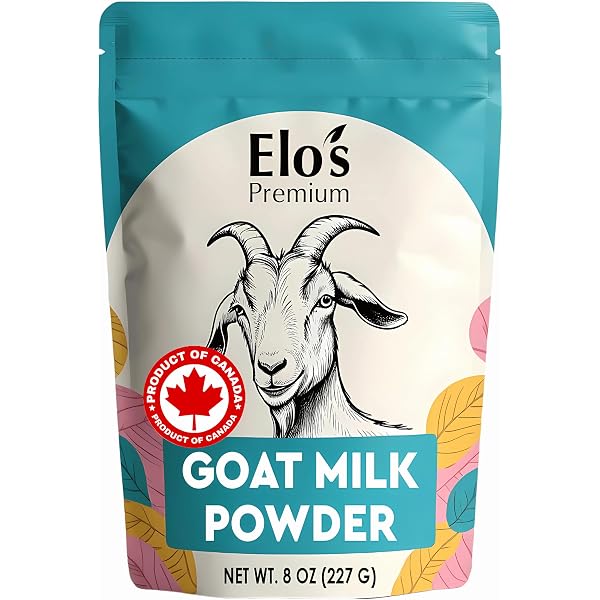
- Powdered goat’s milk for easy storage and use.
- Goat’s milk ice cream for a creamy treat.

Credit: jjpetclub.com
Frequently Asked Questions
What Are The Benefits Of Goat’s Milk For Humans?
Goat’s milk is rich in calcium, vitamins, and easy-to-digest proteins. It supports bone health and boosts immunity. It is also less allergenic than cow’s milk, making it suitable for sensitive individuals.
Is Goat’s Milk Better Than Cow’s Milk?
Goat’s milk contains smaller fat globules and different protein structures. This makes it easier to digest and less likely to cause allergies compared to cow’s milk. Nutritionally, both offer benefits, but goat’s milk suits some people better.
Can Infants Drink Goat’s Milk Safely?
Goat’s milk is not recommended as a sole infant food. It lacks essential nutrients found in breast milk or formula. Always consult a pediatrician before introducing goat’s milk to babies under one year.
Does Goat’s Milk Cause Lactose Intolerance Issues?
Goat’s milk contains lactose but in slightly lower amounts than cow’s milk. People with lactose intolerance might tolerate it better but should consume it cautiously and monitor symptoms.
Conclusion
Goat’s milk offers many health benefits for people of all ages. It contains important nutrients that support strong bones and a healthy immune system. Many find it easier to digest than cow’s milk. Small changes like including goat’s milk can improve your diet.
Try it in cooking or as a drink to see how you feel. Simple, natural, and nutritious—goat’s milk deserves a place in your daily routine. Give it a chance and enjoy the gentle taste and health perks.