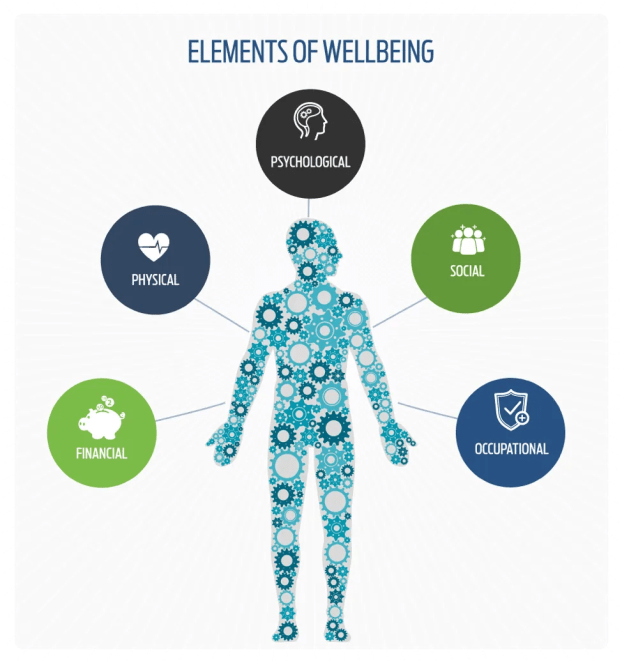
Have you ever wondered why some days feel lighter and more manageable, while others weigh you down? Your psychological wellbeing plays a powerful role in shaping those moments.
It’s not just about avoiding stress or sadness—it’s about building a strong, resilient mind that helps you face challenges and enjoy life fully. You’ll discover simple yet effective ways to boost your mental health, so you can feel more balanced, confident, and in control every day.
Ready to unlock the secrets to a happier mind? Let’s dive in.
Mindfulness Practices
Mindfulness practices help calm the mind and reduce stress. They improve focus and boost emotional balance for better mental health. Simple daily exercises can enhance psychological wellbeing effectively.
Mindfulness Practices are essential tools for enhancing your psychological wellbeing. These practices help you connect with the present moment, reduce stress, and improve mental clarity. By integrating mindfulness into your daily routine, you can cultivate a more balanced and fulfilling life.Meditation Techniques
Meditation is a cornerstone of mindfulness practices. It involves focusing your mind on a particular object, thought, or activity to achieve a mentally clear and emotionally calm state. You might try a simple technique such as focusing on your breath. Sit comfortably, close your eyes, and pay attention to the natural rhythm of your inhalation and exhalation. Guided meditations can also be helpful. Apps like Headspace or Calm offer structured sessions that cater to both beginners and experienced meditators. Have you ever noticed how a few minutes of meditation can make your mind feel refreshed? Try setting aside just five minutes each day and observe the changes in your mental state.Breathing Exercises
Breathing exercises are another effective way to anchor yourself in the present. They can be done anywhere and at any time. One popular exercise is the 4-7-8 technique: inhale for four seconds, hold for seven seconds, and exhale for eight seconds. These exercises can help reduce anxiety and increase relaxation. Next time you feel stressed, pause and take a few deep breaths. You’ll be surprised at how such a simple act can shift your mood.Being Present In Daily Life
Mindfulness isn’t just about meditation and breathing exercises; it’s about being present in your everyday activities. Whether you’re eating, walking, or talking to someone, try to give your full attention. Notice the flavors in your food, the sensation of your steps, or the tone of the other person’s voice. Being present can transform mundane tasks into meaningful experiences. What if you approached your daily routine with curiosity and attention? Engaging fully with each moment can open your eyes to the richness of life that often goes unnoticed.
Credit: www.shutterstock.com
Building Emotional Resilience
Building emotional resilience is about strengthening your ability to bounce back from life’s challenges. It means staying grounded and balanced, even when things get tough. This skill doesn’t develop overnight, but you can nurture it by focusing on practical habits that support your mental and emotional health.
Managing Stress Effectively
Stress is inevitable, but how you handle it makes all the difference. Try breaking down overwhelming tasks into smaller, manageable steps to avoid feeling paralyzed. Taking regular short breaks during work or study can refresh your mind and reduce tension.
Have you ever noticed how deep breathing or a quick walk can calm your thoughts? These simple actions lower your heart rate and clear your mind, making stress less intense. Experiment with what works best for you and keep those tools handy.
Developing Positive Thinking
Positive thinking isn’t about ignoring problems; it’s about focusing on solutions and opportunities. Start by recognizing negative self-talk and challenging those thoughts with evidence or alternative perspectives. You might catch yourself thinking, “I can’t do this,” and then counter it with, “I will try my best and learn along the way.”
Keeping a gratitude journal can shift your attention to what’s going well. Writing down three good things each day helps you build a habit of seeing the brighter side, even during tough times.
Handling Negative Emotions
Negative emotions like anger, sadness, or frustration can feel overwhelming, but they are signals, not enemies. Instead of pushing them away, try to identify what’s triggering these feelings. Naming your emotions calmly can reduce their power over you.
Consider talking to a trusted friend or writing down your feelings as a way to process them. Avoiding or bottling up emotions often makes them grow stronger, while facing them head-on helps you regain control.
Healthy Lifestyle Habits
Healthy lifestyle habits form the base of strong psychological wellbeing. They help the mind stay clear and emotions balanced. Simple daily choices can greatly improve mental health. Focus on nutrition, exercise, and sleep to build resilience and reduce stress.
Balanced Nutrition
Eating a variety of foods supports brain function. Include fruits, vegetables, whole grains, and lean proteins. These foods provide essential vitamins and minerals. Avoid too much sugar and processed food. Balanced nutrition helps mood stay steady and energy levels high.
Regular Physical Activity
Exercise releases chemicals that boost happiness. It lowers anxiety and improves sleep quality. Aim for at least 30 minutes of movement daily. Activities like walking, cycling, or yoga work well. Regular physical activity strengthens both body and mind.
Quality Sleep Importance
Sleep restores the brain and body each night. Good sleep improves memory and decision-making skills. Adults need 7 to 9 hours of restful sleep. Create a quiet, dark, and cool sleeping space. Avoid screens before bed to fall asleep faster.

Credit: www.shutterstock.com
Strengthening Social Connections
Strong social connections improve psychological wellbeing. They provide comfort, reduce stress, and boost happiness. Building these connections requires effort and care. Focus on creating meaningful bonds that support your mental health. Simple steps can deepen relationships and promote a positive mindset.
Nurturing Supportive Relationships
Supportive relationships offer emotional safety and trust. Spend time with people who listen and understand you. Show kindness and empathy in return. Celebrate successes and offer help during tough times. These acts build strong, lasting connections that enrich life.
Effective Communication Skills
Clear communication prevents misunderstandings and builds trust. Use simple words to express thoughts and feelings. Listen carefully without interrupting. Ask questions to show interest. Body language also speaks volumes. Maintain eye contact and open posture to show engagement.
Setting Healthy Boundaries
Boundaries protect mental health and respect personal limits. Say no when needed without guilt. Explain your needs calmly and clearly. Healthy boundaries prevent burnout and resentment. They help maintain balance in relationships and promote mutual respect.
Personal Growth Strategies
Personal growth strategies are essential tools that help you improve your psychological wellbeing. They guide you toward becoming more aware, motivated, and resilient in everyday life. Let’s look at some practical ways to nurture your mental and emotional health through focused actions.
Goal Setting And Motivation
Setting clear, realistic goals gives your mind a sense of direction. Break big goals into smaller, manageable steps to avoid feeling overwhelmed. When I started running, I aimed to run just one mile a day; this small target kept me motivated and built my confidence over time.
Ask yourself: What is one achievable goal I can commit to today? Tracking your progress, even with simple checklists, can boost your motivation and help you celebrate small wins regularly.
Self-reflection Practices
Spending a few minutes each day reflecting on your thoughts and feelings can deepen your self-understanding. Writing in a journal or simply sitting quietly to review your day helps you identify patterns and triggers in your mood. I found that reflecting on what went well and what didn’t helped me avoid repeating negative habits.
Try asking yourself questions like: What made me feel good today? What could I do differently tomorrow? This habit sharpens your insight and makes personal growth more intentional.
Cultivating Gratitude
Focusing on what you appreciate changes how your brain processes challenges. Listing three things you’re grateful for daily trains your mind to notice positives, even during tough times. I started this practice during a stressful period and noticed it lifted my mood within minutes.
Think about: Who or what made your life better today? Gratitude can be simple—a smile from a stranger or a quiet moment of peace. Making it part of your routine strengthens your emotional resilience and outlook.

Credit: www.freepik.com
Seeking Professional Support
Seeking professional support is a powerful step toward improving your psychological wellbeing. Sometimes, talking to friends or family isn’t enough, and that’s okay. Reaching out to a trained expert can offer new perspectives and tools tailored specifically to your needs.
Therapy And Counseling Benefits
Therapy provides a safe space to explore your feelings without judgment. Professionals can help you identify patterns that might be holding you back and teach coping strategies you can use daily.
Many people find that counseling improves their communication skills and boosts self-awareness. Have you noticed how small shifts in your mindset can lead to big changes in your mood and actions?
When To Ask For Help
Recognizing when to seek support can be challenging. If you feel overwhelmed by stress, anxiety, or sadness that affects your daily life, it might be time to reach out.
Ask yourself: Are your struggles interfering with work, relationships, or sleep? If the answer is yes, professional guidance can help you regain control and find relief.
Choosing The Right Professional
Finding the right therapist or counselor is a personal process. Consider their qualifications, experience, and approach to treatment.
- Look for someone who specializes in your specific concerns, such as anxiety or trauma.
- Check if their style feels comfortable—trust and rapport are crucial.
- Don’t hesitate to ask about their methods and what you can expect from sessions.
Remember, you have the right to switch professionals if you don’t feel supported. Your wellbeing deserves the best care tailored to you.
Frequently Asked Questions
What Is Psychological Wellbeing And Why Is It Important?
Psychological wellbeing refers to mental health, emotional balance, and life satisfaction. It helps manage stress, build resilience, and improve overall happiness. Good wellbeing enhances productivity, relationships, and physical health, making it essential for a fulfilling life.
How Can I Improve My Psychological Wellbeing Daily?
Daily habits like mindfulness, exercise, quality sleep, and social connection boost psychological wellbeing. Practicing gratitude and seeking professional support also helps. Consistency in these activities strengthens mental resilience and emotional stability over time.
What Are Common Signs Of Poor Psychological Wellbeing?
Signs include persistent sadness, anxiety, irritability, and difficulty concentrating. Social withdrawal, fatigue, and sleep problems also indicate poor mental health. Recognizing these early helps in seeking timely support and preventing further decline.
How Does Stress Affect Psychological Wellbeing?
Stress triggers emotional and physical reactions that disrupt psychological wellbeing. Chronic stress increases anxiety, depression, and cognitive issues. Managing stress through relaxation techniques and healthy lifestyle choices protects mental health.
Conclusion
Taking care of your mind helps you live a happier life. Small steps can improve your mood and reduce stress. Talk to friends or a counselor when feeling low. Healthy habits like sleep, exercise, and good food support mental health.
Remember, everyone faces challenges, and seeking help is strong. Keep practicing kindness toward yourself every day. Your psychological wellbeing matters and deserves attention. Stay patient and consistent to feel better over time.