Have you ever noticed how your mood shifts when you step outside into fresh air or spend time in a clean, green space? That feeling isn’t just in your mind—it’s your body responding to your environment.
Environmental wellness is about creating and enjoying surroundings that boost your health and happiness. When you improve your environment, you’re not just making a space look better—you’re transforming how you feel every single day. Ready to discover simple, powerful ways to enhance your environment and, in turn, your well-being?
Keep reading to find out how small changes can make a big difference for you.

Credit: www.bonandberg.com
What Is Environmental Wellness
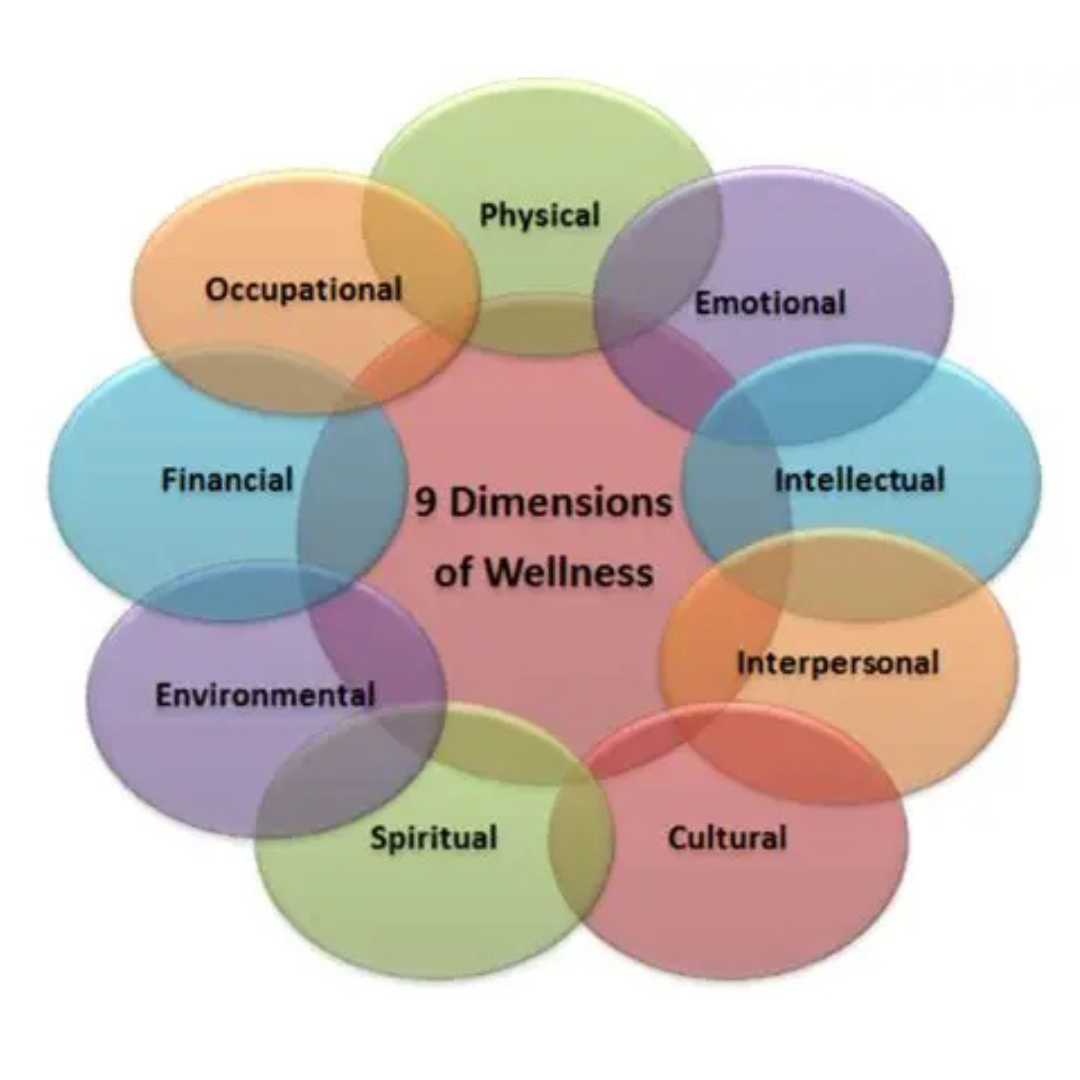
Environmental wellness is about more than just enjoying nature. It involves how you interact with your surroundings and the choices you make that impact both your health and the planet’s health. Understanding this connection can help you make daily decisions that support a healthier environment and a better quality of life.
What Does Environmental Wellness Mean?
Environmental wellness means maintaining a safe, healthy, and supportive environment around you. It includes your home, workplace, and community spaces. When these places are clean and well-kept, you tend to feel better physically and mentally.
Think about the last time you spent time in a cluttered or polluted space. Did you feel stressed or uncomfortable? Now compare that to a clean park or tidy room where you felt relaxed and focused. These feelings show how your environment directly affects your wellness.
How Your Environment Impacts Your Health
Your surroundings influence your breathing, mood, and energy levels. Poor air quality can cause headaches or allergies, while natural light boosts your mood and productivity. Noise pollution might make it hard to concentrate or sleep well.
Simple changes like adding plants to your room or reducing plastic waste can improve your space and your health. Have you noticed how a small window opening or a green plant can change the atmosphere in your room? These small actions contribute to your environmental wellness.
Why Taking Care Of Your Environment Matters
When you take care of your environment, you support your own well-being and that of others. Recycling, conserving water, and choosing eco-friendly products reduce pollution and save resources. These efforts protect natural habitats and promote a sustainable future.
Ask yourself: What small step can you take today to improve your environment? It could be as simple as picking up litter on your street or using a reusable water bottle. These actions add up and create a positive impact on your wellness and the planet.

Credit: www.freepik.com
Benefits Of Eco-friendly Living
Choosing to live eco-friendly brings more than just a positive impact on the planet. It directly benefits your health, wallet, and the communities around you. These benefits make it easier to stay motivated on your path to environmental wellness.
Health Improvements
Eco-friendly living often means reducing exposure to harmful chemicals found in many household products. Switching to natural cleaners or organic foods can improve your respiratory health and boost your immune system.
Breathing cleaner air and drinking less contaminated water are simple changes with big effects. Have you noticed feeling more energetic or less stressed after spending time in nature or using fewer synthetic products at home?
Financial Savings
Many eco-friendly choices save you money over time. For example, using energy-efficient appliances or switching to LED bulbs lowers your electricity bills.
Cutting down on single-use plastics and buying in bulk reduces your grocery expenses. How much could you save by repairing items instead of replacing them?
Community Impact
Living eco-friendly encourages others around you to consider their habits. This ripple effect strengthens community bonds and promotes shared responsibility for the environment.
Supporting local farmers and businesses not only reduces your carbon footprint but also helps your local economy thrive. What small action could you take today that would inspire your neighbors to join you?
Easy Eco Habits To Start
Embracing eco-friendly habits can significantly enhance your environmental wellness. Simple changes make a big difference. These habits are easy to adopt and can lead to a sustainable lifestyle. Let’s explore some ways to make a positive impact on the environment.
Reducing Waste
Minimize waste by using reusable bags and containers. Say no to single-use plastics. Compost kitchen scraps instead of tossing them in the trash. Donate items you no longer need. These actions help reduce landfill waste and conserve resources.
Conserving Water
Water is precious. Turn off the tap while brushing your teeth. Fix leaks promptly. Use a broom instead of a hose to clean driveways. Install low-flow showerheads and toilets. These steps save water and reduce utility bills.
Saving Energy
Energy efficiency lowers carbon footprint. Turn off lights when leaving a room. Unplug devices not in use. Use energy-efficient bulbs and appliances. Consider solar panels for renewable energy. These practices conserve energy and reduce costs.
Credit: www.csupueblo.edu
Sustainable Eating Choices
Sustainable eating choices help protect the environment. They reduce waste and lower carbon footprints. Eating this way supports local farmers and conserves resources. Small changes in diet can make a big difference for the planet.
Choosing Local Foods
Local foods travel less distance to reach your plate. This means fewer emissions from transportation. Local produce is often fresher and tastes better. Buying from farmers markets supports local economies. It also encourages seasonal eating, which uses fewer resources.
Reducing Meat Consumption
Meat production uses a lot of water and land. It also creates high levels of greenhouse gases. Eating less meat lowers your environmental impact. Try plant-based meals a few days each week. This reduces demand and helps conserve natural resources.
Growing Your Own
Growing your own fruits and vegetables saves energy. It cuts down on packaging and transport emissions. Home gardens provide fresh, healthy food right at your doorstep. Even small spaces can fit container gardens or herbs. This practice connects you with nature and promotes sustainability.
Eco-friendly Home Tips
Creating an eco-friendly home helps protect the planet and improves your well-being. Small changes make a big difference in reducing waste and saving energy. Simple actions inside your house can lead to a greener lifestyle.
Green Cleaning Products
Choose cleaning products made from natural ingredients. They do not contain harmful chemicals that pollute water and air. Green cleaners keep your home safe for children and pets. Look for labels that say “non-toxic” or “biodegradable.” You can also make your own cleaners using vinegar and baking soda.
Efficient Lighting
Use LED bulbs to save energy and cut electricity bills. LEDs last longer than traditional bulbs and use less power. Turn off lights when you leave a room. Make the most of natural sunlight during the day. Use light-colored curtains to brighten rooms without extra electricity.
Smart Recycling
Separate your waste into recyclables, compost, and trash. Check local rules for what can be recycled. Rinse containers before placing them in recycling bins. Compost food scraps to reduce landfill waste and create natural fertilizer. Use labeled bins to make recycling easy for everyone at home.
Incorporating Nature Daily
Incorporating nature into daily life boosts environmental wellness and personal health. Simple actions can connect people with the natural world. This connection helps reduce stress and improves mood. Small changes at home and outside create a positive impact. Nature’s presence supports cleaner air, better focus, and a calm mind.
Spending Time Outdoors
Step outside regularly to enjoy fresh air and sunlight. Walk, jog, or sit in a park to feel nature’s calm. Even short outdoor breaks improve mental clarity and mood. Natural light helps regulate sleep and energy levels. Choose green places over urban settings for a stronger effect.
Creating Green Spaces
Grow plants at home or work to bring nature closer. Use pots, window boxes, or small garden patches. Green spaces improve air quality and reduce noise. Plants also provide a peaceful, refreshing atmosphere. Include easy-care plants for quick and lasting greenery.
Supporting Wildlife
Encourage birds, bees, and butterflies by providing food and shelter. Plant native flowers and trees to support local species. Avoid pesticides that harm animals and insects. Small habitats help keep ecosystems balanced and healthy. Caring for wildlife connects us deeply with the environment.
Building A Supportive Eco Community
Building a supportive eco community is key to enhancing your environmental wellness. It creates a space where individuals share ideas, resources, and energy to make sustainable living more achievable. Imagine having neighbors who swap gardening tips or organize clean-up days—that’s the power of a connected eco community.
Joining Local Groups
Find local environmental groups or clubs that focus on issues important to you. These groups often host events like tree planting or recycling drives, which are great ways to meet like-minded people. Have you ever felt more motivated to recycle or save energy after talking with someone passionate about the cause?
Joining a group also means you get access to insider tips and community-driven solutions. This might include advice on local composting facilities or discounts at eco-friendly stores. Think about how much easier it is to stay green when you’re part of a team working toward the same goals.
Sharing Resources
Sharing tools, seeds, or knowledge can reduce waste and save money. For example, a community tool library lets you borrow equipment for home projects instead of buying new ones. Have you considered how much stuff sits unused in your garage that others might need?
Resource sharing builds trust and a sense of responsibility among neighbors. It’s also a practical step to cut down on consumption. You could start small by organizing a seed swap or a clothing exchange in your neighborhood.
Advocating For Change
Working together to influence local policies can lead to bigger environmental benefits. Whether it’s pushing for more bike lanes or better recycling programs, your voice combined with others becomes powerful. What local environmental issue bothers you the most right now?
Join or start petitions, attend town meetings, or write to your representatives. Sharing your community’s successes and challenges can inspire broader action. Remember, small changes in your area can set an example for others to follow.
Frequently Asked Questions
What Is Environmental Wellness And Why Does It Matter?
Environmental wellness means living in harmony with nature. It promotes healthy surroundings, reduces pollution, and supports sustainable resource use. This wellness improves physical and mental health by creating a cleaner, safer environment for everyone.
How Can I Improve My Environmental Wellness Daily?
You can improve environmental wellness by reducing waste, recycling, conserving water, and using eco-friendly products. Spending time outdoors and supporting green initiatives also help. These small steps contribute to a healthier planet and personal well-being.
What Are The Benefits Of Maintaining Environmental Wellness?
Maintaining environmental wellness boosts overall health, reduces stress, and prevents illness. It preserves natural resources and biodiversity. A clean environment enhances quality of life and promotes sustainable living for future generations.
How Does Environmental Wellness Impact Mental Health?
Environmental wellness positively impacts mental health by reducing stress and anxiety. Natural surroundings promote relaxation and improve mood. Clean air and green spaces encourage physical activity and social interaction, supporting emotional well-being.
Conclusion
Taking care of the environment helps us feel healthier and happier. Clean air, water, and green spaces improve our daily lives. Small actions like recycling and saving energy make a big difference. Everyone can help protect nature and stay well.
Living in a healthy environment supports both body and mind. Let’s choose habits that keep our world safe and clean. Together, we create a better place for today and tomorrow.