Your mind is one of your greatest assets, yet it often gets overlooked when it comes to wellness. Have you ever wondered how to keep your brain sharp, creative, and ready to tackle new challenges?
Intellectual wellness is the key, and it’s easier to achieve than you might think. You’ll discover practical intellectual wellness examples that fit into your daily life. These simple habits can boost your thinking, spark your curiosity, and help you grow continuously.
Keep reading, and learn how to make your mind stronger and more vibrant every day.

Credit: www.thessu.ca
Daily Brain Exercises
Daily brain exercises are essential for keeping your mind sharp and improving intellectual wellness. Just like your body needs physical activity, your brain thrives on challenges that stretch your thinking. Adding simple activities to your daily routine can boost your memory, concentration, and problem-solving skills.
Puzzles And Brain Teasers
Puzzles and brain teasers push your brain to think differently. Crossword puzzles, Sudoku, and logic games require focus and pattern recognition, which enhances your cognitive abilities.
Try spending 10 minutes a day on these activities to see noticeable improvements. Have you ever felt that satisfying moment when a tough puzzle finally clicks? That feeling is your brain strengthening itself.
Memory Improvement Techniques
Improving memory isn’t just about trying harder; it’s about using smart techniques. Techniques like chunking information, visualization, and mnemonic devices make recalling facts easier and faster.
For example, grouping phone numbers into chunks helps you remember them better than trying to memorize a long string of digits. What small change can you make to how you remember daily tasks?
Learning New Skills
Learning something new, like a language or musical instrument, challenges your brain to form new connections. This kind of mental workout improves your adaptability and creativity.
When I started learning to cook new recipes, I noticed my ability to focus and plan improved. What skill have you always wanted to try that could also boost your brain power?
Creative Activities
Creative activities stimulate your intellectual wellness by challenging your brain and encouraging new ways of thinking. Engaging in these activities helps you develop problem-solving skills, boosts memory, and enhances your ability to focus. They also provide a fun break from routine tasks, keeping your mind sharp and curious.
Art And Craft Projects
Working on art and craft projects lets you express ideas visually and tangibly. Whether you’re painting, sculpting, or making DIY decorations, you exercise creativity and attention to detail. These projects require you to plan steps, choose colors or materials, and solve unexpected problems — all of which keep your brain active.
Have you noticed how focusing on a craft can calm your mind while also making you think critically? Starting a simple project like creating greeting cards or building a birdhouse can boost your intellectual wellness more than you might expect.
Writing And Journaling
Writing regularly sharpens your ability to organize thoughts and communicate clearly. Journaling helps you reflect on daily experiences and can spark new ideas or solutions to challenges. Keeping a journal encourages you to analyze emotions and events, which strengthens your critical thinking skills.
Try setting a goal to write a few sentences each day about your thoughts or plans. You might find that this habit improves your focus and memory, while also unlocking a deeper understanding of yourself.
Music And Performance
Learning to play an instrument or practicing singing engages multiple areas of your brain simultaneously. It improves coordination, memory, and auditory skills. Performing music in front of others also enhances your confidence and ability to handle pressure.
Even if you’re not a professional, joining a local choir or learning guitar chords online can offer mental stimulation and a sense of accomplishment. How could adding music practice to your routine challenge your brain in new ways?
Lifelong Learning
Lifelong learning keeps the mind active and curious by exploring new topics regularly. Reading books, taking classes, or solving puzzles are great ways to boost intellectual wellness. Staying open to new ideas helps maintain mental sharpness over time.
Lifelong learning is a cornerstone of intellectual wellness. It keeps your mind sharp, curious, and open to new ideas. Engaging in lifelong learning means continually seeking knowledge and skills throughout your life. It nurtures your intellectual curiosity and keeps you updated in our fast-paced world. By continuously learning, you gain a deeper understanding of the world around you, which enriches your personal and professional life.Reading Regularly
Reading regularly is like having a conversation with the greatest minds across history. It expands your vocabulary, enhances your imagination, and improves your focus. Whether it’s fiction, non-fiction, or magazines, each page you turn adds to your knowledge base. Imagine how different your perspectives might become if you started reading just 15 minutes every day. What are you reading right now?Taking Online Courses
Online courses open up a world of knowledge at your fingertips. They are flexible, allowing you to learn at your own pace and schedule. Platforms like Coursera, Udemy, or Khan Academy offer courses on countless subjects, from coding to philosophy. Consider picking a course that piques your interest or could boost your career. Have you explored the vast range of topics available online?Attending Workshops
Workshops provide an interactive learning environment where you can engage with experts and peers. They are often hands-on, making the learning experience dynamic and memorable. From photography to public speaking, workshops are available for nearly every interest. Attending a workshop can spark new interests and refine existing skills. When was the last time you attended a workshop that challenged your thinking? Engaging in these activities not only boosts your intellectual wellness but also enriches your life experiences. What steps will you take today to fuel your lifelong learning journey?
Credit: www.projectschoolwellness.com
Healthy Lifestyle Habits
Healthy lifestyle habits play a key role in boosting intellectual wellness. These habits improve brain function and support clear thinking. Simple daily choices can help keep the mind sharp and focused.
Balanced Nutrition For Brain Health
Eating the right foods fuels the brain. Nutrients like omega-3 fatty acids, antioxidants, and vitamins support memory and concentration. Fresh fruits, vegetables, nuts, and fish provide these essential nutrients. Avoid processed foods and excess sugar to prevent brain fog. Drinking enough water also keeps the brain hydrated and alert.
Regular Physical Exercise
Exercise improves blood flow to the brain. It helps grow new brain cells and reduces stress. Activities like walking, cycling, or yoga enhance mental clarity. Aim for at least 30 minutes of moderate exercise most days. Moving the body regularly boosts mood and cognitive function.
Adequate Sleep And Rest
Sleep clears toxins from the brain and strengthens memory. Most adults need 7 to 9 hours of quality sleep each night. Rest allows the brain to process information and recharge. Avoid screens before bed and create a calm sleeping space. Good sleep habits improve focus and problem-solving skills.
Mindfulness And Mental Clarity
Mindfulness and mental clarity play a key role in intellectual wellness. They help clear the mind and improve focus. These practices reduce distractions and boost understanding. The brain works better when calm and aware.
Simple habits can bring more calm and clear thinking. They help control stress and bring attention to the present moment. Below are some examples that support mindfulness and mental clarity.
Meditation Practices
Meditation trains the mind to stay present. It reduces noise from racing thoughts. Daily meditation can last 5 to 10 minutes. Find a quiet place and sit comfortably.
Focus on a word, sound, or your breath. When the mind wanders, gently bring it back. This practice builds concentration and peace. Over time, it helps reduce mental clutter and anxiety.
Stress Management Techniques
Stress blocks clear thinking and creativity. Managing stress keeps the mind sharp. Techniques include:
- Taking short breaks during work
- Practicing gentle exercise like walking
- Writing down worries and thoughts
- Spending time in nature
- Listening to calming music
These habits lower stress hormones and calm the brain. They improve memory and decision-making.
Mindful Breathing Exercises
Mindful breathing brings attention to the present moment. It calms the nervous system quickly. Try this simple exercise:
- Sit comfortably with your back straight
- Inhale slowly through your nose for four seconds
- Hold your breath for four seconds
- Exhale slowly through your mouth for six seconds
- Repeat for a few minutes
This exercise clears the mind and reduces tension. It sharpens focus and helps with emotional balance.
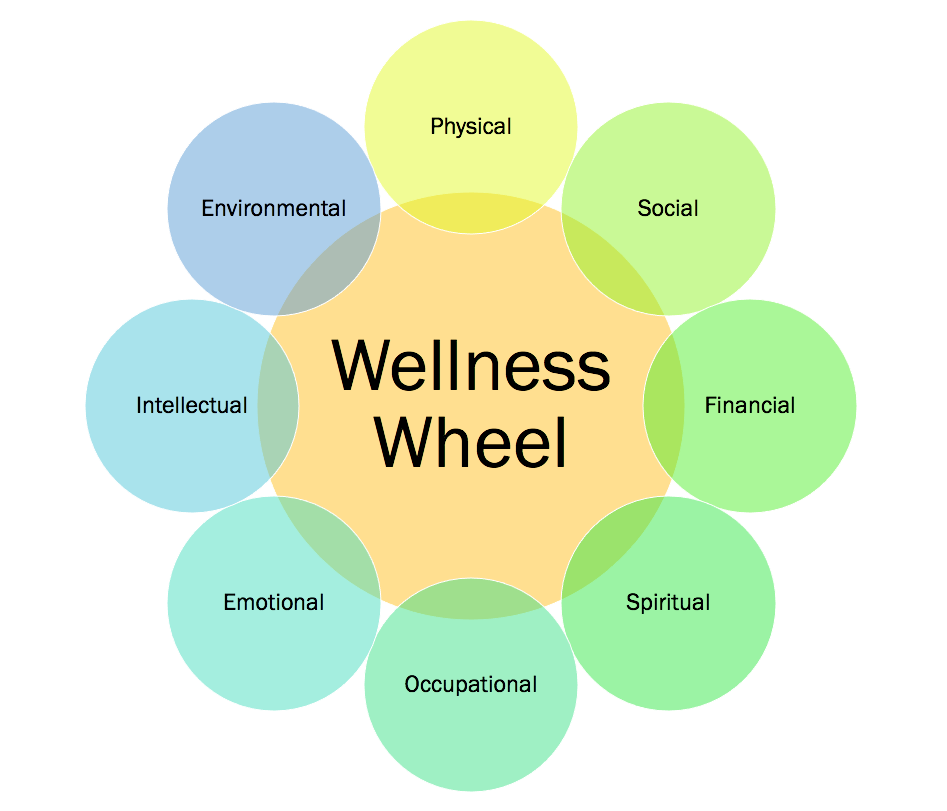
Credit: jenkaneco.medium.com
Social Engagement
Social engagement plays a big role in intellectual wellness. It helps the mind stay active and sharp. Talking and working with others sparks new ideas. It also teaches different viewpoints and builds understanding. Being socially active can improve memory and thinking skills. Here are some ways to boost intellectual wellness through social engagement.
Group Discussions And Debates
Group discussions bring people together to share ideas. These talks challenge the mind to think deeply. Debates push you to defend your thoughts clearly. They improve critical thinking and speaking skills. Listening to others’ opinions broadens your knowledge. Such interactions make learning more fun and effective.
Joining Clubs And Organizations
Clubs offer a chance to meet people with common interests. They provide a regular setting for learning and sharing. Being part of a group builds commitment and focus. You can explore new topics or hobbies through club activities. This keeps the brain engaged and curious. It also strengthens social bonds and teamwork skills.
Volunteering And Community Work
Volunteering connects you with different people and causes. It encourages problem-solving and creativity. Helping others can boost confidence and purpose. Community work often involves learning new tasks or skills. These experiences stimulate mental growth and empathy. They create a sense of belonging and mental well-being.
Frequently Asked Questions
What Are Common Intellectual Wellness Examples?
Common intellectual wellness examples include reading books, solving puzzles, learning new skills, and engaging in thoughtful discussions. These activities stimulate the brain and improve cognitive function, helping maintain mental sharpness and creativity.
How Does Intellectual Wellness Benefit Mental Health?
Intellectual wellness boosts mental health by reducing stress, improving focus, and enhancing problem-solving skills. It encourages lifelong learning, which keeps the brain active and promotes emotional resilience.
Can Intellectual Wellness Improve Work Performance?
Yes, intellectual wellness improves work performance by enhancing critical thinking and creativity. It helps individuals adapt to new challenges and make informed decisions efficiently.
How Can I Develop Intellectual Wellness Daily?
You can develop intellectual wellness daily by reading, exploring new hobbies, attending workshops, and practicing mindfulness. Consistent learning and curiosity keep your mind engaged and sharp.
Conclusion
Intellectual wellness helps keep your mind sharp and strong. Reading books, solving puzzles, and learning new skills all help. These activities make thinking easier and more fun. They also reduce stress and boost your mood. Try to include small mental exercises every day.
Your brain will thank you with better focus and creativity. Keep exploring new ideas to grow your mind. Intellectual wellness is a simple way to live a fuller life.