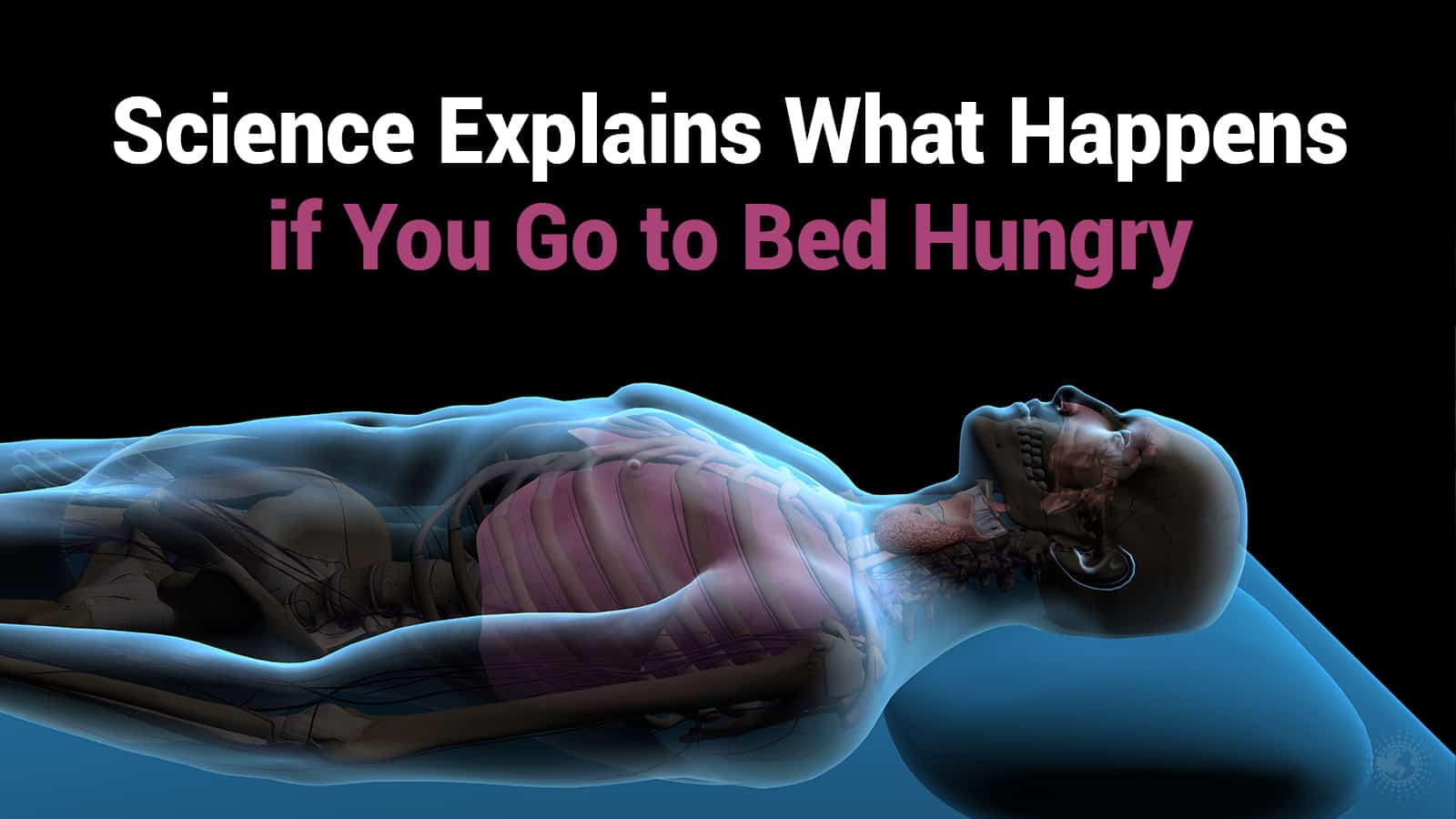
Have you ever wondered if hitting the sack with a grumbling tummy could actually help shed those extra pounds? You’re not alone.
Many people are curious about whether going to bed hungry is a secret weapon for weight loss. This intriguing idea might sound tempting, especially when quick fixes are everywhere. But is it really effective, or could it backfire? You want the truth, and you’re about to get it.
You’ll discover the science behind this common belief, the potential benefits, and the risks you need to know. Get ready to uncover the facts and make informed decisions about your nighttime habits. Keep reading, because what you learn might just surprise you!
The Science Of Hunger
Have you ever wondered if going to bed hungry could actually help you lose weight? Understanding the science of hunger is crucial to figuring this out. Hunger isn’t just a feeling; it’s a complex process involving your metabolism, hormones, and even sleep patterns. Let’s dive into how these elements interact when you’re hungry and whether skipping that late-night snack is beneficial or detrimental.
How Hunger Affects Metabolism
When you’re hungry, your metabolism doesn’t just shut down. Instead, it adapts. Your body may start to burn stored fat for energy, which is a good thing if you’re trying to lose weight. However, if you consistently go to bed hungry, your metabolism might slow down to conserve energy. This can make it harder to lose weight in the long run.
Think of your metabolism as a fire: feeding it regularly keeps it burning efficiently. Skipping meals may dim the flame, impacting your weight loss goals. Have you noticed changes in your energy levels when you miss a meal? That’s your metabolism responding to hunger.
Hormonal Changes During Hunger
Hunger triggers hormonal shifts that can affect weight loss. The hormone ghrelin increases, making you feel hungry. Meanwhile, leptin, which signals fullness, decreases. This imbalance can lead you to overeat later, undoing any potential weight loss benefits of going to bed hungry.
Your body’s stress hormone, cortisol, might also rise when you’re hungry, potentially causing weight gain around your middle. Have you ever felt irritable or anxious when hungry? That’s cortisol at play, and it can be counterproductive for weight management.
Impact On Sleep Quality
Ever tried sleeping on an empty stomach? Hunger can disrupt your sleep quality. You might find it hard to fall asleep or stay asleep. Poor sleep can lead to weight gain, as it affects your body’s ability to manage hunger hormones.
Quality sleep is crucial for weight loss. It helps regulate appetite and energy levels. If hunger keeps you awake, it might be worth rethinking that bedtime snack. How does your sleep change when you’re hungry? The answer might reveal if this approach suits your weight loss journey.
So, is going to bed hungry good for weight loss? It depends on how your body responds to hunger and whether you can manage the potential downsides. Consider experimenting and observing your body’s signals to find what works best for you.

Credit: www.instagram.com
Weight Loss Myths
Going to bed hungry might seem like a good idea for weight loss. It can disrupt sleep and metabolism. Eating a small, healthy snack before bed can support better weight management.
Weight loss is a topic surrounded by numerous myths, and one of the most persistent ones is whether going to bed hungry aids in shedding pounds. Many people believe that skipping meals, particularly dinner, can help them lose weight faster. But how much truth is there to this belief? Let’s unravel some common misconceptions around weight loss and discover what actually works.Calories And Timing
It’s easy to think that if you eat less before bed, you’ll lose weight more efficiently. However, the timing of calorie intake isn’t as crucial as the total amount consumed throughout the day. Your body doesn’t hit a pause button on metabolism just because the clock says it’s bedtime. It’s more about the quality and quantity of what you eat rather than when you eat it. Have you ever noticed that a balanced breakfast keeps you energized all day? That same principle applies to all meals, including dinner.Myth Of Starvation Mode
The concept of “starvation mode” suggests your body holds onto fat when you eat less, slowing down weight loss. This is a common myth. While extreme calorie restriction can lower your metabolism, moderate calorie reduction won’t send your body into panic mode. Remember a time when you ate slightly less for a few days and still felt fine? That’s your body adapting sensibly, not hoarding fat. Ask yourself: is it worth the discomfort of going to bed hungry when a sensible approach could yield better results?Understanding Caloric Deficit
To lose weight, you need to burn more calories than you consume—this is known as a caloric deficit. Creating a deficit doesn’t mean you should starve yourself. Instead, focus on eating nutrient-rich foods that fill you up without excess calories. Have you tried swapping out your usual snacks for fruits or nuts? Small changes can lead to a sustainable caloric deficit. Consider how much more enjoyable weight loss could be if you didn’t dread going to bed hungry every night. In essence, effective weight loss isn’t about punishing your body with hunger but nurturing it with the right balance of nutrients and exercise. Are you ready to rethink your approach and bust these myths once and for all?Benefits Of Controlled Fasting
Controlled fasting has gained popularity in recent years. Many seek its potential health benefits. It involves planned periods of eating and fasting. This method helps with weight management and overall health. Let’s explore the benefits of controlled fasting.
Intermittent Fasting Basics
Intermittent fasting is a popular method of controlled fasting. It involves cycling between eating and fasting periods. Common methods include the 16/8 and 5:2 approaches. The 16/8 method involves fasting for 16 hours daily. You then eat within an 8-hour window. The 5:2 method includes eating normally for 5 days. On 2 days, you restrict calorie intake. This practice can simplify meal planning. It also encourages healthier food choices.
Metabolic Health Benefits
Controlled fasting may improve metabolic health. It can enhance insulin sensitivity, reducing the risk of diabetes. Fasting periods allow the body to use stored fat for energy. This can aid in weight loss and fat reduction. Some studies suggest fasting lowers inflammation. It can also improve cholesterol levels. These changes support heart health and longevity.
Mental Clarity And Focus
Fasting may boost mental clarity and focus. During fasting, the body produces ketones. Ketones can enhance brain function and clarity. Many report improved concentration during fasting. It may also increase energy levels. This can lead to increased productivity and alertness. Fasting might also support brain health over time. It encourages the growth of new neurons. This could reduce the risk of neurodegenerative diseases.
Potential Risks
Going to bed hungry might seem like a quick path to weight loss. But this approach carries potential risks that should not be ignored. Skipping meals or eating too little can disrupt your body’s balance. Understanding these risks is crucial for healthy weight management.
Nutrient Deficiencies
Missing meals can lead to nutrient deficiencies. Your body needs vitamins and minerals to function well. Not eating enough can deprive your body of these essential nutrients. This can affect your energy levels and overall health. A balanced diet is key to avoiding these deficiencies.
Disordered Eating Patterns
Going to bed hungry can create disordered eating patterns. Skipping meals might lead to binge eating later. This cycle is harmful and can complicate weight loss efforts. Developing regular eating habits supports better health and weight control.
Impact On Mental Health
Hunger can impact your mental health. It may increase stress and anxiety levels. Feeling hungry can make you irritable and unfocused. This can affect your daily life and well-being. Ensuring adequate nutrition supports both physical and mental health.
Healthy Strategies
Going to bed hungry may seem like a simple way to lose weight. But, it’s important to choose healthy strategies. Making smart choices can support weight loss without discomfort. Focus on balanced meals and smart snacks. Listen to your body’s hunger cues for the best results.
Balanced Evening Meals
A balanced evening meal keeps hunger at bay. Include lean proteins like chicken or fish. Add whole grains such as brown rice or quinoa. Vegetables provide fiber and nutrients. This combination satisfies hunger and aids digestion. Avoid heavy sauces or fried foods. They can disrupt sleep and digestion.
Smart Snacking Options
Smart snacks prevent hunger before bed. Choose foods high in protein or fiber. Greek yogurt or a handful of nuts are great options. Avoid sugary snacks that cause spikes in blood sugar. These can lead to cravings later. Consider fruits like apples or berries for natural sweetness.
Listening To Hunger Cues
Your body knows when it needs food. Recognize true hunger rather than emotional eating. Eat when you feel moderate hunger. Avoid waiting until you’re starving. This leads to overeating and poor choices. Drinking water can help distinguish hunger from thirst.

Credit: www.deliveryrank.com
Expert Opinions
Experts discuss the effects of going to bed hungry for weight loss. Some say it might help reduce calorie intake. Others warn it could disrupt sleep and slow down metabolism.
When it comes to weight loss, opinions vary widely. One controversial topic is whether going to bed hungry can actually help you shed those extra pounds. Let’s take a closer look at what the experts have to say.Nutritionists’ Views
Nutritionists often emphasize the importance of a balanced diet over quick fixes. They argue that going to bed hungry might lead to poor sleep quality and increased cravings the next day. Instead, they recommend eating a light, nutrient-rich snack if you’re genuinely hungry at night. Consider the effects on your metabolism. Skipping meals can slow it down, making weight loss even harder. A nutritionist might suggest a small portion of Greek yogurt or a handful of nuts to keep your metabolism active while you sleep.Medical Professionals’ Insights
Doctors often highlight the health risks of extreme dieting practices. They warn that consistently going to bed hungry could lead to nutrient deficiencies and affect your overall health. Their advice typically centers around maintaining a healthy and sustainable eating pattern rather than drastic measures. Medical professionals also stress the importance of listening to your body’s hunger cues. Ignoring them repeatedly can disrupt your body’s natural signals, potentially leading to overeating in the long run. They suggest consulting with a healthcare provider to tailor a plan that suits your individual needs.Real-life Case Studies
Real-life stories can offer valuable insights. Take Sarah, for instance, who tried going to bed hungry every night for a month. She found that while she lost a few pounds initially, she was constantly tired and moody. This led her to rethink her approach and focus on a more balanced diet. Another example is Tom, who decided to avoid late-night snacks rather than skip dinner entirely. He reported better sleep and more energy throughout the day, which helped him stick to his weight loss goals more effectively. Have you experienced similar challenges on your weight loss journey? Consider what small changes you could make tonight for a better tomorrow.
Credit: missnutritiouseats.com
Frequently Asked Questions
Is It Normal To Be Hungry At Night When Losing Weight?
Feeling hungry at night is common during weight loss. Eating fewer calories can increase hunger levels. Opt for healthy snacks like fruits or nuts to manage nighttime hunger. Ensure your daytime meals are balanced with proteins and fibers to reduce evening cravings.
Always listen to your body’s hunger signals.
Is It Better To Go To Bed Hungry Or Full?
Going to bed slightly hungry can aid digestion and improve sleep quality. Avoid large meals before sleeping. Eating light snacks like yogurt or a banana is beneficial. Aim for a balanced approach to maintain healthy sleep patterns.
Is It Bad For Your Metabolism To Go To Bed Hungry?
Going to bed hungry occasionally doesn’t harm metabolism. Eating mindfully throughout the day is key. Consistent healthy eating supports metabolism effectively.
Does Sleeping On An Empty Stomach Aid Weight Loss?
Sleeping on an empty stomach can create a calorie deficit, potentially aiding weight loss. However, it might also disrupt sleep quality and metabolism. It’s crucial to maintain a balanced diet throughout the day. Always consult with a healthcare professional for personalized advice.
Conclusion
Eating before bedtime affects weight loss in complex ways. Going to bed hungry may reduce calorie intake. But it can also disrupt sleep. Poor sleep impacts metabolism and hunger hormones. This could lead to overeating the next day. Balanced meals during the day help maintain energy and prevent nighttime hunger.
Focus on nutritious foods for better weight management. Listen to your body’s hunger signals. Avoid extreme diets. Healthy habits and mindful eating support weight goals. Consult a nutritionist for personalized advice. Remember, your health is the priority.