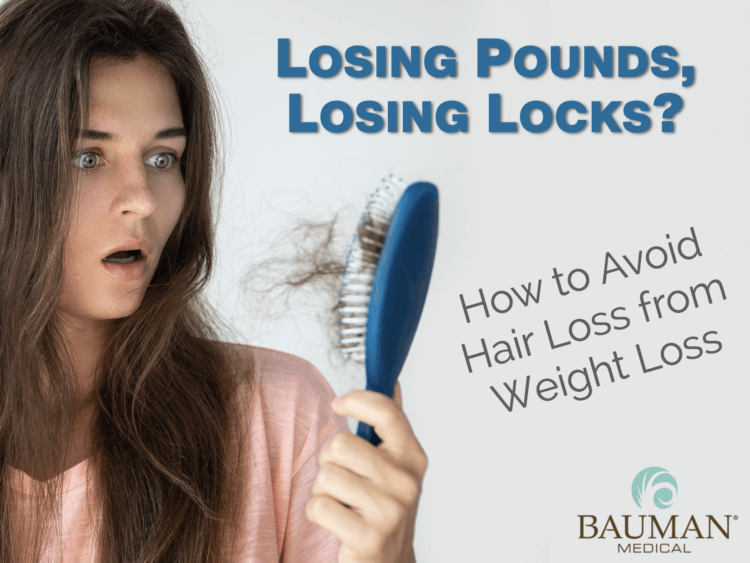
Are you noticing more hair in your brush than usual? You might be wondering if your recent weight loss is the culprit.
Losing weight can be a positive step towards better health, but sometimes it comes with unexpected side effects, like hair loss. This intriguing connection between shedding pounds and losing hair might leave you worried. But don’t fret! We’ll uncover the truth behind this phenomenon, exploring the reasons why it happens and what you can do to keep your hair healthy while you slim down.
Get ready to discover simple strategies to maintain your luscious locks, so you can confidently achieve your weight loss goals without compromising your hair’s vitality. Let’s dive in and ensure you’re on the path to a healthier, happier you—inside and out!
Link Between Weight Loss And Hair Health
Shedding pounds can feel empowering, yet it often comes with unexpected surprises. One such surprise is hair loss, which might leave you wondering about the link between weight loss and hair health. Understanding this connection can help you navigate your weight loss journey without compromising your luscious locks.
Understanding The Connection
Losing weight rapidly can sometimes lead to hair thinning. This is often due to nutritional deficiencies that arise when your calorie intake drops suddenly. Your body might prioritize vital functions over hair growth, leading to hair loss.
Nutritional Impact On Hair
Your hair needs nutrients like protein, iron, and vitamins to grow. A restrictive diet might cut out these essential nutrients, affecting hair health. Ensuring a balanced diet with these nutrients can help maintain your hair during weight loss.
The Role Of Stress
Weight loss can be stressful, both physically and mentally. Stress is a known trigger for hair loss, making it crucial to manage stress levels. Activities like yoga or meditation can help keep stress in check.
Personal Experience: A Cautionary Tale
My friend Sarah decided to lose weight for her wedding, adopting a strict diet. She lost weight but also noticed her hair was thinning. Learning about balanced nutrition helped her regain her hair’s health without compromising her weight loss goals.
Practical Tips For Healthy Hair
- Include a variety of fruits, vegetables, and protein in your meals.
- Stay hydrated to support overall health and hair growth.
- Consider supplements after consulting with a healthcare provider.
- Manage stress through regular exercise or relaxation techniques.
Have you noticed changes in your hair during weight loss? Balancing weight goals with hair health might seem challenging, but with mindful choices, you can achieve both. What steps will you take today to ensure your hair stays healthy?
Credit: www.belgraviacentre.com
Nutritional Deficiencies
Rapid weight loss might lead to hair thinning due to nutritional deficiencies. Insufficient vitamins and minerals can weaken hair follicles. Balanced diet aids in maintaining healthy hair growth.
Losing weight can be a transformative journey, but it sometimes comes with unexpected side effects, like hair loss. A significant factor contributing to this is nutritional deficiencies. When you cut calories drastically, your body might not get the essential nutrients it needs to maintain healthy hair. Let’s dive deeper into how nutritional gaps can impact your hair health during weight loss.Essential Vitamins And Minerals
Your hair needs specific vitamins and minerals to grow strong and healthy. Vitamins such as B-complex, particularly biotin, and minerals like zinc and iron play a crucial role in hair growth. When you miss out on these nutrients, hair loss can occur. Have you ever skipped meals or followed a restrictive diet plan? You might have unintentionally deprived your body of these key nutrients. Consider adding foods rich in these vitamins and minerals, like eggs, nuts, and leafy greens, to your diet. This can help maintain your hair health while you work towards your weight goals.Impact Of Caloric Restriction
Cutting calories too much can lead to nutritional deficiencies. Your body enters a survival mode, prioritizing essential functions over hair growth. This can make your hair thin and fragile. Think about the times you cut calories quickly to see fast results. Did you notice changes in your energy levels or hair texture? Instead of drastic cuts, aim for a balanced diet with a modest calorie deficit. This approach supports gradual weight loss without compromising your hair health. Are you ready to focus on a balanced approach to weight loss? Ensure your diet is rich in essential nutrients and avoid extreme calorie restrictions. Your hair will thank you for it, and you’ll feel better overall.Stress And Hormonal Changes
Weight loss can sometimes lead to hair thinning due to hormonal shifts and stress. Changes in diet and lifestyle might disrupt hormone balance, affecting hair growth. Understanding these factors helps manage hair health during weight loss journeys.
Stress and hormonal changes often accompany weight loss. These factors can impact hair health. Many individuals experience shifts in their body’s balance. Understanding these changes is crucial for maintaining hair wellness during weight loss journeys. Stress and hormones are influential in hair growth cycles. Let’s explore their roles more deeply.Role Of Stress In Hair Loss
Stress is a common factor during weight loss. The body’s response to stress can disrupt hair growth. Elevated stress levels affect the hair follicles. This can lead to hair shedding. Stress triggers a condition called telogen effluvium. Hair enters a resting phase prematurely. This results in thinning and loss. Managing stress is vital for healthy hair maintenance. Relaxation techniques can help reduce stress impacts.Hormonal Shifts During Weight Loss
Weight loss can lead to hormonal changes. Hormones regulate many body functions, including hair growth. Dramatic weight loss alters hormone levels. This can affect the hair’s growth cycle. Changes in estrogen and testosterone levels play a part. Hormonal imbalance can cause hair thinning. Balanced nutrition helps stabilize hormones. A healthy diet supports hair strength and growth. Hormonal shifts during weight loss are natural. Understanding these shifts aids in better hair care.Rapid Weight Loss Effects
Losing weight quickly might lead to hair loss. The body might not get enough nutrients during rapid weight loss. Hair needs nutrients to grow and stay healthy.
Rapid weight loss often impacts more than just your waistline. It can affect overall health, including hair health. Losing weight quickly may lead to unexpected hair loss. This happens because rapid weight changes can shock the body. Nutrients vital for hair growth may become scarce. The body prioritizes essential functions, neglecting hair health. Understanding how rapid weight loss affects hair is crucial.Crash Diets And Hair Health
Crash diets promise quick results but often lack balance. They may cut essential nutrients necessary for hair growth. Vitamins like B and minerals like zinc support hair health. When these are missing, hair can become weak. Crash diets often lead to stress, another hair loss trigger. Stress hormones can disrupt the hair growth cycle. It’s vital to choose diets wisely to protect hair health.Safe Weight Loss Practices
Opt for slow and steady weight loss. This helps maintain a balanced nutrient intake. Include proteins, vitamins, and minerals in your diet. They support healthy hair growth. Regular exercise enhances blood circulation. Better circulation means more nutrients reach hair follicles. Stay hydrated for overall health and hair vitality. Consult a nutritionist for personalized advice. A balanced approach ensures weight loss without hair loss risks.Identifying Hair Loss Types
Hair loss can be a surprising side effect of losing weight. Understanding the types of hair loss is crucial for addressing the issue. Different types of hair loss have unique causes and signs. Knowing these can help in choosing the right treatment.
Telogen Effluvium
Telogen Effluvium is a common type of hair loss. It often occurs after stress or shock to the system. Losing weight rapidly can trigger this condition. Hair follicles enter a resting phase, causing hair to shed. Usually, this type of hair loss is temporary. Hair regrows once the body returns to normal.
Pattern Hair Loss
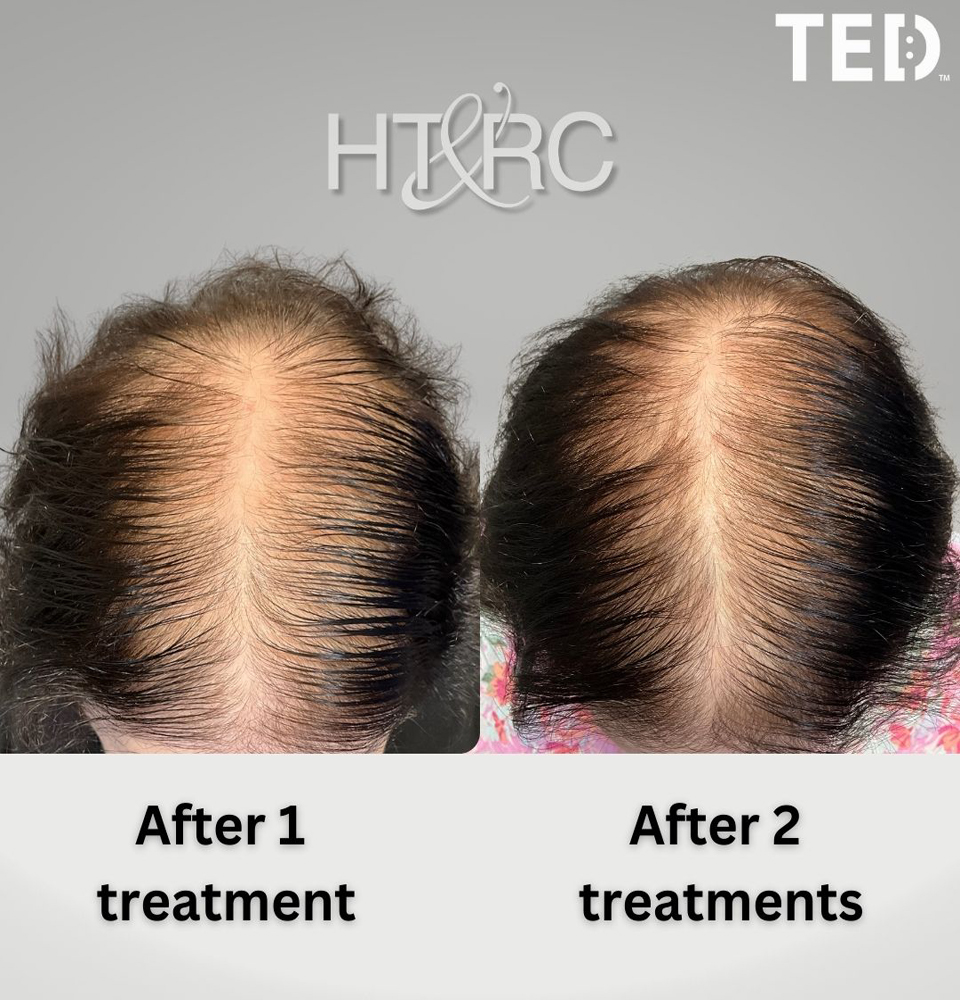
Pattern Hair Loss affects both men and women. It is often hereditary and can worsen with weight loss. This type involves thinning hair around the crown or hairline. Unlike Telogen Effluvium, pattern hair loss is usually permanent. Treatments may include medications or hair restoration procedures.
Credit: www.baumanmedical.com
Preventive Measures
Losing weight rapidly might lead to hair loss due to nutritional deficiencies. Balance your diet to include essential vitamins and minerals. Maintain a steady weight loss pace to support hair health.
Losing weight can sometimes lead to unexpected changes. One such change is hair loss. While shedding pounds can improve overall health, it can also stress the body. This stress might affect hair health. Fortunately, there are ways to prevent hair loss during weight loss. Focusing on nutrition and stress management can help maintain healthy hair.Balanced Diet Importance
A balanced diet supports overall well-being. It also plays a key role in hair health. Nutrients like protein, iron, and vitamins are crucial. They help in maintaining strong and healthy hair. Protein-rich foods include eggs, fish, and beans. These foods support hair growth. Iron can be found in spinach and red meat. Iron helps in carrying oxygen to hair follicles. Vitamins like A, C, and E are also vital. These vitamins promote scalp health and hair strength. A diverse diet ensures the body gets all necessary nutrients.Stress Management Techniques
Stress can lead to hair loss. Managing stress is important for maintaining hair health. Simple relaxation techniques can help reduce stress. Deep breathing exercises can calm the mind. Practicing mindfulness can also be beneficial. It helps in focusing on the present moment. Yoga is another effective stress reliever. It combines physical movement with breathing. Regular physical activity also reduces stress. Exercise releases endorphins that improve mood. Adequate sleep is crucial for stress management. Restful sleep allows the body to repair and rejuvenate.Seeking Professional Advice
Losing weight might lead to hair loss due to nutritional deficiencies. Consulting a professional can help identify causes. They can offer personalized advice to maintain both weight and hair health.
When losing weight, you might notice more strands of hair on your brush or in the shower drain. It’s unsettling and confusing, especially after putting so much effort into improving your health. But don’t worry, you’re not alone. Many people experience hair loss during their weight loss journey. It’s crucial to seek professional advice when this happens. A doctor or a hair specialist can provide guidance tailored to your situation. They can help you understand whether your hair loss is temporary or if there’s an underlying issue.When To Consult A Doctor
Consider visiting a doctor if you notice excessive hair loss that persists for more than a few weeks. It’s also wise to seek help if your hair thinning is paired with other symptoms like fatigue or sudden weight gain. A professional will conduct necessary tests to determine if nutritional deficiencies or hormonal imbalances are to blame. They can offer insights that might not be obvious.Available Treatments And Solutions
There are various treatments available to address weight loss-related hair loss. A doctor might recommend supplements, such as biotin or iron, to restore your hair’s health. You could also explore topical treatments like minoxidil, which has been known to stimulate hair growth. In some cases, simply adjusting your diet to include more protein and essential nutrients can make a significant difference. Have you considered if stress or dietary restrictions could be contributing factors? Taking action based on professional advice can make a world of difference. Why leave it to guesswork when expert guidance is available? Your hair is not just a part of your body—it’s a part of your identity. Seeking help is a step towards preserving that.
Credit: vegamour.com
Frequently Asked Questions
Will Hair Loss Due To Weight Loss Grow Back?
Hair loss from weight loss often grows back. Ensure a balanced diet with essential nutrients to support hair regrowth. Prioritize proteins, vitamins, and minerals. Consult a healthcare provider if hair loss persists. Manage stress and maintain a healthy lifestyle for optimal results.
What Vitamin Am I Lacking If My Hair Is Falling Out?
Hair loss may indicate a deficiency in vitamin D, iron, or B-vitamins like biotin. Consuming foods rich in these nutrients, such as fish, eggs, and leafy greens, can help. Consult a healthcare provider for personalized advice and supplements to address specific deficiencies effectively.
How Do I Stop My Hair From Falling Out When I Lose Weight?
Maintain a balanced diet rich in proteins, vitamins, and minerals. Stay hydrated and manage stress effectively. Avoid crash diets and incorporate healthy fats. Regularly exercise to promote blood circulation. Consult a healthcare professional if hair loss persists.
Can Losing 50 Pounds Cause Hair Loss?
Losing 50 pounds can lead to hair loss due to nutritional deficiencies or hormonal changes. Rapid weight loss often impacts hair health. Ensure balanced diet and proper nutrients to minimize risk. Consulting a healthcare professional can help manage hair loss during weight loss.
Conclusion
Understanding weight loss effects can help manage hair health. Losing weight may sometimes lead to hair loss. Balancing diet and nutrients is crucial. Healthy eating supports hair growth and overall wellness. Consult a health expert for personalized advice. Regular checkups ensure you meet nutritional needs.
Good lifestyle habits protect hair while losing weight. Awareness is key for maintaining hair strength. Stay informed and prioritize balanced nutrition. Remember, your health journey is unique. Keep learning and adjusting to support both weight and hair health.