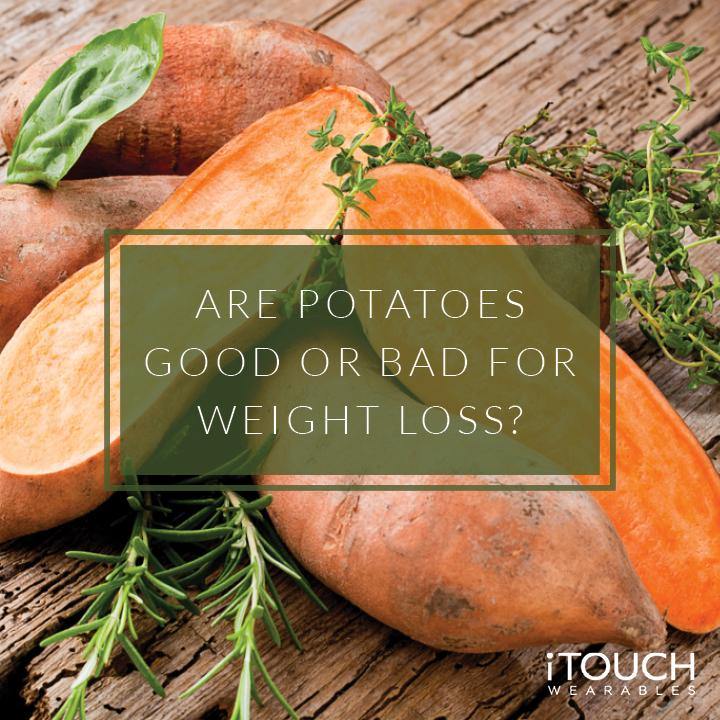
Are potatoes sabotaging your weight loss efforts? You’re not alone in wondering whether this humble vegetable is a friend or foe on your journey to a slimmer you.
With so much conflicting information out there, it can be tough to know if those delicious spuds are helping or hindering your goals. Imagine discovering the truth about potatoes and transforming your approach to weight loss. Could it be that your favorite side dish isn’t as bad as you think, or is it time to rethink your meal plans?
You’ll uncover the secrets of potatoes and their role in your diet, empowering you to make informed choices that could change the way you eat forever. Keep reading to find out how potatoes really fit into your weight loss story.

Credit: www.facebook.com
Nutritional Profile Of Potatoes
Potatoes offer vital nutrients like vitamin C, potassium, and fiber. Their reputation for weight gain isn’t entirely fair. Eating them in moderation and avoiding heavy toppings can make them a healthy part of a weight loss plan. Balance is key.
Nutritional Profile of Potatoes Potatoes often get a bad rap in weight loss discussions, but understanding their nutritional profile can offer a new perspective. These tubers are more than just a starchy side dish; they are packed with essential nutrients. Knowing what’s inside a potato can help you decide how it fits into your weight loss plan.Macronutrients In Potatoes
Potatoes are primarily composed of carbohydrates, which might make you cautious if you’re watching your carb intake. A medium-sized potato contains about 37 grams of carbohydrates. But unlike simple sugars, these carbs provide sustained energy. They also contain a surprising amount of protein for a vegetable, about 4 grams per medium potato. This can aid muscle repair and growth, especially if you pair it with other protein-rich foods. Fat content in potatoes is minimal, making them a low-fat food option. This means you can enjoy them without worrying about high-fat intake, provided you don’t add loads of butter or cheese.Vitamins And Minerals
Potatoes are rich in vitamin C, which can boost your immune system and improve skin health. One medium potato offers about 28% of your daily recommended intake. They are also a great source of potassium. This mineral helps regulate blood pressure and supports heart health. In fact, potatoes have more potassium than a banana. Other essential nutrients include vitamin B6, which is crucial for metabolism and brain health, and small amounts of iron and magnesium. These vitamins and minerals contribute to a balanced diet.So, are potatoes really bad for weight loss? Think about how you prepare them. Baking or boiling instead of frying can make a big difference. Potatoes can be part of a healthy diet if you enjoy them wisely. Consider adding herbs or spices for flavor instead of high-calorie toppings. What’s your go-to potato dish, and how do you make it healthier?
Credit: itouchwearables.com
Common Myths About Potatoes
Potatoes often get a bad reputation in weight loss conversations. Many people believe they are unhealthy and should be avoided. But is that really the case? Let’s explore some common myths about potatoes and see what the truth is.
Potatoes And Carbohydrates
Potatoes contain carbohydrates, which some people see as the enemy of weight loss. The truth is, not all carbohydrates are bad. The carbs in potatoes provide energy and are a vital part of a balanced diet. Eating them in moderation can fit into a healthy lifestyle.
Complex carbohydrates found in potatoes digest slowly. This helps keep you full longer. It prevents overeating and snacking on unhealthy options. The key is portion control, not elimination.
Potatoes And Glycemic Index
Potatoes have a glycemic index that varies depending on the type and cooking method. Some believe all potatoes spike blood sugar levels. This is not entirely accurate. Boiled or steamed potatoes have a lower glycemic index compared to fried ones.
Combining potatoes with proteins or healthy fats can lower their glycemic impact. This means you can enjoy potatoes without worrying about blood sugar spikes. Knowing the right way to cook and pair them makes a difference.
Understanding these myths can help you make informed choices. Potatoes can be part of a healthy diet when eaten wisely.
Potatoes In A Balanced Diet
Potatoes can fit well in a balanced diet. They are rich in nutrients, offering fiber and essential vitamins. Eating them in moderation can aid weight loss. Choose preparation methods wisely to avoid excess calories.
Potatoes often get a bad rap when it comes to weight loss. However, they can be part of a balanced diet if you know how to include them wisely. Yes, potatoes are starchy, but they are also rich in nutrients like vitamin C, potassium, and fiber. The key is in how you prepare them and how much you eat.Portion Control
Controlling your portions is crucial when adding potatoes to your diet. A small potato or half a medium one can be enough to satisfy your craving without overloading on carbs. Consider pairing your potatoes with a protein source and vegetables to create a balanced meal. Have you ever noticed how easy it is to eat a large serving of mashed potatoes without thinking? Next time, serve your potatoes in a smaller dish and savor each bite. This simple trick can help you enjoy potatoes without overdoing it.Healthy Cooking Methods
The way you cook your potatoes makes a big difference. Frying them can add unnecessary calories and unhealthy fats. Instead, try baking, boiling, or steaming your potatoes. Think about your last meal that included potatoes. Was it fried or baked? Baking your potatoes with a touch of olive oil and herbs can make them delicious and healthy. You can also try adding spices like paprika or turmeric for flavor without extra calories. This can make your potato dish exciting while keeping it diet-friendly. Including potatoes in your diet doesn’t have to derail your weight loss goals. By focusing on portion control and choosing healthy cooking methods, you can enjoy this versatile vegetable without guilt. Have you tried these tips before? What other ways do you incorporate potatoes into your meals while staying on track with your health goals?
Credit: timesofindia.indiatimes.com
Comparing Potatoes With Other Carbs
Potatoes offer fewer calories than rice or pasta, making them a decent option for weight management. Rich in nutrients, they provide essential vitamins, yet their high glycemic index may impact weight loss efforts. Balancing potato intake with other low-calorie foods could help maintain a healthy diet.
When trying to lose weight, you might find yourself wondering about the role of carbohydrates in your diet. Potatoes often get a bad reputation for being unhealthy, but how do they really stack up against other carbs like rice and pasta? Let’s dive into this comparison to see if potatoes deserve their place on your plate.Potatoes Vs. Rice
Many people turn to rice as a staple in their meals, but how does it compare to potatoes? Potatoes are packed with vitamins like vitamin C and potassium, which rice lacks. They also contain fiber, which helps you feel full longer and aids digestion. Rice, particularly white rice, is often stripped of nutrients and has a higher glycemic index than potatoes. This means rice can cause a quicker spike in blood sugar levels, potentially leading to increased hunger and weight gain. Have you noticed that after eating a plate of rice, you feel hungry sooner than expected?Potatoes Vs. Pasta
Pasta is a beloved comfort food but is often calorie-dense and made from refined flour. Potatoes, on the other hand, can be a lower-calorie option when prepared healthily, like baking or boiling. Pasta can also lack important nutrients found in potatoes. Have you ever tried swapping your pasta with potato slices in a casserole or a salad? You might find it surprisingly satisfying and less heavy. Potatoes have resistant starch, which can improve gut health and help with fat oxidation—something pasta doesn’t offer. If you’re trying to lose weight, wouldn’t it be worth experimenting with potatoes as a healthier alternative to pasta? Incorporating potatoes thoughtfully into your meals can be beneficial, especially when compared to other carbs like rice and pasta. With their nutrient density and versatility, potatoes might just be the sidekick your weight loss journey needs.Scientific Studies On Potatoes And Weight Loss
Potatoes often stir debates in weight loss discussions. Some believe they derail diet plans. Scientific studies have explored this topic. Do potatoes actually hinder weight loss? Let’s delve into research findings and expert opinions.
Research Findings
Studies show potatoes have a low energy density. This means you feel full with fewer calories. One research indicated that people who ate potatoes didn’t gain weight. Another study found potatoes have resistant starch. Resistant starch might improve metabolism. Some research suggests potatoes can aid weight management.
Expert Opinions
Nutritionists often discuss potatoes’ impact on diets. Many agree potatoes are not the enemy. Experts point out it’s the preparation method that matters. Fried potatoes add extra calories. Boiled or baked potatoes are healthier choices. Dieticians emphasize portion control. Eating potatoes in moderation can fit into a balanced diet.
Practical Tips For Including Potatoes
Potatoes often get a bad reputation in weight loss discussions. Yet, they can be a nutritious part of your diet. Potatoes are rich in vitamins, minerals, and fiber. They are versatile and easy to cook. Including potatoes in your meals can be both satisfying and healthy. It’s all about how you prepare and consume them. Let’s explore some practical tips for including potatoes in your weight loss journey.
Recipe Ideas
Try baking or boiling potatoes instead of frying them. This keeps them low in calories. Add herbs and spices for flavor instead of butter or cream. Make a simple potato salad with olive oil, lemon juice, and fresh greens. You can also create a hearty vegetable stew using potatoes as the base. These methods keep your meals healthy and flavorful.
Meal Planning
Plan your meals to include potatoes in a balanced way. Pair potatoes with lean proteins like chicken or fish. Add a variety of vegetables to your plate. This ensures you get essential nutrients. Consider portion sizes to avoid overconsumption. A small potato can be filling and keep you satisfied. Pre-plan your meals to incorporate potatoes without overeating.
Frequently Asked Questions
Can I Eat Potatoes And Still Lose Weight?
Yes, you can eat potatoes and still lose weight. Focus on portion control and choose healthier cooking methods like baking or boiling. Pair them with vegetables and lean proteins for a balanced meal. Potatoes are nutritious and can be part of a weight-loss diet when eaten in moderation.
Are Potatoes Bad For Belly Fat?
Potatoes aren’t inherently bad for belly fat. Overeating and poor preparation methods can contribute. Opt for boiled or baked potatoes. Avoid fried or heavily processed versions. Balanced portions and healthy preparation support weight management and overall health. Potatoes provide nutrients and fiber, beneficial in moderation.
Which Food To Avoid When Losing Weight?
Avoid sugary drinks, processed snacks, and fast food to lose weight effectively. Limit refined carbs like white bread and pasta. Choose whole grains instead. Minimize high-calorie desserts and fried foods. Focus on fresh fruits, vegetables, and lean proteins for a healthier diet.
Why Are Potatoes Considered Unhealthy?
Potatoes are often considered unhealthy because they are high in carbohydrates. Excessive consumption can lead to weight gain. Frying potatoes adds unhealthy fats, increasing calorie content. They can spike blood sugar levels due to their high glycemic index. Moderation and healthier cooking methods can mitigate these issues.
Conclusion
Potatoes can fit into a weight loss plan. They offer nutrients and energy. Portion control matters most. Choose baked or boiled instead of fried. Add veggies for balance. Watch toppings like butter and cheese. Opt for herbs or spices for flavor.
Listen to your body. Feel full without overdoing it. A balanced diet is key. Potatoes alone aren’t bad for weight loss. It’s about overall choices. Stay active, eat mindfully. Enjoy potatoes, but smartly. Make them part of a healthy lifestyle.
Remember, moderation is the secret.