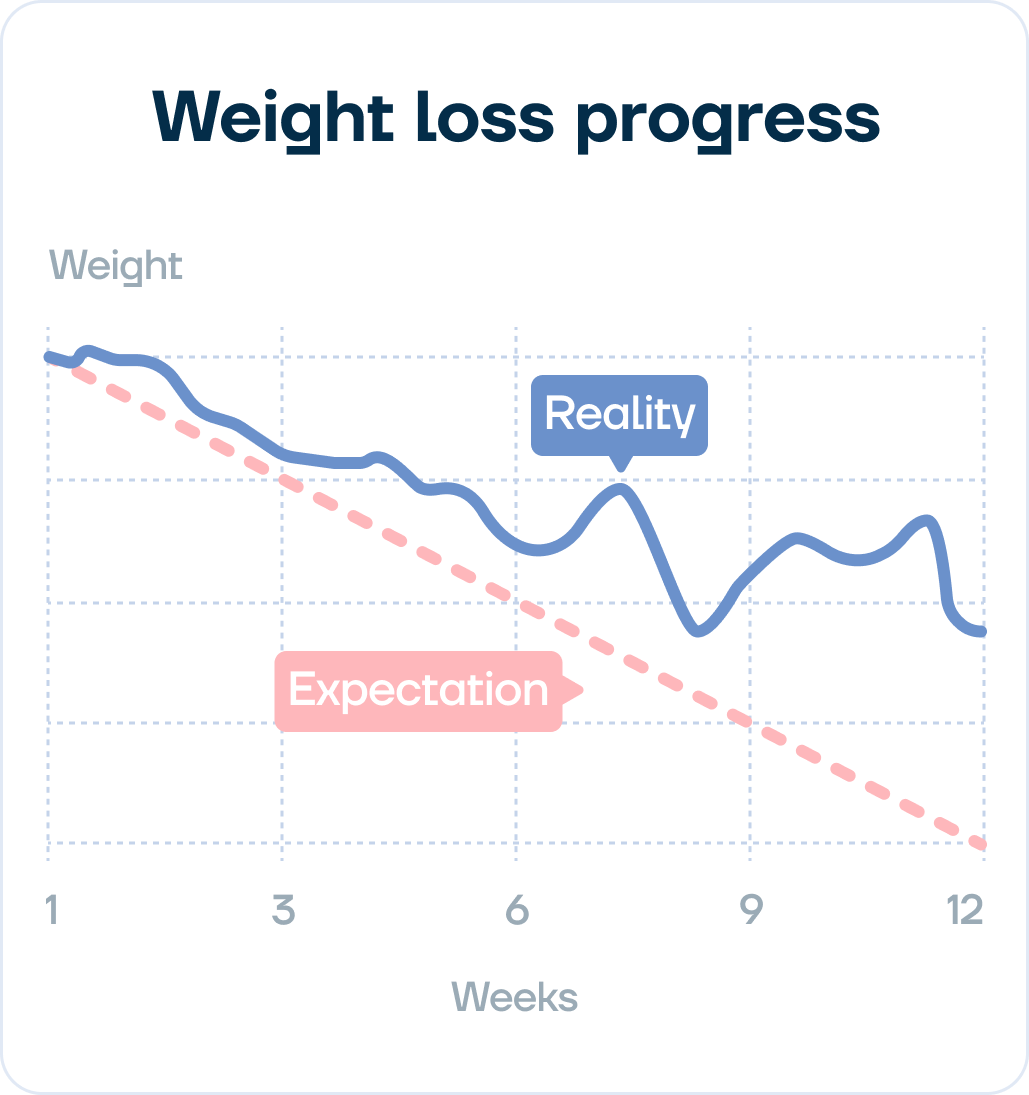
Are you feeling stuck on your weight loss journey? You’ve been working hard, eating right, exercising, and seeing the pounds drop off—until suddenly, nothing changes.
Your scale seems frozen, and your progress has come to a screeching halt. You’re facing the dreaded weight loss plateau. It’s frustrating, and maybe even discouraging, but understanding how long this phase can last might be the key to overcoming it.
You’re not alone; everyone hits a plateau at some point. The real question is: how long will yours last? By exploring the typical duration of a weight loss plateau, you’ll gain insights and strategies to push through this challenging phase. Ready to uncover the secrets and get back on track? Keep reading to find out how to conquer your plateau and continue your journey towards your goals.

Credit: www.secondnature.io
Understanding Weight Loss Plateau
Weight loss plateaus can last weeks or months. Bodies adjust to new routines, slowing progress. Changing diet and exercise might help.
Understanding a weight loss plateau can be a frustrating yet crucial step in your journey to better health. You’ve been diligently following your diet and exercise routine, yet the scale refuses to budge. This pause in progress might feel like a setback, but understanding it can empower you to push through with renewed determination.What Is A Weight Loss Plateau?
A weight loss plateau occurs when your body adapts to your new lifestyle and stops shedding pounds. Initially, you might have experienced rapid weight loss due to water weight and glycogen depletion. However, as your body finds balance, weight loss can slow or halt completely.Why Do Weight Loss Plateaus Happen?
Several factors can contribute to a plateau. Your metabolism may have adjusted to your lower calorie intake, making it more efficient at maintaining your current weight. Additionally, as you lose weight, your body requires fewer calories to function, creating a new balance point.Are Plateaus Normal?
Yes, plateaus are a normal part of the weight loss process. Almost everyone faces them at some point. Instead of seeing it as a failure, consider it an opportunity to reassess your goals and strategies.How Can You Break Through A Plateau?
To overcome a plateau, you might need to change your routine. Try increasing your physical activity or modifying your diet to create a new calorie deficit. Sometimes, even small adjustments can reignite your progress.Should You Be Worried About A Plateau?
While plateaus can be discouraging, they are usually temporary. It’s essential to remain patient and persistent. Ask yourself if your current habits are sustainable long-term and consider seeking guidance from a nutritionist or fitness expert for tailored advice.Does Stress Affect Plateaus?
Stress can indeed impact your weight loss journey. It can lead to emotional eating and disrupt your sleep, both of which can contribute to a plateau. Managing stress through mindfulness, exercise, or hobbies can help maintain your progress. Remember, overcoming a plateau requires patience and a willingness to adapt. Keep your focus on your overall health and well-being, rather than just the numbers on the scale. How will you adjust your approach to move past this stage?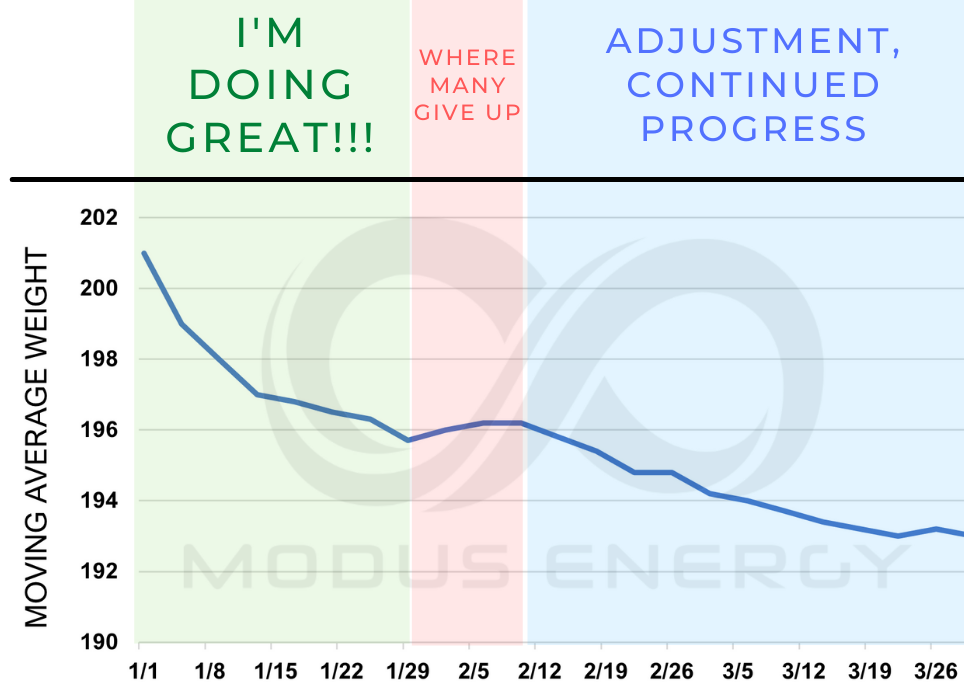
Credit: www.modus-energy.com
Common Causes Of Plateaus
Weight loss plateaus can frustrate many on a weight loss journey. Understanding why they happen can help overcome them. Several factors can contribute to these stalls.
Diet, exercise, and metabolism all play roles in causing plateaus. Let’s explore these factors in detail.
Dietary Factors
Eating too few calories can slow metabolism. Your body might think it’s starving. This makes weight loss harder.
Sometimes, hidden calories sneak into meals. These can come from sauces or snacks. They add up quickly and hinder progress.
Consuming the same foods daily can lead to nutrient gaps. A varied diet helps ensure balanced nutrition.
Exercise Habits
Repeating the same workouts can cause adaptation. Muscles get used to the routine. This results in fewer calories burned.
Not enough rest can also impact progress. Recovery is crucial for muscle repair and growth.
Over-exercising might lead to burnout. This can decrease motivation and consistency.
Metabolic Changes
As you lose weight, your metabolism adjusts. It becomes more efficient, burning fewer calories.
Hormonal changes can also affect weight loss. Stress hormones, like cortisol, might increase fat storage.
Aging naturally slows metabolism. This requires adjustments in diet and exercise routines.
Duration Of Weight Loss Plateaus
Weight loss plateaus can be frustrating for anyone on a fitness journey. They occur when progress stalls, despite maintaining a healthy routine. Understanding how long these plateaus last can help set realistic expectations. This knowledge can also guide adjustments in your weight loss strategy.
Typical Timeframes
A weight loss plateau generally lasts between two to six weeks. During this period, the body adapts to new routines. Metabolic rates may slow, affecting weight loss progress. This timeframe varies with each person’s unique circumstances.
Individual Variations
Each person’s body reacts differently to diet and exercise changes. Some might experience shorter plateaus, while others face longer ones. Factors like age, activity level, and metabolism play a role. Understanding these differences is crucial for setting personal goals.
Expert Opinions On Breaking Plateaus
Weight loss plateaus are a common hurdle in any fitness journey. You might be wondering how long they last and if there’s a secret to breaking them. Experts say that although a plateau can be frustrating, there are effective strategies to overcome it. By making targeted dietary adjustments, modifying your exercise routine, and embracing lifestyle changes, you can reignite your weight loss progress.
Dietary Adjustments
Nutrition experts often suggest tweaking your diet to break a plateau. You could start by reducing your calorie intake slightly, but be mindful not to go too low. Sometimes, adding more protein can help boost your metabolism. Try incorporating lean meats, eggs, or plant-based proteins. Have you considered mixing up your meal times? Eating at different intervals can sometimes trick your body into shedding those extra pounds.
Exercise Modifications
Sticking to the same workout routine can lead to stagnation. Fitness coaches recommend varying your exercises to challenge your body in new ways. If you’re used to cardio, add strength training to build muscle and burn more calories. Or, if you’ve been lifting weights, throw in some high-intensity interval training (HIIT). Small changes like increasing workout intensity or duration can also make a big difference. What new activity have you always wanted to try?
Lifestyle Changes
Your everyday habits could be silently affecting your weight loss journey. Sleep quality is often overlooked but crucial for metabolism. Aim for seven to nine hours of restful sleep each night. Stress can also be a sneaky saboteur. Practices like meditation or yoga can help keep stress levels in check. Have you ever thought about how your daily routine impacts your progress? Even subtle changes, like walking more or taking the stairs, can keep your weight loss on track.
Facing a plateau doesn’t mean defeat; it’s an opportunity to reassess and adapt your approach. By making small, informed adjustments, you can successfully break through and continue towards your weight loss goals. Remember, every step you take is progress, and every change you make is a step closer to success.
Psychological Aspects
Weight loss plateaus can be frustrating, especially when you’re putting in the effort and not seeing results. While many focus on physical strategies to overcome these plateaus, the psychological aspects are often overlooked. Your mindset and motivation play crucial roles in breaking through these stagnant phases.
Motivation Challenges
It’s common to feel demotivated when progress stalls. You might question your efforts or feel like giving up. Have you ever thought about why this happens? Recognizing these feelings is the first step. You need to acknowledge that temporary setbacks are a normal part of the journey.
Consider setting smaller, achievable goals. This can create a sense of accomplishment that drives motivation. Reflect on past successes and remind yourself of how far you’ve come. These tactics can help keep your spirits high and your motivation intact.
Mindset Shifts
How do you view your weight loss journey? Your mindset can be a powerful tool. Instead of focusing solely on the end goal, try shifting your perspective. View plateaus as opportunities to learn and adapt. They can teach you patience and resilience.
Embrace the process rather than the result. Think about what new habits or routines you can develop during this time. This might be the perfect moment to try new exercises or meal plans. Are you willing to shift your mindset and see plateaus as a part of the growth process?
By addressing these psychological aspects, you can empower yourself to move past weight loss plateaus. Remember, the journey is personal. It’s about finding what works for you and maintaining a positive outlook.
Strategies To Overcome Plateaus
Hitting a weight loss plateau can be frustrating. Progress seems to stop. Fortunately, there are strategies to get back on track. Making small adjustments and tracking changes can make a big difference. Let’s explore some effective methods to overcome weight loss plateaus.
Implementing Small Changes
Sometimes, minor changes lead to major results. Try adjusting your workout routine. Add a new exercise or increase intensity. This challenges your body in new ways. Consider changing your diet slightly. Swap high-calorie snacks for healthier options. Even small calorie cuts can help. Drink more water. Staying hydrated boosts metabolism and aids digestion.
Tracking Progress
Keep an eye on your progress. Regular tracking offers valuable insights. Use a journal or an app to log meals and workouts. Review your entries weekly. Identify patterns or areas needing improvement. Measure your body, not just weight. Inches lost often show progress when the scale doesn’t. Take photos. Visual progress can motivate and confirm changes.
Long-term Weight Management
Weight loss plateaus can last for weeks. During this period, the body adjusts to new routines and weight. Patience is crucial, as persistence often helps break the plateau.
Long-term weight management can feel like a daunting journey. It’s a path filled with ups and downs, and sometimes, unexpected plateaus. Understanding how to navigate these plateaus is key to sustainable success.Sustainable Habits
Building sustainable habits is crucial for lasting weight management. Think about the small changes you can maintain daily. Maybe it’s choosing stairs over the elevator or swapping sugary drinks for water. Consistency in these small actions helps maintain progress. It’s not just about drastic diets or workout routines. It’s about integrating healthy choices into your everyday life. Celebrating small victories boosts motivation. If you skip dessert one night or walk an extra mile, acknowledge it. These small wins contribute to your long-term success.Avoiding Future Plateaus
How can you prevent future weight loss plateaus? One effective strategy is regularly reviewing your habits. Are your workouts still challenging? Is your diet balanced? Also, be adaptable. Your body may adjust to routines over time. If you notice a plateau, tweak your routine. A slight change in your workout intensity or diet can make a significant difference. Consider tracking your progress. This could be through journaling or using a fitness app. Tracking helps you spot patterns and adjust before a plateau hits. Ask yourself, are you ready to embrace change to avoid stagnation? Your willingness to adapt and evolve will determine your success in avoiding future plateaus.
Credit: kaynutrition.com
Frequently Asked Questions
How Long Does It Take To Break A Weight Loss Plateau?
Breaking a weight loss plateau can take a few weeks to months. Adjust diet, increase exercise intensity, or try new activities for better results. Consistency and patience are key. Consult a nutritionist or fitness expert for personalized advice. Stay motivated and track your progress regularly.
How Do I Break Out Of A Weight Loss Plateau?
Boost your exercise routine by increasing intensity or duration. Adjust your diet for fewer calories. Stay hydrated and get adequate sleep. Monitor your progress and make necessary changes. Consider consulting a nutritionist or personal trainer for personalized advice.
How Do You Know If Your Weight Loss Has Plateaued?
Weight loss may have plateaued if you see no change on the scale for several weeks. Ensure no muscle gain, consistent diet, and exercise.
Will A Cheat Day Break My Plateau?
A cheat day might help break a plateau by boosting metabolism and resetting hormones. Eating more calories temporarily can stimulate fat burning. Stay mindful of your portions and return to your routine afterward. Remember, consistency is key for long-term success in weight loss or fitness goals.
Conclusion
A weight loss plateau can feel frustrating. But it’s a normal part of the journey. Patience is key. Stay consistent with your routine. Keep your focus on healthy habits. Sometimes, small changes can help. Try new exercises or adjust your diet.
Listen to your body’s signals. Consider speaking with a health professional for guidance. Remember, progress takes time. Celebrate small victories along the way. Don’t let temporary setbacks discourage you. Consistency and dedication will eventually lead to results. Stay positive. Your journey is unique.
Embrace it.