Have you ever wondered if cycling could be your secret weapon for building muscle mass? You’re not alone.
Many people hit the bike path or hop on their stationary bikes, hoping to achieve more than just a healthy heart and slimmer waistline. But can cycling really help you bulk up those muscles? The idea might surprise you, and it’s exactly what we’re about to explore.
Imagine transforming your cycling routine into a powerhouse muscle-building workout. It sounds intriguing, right? The truth is, cycling does more than just burn calories. With the right approach, you can turn your bike rides into a dynamic strength-building session. If you’re ready to discover how cycling can be a game-changer in your fitness journey, keep reading. This article will unveil the secrets behind cycling and muscle growth, and show you how to maximize your results.
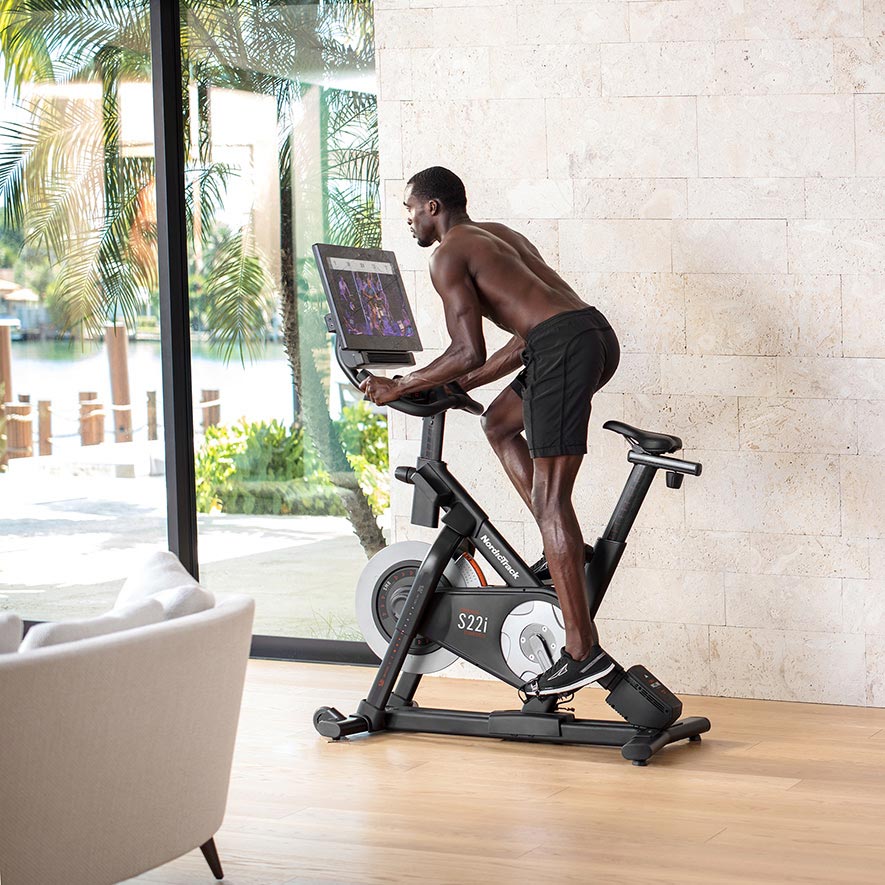
Credit: www.nordictrack.co.uk
Benefits Of Cycling For Muscle Growth
Cycling enhances muscle growth, especially in the legs. It builds strength in calves, hamstrings, and quadriceps. Regular cycling also tones the glutes, providing a solid lower body workout.
Cycling is more than just a way to enjoy the great outdoors; it’s a powerful tool for muscle growth. You might not immediately associate cycling with building muscle, but there are several benefits that could surprise you. Whether you’re a seasoned cyclist or just starting out, understanding how cycling can help you build muscle can transform your fitness journey.Improved Leg Strength
Cycling primarily targets the muscles in your legs, specifically your quadriceps, hamstrings, calves, and glutes. Each pedal stroke is like a mini weightlifting session. As you cycle regularly, you’ll notice your legs becoming stronger and more toned. Think about the last time you took a steep hill on your bike. The burn in your legs is a clear sign of muscle engagement. This consistent resistance training strengthens your leg muscles over time.Enhanced Core Stability
Did you know cycling requires a strong core? Balancing on a bike and maintaining proper posture engages your abdominal muscles. As you cycle more, your core becomes stronger, supporting your spine and improving overall stability. Have you ever tried cycling after a long break? You may have felt soreness in your abs the next day. This is proof that cycling actively works your core, contributing to muscle growth in this area.Increased Endurance
Cycling helps build endurance, which is crucial for muscle growth. As your endurance improves, you’re able to cycle longer distances without fatigue. This sustained effort gradually builds muscle mass. If you’ve ever pushed through a challenging ride, you know the feeling of accomplishment. Each ride increases your ability to endure, and with it, your muscle development.Boosted Cardiovascular Fitness
A strong heart is key to muscle growth. Cycling boosts your cardiovascular health, ensuring that your muscles receive the necessary oxygen and nutrients to grow. Think about the rush of energy you get after a good ride. It’s your heart working efficiently, supporting your muscles and enhancing their growth potential.Time-efficient Workout
Cycling allows you to exercise multiple muscle groups simultaneously, making it a time-efficient workout. You engage your legs, core, and even your arms in one session. Have you ever compared cycling to other exercises? While running or lifting weights targets specific muscles, cycling gives you a full-body workout in less time, promoting balanced muscle growth.Social Motivation
Cycling can be a social activity, providing motivation and accountability. Riding with friends or joining a cycling group encourages you to push harder and stay committed to your fitness goals. Remember the last time you cycled with friends? The shared experience keeps you motivated, helping you stick to your routine and achieve your muscle growth goals faster. Are you ready to experience the muscle-building benefits of cycling? Grab your bike, hit the road, and pedal your way to stronger muscles.Muscles Targeted During Cycling
Cycling is more than a cardio workout. It targets several muscle groups. As you pedal, different muscles engage and develop over time. Understanding which muscles are involved helps improve your technique and results. Let’s explore the specific muscle groups activated during cycling.
Lower Body Muscles
Cycling primarily works the lower body. The quadriceps in the front of your thighs power your pedal strokes. Hamstrings at the back of your thighs help lift the pedals. Glutes, the muscles in your buttocks, provide extra power on hills. Calves also engage, especially when standing while pedaling. Each ride strengthens these muscles, improving endurance and strength.
Core Muscles
Your core stabilizes your body during cycling. Abdominals and obliques maintain balance and posture. A strong core reduces fatigue, making long rides easier. Cycling doesn’t directly target these muscles. Yet, they play a crucial role in performance. Engage your core for a more effective workout.
Upper Body Engagement
While cycling focuses on the lower body, the upper body isn’t idle. Hands, wrists, and shoulders support your weight on the handlebars. Biceps and triceps work, especially during climbs. The upper back and shoulders help maintain posture. Regular cycling can tone and strengthen these areas over time.
Cycling Vs. Weight Training
Cycling and weight training are popular ways to improve fitness. Both activities offer different benefits for the body. Many people wonder if cycling can build muscle like weight training does. Understanding the differences can help you choose the right exercise for your goals.
Muscle Hypertrophy
Muscle hypertrophy refers to the growth of muscle size. Weight training is known for increasing muscle mass. Lifting weights causes muscle fibers to break down and rebuild stronger. This process requires resistance and repetition. Cycling primarily targets the lower body muscles. It can lead to muscle growth, but not as significant as weight training. Pedaling offers resistance but lacks the intensity of lifting weights. Cyclists may notice toned legs rather than large muscles.
Endurance Vs. Strength
Cycling is an excellent workout for building endurance. It trains the heart and lungs to work efficiently over time. Endurance exercises focus on maintaining activity for long periods. This builds stamina and improves cardiovascular health. Weight training, on the other hand, focuses on building strength. It involves short bursts of intense activity. Lifting weights increases muscle power and overall strength. Cyclists develop strong legs but not the same strength as weight lifters.

Credit: www.bicycling.com
Influence Of Cycling Intensity
Cycling is a fantastic way to boost your fitness, but how does the intensity of your cycling affect muscle growth? The influence of cycling intensity can make a significant difference in your results. Whether you’re pedaling hard in a high-intensity session or cruising through a low-intensity ride, each has unique benefits for muscle mass.
High-intensity Cycling
High-intensity cycling, such as sprinting or interval training, challenges your muscles. This type of cycling engages fast-twitch muscle fibers, which are crucial for building muscle mass. Short bursts of energy can lead to more muscle growth over time.
Imagine racing up a steep hill; your quads and calves are working overtime. You’re not just burning calories; you’re strengthening your muscles. High-intensity cycling can also improve your cardiovascular health, making your heart stronger.
Think about your goals. Are you looking to build muscle quickly? High-intensity cycling might be your ticket. It pushes your limits and can lead to visible muscle gains. Consider adding it to your routine if you want to see those muscles grow.
Low-intensity Cycling
Low-intensity cycling, on the other hand, offers a different kind of benefit. It primarily targets endurance and helps in maintaining muscle mass rather than building it. This type of cycling is perfect for longer rides where you keep a steady pace.
Picture a leisurely ride through the countryside. Your muscles are engaged, but they aren’t being pushed to their limits. You’re building stamina and improving muscle tone, which is essential for overall fitness.
Low-intensity cycling is ideal for those who want a sustainable approach to fitness. It keeps your muscles active without overwhelming them. Are you more interested in endurance than bulk? Low-intensity rides can be a rewarding addition to your routine.
Ultimately, the intensity of your cycling should align with your fitness goals. Are you ready to challenge yourself with high-intensity bursts? Or is a steady ride more your style? Whatever you choose, remember that consistency is key. How do you plan to incorporate cycling into your muscle-building journey?
Nutrition And Recovery
Cycling enhances endurance and cardiovascular health, yet it can also contribute to muscle building. The repetitive pedaling motion primarily targets the legs, promoting muscle growth in the calves, hamstrings, and quadriceps. With adequate nutrition and recovery, cyclists can see increased muscle mass over time.
Cycling is a fantastic way to boost your fitness levels, but have you ever wondered if it can actually help build muscle mass? While pedaling away, your body is doing more than just burning calories. Nutrition and recovery play a crucial role in muscle development for cyclists. How you fuel your body and allow it to recover can significantly impact your muscle-building journey.Protein Intake
Protein is essential for muscle growth and repair. As a cyclist, you need to ensure you’re consuming enough protein to support your muscles. Consider adding lean meats, eggs, and beans to your meals. These foods are rich in protein and can help your muscles recover after intense rides. A personal tip I discovered is having a protein shake post-ride. It’s a quick and easy way to replenish your muscles. Have you tried it yet? Many cyclists find it effective for muscle recovery.Rest And Muscle Repair
Rest is as important as your cycling routine. Your muscles need time to repair after being pushed during a ride. Make sure you’re getting enough sleep, as it aids in muscle recovery. Have you ever felt the difference after a good night’s sleep? Your muscles often feel less sore and more ready for the next challenge. Consider incorporating rest days into your schedule to allow your body to heal and grow. Recovery isn’t just about taking a break. It’s about actively preparing for your next ride. Stretching and hydrating can enhance your recovery process. How do you prioritize recovery in your training plan? Remember, a well-rested body is more efficient at building muscle. By balancing proper nutrition and adequate recovery, you can optimize your cycling routine to not only boost endurance but also contribute to muscle growth.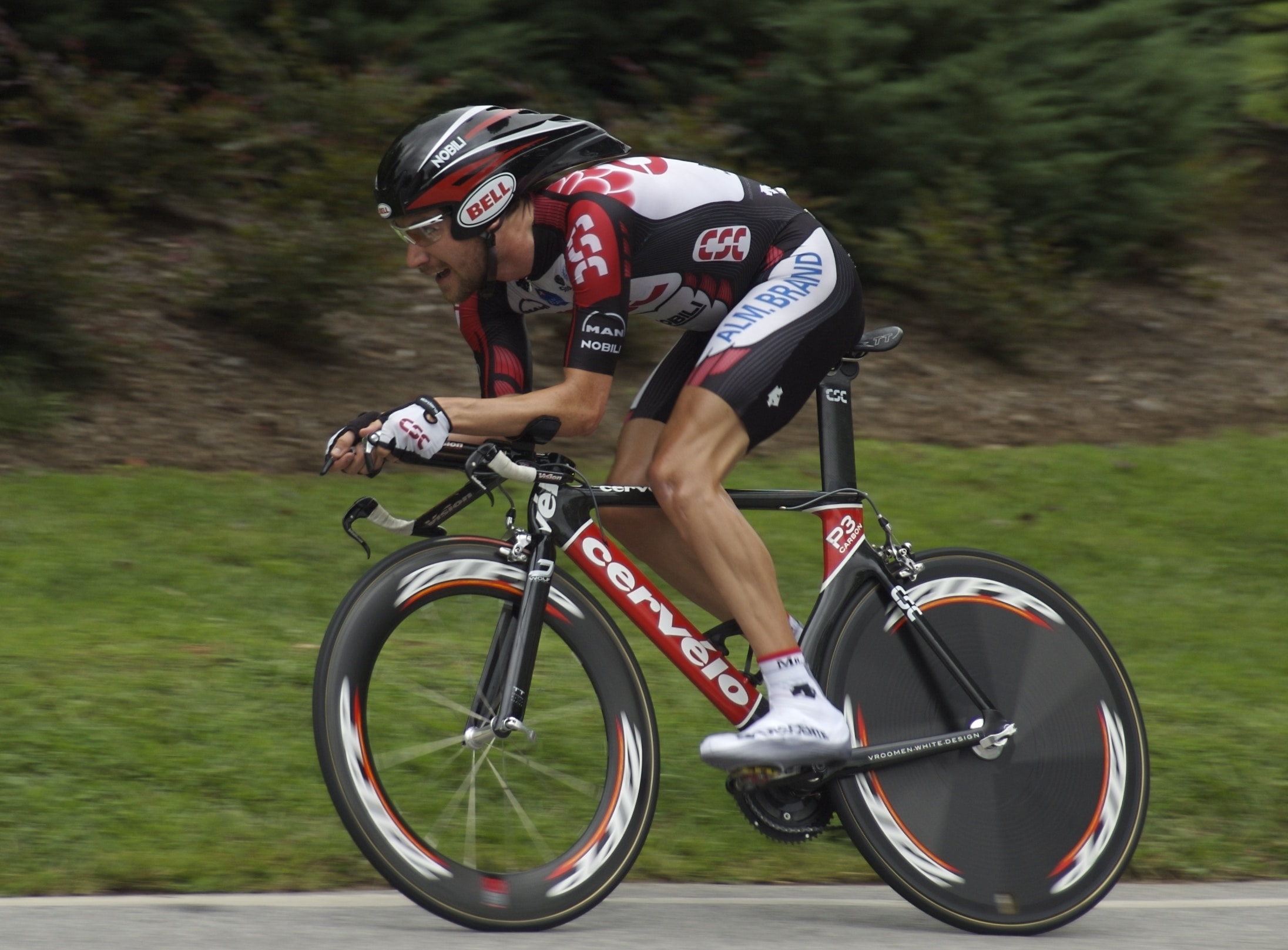
Credit: billbonebikelaw.com
Incorporating Cycling Into Fitness Routine
Cycling can enhance muscle tone, especially in legs and glutes. This low-impact activity boosts endurance and strength. Regular cycling can contribute to muscle growth, helping to build muscle mass gradually.
Incorporating cycling into your fitness routine can enhance your overall well-being. It’s a low-impact exercise that strengthens your lower body. Cycling also improves cardiovascular health and endurance. Many people wonder if cycling can build muscle mass. The answer is yes. It can help tone and build muscle, especially in the legs. To maximize benefits, combine cycling with a balanced fitness routine. This approach ensures you gain strength and endurance. Below, we’ll explore how to balance cardio and strength. Plus, we’ll provide sample cycling workouts to try.Balancing Cardio And Strength
Cycling is primarily a cardio workout. It increases heart rate and burns calories. For muscle growth, incorporate strength training. This combination helps build muscle and improve endurance. Aim for two to three strength sessions weekly. Include exercises like squats and lunges. These target the same muscles used in cycling. Don’t forget to rest. Recovery allows muscles to heal and grow.Sample Cycling Workouts
Mix different cycling workouts to keep it interesting. Try interval cycling. It alternates between high and low intensity. Start with five minutes of warm-up at a steady pace. Then, cycle hard for one minute. Follow with two minutes of slow cycling. Repeat this for 20 minutes. For a steady-state workout, cycle at a moderate pace. Maintain this speed for 30 to 45 minutes. End with a cool-down for five minutes. Another option is hill cycling. It builds strength by cycling uphill. Use a stationary bike with increased resistance. Or find a local hill to ride. Start with short bursts and increase over time. These workouts help build muscle and enhance fitness.Common Myths About Cycling And Muscle
Many believe cycling doesn’t build muscle mass. Yet, it tones and strengthens muscles, especially in legs and core. While not as intense as weightlifting, regular cycling promotes muscle endurance and definition.
Cycling is a fantastic way to get fit and enjoy the great outdoors. Yet, when it comes to building muscle, many myths surround this popular activity. Some believe cycling only improves cardiovascular health, leaving muscle building to other sports. But is that really the case? Let’s debunk some common myths about cycling and muscle growth.Myth 1: Cycling Only Builds Leg Muscles
Cycling is often associated with strong legs, but it doesn’t stop there. While your quads, hamstrings, and calves certainly get a workout, cycling also engages your core. Your abdomen and lower back work to stabilize your body, providing a full-body workout. Next time you’re pedaling, pay attention to your posture and feel the burn in your core muscles.Myth 2: You Need To Lift Weights To Build Muscle
Weightlifting is a great way to build muscle, but it’s not the only way. Cycling can effectively increase muscle mass. The resistance from pedaling and climbing hills challenges your muscles. Consistent cycling can lead to muscle development over time. Try varying your routes to include inclines for added resistance training.Myth 3: Cycling Makes You Lose Muscle Mass
Some fear that cycling can lead to muscle loss due to its aerobic nature. However, this isn’t necessarily true. Cycling can help maintain and even build muscle when combined with a balanced diet. Ensure you’re getting enough protein to support muscle repair and growth. Remember, balance is key.Myth 4: Only High-intensity Cycling Builds Muscle
While high-intensity cycling can boost muscle gains, it’s not the only path. Even moderate cycling strengthens muscles, especially if done regularly. Incorporate interval training to maximize muscle engagement and growth. What matters most is consistency and gradually increasing intensity. Have you ever noticed how toned cyclists look? It’s not just from high-intensity rides. Regular cycling, combined with varying terrains, can achieve similar results. Think about your current cycling routine. Are there ways you can tweak it to challenge your muscles more? Breaking these myths can enhance your cycling experience and muscle growth. Cycling is more than a cardio workout; it can be a robust part of your fitness journey. How will you adjust your rides to make the most out of your cycling workout?Frequently Asked Questions
How Long Should I Cycle To Build Muscle?
Cycle 30-60 minutes, 3-5 times a week for muscle building. Combine with strength training for best results. Adjust intensity and duration based on fitness level. Consistency and proper nutrition are key for effective muscle growth.
What Builds Bigger Legs, Running Or Cycling?
Cycling generally builds bigger legs compared to running. It targets quadriceps, hamstrings, and calves effectively. Running enhances endurance and lean muscle but offers less hypertrophy. Regular cycling sessions focus on leg strength and muscle growth, making it preferable for larger leg development.
Mix both for balanced fitness and muscle tone.
Which Muscles Get Toned By Cycling?
Cycling tones the quadriceps, hamstrings, calves, and glutes. It also strengthens the core and lower back muscles. Regular cycling enhances muscle endurance and promotes overall leg strength, providing a balanced workout for the lower body.
What Body Shape Does Cycling Give You?
Cycling helps develop a lean, toned physique, especially in the lower body. It strengthens calves, thighs, and glutes. Regular cycling enhances cardiovascular health, leading to improved muscle definition. Consistent practice can contribute to a more balanced, athletic body shape.
Conclusion
Cycling offers a balanced way to build muscle. It strengthens your legs, especially thighs and calves. Regular rides improve endurance and tone. For more muscle mass, combine cycling with strength training. This boosts overall fitness and results. Remember, diet plays a crucial role.
Protein-rich foods help repair and grow muscles. Cycling won’t bulk you up like weightlifting. But it keeps you fit, active, and healthy. Enjoy the benefits of cycling. Feel the change in your muscles. Keep pedaling towards better health and stronger legs.
It’s a journey worth taking.