Are you ready to transform your workout routine and achieve the fitness level of a professional athlete? Training like an athlete might seem like a daunting challenge, but it can be an exciting and rewarding experience that takes your gym sessions to the next level.
Imagine walking into the gym with the confidence and determination of a top performer, knowing that each exercise is pushing you closer to your peak potential. This isn’t just about lifting more weights or running faster; it’s about adopting a mindset and strategy that fuels your body and sharpens your focus.
In this guide, you’ll discover the secrets to training like an athlete, with practical tips that you can start using today. Whether you’re looking to boost your strength, improve your agility, or simply want to feel fitter and healthier, this approach can help you achieve your goals. Ready to unlock the athlete within you? Let’s dive in and explore how you can start training smarter and harder, and see real results in your fitness journey.

Credit: www.youtube.com
Setting Clear Goals
Athletes focus on clear goals to excel in training. Setting specific targets helps track progress and stay motivated. Aim for achievable and measurable objectives to enhance gym workouts effectively.
Setting clear goals is crucial when you aim to train like an athlete in the gym. Without specific targets, your workouts can feel aimless and lack direction. When you establish clear objectives, you give your training purpose, and the progress becomes more measurable.Define What You Want To Achieve
Start by asking yourself what you truly want from your gym sessions. Is it increased strength, enhanced endurance, or improved flexibility? Knowing this will shape your training plan. Think about where you see yourself in three months. Picture the version of you that achieves those goals. Every workout should be a step closer to that vision.Make Your Goals Specific And Measurable
Vague goals won’t get you far. Instead of saying, “I want to be stronger,” aim for, “I want to increase my bench press by 20 pounds.” This specificity makes your progress trackable. Use a journal or app to note down your starting point and milestones. Seeing your improvements will fuel your motivation and keep you accountable.Set Realistic And Achievable Targets
Be ambitious, but also realistic. Setting a goal to run a marathon next month if you’ve never run a mile is setting yourself up for frustration. Break larger goals into smaller, achievable steps. This approach not only keeps you motivated but also ensures steady progress.Time Your Goals Wisely
Every goal needs a timeframe. Decide when you want to achieve each milestone. This urgency keeps you focused and prevents procrastination. Consider how often you can realistically train each week. Align your timeline with your availability to avoid setting yourself up for disappointment.Adjust And Reflect Regularly
Your goals aren’t set in stone. Reflect on your progress regularly and adjust if necessary. Sometimes life throws curveballs, and flexibility is key. Celebrate small wins along the way. These victories boost your confidence and remind you that you’re moving in the right direction. — Setting clear goals is the foundation of effective training. Are you ready to take your gym sessions to the next level? Start today, and watch your athletic journey unfold.Building A Balanced Routine
Training like an athlete requires a balanced gym routine. This approach targets strength, endurance, and flexibility. A well-rounded plan enhances performance and reduces injury risks.
Strength Training Essentials
Strength training builds muscle and boosts power. Use weights to challenge your muscles. Focus on compound exercises like squats and deadlifts. These moves work multiple muscle groups. Keep your form correct to prevent injury.
Plan workouts around major muscle groups. Dedicate specific days to different areas. For example, arms on Monday, legs on Wednesday. Allow muscles time to recover. Rest days are crucial for growth.
Cardio For Endurance
Cardio increases heart health and endurance. Include activities like running or cycling. These exercises improve stamina and aid recovery. Start with short sessions and gradually increase time.
Mix high-intensity intervals with steady-paced cardio. Short bursts boost performance. Longer sessions build endurance. Always warm up to prepare your body. Cooling down helps to relax muscles.
Flexibility And Mobility Work
Flexibility reduces muscle tightness. Stretching keeps joints healthy. Try yoga or Pilates for flexibility. These practices enhance movement and ease stiffness.
Mobility exercises improve range of motion. Include dynamic stretches in warm-ups. Focus on movements like lunges or arm circles. They increase blood flow and prepare muscles for workouts.
Nutrition And Hydration
Training like an athlete requires the right nutrition and hydration. Eating balanced meals fuels intense workouts, while staying hydrated boosts performance. Aim for a mix of proteins, carbs, and fats, and drink water before, during, and after gym sessions.
Training like an athlete in the gym involves more than just lifting weights and running on a treadmill. Your nutrition and hydration play vital roles in how effectively your body performs and recovers. What you eat and drink can be the difference between reaching your goals or hitting a plateau. Are you fueling your body to perform at its best?Eating For Performance
To train effectively, you need to eat with purpose. Your meals should be balanced with carbohydrates, proteins, and fats. Carbohydrates are your primary energy source, so make sure they make up a good portion of your diet. Whole grains, fruits, and vegetables are excellent choices. Protein is essential for muscle repair and growth. Include lean meats, fish, eggs, and plant-based options like beans and lentils. Fats shouldn’t be feared. Healthy fats from nuts, seeds, and avocados support energy and cell function. Consider timing your meals. Eating a balanced meal 2-3 hours before your workout can provide the energy you need. A small snack 30 minutes prior can give you an extra boost.Importance Of Hydration
Hydration is often overlooked, yet it’s crucial for athletic performance. Water regulates your body temperature and lubricates your joints. It also helps transport nutrients to give you energy. You might wonder if you’re drinking enough. One way to check is by looking at the color of your urine; pale yellow means you’re well-hydrated. If you sweat a lot during workouts, you need to drink even more. Sports drinks can be helpful for replenishing lost electrolytes. Make it a habit to carry a water bottle wherever you go. Sip regularly throughout the day, not just during workouts. Ever tried drinking a glass of water first thing in the morning? It kickstarts your metabolism and hydrates you after a night’s rest. Are you ready to step up your nutrition and hydration game? Small changes can lead to big results in your athletic journey.
Credit: www.muscleandstrength.com
Recovery And Rest
Athletes prioritize recovery and rest to enhance their gym training. Muscles need time to heal and grow stronger after intense workouts. Proper sleep and balanced nutrition support this healing process, ensuring peak performance and reducing injury risk.
Training like an athlete isn’t only about pushing your limits in the gym. It’s equally about knowing when to pull back, let your body heal, and recharge. Recovery and rest are crucial for building strength, enhancing performance, and preventing injuries. If you’re serious about training like a pro, understanding the importance of recovery is key to your success.Sleep And Its Role
Getting enough sleep is as crucial as your workout routine. Quality sleep helps repair muscles and improves mental focus. Aim for 7-9 hours of restful sleep each night to allow your body the time it needs to recover. Think about your sleep environment. Is your room dark and quiet? These small changes can make a big difference. Remember, the harder you train, the more sleep you might need.Active Recovery Techniques
Active recovery doesn’t mean sitting on the couch all day. It involves low-intensity activities that keep your body moving without overexerting it. Walking, cycling, or yoga can help improve circulation and reduce muscle stiffness. Consider how you feel after a tough workout. Some light stretching or a swim can ease soreness and keep you flexible. Try integrating these activities into your rest days. It’s a smart way to maintain momentum while giving your muscles a break. What recovery strategies have you tried? Share your experiences and see what works best for you. By prioritizing recovery, you’re not just resting; you’re actively contributing to your athletic progress.Mental Preparation
Preparing mentally is crucial for athletic training in the gym. Focus helps boost motivation and concentration. Setting clear goals and visualizing success creates a powerful mindset for achieving fitness objectives.
Training like an athlete isn’t just about physical exertion. It requires mental preparation that is just as demanding. Building mental strength can significantly influence your gym performance and overall fitness journey. How do you prepare your mind to face the challenges of a rigorous workout? By incorporating mental techniques that athletes use to stay focused and driven.Visualization Techniques
Visualization is a powerful tool to prepare your mind for the workout ahead. Imagine yourself performing each exercise with perfect form and technique. This mental rehearsal can boost your confidence and readiness. You could think of it as a mental warm-up. Picture the weights you’ll lift, the treadmill pace, or the yoga pose you’ll hold. This vivid imagery primes your brain to execute the task in real life. Have you ever noticed how athletes visualize their victory before the game begins?Building Mental Resilience
Mental resilience is about pushing through when your body wants to give up. It’s that inner voice that tells you to keep going, even when fatigue sets in. Building this resilience requires practice and patience. Start by setting small, achievable goals. Celebrate each success, no matter how minor it seems. This positive reinforcement strengthens your mental fortitude over time. Remember the last time you pushed yourself to finish that last set? That’s mental resilience in action. It’s about training your mind to endure discomfort and come out stronger. Are you ready to challenge yourself and build that unyielding spirit? Mental preparation is a critical part of training like an athlete. It’s not just about lifting weights or running miles—it’s about conditioning your mind to support your physical goals. So, next time you hit the gym, remember to engage your mind as much as your muscles.Tracking Progress
Athletes focus on tracking progress to improve their performance. Regular check-ins help identify areas needing more attention. Setting clear goals and recording workouts ensures you stay on track towards better fitness.
Tracking progress is crucial in training like an athlete. It helps you stay on course and achieve your fitness goals. Keeping an eye on your progress ensures you are moving forward and not wasting time. By tracking, you can identify what’s working and what needs change. This approach keeps your workouts efficient and effective.Using Fitness Apps
Fitness apps are great tools for tracking progress. They offer features that make tracking easy and organized. Many apps let you log workouts, track steps, and monitor heart rate. Some even have built-in workout plans. You can set goals and see your progress over time. Fitness apps also allow you to connect with other users. This connection can provide motivation and support. Plus, many apps have reminders to keep you consistent. With all these features, fitness apps can greatly aid in your training journey.Adjusting Your Plan
Tracking progress helps you adjust your workout plan. Review your data regularly to see what needs change. If you notice a plateau, it may be time to switch things up. Alter your exercises or increase weights for better results. Keep your body challenged to continue progress. Small adjustments can make a big difference. Listen to your body and adjust as needed. This ensures you are always on the path to improvement.Common Mistakes
Training like an athlete requires dedication and precision. Yet, many make common mistakes that can hinder progress. These errors can lead to injury or burnout, detracting from your fitness goals. Understanding these pitfalls is crucial for a successful gym experience.
Overtraining Risks
Overtraining is a trap many fall into. You might think that more is better, but excessive workouts can cause fatigue and harm your body. It’s important to balance intensity and rest. Listen to your body’s signals. If you’re feeling drained rather than energized after workouts, you might be pushing too hard.
Consider an athlete who trains daily but struggles with constant soreness. They learned the hard way that rest days are essential. Incorporating rest allows muscles to recover and grow stronger. This ensures sustainable progress, rather than a quick burnout.
Ignoring Form And Technique
Focusing on form and technique is crucial. Without proper form, exercises can be ineffective or dangerous. You might see faster results, but the risk of injury is high. Prioritize mastering technique before adding weight or speed.
Imagine doing squats without proper alignment. It might feel like you’re working hard, but improper form can strain your back and knees. Watching instructional videos or hiring a trainer can help refine your technique. Don’t rush through exercises; quality over quantity is key.
Are you guilty of these common mistakes? Reflect on your workout habits and make adjustments. Small changes can lead to big improvements in your fitness journey.
Pro Tips From Athletes
Training like an athlete requires dedication and focus. Athletes spend years perfecting their routines and techniques. They also learn from their experiences in the gym. Adopting their strategies can boost your own fitness journey. Here are some pro tips from athletes to elevate your training sessions.
Consistency Is Key
Athletes understand the power of consistency. Regular workouts build strength and endurance over time. Skipping sessions can hinder your progress. Set a schedule and stick to it. Even on days you feel unmotivated, a light session helps maintain momentum. Consistent effort leads to visible results and improved performance.
Listen To Your Body
Your body sends signals during workouts. Athletes pay close attention to these signals. Rest is crucial for recovery and growth. Ignoring pain or fatigue can lead to injuries. If you feel discomfort, evaluate your form or intensity. Adjust your routine to avoid strain. Recovery days are vital for long-term success. They help muscles repair and grow stronger.
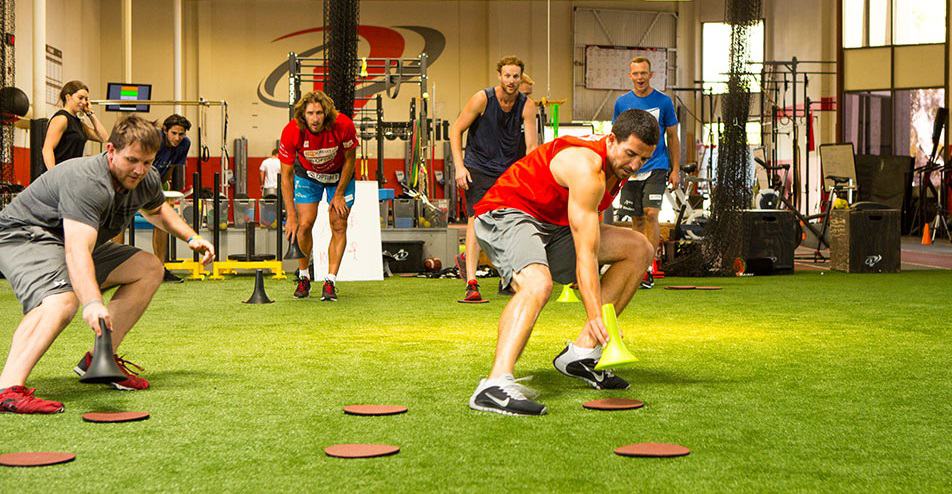
Credit: velocityspusa.com
Frequently Asked Questions
How Do Athletes Train In The Gym?
Athletes train in the gym by focusing on strength, endurance, and flexibility exercises. They use weights, resistance bands, and bodyweight exercises. Workouts often include squats, deadlifts, bench presses, and core exercises. They follow a structured routine, prioritize recovery, and ensure proper nutrition to enhance performance and prevent injuries.
What Is The 5 4 3 2 1 Workout Method?
The 5 4 3 2 1 workout method involves five exercises done for a minute each. Start with five minutes of cardio, then four minutes of strength exercises, three minutes of core workouts, two minutes of flexibility training, and finish with one minute of deep breathing or meditation.
This routine enhances fitness efficiently.
What Is The 6 12 25 Rule?
The 6 12 25 rule is a guideline for diversifying investments. Allocate 6% to cash, 12% to bonds, and 25% to equities. This strategy aims to balance risk and return by spreading investments across different asset classes.
What Is The 5 3 1 Workout For Athletes?
The 5 3 1 workout focuses on strength training for athletes. It involves four main lifts: squat, bench press, deadlift, and overhead press. Athletes perform these lifts in cycles of 5, 3, and 1 rep schemes, progressively increasing weight. This routine builds strength, power, and overall performance.
Conclusion
Training like an athlete requires dedication and focus. Set clear goals for each workout. Consistency is key to progress and improvement. Listen to your body and adapt as needed. Fuel your body with nutritious food. Rest and recovery are vital for growth.
Celebrate small victories along the way. Remember, patience brings results over time. Stay motivated by tracking your progress. Surround yourself with supportive people. Keep challenging yourself with new exercises. Training like an athlete isn’t easy, but it’s rewarding. Embrace the journey and enjoy the process.
Keep pushing forward every day.