Have you ever wondered what it truly means to eat like our ancestors? Imagine tapping into the nutritional wisdom of the past, harnessing the power of foods that have sustained humans for millennia.
That’s what the Primal Diet is all about. It’s not just another fad; it’s a lifestyle that promises to reconnect you with nature and improve your health in the most instinctive way possible. As you dive into this article, you’ll discover how the Primal Diet can transform your relationship with food and boost your well-being.
So, are you ready to explore a diet that’s designed to help you feel more energetic, vibrant, and alive? Let’s delve into the world of primal eating and see how it can make a difference in your life.
Primal Diet Basics
The Primal Diet focuses on eating like our ancestors. It includes natural foods like meat, fish, fruits, and vegetables. This diet avoids processed foods, grains, and sugars to promote better health.
The Primal Diet is an intriguing approach to eating that takes us back to the basics of what our ancestors consumed. Imagine stepping into the shoes of early humans, eating foods that were available before agriculture changed our diets. This diet emphasizes whole, unprocessed foods and encourages you to rethink modern eating habits. Let’s dive into the key components of the Primal Diet.Whole Foods Focus
The Primal Diet prioritizes whole foods, emphasizing vegetables, fruits, nuts, and seeds. You might picture a colorful array of fresh produce on your plate, brimming with nutrients and flavor. Avoiding processed foods is central, so you might want to swap those packaged snacks for a handful of almonds or a crisp apple.Animal Proteins And Healthy Fats
Animal proteins are a staple of the Primal Diet, with a focus on grass-fed meats, wild-caught fish, and free-range poultry. These protein sources are rich in essential nutrients and are believed to be more aligned with how our ancestors ate. Healthy fats from sources like avocados, olive oil, and coconut oil are also encouraged, providing energy and supporting brain health.Eliminating Grains And Sugars
Grains and sugars are noticeably absent in the Primal Diet, which can be a big shift for many. Consider how often you reach for bread or pasta during your meals. In the Primal approach, these are replaced with more nutrient-dense options like sweet potatoes and squash. This shift might seem challenging, but many find they feel more energized and less bloated.Moderate Exercise And Sunlight
The Primal lifestyle extends beyond diet, advocating for regular, moderate exercise and sunlight exposure. Think about how our ancestors moved—walking, climbing, and lifting as part of their daily lives. Incorporating more natural movement and outdoor time can enhance your physical and mental well-being.Listening To Your Body
An essential aspect of the Primal Diet is tuning into your body’s signals. Are you eating because you’re hungry, or out of habit? Learning to listen to your body’s needs can lead to more mindful eating and better overall health. Reflect on your eating patterns and notice how your body responds to different foods. Is the Primal Diet right for you? It might be worth considering if you’re looking to simplify your diet and focus on whole, nutritious foods. Give it a try and see how these changes make you feel. The journey back to basics could be just what you need.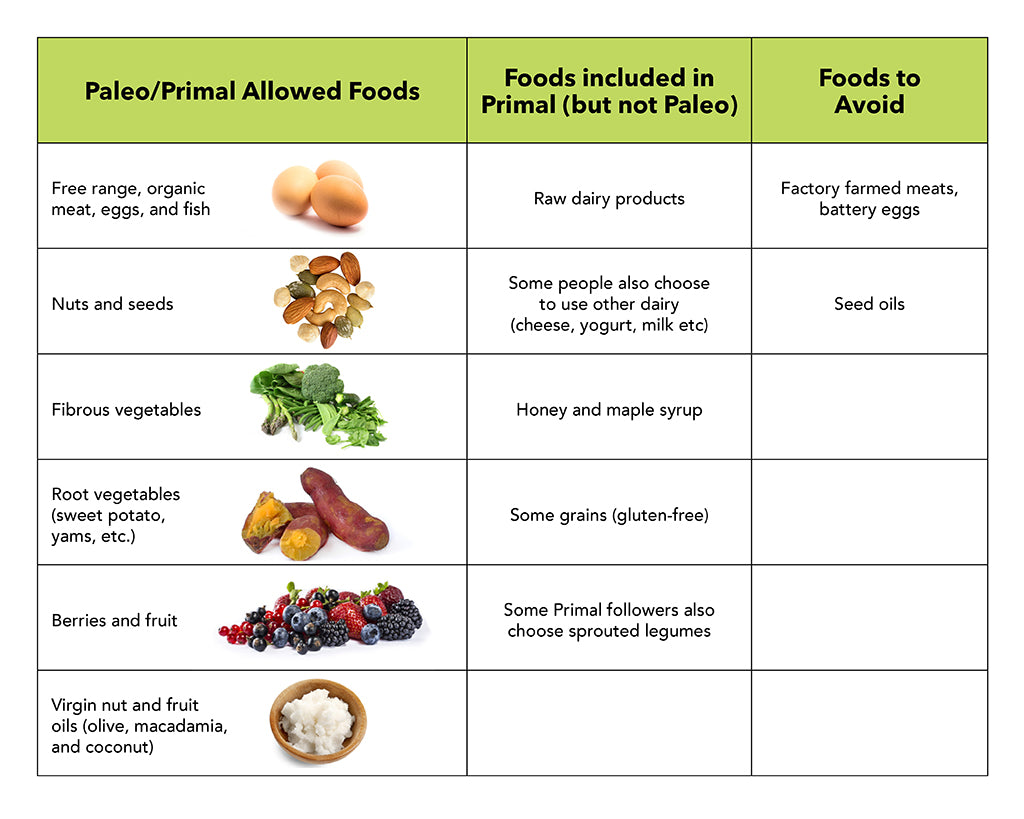
Credit: www.nuzest.com
Historical Roots
The Primal Diet focuses on eating like our ancient ancestors. It emphasizes whole, unprocessed foods. This includes meats, fish, vegetables, and fruits, mirroring what early humans consumed. Aiming for simplicity, it supports a natural and balanced lifestyle.
Have you ever wondered what our ancestors ate thousands of years ago? The Primal Diet aims to answer that question by taking a journey back in time to discover the eating habits of early humans. Understanding the historical roots of this diet offers a glimpse into the simplicity and naturalness of ancient eating practices.Origins Of Human Diet
Early humans were hunter-gatherers. Their diet was dictated by what they could hunt and gather from their surroundings. This meant a heavy reliance on fresh fruits, vegetables, nuts, seeds, and lean meats. Unlike today’s processed foods, their meals were straightforward and nutrient-rich. They didn’t have the luxury of supermarkets or fast food. Imagine grabbing your food directly from nature’s pantry!Evolution Of Eating Habits
With the advent of agriculture, the human diet began to change. Grains and dairy became more prevalent. This shift marked a departure from the primal eating style. But why did we move away from such a natural way of eating? Convenience and the ability to store food played a big role. Ask yourself, how often do you choose convenience over nutrition?Cultural Influence
Different cultures have influenced the evolution of diet. For instance, Asian diets incorporate rice and noodles, while Western diets often feature bread and pasta. These cultural shifts have further distanced us from primal eating. Yet, the desire to return to simpler, healthier eating persists. Have you noticed how many diet trends aim to go back to basics?Personal Connection
Reflecting on my own eating habits, I realized how much processed food had taken over. I decided to try incorporating more primal foods into my diet. The change was refreshing. Fresh fruits and lean meats became staples. Why not try adding a bit of primal simplicity to your meals? Understanding the historical roots of the Primal Diet can be eye-opening. It challenges us to think about what truly nourishes our bodies. Are you ready to embrace a diet inspired by our ancestors?Core Principles
Primal Diet focuses on natural foods similar to those eaten by early humans. It includes meats, fruits, and vegetables, while avoiding processed foods and sugars. This dietary approach aims to improve health by emphasizing whole, unprocessed ingredients.
Understanding the core principles of the Primal Diet can transform your approach to food and health. This way of eating takes cues from our ancestors, focusing on simplicity and nourishment. Imagine living a lifestyle where what you eat not only satisfies your hunger but fuels your body efficiently.Whole Foods Emphasis
The Primal Diet champions whole foods, advocating for meals that consist of ingredients in their natural state. Think of fresh vegetables, fruits, nuts, seeds, and high-quality meats. These foods are rich in nutrients and free from additives, providing your body with everything it needs without unnecessary extras. Choosing whole foods means you can see exactly what you’re eating. When you grab an apple or a handful of almonds, there are no hidden sugars or preservatives. This transparency can empower you to make healthier decisions.Avoidance Of Processed Foods
Processed foods can be convenient, but they often come with a cost to your health. The Primal Diet encourages you to avoid these types of foods as much as possible. Consider this: when was the last time you read an ingredient list and knew what each item was? Eating primal means steering clear of foods with artificial ingredients and fillers. This avoidance helps in reducing inflammation and maintaining a balanced energy level throughout the day. You might find that your body feels more energetic and less sluggish when you cut out processed snacks.Nutrient-dense Choices
Prioritizing nutrient-dense choices is another cornerstone of the Primal Diet. Foods like leafy greens, fatty fish, and colorful vegetables pack a punch of vitamins and minerals. By choosing these, you nourish your body with what it truly needs, rather than empty calories. Have you ever noticed how certain foods leave you feeling fuller for longer? That’s the power of nutrient density. When you focus on quality over quantity, your meals become more satisfying and less about restriction. Consider incorporating more nutrient-rich foods into your diet. Simple swaps, like choosing spinach over iceberg lettuce, can boost your nutrient intake significantly. These small changes can lead to big improvements in your overall well-being. Exploring these core principles might just be the key to a healthier, happier you. Why not give it a try and see how your body responds?
Credit: www.primalkitchen.com
Health Benefits
The primal diet focuses on eating natural, unprocessed foods like meats, fish, vegetables, and fruits. This approach may improve digestion, boost energy levels, and support weight management. By limiting processed foods, the primal diet can promote overall health and well-being.
The Primal Diet offers a unique approach to eating that focuses on whole, unprocessed foods, drawing inspiration from the diets of our ancestors. By choosing a Primal lifestyle, you might experience several health benefits. Let’s explore how this diet can enhance your well-being.Improved Digestion
Switching to a Primal Diet can significantly improve your digestion. By cutting out processed foods and focusing on natural options, you give your gut the chance to function optimally. You’ll find that eating more fiber-rich fruits and vegetables can keep things moving smoothly in your digestive system. Have you ever felt bloated after eating a heavy meal? With the Primal Diet, this discomfort might become a thing of the past. Emphasizing whole foods helps reduce inflammation and promotes a balanced gut microbiome.Increased Energy Levels
Many people report feeling more energetic when they adopt a Primal Diet. Imagine waking up each morning feeling refreshed and ready to tackle the day. This diet encourages stable blood sugar levels, preventing those energy crashes that leave you reaching for a nap. When you fuel your body with nutrient-dense foods, you naturally feel more vibrant. Have you noticed how a sugary snack gives you a quick boost followed by a slump? With the Primal Diet, you can maintain consistent energy without the rollercoaster ride.Weight Management
Maintaining a healthy weight can be easier with the Primal Diet. By focusing on protein and healthy fats, you feel fuller longer, reducing the urge to snack mindlessly. Think about how often you’ve reached for chips just because they’re there; with this approach, you might find yourself making more conscious choices. Eating whole, satisfying foods can help you listen to your body’s natural hunger cues. You’ll likely notice that you feel satisfied after meals, which can lead to more effective weight management over time. Who wouldn’t want to enjoy their meals while staying fit? The Primal Diet isn’t just about eating like our ancestors—it’s about discovering how good your body can feel when you prioritize whole, natural foods. Are you ready to explore the potential health benefits for yourself?Comparison To Other Diets
The Primal Diet focuses on whole, unprocessed foods, resembling what our ancestors might have eaten. Unlike strict vegan or low-carb diets, it includes a variety of meats, fruits, and vegetables. This approach encourages a balanced intake of natural foods, promoting overall well-being.
The Primal Diet is often discussed alongside popular dietary approaches, each promising unique benefits. Understanding how it stacks up against others can help you make informed decisions about your health journey. Let’s delve into the comparisons, highlighting the strengths and differences of the Primal Diet in contrast with Paleo, Keto, and Vegan diets.Paleo Vs. Primal
The Paleo diet focuses on eating like our ancestors, excluding dairy and grains entirely. The Primal Diet, however, allows for the inclusion of high-quality dairy products. Imagine enjoying a delicious, creamy yogurt without guilt—Primal enthusiasts can! Both diets emphasize whole foods, but Primal also considers lifestyle factors like sleep and stress management. This holistic approach might appeal to you if you’re aiming for overall wellness, not just dietary changes. Ever wondered if you can indulge in cheese on a Paleo diet? With Primal, you can, provided it’s sourced responsibly. This flexibility can make long-term adherence easier, especially if you’re a dairy fan.Keto Vs. Primal
Keto is all about low-carb, high-fat, and driving your body into ketosis. The Primal Diet is less rigid, allowing a moderate intake of carbs, focusing on nutrient-dense foods. You can enjoy a wider variety of fruits on Primal, unlike the limited choices on Keto. This can help you avoid feeling deprived, which often leads to diet abandonment. Primal doesn’t require you to measure ketones or track macros obsessively. If you’re seeking a lifestyle that’s balanced and sustainable, Primal might be your answer.Vegan Vs. Primal
Veganism omits all animal products, focusing on plant-based foods. The Primal Diet includes animal proteins and healthy fats, emphasizing the importance of ethical sourcing. While both diets value whole foods, Primal offers more flexibility with protein choices. Are you missing out on that juicy steak? Primal allows you to enjoy it guilt-free, as long as it’s grass-fed. Primal also encourages mindful eating, integrating fitness and nature into your routine. If you’re looking for a diet that connects you with the environment while permitting animal products, Primal might resonate with your lifestyle preferences. Which dietary approach aligns best with your values and health goals? Exploring these comparisons might bring clarity to your choice.
Credit: laidbackfitness.com
Common Misconceptions
Many confuse the primal diet with Paleo, believing it excludes all modern foods. Actually, primal allows some dairy and fermented items. Another misconception is that it’s purely meat-based, but it also includes vegetables, fruits, and nuts.
When you think of the Primal Diet, what comes to mind? Maybe you picture eating nothing but raw meat or foraging for berries like a caveman. While these images are vivid, they don’t quite capture the essence of the Primal Diet. Let’s clear up some common misconceptions and get to the heart of what this lifestyle truly entails.Misconception 1: It’s Just Another Fad Diet
Many people label the Primal Diet as just another fad. In reality, it’s more of a lifestyle choice focused on long-term health. Unlike fad diets that promise quick fixes, the Primal Diet emphasizes sustainable eating habits. Consider how you feel after eating processed foods. The Primal Diet encourages you to eat whole, unprocessed foods that nourish your body over time.Misconception 2: You Only Eat Meat
Some believe the Primal Diet is all about consuming large amounts of meat. While protein is important, the diet also includes vegetables, fruits, nuts, and seeds. It’s about balance and getting nutrients from various sources. Think about your last meal. Did it include a variety of food groups? The Primal Diet encourages this diversity to ensure you’re getting a wide range of nutrients.Misconception 3: It’s Expensive And Hard To Maintain
There’s a notion that eating Primal is costly and time-consuming. However, with proper planning, it can be both affordable and convenient. Simple meals like eggs with spinach or a salad with grilled chicken can be quick and budget-friendly. Have you ever tried preparing meals in bulk? This approach can save time and money, making the Primal Diet easier to stick with in the long run.Misconception 4: It’s Just About Food
While diet is a major component, the Primal lifestyle also emphasizes physical activity, sleep, and stress management. It’s about overall well-being, not just what you eat. Reflect on your daily routine. Are you giving enough attention to these other aspects of health? The Primal approach encourages you to prioritize all facets of a healthy lifestyle.Misconception 5: It’s Only For Health Enthusiasts
You might think the Primal Diet is only for those deeply invested in health and fitness. In truth, anyone can adopt Primal principles to improve their quality of life. It’s about making small, sustainable changes that fit your lifestyle. Think about your health goals. Could integrating some Primal habits help you achieve them? The beauty of the Primal Diet is its adaptability to various lifestyles. By addressing these misconceptions, you can better understand what the Primal Diet is really about. It’s not about following strict rules or fitting into a specific mold. It’s about making choices that support your health and well-being in a way that feels right for you.Getting Started
The Primal Diet is about returning to eating habits of our ancestors. It emphasizes whole foods, meats, fruits, and vegetables. Getting started can seem challenging. But with the right tips, it’s manageable. Let’s dive into how to begin this journey.
Shopping Tips
First, focus on fresh produce. Choose organic fruits and vegetables when possible. These are free from pesticides. Next, look for grass-fed meats. They are healthier and more natural. Avoid processed foods. Stick to items with minimal ingredients. Whole foods are key to the Primal Diet.
Meal Planning
Planning meals helps you stay on track. Begin by creating a weekly menu. Include a variety of meats and veggies. Prepare meals in advance. It saves time and prevents impulse buying. Use leftovers creatively. They can form the base of your next meal. Keep it simple and enjoyable.
Finding Support
Connect with others who follow the Primal Diet. Join online forums or local groups. Sharing experiences can be motivating. Seek advice and share tips with peers. Having support makes the journey easier. It fosters a sense of community and accountability.
Success Stories
Discover the Primal Diet through inspiring success stories. People find health benefits by eating whole, unprocessed foods. This approach is rooted in mimicking ancestral eating habits for better wellness.
Success stories often serve as powerful motivators. They provide real-life examples of how a particular lifestyle change can yield positive outcomes. When it comes to the Primal Diet, success stories abound, showcasing transformations in health, vitality, and overall wellbeing. You might wonder, can this diet truly make a difference in your life? Let’s dive into some stories that might just spark your curiosity and inspire your journey.Overcoming Health Challenges
Many individuals who switch to the Primal Diet find relief from various health issues. Sarah, a 35-year-old mother, struggled with chronic fatigue and digestive problems. Within weeks of adopting the Primal Diet, she experienced renewed energy and a settled stomach. Her story illustrates how the diet can provide practical solutions to persistent health problems.Weight Loss Triumphs
For those looking to shed some pounds, the Primal Diet offers promising results. Mark was battling weight gain and low self-esteem. By focusing on nutrient-dense foods and eliminating processed items, he lost 30 pounds in three months. His success proves that a strategic approach to eating can lead to significant weight loss.Boosting Mental Clarity
Clarity and focus often improve with dietary changes. Jennifer found herself more productive at work and less stressed after switching to the Primal Diet. Her increased mental clarity allowed her to excel in her career, showcasing how diet influences cognitive function. Could a simple change in eating habits enhance your mental performance?Increasing Physical Fitness
The Primal Diet is not just about food; it’s about embracing a lifestyle. Tom, an avid runner, noticed his endurance improved dramatically. With more energy from whole foods, he achieved new personal records in marathons. His story highlights the connection between diet and physical performance.Enhancing Quality Of Life
Ultimately, the Primal Diet aims to improve overall wellbeing. Linda’s journey is a testament to this. After adopting the diet, she reported feeling more vibrant and engaged in life. Her experience raises an intriguing question: Could the Primal Diet be your key to a more fulfilling life? These stories are not isolated incidents but recurring themes among Primal Diet enthusiasts. They invite you to consider the potential benefits for yourself. What success story will you create?Frequently Asked Questions
What Is The Primal Diet?
The Primal Diet is a nutritional approach that mimics the eating habits of early humans. It emphasizes whole, unprocessed foods like meats, fish, fruits, and vegetables. The diet encourages avoiding grains, processed foods, and refined sugars. It aims to improve health and promote natural weight management.
How Does Primal Diet Differ From Paleo?
While both diets focus on whole foods, the Primal Diet allows for more flexibility. It may include dairy and certain legumes. Paleo is stricter, often excluding all dairy and legumes. Primal emphasizes a holistic lifestyle, incorporating exercise and stress management alongside dietary changes.
Is Primal Diet Effective For Weight Loss?
Yes, the Primal Diet can be effective for weight loss. It encourages nutrient-dense foods that promote satiety and reduce cravings. By eliminating processed foods and sugars, it helps stabilize blood sugar levels. This can lead to reduced calorie intake and sustained weight loss over time.
What Foods Are Allowed On Primal Diet?
The Primal Diet includes meats, fish, fruits, vegetables, nuts, and seeds. It encourages healthy fats like avocado and coconut oil. Dairy products, especially full-fat versions, are allowed in moderation. The diet avoids grains, legumes, processed foods, and refined sugars to maintain health.
Conclusion
Exploring the primal diet offers a journey back to basic nutrition. Emphasizing whole foods, it aligns with our ancestors’ eating habits. This diet includes meat, fish, vegetables, fruits, and nuts. Avoid processed foods for better health outcomes. Many find improved energy and digestion.
Others appreciate its simplicity and connection to nature. Always consult with a healthcare provider before major diet changes. This helps ensure it fits your personal health needs. Remember, every person is unique. What works for one may not suit another.
Listen to your body and make informed decisions. Your health journey is personal and important.