Imagine finding a delicious vegetable that is not only versatile but also packed with nutrients. That’s what you get with squash.
Whether you’re a culinary enthusiast or simply someone who cares about maintaining a healthy diet, understanding the nutritional value of squash can be a game-changer for you. But what makes squash so special? And why should you consider adding it to your meals more often?
As you read on, you’ll discover how this humble vegetable can contribute to your health and well-being. Get ready to uncover surprising benefits that might just make squash your new favorite ingredient in the kitchen.
:max_bytes(150000):strip_icc()/acorn-squash_annotated-c9f9c0e101a443a6926b3ad34d7429ad.jpg)
Credit: www.verywellfit.com
Types Of Squash
Squash is a versatile vegetable that can bring a splash of color and a burst of nutrients to your plate. This humble veggie comes in many varieties, each with its unique flavor, texture, and nutritional benefits. Whether you’re a fan of light summer dishes or hearty winter meals, there’s a squash type for you. Let’s dive into the world of squash and explore the different types you might encounter.
Summer Squash Varieties
Summer squash is known for its tender skin and mild taste. It’s typically harvested while still immature, which gives it a softer texture. Common types include zucchini, yellow squash, and pattypan. Zucchini is particularly popular for its ability to blend into a variety of dishes, from savory stir-fries to sweet baked goods.
Yellow squash is often sautéed or grilled, adding a splash of color to your summer meals. Pattypan squash, with its unique shape and buttery flavor, can be a delightful surprise in salads or roasted dishes. If you’ve never tried pattypan, it might become your new favorite summer veggie!
Consider how summer squash could enhance your culinary repertoire. Have you experimented with adding it to pasta or pizza for an extra nutrition boost?
Winter Squash Varieties
Winter squash, harvested when mature, is known for its hard shell and rich flavors. Types include butternut, acorn, and spaghetti squash. Butternut squash is a staple for creamy soups and hearty casseroles. Its sweet taste pairs perfectly with spices like nutmeg and cinnamon.
Acorn squash often graces holiday tables, roasted or stuffed with savory fillings. Its nutty flavor and tender texture make it a winter favorite. Meanwhile, spaghetti squash is a low-carb alternative to pasta. When cooked, its flesh pulls apart into strands that resemble spaghetti, perfect for those watching their carb intake.
Winter squash provides comfort and warmth during colder months. How might these varieties inspire your next cozy meal?
Squash’s versatility in both summer and winter varieties offers endless culinary possibilities. Whether you’re a novice cook or a seasoned chef, there’s a squash dish waiting to be discovered. So, what’s stopping you from trying something new with squash today?
Nutrient Composition
Squash offers a rich nutrient profile, featuring vitamins A and C, fiber, and potassium. Its low calorie content makes it a healthy choice for diverse diets. Regular consumption can support vision, immunity, and digestive health.
Squash is not just a colorful addition to your meals; it’s a nutritional powerhouse. Understanding its nutrient composition can help you make informed choices about including it in your diet. Whether you’re looking to boost your vitamin intake or manage your macros, squash can be a valuable ally in your nutritional journey. Let’s dive into the details.Vitamins And Minerals
Squash is rich in essential vitamins and minerals that support your overall health. It contains vitamin A, which is crucial for maintaining healthy vision and immune function. If you’re looking to increase your vitamin C intake, squash can help; this vitamin aids in collagen production and boosts immunity. Additionally, squash provides a good amount of potassium, which is vital for heart health and regulating blood pressure. Ever wondered why your grandma always had squash on the table? She knew it was packed with nutrients that could keep you strong and healthy. Next time you spot squash at the grocery store, remember it’s not just another vegetable—it’s a source of essential nutrients.Macronutrients
Squash is low in calories, making it an excellent choice if you’re watching your weight. It’s high in dietary fiber, which can aid digestion and keep you feeling full longer. If you’ve struggled with finding low-carb options, squash is a great alternative. It provides complex carbohydrates that offer sustained energy without the heavy calorie count. Imagine swapping out your usual pasta for spiralized squash noodles. You’re not just cutting carbs; you’re gaining fiber and reducing calorie intake while enjoying a delicious meal. Have you tried this swap yet? It might be the game-changer you’ve been searching for in your diet plan. As you consider incorporating squash into your meals, think about the nutritional benefits you’re gaining. It’s more than just a side dish; it’s a smart choice for your health. So, how will you integrate squash into your next meal?Antioxidant Properties
Squash isn’t just a delicious addition to your meal; it’s a powerhouse of nutrients, especially antioxidants. These compounds help fight free radicals, which can damage your body’s cells. Incorporating squash into your diet could be a tasty way to support your overall health.
Role Of Carotenoids
Carotenoids are a type of antioxidant found abundantly in squash. They give squash its vibrant orange and yellow colors. You can think of them as tiny warriors protecting your body from harmful free radicals.
Imagine eating a bowl of soup rich in squash and knowing it’s boosting your immune system. Carotenoids, like beta-carotene, are known to improve eye health and reduce inflammation. Isn’t it fascinating how something so simple can have such profound effects?
Other Antioxidants
Beyond carotenoids, squash contains other antioxidants like vitamin C and vitamin E. These nutrients contribute to maintaining healthy skin and a strong immune system. Next time you enjoy squash, remember that it’s not just a tasty veggie but a skin-loving friend.
Have you ever wondered why some people seem to glow effortlessly? Their diet might be rich in foods like squash, packed with antioxidants that protect and nourish the skin. Is it time for you to embrace this nutritious gem?
Adding squash to your meals can be a simple yet effective step towards a healthier lifestyle. Whether it’s in a creamy soup or roasted with herbs, squash brings a lot to the table. Why not give it a try and see the benefits for yourself?
Health Benefits
Squash offers a rich source of vitamins A and C, promoting healthy skin and immunity. It contains dietary fiber, aiding digestion and heart health. Low in calories, squash provides essential minerals like potassium and magnesium, supporting overall well-being. Its antioxidants help protect cells from damage.
When you think of squash, you might picture the vibrant colors and diverse shapes these vegetables offer. But did you know that squash is also packed with nutrients that can significantly benefit your health? Incorporating squash into your diet can lead to a healthier lifestyle in several ways. Let’s explore some of the health benefits squash can bring to your table.Boosting Immunity
Eating squash can be a great way to support your immune system. Rich in vitamins A and C, squash helps your body combat infections and illnesses. These vitamins act as antioxidants, which protect your cells from damage and keep you feeling your best. Have you ever noticed how quickly you recover from a cold when you eat a balanced diet? Including squash might be your secret weapon. Next time you’re stocking up on groceries, consider adding squash to your cart to help keep those pesky colds at bay.Supporting Eye Health
Squash contains beta-carotene, a nutrient that converts into vitamin A in your body. This is crucial for maintaining good vision. Eating squash can help prevent eye-related issues like cataracts and macular degeneration. Remember those times when you struggled to read in dim light? Regularly consuming squash could help improve your night vision. It’s a small addition to your diet that can make a big difference in your daily life.Enhancing Heart Health
Your heart health can benefit from the fiber, potassium, and magnesium found in squash. These nutrients work together to lower blood pressure and reduce the risk of heart disease. Think about how often you consider your heart’s health. By adding squash to your meals, you take a proactive step towards a healthier heart. It’s a simple change that can have a lasting impact on your overall well-being. So, next time you’re contemplating what to cook for dinner, remember that squash is not just a colorful addition to your plate. It’s a powerhouse of nutrients that can boost your immunity, support your eye health, and enhance your heart health. Why not give it a try and see the benefits for yourself?Squash In Diets
Squash provides essential vitamins like A, C, and E, boosting the immune system. It contains fiber, aiding digestion and supporting heart health. Low in calories, it serves as a nutritious addition to any meal plan.
Squash is a versatile vegetable cherished for its nutritional benefits. It plays a vital role in various diets across the globe. Rich in vitamins and minerals, squash contributes to a healthy lifestyle. Its mild flavor pairs well with many dishes, making it a favorite choice for health enthusiasts.Low-calorie Benefits
Squash is low in calories, which makes it ideal for weight management. A single cup of cooked squash contains only about 80 calories. This low-calorie count allows people to enjoy generous portions without excess calorie intake. Including squash in meals helps maintain a balanced diet, aiding in weight loss.Fiber Content
Squash is packed with fiber, promoting digestive health. Fiber aids in digestion and prevents constipation. A cup of cooked squash offers roughly 6 grams of fiber. This fiber content helps keep you full longer, reducing unnecessary snacking. It supports a healthy gut and boosts overall well-being.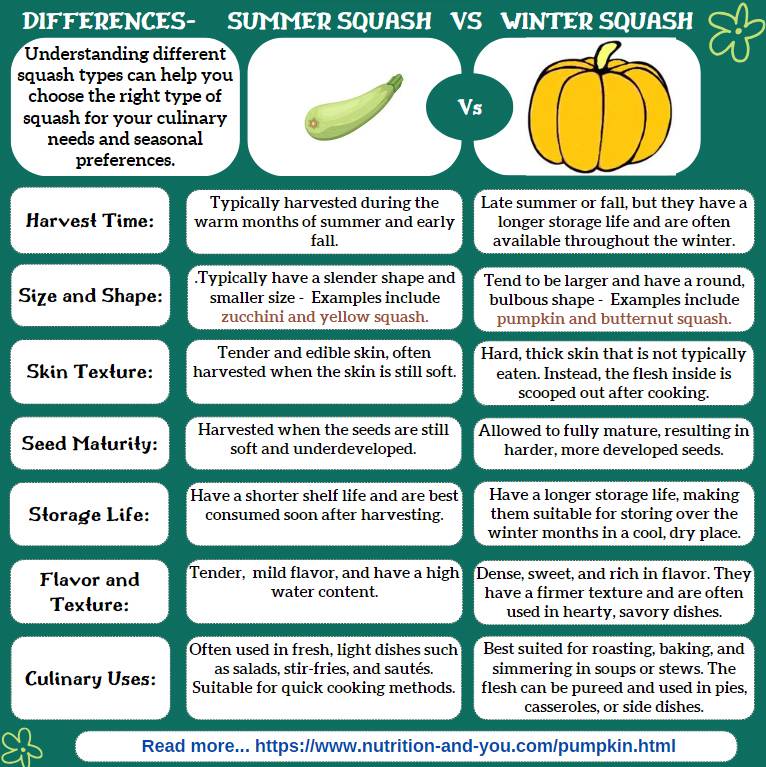
Credit: www.nutrition-and-you.com
Culinary Uses
Squash is a versatile vegetable loved for its rich flavor and texture. Its culinary uses are as diverse as its varieties. From soups to salads, squash can enhance any meal. Let’s explore how you can make the most of this nutritious vegetable.
Cooking Methods
Squash can be prepared in many ways. Roasting brings out its natural sweetness. Grilling adds a smoky flavor, perfect for summer barbecues. Boiling is great for soups and stews. Steaming keeps it tender and full of nutrients. You can also sauté it with your favorite herbs.
Popular Recipes
Butternut squash soup is a fall favorite. It’s creamy and comforting. Try spaghetti squash as a low-carb pasta alternative. Stuffed acorn squash makes a hearty main dish. Use zucchini in savory fritters or sweet bread. For a quick side, roast squash with olive oil and spices.
Growing And Harvesting
Squash is packed with nutrients like vitamin A, vitamin C, and fiber. It helps boost immunity and digestion. This versatile vegetable is a great addition to a balanced diet, offering essential vitamins and minerals.
Growing and harvesting squash is a rewarding experience that can elevate your culinary adventures. Whether you’re a seasoned gardener or trying your hand at cultivating squash for the first time, understanding the right conditions and techniques is crucial. Let’s dive into how you can ensure a bountiful harvest of this nutritious vegetable.Ideal Growing Conditions
Squash thrives in warm weather. Aim to plant your seeds or seedlings after the last frost date in your area. The soil should be well-drained and rich in organic matter. I remember my first time planting squash; I underestimated the need for sunlight. Ensure your squash gets at least 6 to 8 hours of sunlight daily. This will encourage healthy growth and vibrant produce. Pay attention to spacing. Squash plants can be quite large and bushy. Allow at least 3 to 4 feet between plants to ensure proper airflow and growth. This spacing helps prevent diseases and allows the plants to spread their vines comfortably.Harvesting Tips
Timing is everything when it comes to harvesting squash. Pick them when they’re young and tender for the best taste. For summer squash, like zucchini, aim for a size of 6 to 8 inches long. Winter squash, on the other hand, should be left until the skin hardens and the vine starts to wither. A handy tip I learned from a fellow gardener: use a sharp knife or pruning shears to cut the squash from the vine. This prevents damage to both the fruit and the plant. If you twist or pull, you risk harming the vine, which could affect future growth. Consider keeping a harvest journal. Note the dates and conditions when you picked your squash. This helps you identify patterns and improve your growing techniques year after year. What surprises await you when you observe your garden closely? Your squash plants might just teach you a thing or two about patience and timing!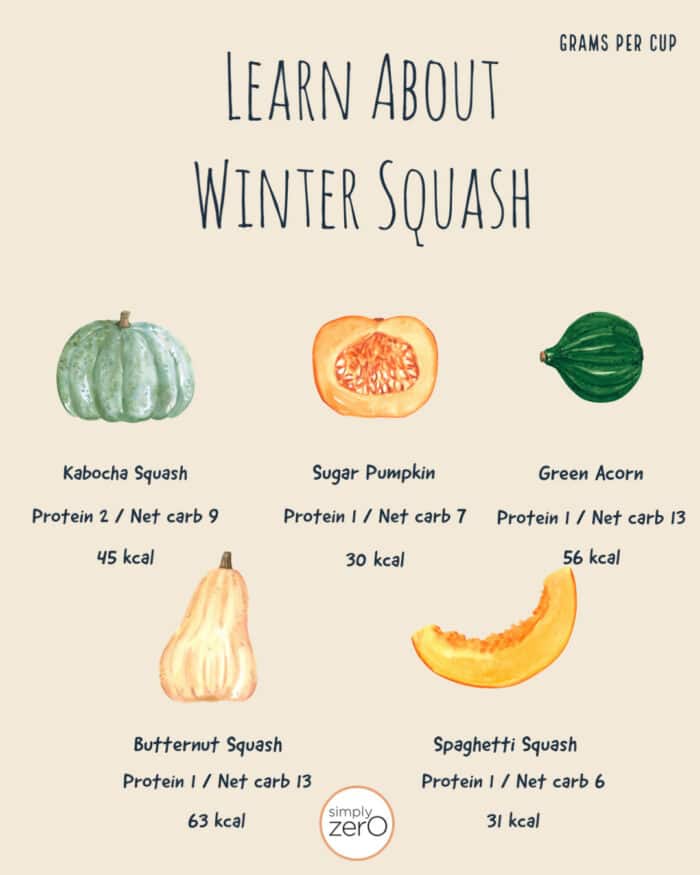
Credit: www.healthcastle.com
Frequently Asked Questions
What Are The Benefits Of Eating Squash?
Squash boosts immunity with vitamins A, C, and E. It promotes digestion due to its high fiber content. Antioxidants in squash reduce inflammation and improve heart health. Low-calorie squash aids in weight management. Its potassium supports healthy blood pressure levels.
Which Is Healthier, Zucchini Or Yellow Squash?
Both zucchini and yellow squash are healthy choices. They are low in calories and high in vitamins and minerals. Zucchini has more vitamin C, while yellow squash offers more vitamin A. Choose either for a nutritious addition to your diet.
Is Squash A Good Carb Or Bad Carb?
Squash is a good carb. It is low in calories and high in fiber, vitamins, and minerals. Its complex carbohydrates provide lasting energy, making it a healthy choice. Eating squash supports digestion and overall wellness.
Which Is Healthier, Sweet Potato Or Squash?
Sweet potatoes are generally healthier due to their higher vitamin A content and fiber. Squash is also nutritious, offering fewer calories and rich in vitamin C. Both are excellent choices for a balanced diet. Choose based on your nutritional needs and taste preferences.
Conclusion
Squash offers numerous health benefits. Packed with vitamins and minerals, it supports overall wellness. Rich in fiber, squash aids digestion and promotes heart health. Antioxidants in squash boost immune function and protect cells. Its low calorie count makes it ideal for weight management.
Versatile in recipes, squash complements many dishes. From soups to salads, squash adds nutrition and flavor. Including squash in your diet can improve your health. Enjoy squash for its taste and health benefits. Make squash a part of your meals today.
Your body will thank you for the nourishment.