Have you ever wondered what wolves eat to survive in the wild? Understanding the diet of these majestic creatures offers insights into their survival strategies and their role in the ecosystem.
Wolves are fascinating hunters, and their eating habits are both complex and intriguing. As you delve into this topic, you’ll discover how their diet shapes their behavior, health, and even the environment around them. You might even find that learning about what wolves eat can change the way you think about food chains and nature itself.
Ready to uncover the secrets behind a wolf’s diet? Let’s dive in and explore the wild world of wolves and their culinary choices!
Natural Habitat And Hunting Grounds
Wolves are fascinating creatures with diets largely influenced by their natural habitats and hunting grounds. Understanding where wolves thrive can give you insights into what they eat and how they hunt. This connection between their environment and their diet is crucial in understanding their role in the ecosystem.
Imagine you’re hiking through a dense forest, the kind of place where wolves might roam. You notice the variety of animals and plants around you. Wolves, too, are keen observers, using these surroundings to strategize their hunt. Let’s dive deeper into their natural habitat and how it shapes their hunting practices.
Natural Habitat Of Wolves
Wolves are adaptable creatures, found in diverse landscapes ranging from forests to tundras. Their habitat is not just a home; it’s a hunting ground. In forests, they use the cover of trees to stalk prey. In open areas, speed and teamwork help them chase down targets.
Your backyard might not be a wolf’s domain, but their preference for expansive territories impacts how they hunt. They roam large areas to find food, often traveling miles daily. This need for space means wolves are constantly on the move, searching for their next meal.
Hunting Grounds Strategies
Have you ever watched a nature documentary and marveled at the teamwork among wolves during a hunt? Wolves employ strategic hunting methods tailored to their surroundings. In packs, they surround prey, using their numbers to intimidate and isolate targets.
Understanding these tactics might make you wonder about the intelligence behind their hunting strategies. They communicate with each other using body language and vocalizations, ensuring each member knows their role. This coordination is vital for success in varied landscapes.
Influence Of Seasons On Diet
Seasons play a significant role in a wolf’s diet. During winter, prey is scarce, forcing wolves to travel longer distances. You might relate to this if you’ve ever had to go the extra mile to find something you want. Similarly, wolves adapt their hunting strategies to survive.
In spring, the abundance of prey allows wolves to hunt more frequently. This shift in availability impacts their dietary choices, showcasing their adaptability. The way wolves adjust their diet based on season reminds us of the importance of flexibility in nature.
Impact Of Human Activity
Have you ever thought about how human presence affects wildlife? Human activity can disrupt wolf habitats, altering their hunting grounds. As you consider the impact of urbanization, think about how it forces wolves to adapt, sometimes leading them closer to human communities.
This encroachment impacts their diet, pushing them to find alternative food sources. It’s a reminder of how interconnected our lives are with wildlife, and the importance of preserving natural habitats for all creatures.
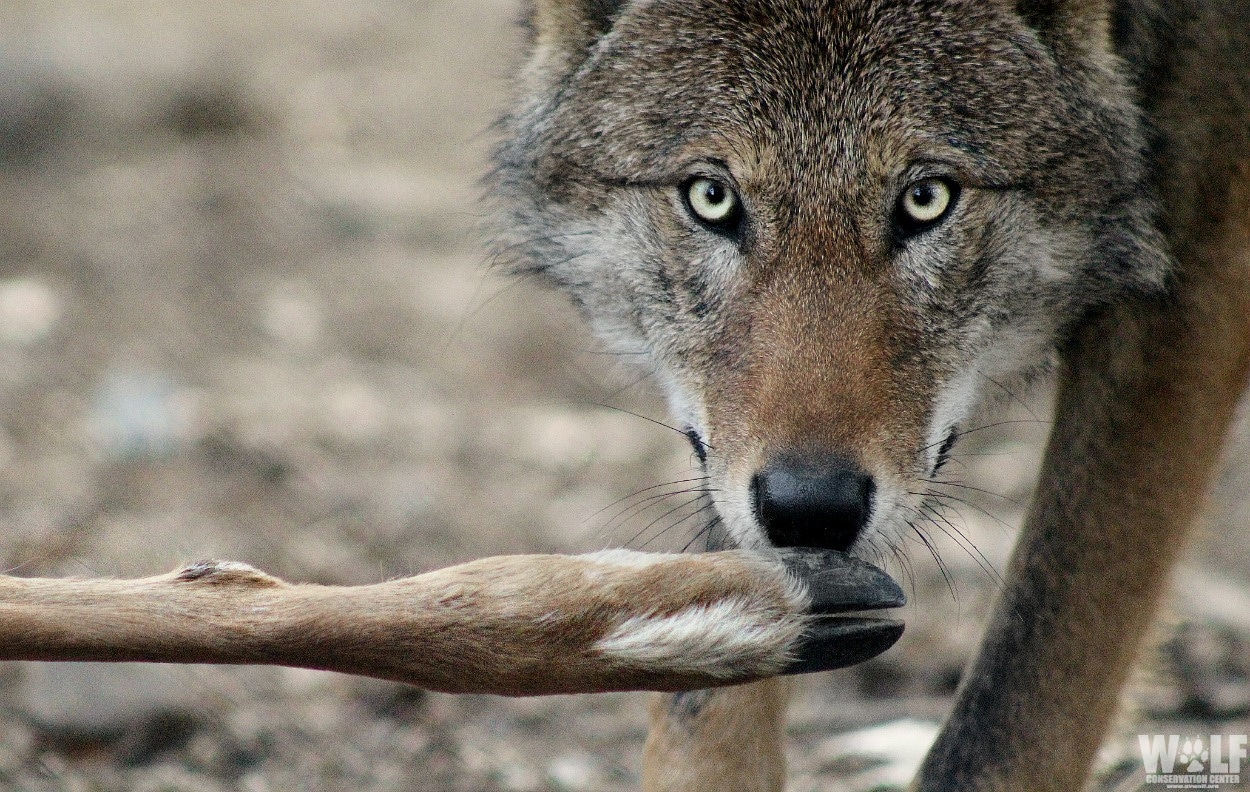
So, what can you do to help? By being mindful of conservation efforts, you can support the protection of wolf habitats. Every small action counts in maintaining the balance of our ecosystems.
Credit: nywolf.org
Prey Selection
Wolves thrive on a diverse diet, primarily hunting large herbivores like deer and elk. Occasionally, they consume smaller animals such as rabbits and rodents. Their prey selection ensures survival, adapting to available food sources in their habitat.
Understanding the diet of wolves involves exploring how they select their prey. Wolves are skilled hunters with a keen sense of what to pursue for sustenance. Their diet is not just about what they can catch, but also about what they prefer and what is available. By examining their prey selection, you can gain insights into their survival strategies and their role in the ecosystem.Preferred Prey
Wolves often target large mammals for their meals. Deer, moose, and elk are among their favorites. These animals provide substantial nourishment, making them worth the effort of the hunt. However, wolves do not limit themselves to just large prey. They will also hunt smaller animals like rabbits and rodents when larger game is scarce. This adaptability in their diet is crucial for survival, especially during harsh winters. Have you ever considered how wolves decide which prey to chase? It’s not just about size or availability. It’s about maximizing energy gain versus energy spent.Factors Influencing Choice
Several factors influence a wolf’s choice of prey. Weather conditions play a significant role. During heavy snowfall, wolves might find it easier to catch prey that is slowed down by deep snow. Pack size also matters. Larger packs can take down bigger animals more efficiently. Smaller packs or lone wolves might opt for smaller, less risky targets. Wolves also consider the health and age of potential prey. They often target the weak or the old, as these individuals are easier to catch. This selection process helps maintain the overall health of prey populations. Have you ever watched a nature documentary and wondered why wolves sometimes pass up certain animals? It’s a strategic decision based on these influencing factors. Understanding these elements can shed light on why wolves are such effective hunters and how they contribute to the balance of their ecosystems. What factors would you consider if you were in their paws?Hunting Techniques
Wolves are skilled hunters with remarkable strategies. They adapt to different situations for survival. Their diet mainly consists of large ungulates. These include deer, elk, and moose. Wolves also hunt smaller animals like rabbits and rodents. Their success relies on effective hunting techniques.
Cooperative Hunting
Cooperative hunting involves working in packs. Wolves communicate through vocal signals and body language. This teamwork helps them take down larger prey. Each wolf has a role in the hunt. Some wolves chase the prey, while others flank. This strategy tires the prey. Eventually, the wolves corner and capture it.
Wolves demonstrate patience and persistence. They often track their prey for miles. This method increases their chances of a successful hunt. Cooperative hunting showcases their intelligence and social structure.
Solo Hunts
Not all wolves hunt in packs. Some prefer solo hunts. This approach suits smaller or injured wolves. Solo hunts focus on smaller animals. Rabbits, birds, and rodents are common targets. These hunts require stealth and speed. A lone wolf must rely on its senses. It uses sight, smell, and hearing to track prey.
Solo hunting demands precision. The wolf must approach without startling the prey. A quick, decisive attack ensures success. This technique highlights the wolf’s adaptability. Solo hunts are essential for survival during scarce times.
Seasonal Diet Variations
Wolves, majestic creatures of the wild, have diets that change with the seasons. These changes are driven by environmental factors and prey availability, affecting what wolves eat in different times of the year. Understanding these variations can offer insights into their survival strategies and how they thrive in diverse habitats.
Winter Feeding
During winter, prey is scarcer. Wolves rely heavily on their hunting skills to track down larger animals. They often target deer, elk, and moose. The snow makes it easier to spot and track these animals, but it’s also challenging to hunt in harsh conditions.
Have you ever thought about how wolves handle these cold months? They hunt in packs, using teamwork to bring down bigger prey. Their diet is high in protein and fat during winter, which helps them maintain energy levels and stay warm.
But what happens when the snow piles up and prey becomes even harder to find? Wolves might turn to scavenging. They consume carcasses left by other predators or humans, showcasing their adaptability. It’s a survival strategy that ensures they get enough nutrients.
Summer Diet
Summer brings a change in the wolf’s menu. With warmer weather, prey is more abundant. Wolves can enjoy smaller mammals like rabbits, beavers, and rodents. These animals are easier to catch and provide variety in their diet.
Think about how the landscape changes. The dense foliage and increased prey activity mean wolves can hunt solo or in small groups. Their diet becomes more diverse, incorporating birds and even insects. This season is all about taking advantage of what’s readily available.
Have you ever noticed how your diet changes with the seasons? Just like you might prefer lighter meals in summer, wolves adjust their hunting strategies based on the resources around them. It’s a fascinating aspect of their survival instincts.
Understanding these seasonal diet variations can deepen your appreciation for these resilient creatures. How do you adapt to changes in your environment? Wolves remind us that flexibility and resourcefulness are key to thriving in different conditions.
Nutritional Needs
Wolves are powerful predators with specific dietary needs. Their diet keeps them healthy and energetic. Understanding these needs helps us learn about their survival strategies. Wolves thrive on a diet that meets their caloric and nutritional demands. Let’s explore the essentials of a wolf’s nutritional requirements.
Caloric Intake
Wolves need a high caloric intake to maintain their energy levels. A single wolf can consume up to 20 pounds of meat in one meal. This large intake supports their active and demanding lifestyle. Hunting, roaming, and maintaining territory require significant energy. During lean times, their bodies efficiently use stored fat. This helps them survive periods of food scarcity.
Essential Nutrients
Wolves require essential nutrients to stay healthy. Protein is vital for muscle repair and growth. They obtain it mainly from the meat of their prey. Fat provides energy and helps with nutrient absorption. Wolves also need minerals like calcium for strong bones. Vitamins from organ meats support their immune system. Each nutrient plays a critical role in their overall well-being.
Impact On Ecosystem
Wolves have a varied diet that influences the ecosystem’s balance. By hunting deer and elk, they help control prey populations. This natural regulation supports plant growth and encourages biodiversity, benefiting numerous species within their habitats.
Wolves play a crucial role in maintaining the balance of their ecosystems. By influencing the populations of their prey, they contribute to the health and diversity of the environment. Their dietary habits have far-reaching effects, shaping not only animal populations but also plant communities.Role In Population Control
Wolves are natural hunters, primarily feeding on large herbivores like deer, elk, and moose. By keeping these populations in check, wolves prevent overgrazing. This control allows vegetation to thrive, supporting a broader range of wildlife. Imagine hiking through a forest where every plant is lush and thriving. That’s often due to the presence of apex predators like wolves. They create a ripple effect, impacting every level of the food chain. Without wolves, prey species can multiply rapidly. This leads to overbrowsing, which can devastate plant life and reduce biodiversity. Do you think our forests would look the same without these incredible hunters?Effects On Vegetation
Wolves indirectly support plant growth by managing herbivore populations. When prey numbers are balanced, forests and grasslands can recover and flourish. This restoration provides habitats for various other species, from birds to insects. In areas where wolves were reintroduced, such as Yellowstone National Park, remarkable changes in vegetation have been observed. Riverbanks have stabilized with the growth of trees and shrubs, which were previously overgrazed. This not only improves the landscape but also supports other wildlife. Have you ever thought about how interconnected everything in nature is? The health of a forest might depend on the presence of a predator miles away. By appreciating wolves’ role, we can better understand and protect these complex ecosystems.Human Interaction
Wolves are majestic creatures. But their diet can be affected by humans. As human presence increases, wolves’ natural hunting patterns shift. This interaction can bring significant changes. It influences the availability of prey and habitat.
Impact Of Human Presence
Human activities often disrupt wolves’ hunting grounds. Roads and cities cut through forests and plains. This limits wolves’ access to their usual prey. Hunting and deforestation further reduce prey populations. Wolves may struggle to find enough food in these altered landscapes.
Sometimes, wolves come too close to human settlements. This is dangerous for both wolves and people. Conflicts can arise, leading to harm on both sides. Understanding these impacts helps us coexist with wolves.
Adaptations In Urban Areas
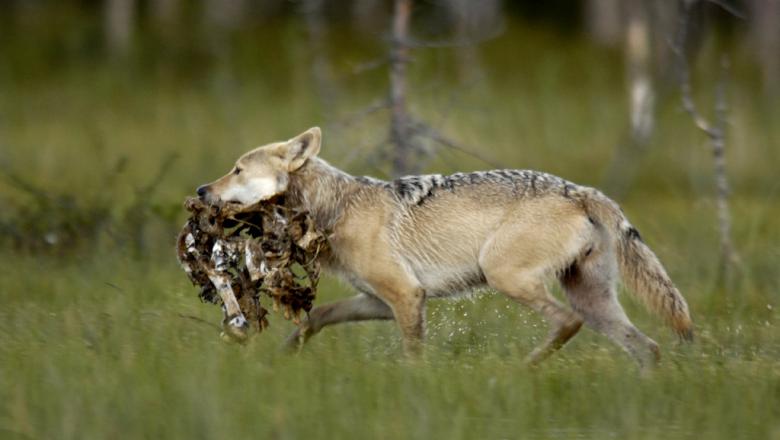
Wolves have shown surprising adaptability in urban areas. They learn to navigate through human territories. Sometimes, they scavenge for food in garbage bins. This is a risky behavior, yet necessary for survival. Urban wolves might rely on smaller animals or pets for sustenance.
These adaptations are not ideal. They can increase conflicts with humans. Still, they highlight the wolves’ resilience. Understanding these adaptations can aid in developing better conservation strategies.
Credit: www.largecarnivores.fi

Credit: www.sciencedirect.com
Frequently Asked Questions
What Do Wolves Typically Eat?
Wolves are carnivorous and mainly eat ungulates like deer, elk, and moose. They also consume smaller mammals, birds, and occasionally fish. In times of scarcity, wolves might eat berries and other vegetation, but their primary diet consists of meat from their prey.
How Do Wolves Hunt Their Prey?
Wolves hunt in packs, using strategy and teamwork to capture prey. They often target weak or sick animals, increasing their chances of success. Wolves use their endurance to chase prey over long distances, eventually wearing them down before making the kill.
Do Wolves Eat Plants?
While wolves are primarily carnivores, they occasionally eat plants. They might consume berries and other vegetation, especially when meat is scarce. However, plant matter forms a very small part of their diet and does not provide the necessary nutrients they gain from meat.
How Often Do Wolves Eat?
Wolves do not eat daily; they hunt and eat in feast-and-famine cycles. After a successful hunt, they might consume a large amount of food, then not eat for several days. This eating pattern helps them adapt to the unpredictable availability of prey in the wild.
Conclusion
Wolves have diverse diets shaped by their habitats. They mainly eat meat. Deer, elk, and smaller mammals are common prey. They adapt and hunt in packs for success. Vegetation and fruits sometimes supplement their meals. This diet keeps them strong and energetic.
Understanding wolves’ eating habits helps in wildlife conservation. These majestic creatures play a vital role in ecosystems. Their hunting balances animal populations. Studying wolves offers insights into nature’s complex web. Respect their role in the wild. Protect their habitats for a balanced environment.