Have you ever picked up a product at the grocery store and wondered what all those numbers and terms on the nutrition label mean for you and your health? You’re not alone.
Understanding what’s required on nutrition labels can feel like deciphering a secret code, yet it’s crucial for making informed choices about what you eat. Nutrition labels are packed with valuable information, but how do you know which details are important and which ones might be misleading?
This article will unlock the mysteries of nutrition labels, empowering you with knowledge to make healthier decisions for you and your family. Keep reading to discover what each section of the label reveals and why it matters to your daily diet and overall well-being.
Nutritional Facts Panel
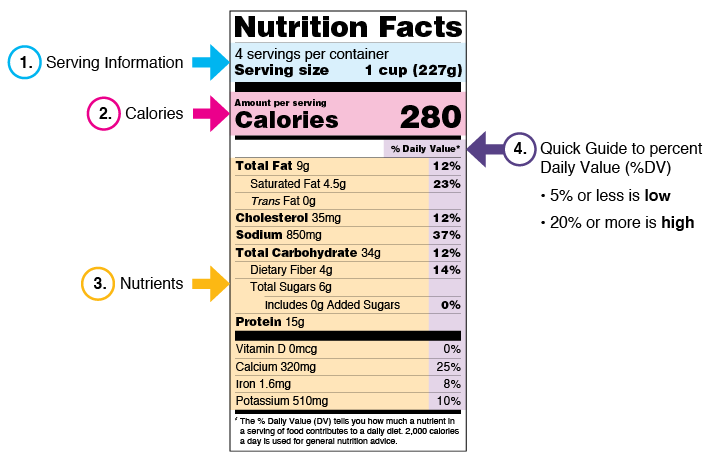
The Nutritional Facts Panel is vital for understanding food content. It guides consumers in making informed dietary choices. This panel is found on food packaging. It details the nutritional value of the product. Knowing how to read it helps manage diet and health.
Serving Size Importance
Serving size is the first thing to notice. It dictates how much of the product you’re eating. All nutritional details are based on this serving size. Understanding it helps avoid overeating. It aids in comparing similar products. Always check the serving size first.
Calories Count
Calories measure energy from food. They are crucial for weight management. The calories section shows energy per serving. Knowing your calorie needs helps balance intake. It’s essential for maintaining a healthy lifestyle. Always note calories per serving to track consumption.
Macronutrients Information
Understanding nutrition labels is key to making healthy food choices. These labels provide essential information about the macronutrients in food. Macronutrients include fats, carbohydrates, and protein. Each plays a vital role in our diet. Knowing their amounts helps manage health and wellness.
Total Fat Details
Total fat is a crucial component of nutrition labels. It shows the combined amount of all fats in the food. This includes saturated and trans fats. Too much can lead to health issues. Check the percentage of daily value. It helps you understand how much of your daily limit the food contains.
Carbohydrates Breakdown
Carbohydrates are the body’s main energy source. Nutrition labels break them down into sugars, fibers, and starches. Fiber is important for digestion. Sugars include natural and added sugars. The percentage of daily value helps you make informed choices.
Protein Content
Protein is essential for building and repairing tissues. Nutrition labels show the amount of protein per serving. This information helps ensure you get enough protein daily. It supports muscle maintenance and overall health.
Micronutrients Display
Nutrition labels are essential tools for making healthy food choices. They provide critical information about what we consume. Among these details, the display of micronutrients is crucial. Micronutrients play a vital role in our overall well-being. They include essential vitamins and minerals that our bodies need. Understanding this section can help you maintain a balanced diet.
Vitamins And Minerals
Vitamins and minerals are key components of nutrition labels. These nutrients support various functions in our bodies. For instance, Vitamin C boosts your immune system. Calcium strengthens your bones. Nutrition labels list these micronutrients to help you track intake. You can ensure you get enough of each essential nutrient.
Daily Value Percentage
The Daily Value Percentage guides your nutrient intake. It shows how much of each nutrient a serving provides. This is based on a daily diet of 2,000 calories. A higher percentage means a food is richer in that nutrient. Understanding these percentages helps in planning a balanced diet. It ensures you meet your daily nutritional needs.
Credit: www.fda.gov
Ingredient List
The ingredient list on a nutrition label is essential for consumers. It shows the components of a food product. Knowing what’s in your food helps make healthier choices. Understanding this list can also aid in identifying allergens.
Order Of Ingredients
Ingredients appear by weight, from most to least. The first ingredient makes up the largest part of the product. A product with sugar as the first ingredient is likely high in sugar. This order helps in assessing the main components of the food. It also allows for comparison between similar products. Checking this can guide you to healthier options.
Additives And Preservatives
Manufacturers often include additives and preservatives in foods. These ingredients enhance flavor, color, or shelf life. Common additives include citric acid and soy lecithin. Preservatives like sodium benzoate help keep food fresh longer. It’s important to know which additives are present. This helps those with sensitivities or dietary restrictions. Recognizing these ingredients can help avoid unwanted reactions.
Allergen Warnings
Allergen warnings on nutrition labels are crucial for anyone with food allergies. These warnings help you make safe choices, preventing allergic reactions that can range from mild to life-threatening. Understanding allergen labels can feel like navigating a maze, but it’s essential for your health. Imagine grabbing a snack, only to discover later that it contained an allergen you need to avoid. The consequences can be alarming. That’s why knowing what to look for on these labels is vital.
Common Allergens
Nutrition labels typically highlight common allergens, making it easier for you to identify potential risks. The most prevalent allergens include peanuts, tree nuts, milk, eggs, wheat, soy, fish, and shellfish. These are often bolded or listed separately in the ingredients section to catch your eye quickly.
Did you know that even small amounts of these allergens can trigger a reaction? You might think a food item is safe, but hidden allergens can surprise you. That’s why you should always check labels, even for products you’ve used before. Manufacturers can change recipes without warning.
Cross-contamination Risks
Cross-contamination is another risk that allergen warnings address. This occurs when allergens are unintentionally transferred from one food to another. Many labels include statements like “may contain traces of nuts” or “produced in a facility that processes wheat.” These warnings alert you to possible contamination during manufacturing.
Have you ever wondered why a product without nuts might still have a nut warning? It’s due to shared equipment or facilities. If you have severe allergies, these warnings are a red flag. Always consider the potential for cross-contamination, especially with foods that don’t list an allergen in the ingredients.
Next time you’re at the store, take a moment to scrutinize those labels. Are you confident about what you’re consuming? Knowledge is empowering, particularly when it comes to your health. By understanding allergen warnings, you can make informed choices and protect yourself from unwanted surprises. What’s your strategy for tackling these labels? Have you had a close call that made you more vigilant? Your experience could be a lesson for others navigating the same path. Share your thoughts and keep the conversation going!
Credit: greatlakeslabel.com
Claims And Certifications
Nutrition labels must clearly show ingredients, serving size, and calories. They should include details on vitamins and minerals. Accurate claims and certifications ensure trust and compliance.
Understanding the various claims and certifications on nutrition labels can be a game-changer in making healthier choices. These labels are not just marketing tactics; they provide valuable insights into the food you consume. When you recognize these labels, you empower yourself to make informed decisions that align with your health goals.Organic And Non-gmo Labels
Have you ever wondered what it really means when a product is labeled organic? Organic labels signify that the product is made without synthetic fertilizers, pesticides, and other artificial agents. These products often undergo strict oversight to ensure they meet specific standards. Non-GMO labels indicate that the product is made without genetically modified organisms. This is crucial for those who wish to consume foods in their natural state. The Non-GMO Project is a popular certification that assures the product is free from genetically engineered ingredients.Health Claims Verification
Do you trust the health claims you see on food labels? Not all claims are created equal. When a product claims to lower cholesterol or improve heart health, it must meet specific standards set by health authorities. Health claims are often backed by scientific evidence, but it’s essential to verify these claims. Look for certifications from reputable organizations that validate these health benefits. This ensures you’re not just buying into a marketing promise but investing in your well-being. Nutrition labels can be your ally in maintaining a healthy lifestyle. By understanding claims and certifications, you can navigate the grocery store with confidence. Next time you pick up a product, take a moment to read the label. What does it tell you about the food you’re about to eat?Regulatory Compliance
Understanding regulatory compliance for nutrition labels is essential for food businesses. Accurate labels help consumers make informed choices. Regulatory compliance ensures that labels meet legal standards. This protects both consumers and manufacturers. Labels must provide truthful and clear information. Let’s delve into the key aspects of regulatory compliance.
Fda Guidelines
The FDA sets strict guidelines for nutrition labels. These guidelines ensure labels are accurate and understandable. Each label must display serving size and calorie count. Nutrient information like fats, proteins, and carbohydrates is mandatory. Ingredients must be listed in descending order by weight. Allergens must be clearly identified. This helps consumers avoid allergic reactions. Proper labeling also includes daily value percentages. These percentages guide consumers on nutrient intake.
Labeling Updates
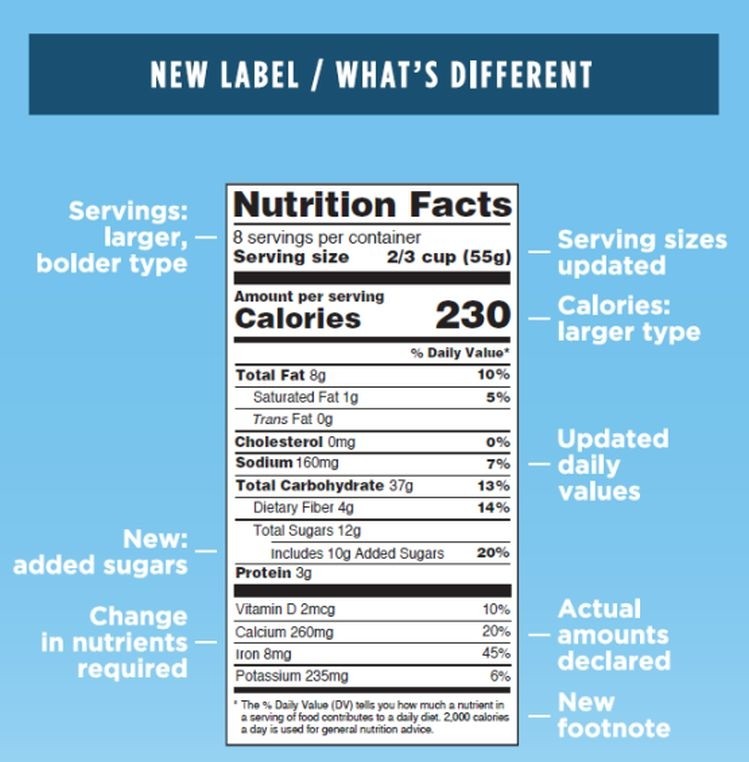
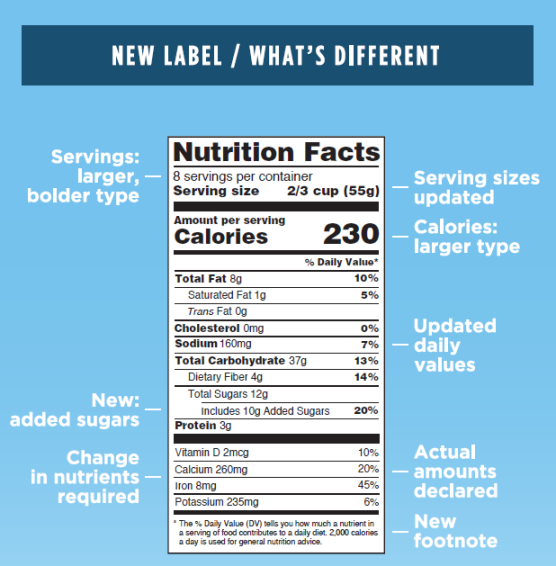
Labeling regulations are not static. They evolve to meet new health standards. Recent updates focus on added sugars. Labels now must show added sugar content. This helps consumers manage sugar intake. Updates also emphasize clearer serving sizes. Larger, bolder fonts improve readability. New regulations also address nutrient claims. Terms like “low fat” or “sugar-free” have specific criteria. These changes aim for transparency and consumer safety. Staying informed about updates is vital for compliance.
Credit: healthysd.gov
Frequently Asked Questions
What Are The 5 Mandatory Components Of Food Labels?
Food labels must include these five components: product name, net weight, ingredient list, nutrition facts, and manufacturer’s details. These elements provide essential information for consumers, ensuring transparency and informed purchasing decisions. Proper labeling helps in maintaining food safety and compliance with regulations.
What Are The Nutritional Labeling Requirements?
Nutritional labeling requires displaying calories, serving size, and nutrient amounts per serving. Include fats, sugars, sodium, and protein. Labels must be clear and legible, following FDA guidelines for accuracy. Ensure ingredients list and any allergens are highlighted. Maintain compliance with local regulations for transparency and consumer safety.
What Are The Fda Requirements For Labels?
FDA requires labels to include product name, net quantity, ingredient list, nutrition facts, and manufacturer details. Labels must be clear, truthful, and not misleading. Compliance with font size and allergen information is essential. Proper placement and visibility on the packaging are also required.
Which Is Not Legally Required On A Nutrition Label?
A nutrition label isn’t legally required to include the percentage of daily value for protein. This omission is because protein intake can vary significantly among individuals, making it less standardizable compared to other nutrients. Always consult health guidelines for personalized dietary needs.
Conclusion
Understanding nutrition labels helps make healthier food choices. These labels show key details like calories, fat, and protein. They also list vitamins and minerals for balanced diets. Knowing serving sizes avoids overeating. Recognizing ingredients prevents allergic reactions. Nutrition labels are important for tracking daily intake.
They aid in managing weight and maintaining health. Knowing what to look for ensures informed decisions. Reading labels can be a simple step toward better eating habits. Make label reading a routine for smarter choices every day. Keep health in mind when shopping or eating out.
Stay informed, eat well.