Have you ever wondered whether carbs are your friend or foe when it comes to building muscle? With so much conflicting advice out there, it can be hard to know what to believe.
You’ve probably heard that protein is king for muscle growth, but where do carbs fit into the picture? Before you cut them out of your diet or load up your plate, let’s uncover the truth about how carbohydrates can impact your muscle-building goals.
This article will dive into how carbs fuel your workouts, aid recovery, and help you achieve those gains you’re striving for. Get ready to discover insights that could transform your fitness routine and diet strategy, making all your hard work pay off more effectively. Keep reading, because the answer might surprise you and change the way you view carbs forever.

Credit: realendpoints.com
Role Of Carbs In Muscle Growth
Carbohydrates are often misunderstood in the realm of fitness and muscle growth. Some people might tell you to stay away from carbs, fearing weight gain. However, when it comes to building muscle, carbs play a vital role that shouldn’t be overlooked. They fuel your workouts, aid in recovery, and help maximize muscle growth. But how exactly do they contribute to this process?
Understanding Carbs As Energy Fuel
When you consume carbs, they break down into glucose, which is your body’s primary source of energy. Think about your last intense workout. Did you feel that burst of energy when you needed it the most? That’s carbs at work. They provide the stamina needed for lifting heavier and pushing through those extra reps.
Carbs And Recovery
After a tough session, your muscles crave nutrients to repair and grow. Carbs play a critical role here by replenishing glycogen stores. This ensures your muscles recover efficiently. Imagine finishing a workout and refueling with a tasty pasta dish. The carbs from that meal help your muscles bounce back faster.
Balancing Carbs For Optimal Muscle Growth
Finding the right balance is key. You don’t want to overload your diet with carbs, but you also don’t want to skimp on them. Consider your daily activity levels. Are you hitting the gym hard? You might need more carbs than someone who’s less active. Adjust your intake based on your personal goals.
All carbs aren’t created equal. Whole grains, fruits, and vegetables are excellent choices. They provide essential nutrients and fiber. Picture starting your day with a bowl of oatmeal topped with fresh berries. This healthy choice fuels your morning workout and aids muscle growth.
Carbs And Protein Synergy
While protein is crucial for muscle building, pairing it with carbs enhances the process. Carbs help transport amino acids into your muscles, making protein more effective. Next time you make a post-workout smoothie, try adding a banana for a carb boost alongside your protein powder.
Are you making the most of carbs in your muscle-building journey? Understanding their role can transform your workouts and recovery. So next time you plan your meals, think about how carbs can work for you. It might be just what you need to reach your fitness goals. How do you plan to adjust your carb intake for better muscle growth?

Credit: www.instagram.com
Types Of Carbohydrates
Carbohydrates play a vital role in muscle building. Simple carbs offer quick energy, while complex carbs provide sustained fuel. Consuming the right type supports muscle growth and recovery efficiently.
Carbohydrates are often misunderstood in the realm of muscle building. Many fitness enthusiasts focus solely on protein, neglecting the critical role that carbs play. But not all carbs are created equal. Understanding the different types of carbohydrates can help you make smarter dietary choices to fuel your workouts and recovery.Simple Carbs
Simple carbs are quick to digest, providing a rapid energy boost. These are found in foods like fruits, sugar, and honey. Imagine having a banana before your workout, giving you that quick energy spike to power through intense sessions. However, relying solely on simple carbs might lead to energy crashes. If you’ve ever felt sluggish after a sugary snack, you know what I mean. Balancing them with other nutrients can prevent these dips.Complex Carbs
Complex carbs are your steady energy providers. They digest slowly, maintaining your energy levels over a longer period. Whole grains, legumes, and vegetables are excellent sources. Consider oatmeal as a breakfast choice; it keeps you full and fueled for hours. Complex carbs are also packed with fiber, aiding digestion and promoting overall health. But how do you know which carbs to focus on? Think about your workout schedule and personal energy needs. Are you preparing for a long training session, or need a quick pre-workout boost? Adjusting your carb intake based on these questions can optimize your performance and results. Carbs aren’t the enemy; they’re a vital part of muscle building. By choosing the right types and timing them well, you can enhance your strength and endurance. So next time you’re planning your meals, remember the power of both simple and complex carbohydrates.Carbs And Energy Supply
Carbohydrates play a crucial role in muscle building, primarily due to their ability to supply energy. When you’re pushing through those tough workouts, it’s the energy from carbs that keeps you going. They are your body’s preferred source of fuel, especially when you’re lifting weights or engaging in high-intensity exercises. But how exactly do carbs contribute to energy supply during workouts? Let’s dive deeper.
Glycogen Storage
Your muscles store carbs in the form of glycogen. Think of glycogen as your emergency energy reserve. When you exercise, your body taps into these stores to fuel your activity.
Imagine hitting the gym after a long day. You’re tired, but you have a workout scheduled. Those glycogen stores can be the difference between a sluggish session and a powerhouse workout.
Adequate glycogen ensures you have sustained energy, letting you push through those final reps and sets. Have you ever wondered why some days you just can’t lift as much? It could be your depleted glycogen levels.
Energy During Workouts
Carbs are your body’s quick-access energy source. During workouts, your muscles need immediate fuel, and carbs provide just that.
Consider a scenario where you’re sprinting or lifting heavy weights. Your body’s demand for energy spikes, and that’s where carbs come in handy. They offer rapid energy release, crucial for peak performance.
Skipping carbs might leave you feeling exhausted and unable to complete your workout effectively. Ever felt that mid-workout slump? It might be your body’s cry for carbs.
When planning your meals, think about your workout schedule. Are you eating enough carbs to fuel your muscles? Next time you feel drained during exercise, assess your carb intake. It might just be the missing piece to elevate your performance.
Carb Timing For Muscle Gains
Carbs play a crucial role in muscle building by fueling workouts and aiding recovery. Timing your carb intake can enhance muscle growth, especially when consumed before and after exercise. Balancing the right amount of carbs helps optimize energy levels and support muscle repair.
Fueling your muscles with the right carbs can be a game-changer in your muscle-building journey. But when you eat these carbs might be just as important as the carbs themselves. Timing your carb intake can maximize your gains and help you achieve your fitness goals faster. Are you ready to discover how carb timing can boost your muscle growth?Pre-workout Carbs
Eating carbs before a workout can significantly impact your performance. When you consume carbs, they provide your muscles with the energy needed for those challenging lifts and intense sessions. Imagine you are gearing up for a heavy leg day; eating a banana or a bowl of oatmeal an hour before can keep you energized throughout. This doesn’t mean you should overload on carbs right before hitting the gym. A balanced approach is best. Think about how much energy you’ll need for your workout and adjust your carb intake accordingly.Post-workout Carbs
After you’ve put your muscles through their paces, they need to refuel and recover. Carbs play a crucial role here by replenishing glycogen stores and facilitating muscle repair. Consider having a mix of fast-digesting carbs like a fruit smoothie or even a simple rice cake. Pair these carbs with protein for optimal recovery. A protein shake with a scoop of whey and some honey can do wonders. Have you ever noticed how much quicker you recover with the right post-workout nutrition? Do you find that your energy levels dip during or after workouts? Adjusting your carb timing might be the secret to sustaining energy and enhancing muscle growth. Try tweaking your carb intake before and after workouts and see how your body responds. The results might surprise you!Balancing Carbs And Protein
Muscles benefit from a balance of carbs and protein. Carbs provide energy for workouts, fueling muscle growth. Protein aids in repairing and building muscle tissue.
Balancing carbs and protein is crucial for muscle building. Carbs provide energy, while protein aids muscle repair. Understanding the right balance can enhance your workout results. Carbs replenish glycogen stores, fueling workouts and recovery. Protein supports muscle growth, making it essential to strike a balance. This synergy between carbs and protein can optimize your fitness journey.Protein Synthesis
Protein synthesis is vital for muscle growth. It helps repair and build muscles after workouts. Consuming protein stimulates this process. Carbs play a role too. They increase insulin levels, aiding protein synthesis. Insulin drives amino acids into muscles, promoting growth. Balancing carbs and protein ensures efficient muscle recovery.Optimal Ratios
Finding the right carb-to-protein ratio is key. Experts suggest a ratio of 3:1 or 4:1. This means three to four grams of carbs per gram of protein. This ratio helps replenish glycogen and stimulates protein synthesis. Adjust ratios based on activity level. Higher intensity requires more carbs. Tailor your intake to your workout needs.Carbs For Recovery
Carbs play a crucial role in muscle recovery by replenishing glycogen stores, which fuels workout sessions. They support protein synthesis, aiding in muscle repair and growth. Consuming the right amount after exercise enhances energy levels, promoting optimal muscle building.
When you’re committed to building muscle, recovery is just as important as the workout itself. Carbohydrates play a crucial role in this recovery process. They help your body bounce back quicker and stronger. After an intense workout, your muscles need to replenish and repair. This is where carbs come into play, offering essential support. Are you giving your muscles what they need to recover effectively?Replenishing Glycogen
Glycogen is your muscles’ primary fuel source during exercise. After a workout, these glycogen stores are depleted. Consuming carbs helps refill these stores quickly. This is vital for continued muscle growth and performance. Imagine finishing a tough workout and feeling drained. Eating carbs can be like hitting the refresh button for your muscles. You’ll be ready to tackle your next session with renewed energy.Reducing Muscle Soreness
Nobody likes waking up sore after a workout. Carbs can help ease this discomfort. They aid in reducing muscle soreness by promoting the recovery of muscle tissue. Have you ever tried a post-workout meal rich in carbs? It can make a noticeable difference in how your body feels. Adding the right amount of carbs can shorten your recovery time and make your workouts more enjoyable. Think of carbs as a tool to enhance your recovery. Are you leveraging them to their full potential?Carb Myths And Misconceptions
Muscle building often sparks debate about carbs. Many believe carbs hinder muscle growth, but they actually provide energy. They help in effective workouts and muscle repair.
In the world of fitness and nutrition, carbs often get a bad rap. Many believe that carbs are the enemy of muscle building and should be minimized or avoided. However, this couldn’t be further from the truth. Let’s dive into some common carb myths and misconceptions that might be holding you back from reaching your muscle-building goals.Carbs And Weight Gain
One of the most common myths is that carbs directly cause weight gain. This misconception stems from the idea that eating carbs leads to fat storage. But in reality, weight gain occurs when you consume more calories than your body needs, regardless of whether those calories come from carbs, proteins, or fats. Carbs are your body’s primary energy source. When you work out, especially in high-intensity sessions, your body needs this energy to perform optimally. Cutting out carbs can leave you feeling fatigued and may hinder your performance. Imagine trying to lift weights or run on an empty tank. Your body would struggle to maintain the intensity, making it harder to build muscle effectively.Low-carb Diets
Low-carb diets have gained popularity, but they may not be ideal for everyone, especially those looking to build muscle. While some people may experience short-term weight loss, it’s often due to water weight rather than fat loss. This can be misleading and may not contribute to long-term muscle gains. When you reduce carbs, your body may start using protein for energy, which isn’t efficient for muscle growth. You might find yourself losing muscle mass instead of gaining it. Consider the story of a friend who tried a low-carb diet to build muscle. Initially, he saw some weight loss, but soon realized he was losing strength and muscle mass. After reintroducing healthy carbs, his energy levels soared, and he started seeing real progress in muscle gain. So, what’s the takeaway? Carbs are not the enemy. They can be your best ally in building muscle when consumed wisely. Have you been avoiding carbs due to these myths? It might be time to rethink and embrace them as part of a balanced diet.
Credit: it.pinterest.com
Personalizing Carb Intake
Personalizing carb intake is essential for anyone looking to maximize muscle building. Carbs are more than just fuel; they play a crucial role in recovery and growth. Understanding how much and what type of carbs you need can make a significant difference in your fitness journey.
Individual Needs
Everyone’s body reacts differently to carbohydrates. Your unique metabolism, genetic factors, and lifestyle choices determine how you process carbs. Just because your gym buddy thrives on high-carb meals doesn’t mean you will. Experiment with different carb sources and amounts to see what works best for you. Listen to your body; it will tell you when you’ve hit the sweet spot.
Activity Levels
Your activity level is a key factor in determining your carb intake. If you’re a high-energy person who loves intense workouts, your body will crave more carbs. Think of carbs as the fuel for your muscles. On the other hand, if you have lighter workout routines or rest days, scaling back on carbs might be beneficial. Adapt your carb intake to match your energy expenditure.
Consider logging your workouts and meals. Tracking can provide insights into how your body responds to different carb levels. Are you feeling sluggish or energetic? This feedback helps you fine-tune your carb consumption.
Have you ever noticed a change in your muscle recovery based on your diet? Sharing experiences can help others in their quest for optimal muscle building.
Ultimately, personalizing your carb intake is about balance. It’s about finding what makes you feel great, perform better, and recover faster. What’s your carb strategy? Have you found your perfect carb balance yet?
Choosing The Right Carbs
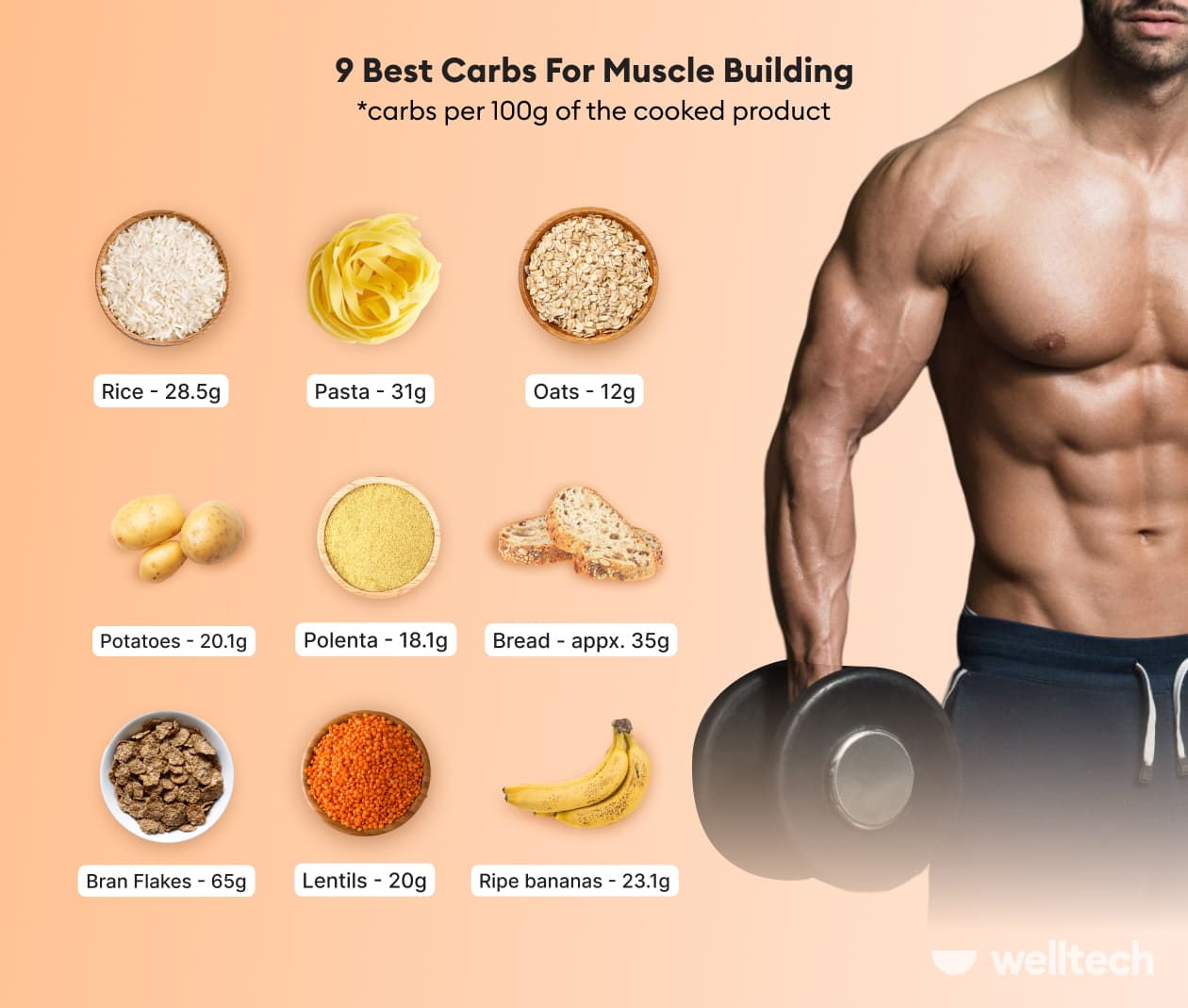
Choosing the right carbohydrates is crucial for muscle building. Carbs provide energy. They fuel workouts and aid recovery. Not all carbs are equal. Some support muscle growth better. Focus on quality, not just quantity. Whole grains, fruits, and vegetables are top choices. They offer nutrients vital for muscle development.
Whole Grains
Whole grains are rich in fiber and vitamins. They provide sustained energy. Oats, brown rice, and quinoa are excellent options. They digest slowly. This keeps energy levels steady. Whole grains also support digestion. They help in nutrient absorption. Choose them over refined grains for better muscle gains.
Fruits And Vegetables
Fruits and vegetables are essential for muscle health. They offer vitamins and antioxidants. These nutrients reduce inflammation. Bananas provide quick energy. They are great for pre-workouts. Leafy greens like spinach boost iron levels. Iron supports oxygen flow to muscles. Berries are rich in antioxidants. They aid in muscle recovery. Include a variety of colors. This ensures a range of nutrients. Aim for fresh or frozen options. They retain the most nutrients.
Frequently Asked Questions
Should You Eat Carbs For Muscle Gain?
Eating carbs aids muscle gain by providing energy for workouts. They replenish glycogen stores post-exercise, boosting recovery and growth. Include complex carbs like whole grains, fruits, and vegetables in your diet. Balance with protein for optimal results. Prioritize nutrient-dense options to maximize muscle-building potential.
What Are Carbs In Muscle Building?
Carbs provide energy for workouts and help replenish glycogen stores. They support muscle growth by fueling resistance training. Consuming carbs post-workout aids in recovery and muscle repair. Including complex carbs, like whole grains and vegetables, can enhance muscle-building efforts while maintaining overall health.
How Do Carbs Affect Muscle Growth?
Carbs are essential for muscle growth as they supply energy for intense workouts. They help replenish glycogen stores, which are crucial for muscle recovery. Consuming carbs post-workout aids in protein synthesis, enhancing muscle repair. Proper carbohydrate intake ensures sustained energy levels and optimal muscle development.
Should I Eat Carbs Before Exercise?
Yes, eating carbs before exercise is beneficial. They provide immediate energy for your workout, enhancing performance and endurance. Consuming carbs 1-2 hours prior can help maintain blood sugar levels. Choose complex carbs, like oatmeal or whole grain bread, for sustained energy during your exercise routine.
Conclusion
Carbs play a vital role in muscle building. They provide essential energy. Your workouts can be more effective with the right carb intake. Muscles need fuel to grow and repair. Choose healthy carbs like whole grains and vegetables. Balance is key for optimal results.
Watch your portions and timing. Eating carbs before and after exercise aids recovery. Listen to your body. Everyone has unique needs for carbs. Adjust based on your activity level. Muscle building thrives on a thoughtful diet plan. Keep experimenting to find what works best for you.
Remember, carbs are not the enemy. They’re allies in your fitness journey.