Are you trying to navigate the world of plant-based eating and wondering if flour tortillas fit into your diet? You’re not alone.
Many people are making the switch to plant-based lifestyles and are curious about which foods align with their new dietary choices. Flour tortillas are a staple in many kitchens, known for their versatility and ease. However, when you’re committed to a plant-based diet, it’s essential to know exactly what’s in your food.
We’ll uncover the truth about flour tortillas and whether they can have a place in your plant-based meals. You’ll discover what ingredients to watch out for, simple swaps to make your tortillas plant-friendly, and how to enjoy your favorite wraps guilt-free. Stay with us, and you might just find that you can have your tortilla and eat it too!
Credit: tofubud.com
Flour Tortillas Ingredients
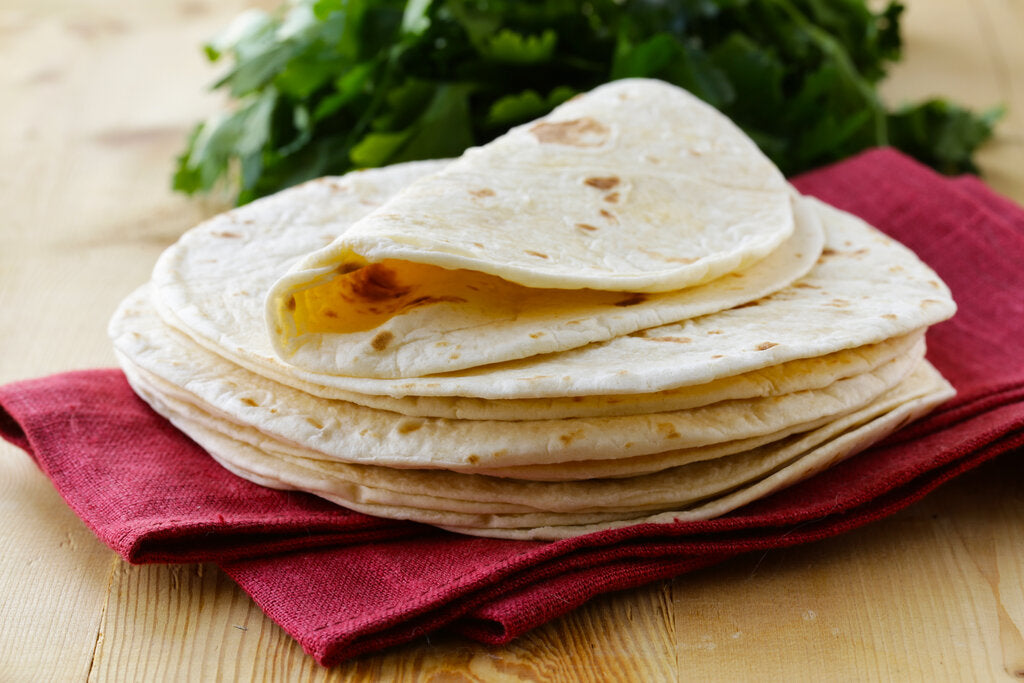
Flour tortillas typically include flour, water, oil, and salt. These ingredients make them suitable for plant-based diets. They are a versatile option for wraps and burritos, offering a tasty and convenient choice for vegan meals.
Flour tortillas are a staple in many cuisines. They are often associated with Mexican dishes. Understanding their ingredients helps determine if they fit a plant-based diet. While they seem simple, their composition can vary. Each component plays a crucial role. Let’s explore what goes into making flour tortillas.Basic Components
Flour tortillas begin with simple ingredients. The main component is all-purpose flour. Flour gives the tortillas their soft texture. Water acts as the binder, ensuring the dough holds together. Salt enhances flavor, making them more enjoyable. Fat is another key ingredient. Traditional recipes use lard, but plant-based alternatives use vegetable oils. Baking powder is sometimes added. It helps the tortillas rise slightly, ensuring softness.Common Additives
Some flour tortillas contain additional ingredients. Preservatives like calcium propionate extend shelf life. They prevent mold, keeping tortillas fresh longer. Emulsifiers may also be present. They ensure the dough remains smooth and pliable. Dough conditioners, like lecithin, improve texture. They make tortillas easier to roll and fold. These additives are usually plant-derived, but checking labels is essential.Plant-based Diet Principles
A plant-based diet emphasizes eating foods derived from plants. It promotes health and sustainability by encouraging whole foods and avoiding animal products. The principles focus on consuming nutrient-rich foods that are minimally processed.
Whole Foods Focus
Whole foods are the cornerstone of a plant-based diet. These include fruits, vegetables, grains, nuts, and seeds. They provide essential nutrients and fiber, supporting overall health. Choosing whole foods ensures maximum nutrition and reduces the intake of additives.
Minimally processed foods retain their natural flavors and benefits. Flour tortillas can fit into this category if made with simple ingredients. Look for those made with whole grain flour and no added fats or sugars. Whole foods offer a vibrant way to enjoy meals while adhering to plant-based principles.
Animal Products Avoidance
A key aspect of a plant-based diet is avoiding animal products. This includes meat, dairy, and eggs. Flour tortillas typically don’t contain these ingredients. Check labels to ensure they are free from animal-based additives.
Choosing plant-based tortillas supports ethical and environmental goals. It aligns with the values of animal welfare and reducing carbon footprint. This principle encourages exploring plant-based alternatives and embracing diverse culinary options.
Flour Tortillas And Plant-based Compatibility
Flour tortillas are a staple in many cuisines. Their soft texture and versatility make them popular. But are they compatible with a plant-based diet? Let’s explore their ingredients and processing methods to find out.
Animal-derived Ingredients
Flour tortillas often contain animal-derived ingredients. Some recipes use lard for richness. This is a type of fat from pigs. It gives tortillas a distinct flavor. To avoid lard, check the ingredient list. Vegetable oil is a good alternative. It offers similar texture without animal products.
Processing Concerns
Processing can affect plant-based compatibility. Some brands use additives. These may include dairy-based stabilizers. They help improve texture and shelf-life. Always read labels carefully. Choose tortillas made with minimal processing. Organic or natural brands might be a better choice.

Credit: nutritionrefined.com
Alternatives To Flour Tortillas
Flour tortillas often contain ingredients not suitable for plant-based diets. Many people seek alternatives that align better with their dietary choices. These alternatives offer variety, nutrition, and taste without compromising on values. By exploring these options, you can find the perfect fit for your meals.
Whole Grain Options
Whole grain tortillas provide more nutrients than regular flour tortillas. They are rich in fiber, which aids digestion and keeps you full longer. Options like whole wheat tortillas are a popular choice. They provide a nutty flavor and chewy texture. Additionally, they have fewer calories than traditional tortillas.
Another option is spelt tortillas. Spelt is an ancient grain known for its rich flavor. It is less processed and contains more nutrients. This makes it a healthier choice for your plant-based diet. Both whole wheat and spelt tortillas offer excellent alternatives.
Gluten-free Choices
For those avoiding gluten, corn tortillas are an ideal choice. Made from masa harina, they are naturally gluten-free and delicious. They are versatile and work well with various fillings. Quinoa tortillas are another gluten-free option. Quinoa is a superfood, packed with protein and essential amino acids.
Coconut flour tortillas provide a unique taste. They are gluten-free and low in carbohydrates. Suitable for those following a low-carb plant-based diet. These options cater to dietary restrictions while adding flavor and nutrition. Enjoy exploring these alternatives to enhance your meals.
Checking Labels And Brands
Choosing the right flour tortillas for a plant-based diet can be a tricky task. With so many brands vying for your attention, how do you know which ones truly align with your dietary preferences? It all boils down to checking labels and brands thoroughly. This ensures you’re not inadvertently consuming animal products.
Ingredient Lists
Start by scrutinizing the ingredient lists on tortilla packaging. This step is crucial in identifying any hidden non-vegan components. Many flour tortillas include ingredients like lard or whey, which are derived from animals.
Look for brands that use simple ingredients like flour, water, oil, and salt. These are more likely to be plant-based. Remember, fewer ingredients often mean fewer chances of animal-derived products sneaking in.
One time, I found a tortilla brand boasting “vegan-friendly” on the label, only to discover it contained whey. Always double-check the list for peace of mind.
Vegan Certification
Another way to ensure your tortillas are plant-based is by looking for vegan certification. This label is a trusted indicator that the product aligns with vegan standards. Not all brands carry this certification, but those that do offer an extra layer of assurance.
Brands like Mission and La Tortilla Factory often have this certification, making them reliable choices. Checking for this label can save you time and eliminate guesswork.
Have you ever considered how much easier shopping would be if more brands adopted vegan certification? It’s a thought that can guide your future shopping decisions.
Next time you’re in the tortilla aisle, challenge yourself to find a brand that meets both ingredient and certification criteria. Your diligence pays off by supporting brands that respect your dietary choices.
Homemade Plant-based Tortillas
Crafting homemade plant-based tortillas can be a delightful culinary adventure. They’re simple to make and allow complete control over ingredients. This ensures they fit perfectly into any plant-based diet. Flour tortillas, a staple in many cuisines, are soft and versatile. Making them at home can be rewarding and delicious.
Simple Recipes
Start with just four basic ingredients: flour, water, salt, and oil. Mix them in a bowl until a smooth dough forms. Let the dough rest for 30 minutes. This helps make the tortillas softer. After resting, divide the dough into small balls. Roll each ball into a thin circle. Cook on a hot skillet for about one minute per side. Simple and tasty.
Customization Tips
Want to add a twist? Consider mixing herbs or spices into the dough. Try garlic powder for an extra kick. Or add chopped spinach for a nutritional boost. For whole grain options, use whole wheat flour instead. You can even experiment with different oils. Olive oil or coconut oil each adds a unique flavor. Adjust the thickness to your liking. Thicker tortillas for hearty wraps. Thinner ones for soft tacos. Enjoy the freedom to create your perfect tortilla.

Credit: www.reddit.com
Frequently Asked Questions
Are Flour Tortillas Considered Plant-based?
Flour tortillas are typically plant-based, made from flour, water, and oil. However, check for animal-derived ingredients like lard. Always read labels to ensure compliance with a plant-based diet. Some brands might use additives or preservatives that aren’t plant-based. Opt for homemade versions for full control over ingredients.
Do Flour Tortillas Contain Dairy Or Eggs?
Most flour tortillas do not contain dairy or eggs. They usually consist of flour, water, and oil. However, some store-bought options might include dairy-based preservatives. Always check the packaging to ensure they align with your dietary preferences. For a sure plant-based option, consider making your own tortillas at home.
Are Store-bought Tortillas Plant-based?
Many store-bought tortillas are plant-based, but ingredients can vary. Always inspect the label for non-plant-based additives or preservatives. Some brands might use lard or dairy-based ingredients. To ensure they fit a plant-based diet, choose brands known for vegan-friendly products or make them from scratch at home.
Can Vegans Eat Flour Tortillas?
Vegans can eat flour tortillas if they contain no animal products. Check for ingredients like lard or dairy-based preservatives. Most traditional recipes are vegan-friendly, but always verify with store-bought options. Homemade tortillas offer more control over ingredients, ensuring they meet vegan dietary requirements.
Conclusion
Flour tortillas can fit into a plant-based diet. Check ingredients carefully. Some may contain animal products like lard. Opt for tortillas made with plant-based oils instead. Homemade options offer full control over ingredients. Whole grain flour tortillas add extra nutrients and fiber.
Choosing the right tortilla supports your dietary goals. A mindful approach helps maintain a plant-based lifestyle. Always read labels to ensure they align with your values. Enjoy tortillas in moderation as part of a balanced diet. Simple swaps make plant-based eating accessible and satisfying.
Your journey to plant-based living starts with informed choices.