Are you considering a grain-free diet for your dog? You’ve likely heard mixed opinions, and now you’re wondering what truly is best for your furry friend.
With pet food choices expanding and trends continuously evolving, it’s easy to get caught up in the whirlwind of advice. You want what’s best for your dog, but the conflicting information can be overwhelming. Are grain-free diets beneficial, or do they pose hidden risks that you should be aware of?
This article is here to help you navigate through the confusion, providing clear answers and insights that matter to you and your pet’s health. Keep reading to discover the truth behind grain-free diets and whether they are the right choice for your beloved canine companion.

Credit: kohapet.com
The Rise Of Grain-free Diets
Grain-free diets for dogs have become increasingly popular over the last few years. Many pet owners believe these diets are healthier for their furry friends. But why have grain-free options gained so much traction?
Popularity Among Pet Owners
Walk into any pet store, and you’ll see shelves filled with grain-free dog food. It’s a choice many pet owners make, thinking it might be more natural or better for their pets. Some believe grains can cause allergies or digestive issues. Have you ever wondered if this is truly the case?
Pet owners often share stories of improved energy and shinier coats after switching to grain-free diets. Such anecdotes can be quite convincing. However, it’s crucial to look beyond personal experiences and consult with your veterinarian.
Marketing Influence
The pet food industry knows how to sell a story. Grain-free diets are marketed as premium, with packaging that often highlights ‘real meat’ and ‘natural ingredients.’ This can make you feel like you’re choosing the best for your pet. But how much of this is marketing hype?
Consider the emotional appeal in ads that suggest grain-free equals healthier. It’s easy to get swept up by claims without checking scientific evidence. Remember, clever marketing can sway decisions, but your pet’s health should come first.
As you navigate the world of pet diets, ask yourself: Is grain-free genuinely beneficial, or is it just another trend? Your pet’s well-being depends on informed choices, not just popular ones.
Nutritional Needs Of Dogs
Understanding the nutritional needs of dogs is crucial for ensuring their health and vitality. Just like humans, dogs require a balanced diet to thrive. While grain-free diets are gaining popularity, it’s essential to know what nutrients your furry friend truly needs. Let’s dive into the essential nutrients and the role carbohydrates play in your dog’s diet.
Essential Nutrients
Your dog needs a variety of nutrients to stay healthy. Proteins, fats, vitamins, and minerals are all vital components of a dog’s diet. Proteins help in building and repairing tissues. They play a significant role in muscle development.
Fats provide energy and support cell growth. They also keep your dog’s skin and coat healthy. Without these, your dog may suffer from dry skin or lackluster fur.
Vitamins and minerals support various bodily functions. Calcium and phosphorus are crucial for bone health, while iron supports healthy blood. Missing out on these can lead to deficiencies that affect your dog’s health.
Role Of Carbohydrates
Carbohydrates often get a bad rap in dog diets. However, they can be beneficial. Carbs provide energy and are a good source of fiber. Fiber aids digestion and helps maintain a healthy weight.
Some dogs digest grains well, while others may not. It’s important to observe how your dog reacts to carbs. If your dog is active, carbohydrates can fuel their energy needs effectively.
Consider whether your dog has specific dietary needs or allergies. If grains don’t cause issues, they can be a part of a balanced diet. Are grain-free diets always better, or is it just a trend?
Understanding your dog’s nutritional needs helps you make informed choices. What works for one dog might not work for another. It’s all about finding the right balance that suits your pet.
Common Ingredients In Grain-free Diets
Many grain-free diets feature sweet potatoes, peas, and lentils as common ingredients. These provide essential nutrients and energy. Some experts question if these diets lack necessary grains for optimal dog health.
Grain-free diets for dogs have become popular. Many dog owners choose these diets for various reasons. But what do these diets actually contain? Let’s explore some common ingredients found in grain-free dog foods.Alternative Sources
Grain-free diets often use different sources of carbohydrates. Potatoes and sweet potatoes are common choices. They provide energy and are easy to digest. Peas and lentils are also popular. They add protein and fiber. These ingredients replace grains like wheat and corn. They help maintain a balanced diet for dogs.Potential Benefits
Switching to grain-free may offer benefits for some dogs. Some dogs have grain allergies or sensitivities. Grain-free diets can reduce allergic reactions. They might improve skin health and coat condition. Some owners report better digestion and less bloating. Dogs may also have more energy. These benefits make grain-free diets appealing. But it’s important to consult a vet first.
Credit: www.petmd.com
Health Concerns Linked To Grain-free Diets
Many pet owners have switched their dogs to grain-free diets, thinking it’s a healthier option. However, these diets have raised some health concerns. It’s important to understand how grain-free diets can affect your dog’s well-being.
Heart Disease Risk
Grain-free diets have been linked to heart disease in dogs, particularly dilated cardiomyopathy (DCM). This condition weakens the heart muscle, leading to heart failure. Studies have shown a connection between certain grain-free foods and DCM. As a dog owner, you need to be aware of this risk. Consider consulting your vet before making dietary changes. Is avoiding grains worth risking your dog’s heart health?
Digestive Issues
While some dogs may have grain sensitivities, removing grains completely can sometimes lead to digestive problems. Grains like rice and oats can be gentle on a dog’s stomach. When these are removed, your dog might experience diarrhea or upset stomach. You may notice your dog becoming less energetic or eating less. Have you seen changes in your dog’s digestion after switching to grain-free? It’s crucial to monitor these signs and adjust the diet accordingly.
Choosing the right diet for your dog is not just about following trends. It’s about understanding what works for your dog’s unique needs. Always prioritize their health and happiness when making dietary decisions.
Scientific Studies And Findings
Recent scientific studies explore grain-free diets for dogs. Findings suggest potential links to heart disease in canines. Pet owners are encouraged to consult veterinarians before making dietary changes.
Choosing the right diet for your dog can be overwhelming, especially when it comes to grain-free options. Many pet owners wonder if these diets are truly beneficial or potentially harmful. To shed light on this, scientific studies have examined the effects of grain-free diets on dogs, offering insights that help you make informed decisions.Research Outcomes
Recent studies have explored how grain-free diets affect dogs’ health. Some research suggests potential links between grain-free foods and heart issues in dogs. Specifically, a condition known as dilated cardiomyopathy (DCM) has been observed in some dogs consuming grain-free diets. However, not all studies agree on the severity or direct causation of these findings. While some dogs may develop DCM, others thrive. This inconsistency raises questions about other contributing factors like breed, lifestyle, and overall diet composition.Expert Opinions
Veterinarians and nutrition experts are divided on the grain-free debate. Dr. Jane Doe, a renowned vet, emphasizes moderation. She often advises dog owners to consider their pet’s specific needs rather than blindly following trends. On the other hand, Dr. John Smith points out the importance of balanced diets. He suggests that unless a dog has a specific allergy, grains can be a part of a healthy diet. His experience shows that balance is key, and introducing grains doesn’t necessarily harm your pet. As a dog owner, how do you navigate these contrasting views? It might be helpful to consult your vet, paying attention to your dog’s unique health needs. Have you noticed any changes in your pet’s energy levels or coat condition? These signs could guide your decision on whether to include or exclude grains. Understanding the science behind grain-free diets empowers you to choose what’s best for your furry friend. What actions will you take to ensure your dog stays healthy and happy?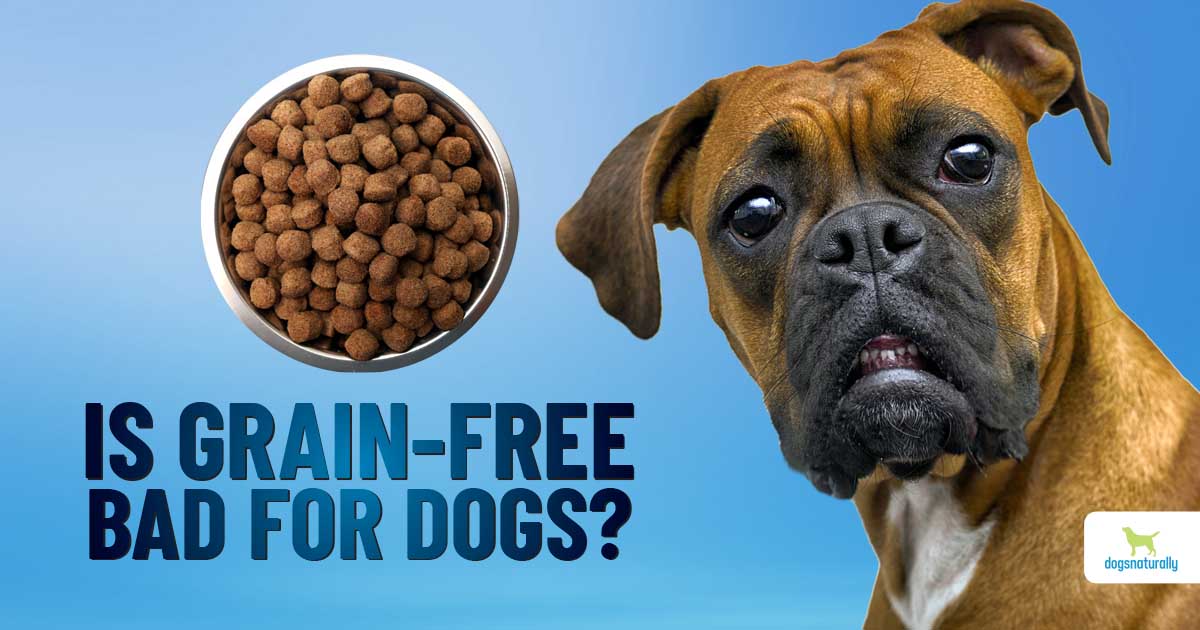
Credit: propelbikes.com
Evaluating The Best Diet For Your Dog
Grain-free diets for dogs are gaining popularity. Some worry about potential health issues. Understanding your dog’s nutritional needs is crucial. Always consult a vet before making dietary changes.
Evaluating the Best Diet for Your Dog Choosing the right diet for your dog can feel overwhelming. With so many options and opinions, it’s easy to get confused. Are grain-free diets a fad, or do they offer genuine benefits for your pet? Let’s explore how you can make the best dietary choice for your furry friend.Consulting Veterinarians
Your veterinarian is your best ally in determining your dog’s dietary needs. They have the expertise to guide you through the complexities of canine nutrition. Trust their advice to help navigate any health concerns you might have. Consider scheduling regular check-ups to discuss your dog’s diet. These visits can uncover any potential health issues early. Keep an open dialogue to ensure your pet’s diet evolves with their changing needs.Tailoring Diets To Individual Needs
Every dog is unique. What works for one might not work for another. Think about your dog’s age, breed, and activity level when considering dietary changes. If your dog has a specific health condition, such as allergies or digestive issues, tailor their diet accordingly. You might find that a grain-free diet is beneficial or unnecessary. Pay attention to your dog’s reactions to different foods. Have you ever noticed your dog’s energy levels change with their diet? This could be a sign that certain ingredients aren’t suitable. Keep a food diary to track what they eat and how they feel. This practical approach helps you make informed decisions. Ultimately, your goal is to ensure your dog is happy and healthy. Ask yourself, is my dog thriving on this diet? If the answer is no, it might be time to reevaluate their food options.Myths And Misconceptions
Some believe grain-free diets harm dogs. Grain-free does not mean carb-free, and dogs need carbohydrates. Consult your vet before changing your dog’s diet.
Navigating the world of canine nutrition can be daunting, especially with the rise of grain-free diets. Pet owners often encounter myths and misconceptions, leaving them puzzled about what’s best for their furry friends. It’s crucial to sift through the noise and uncover the truth behind these popular beliefs.Debunking Popular Beliefs
Many people believe grain-free diets are inherently healthier for dogs. This idea stems from the notion that grains are just fillers without nutritional value. However, grains like brown rice and oats are excellent sources of energy and fiber. They also provide essential nutrients that contribute to a balanced diet. Another common myth is that grain-free diets prevent allergies. While some dogs have grain sensitivities, it’s not as widespread as often perceived. The actual culprits are usually proteins like beef or chicken. Before switching your dog’s food, consult with a veterinarian to identify specific allergens. Some dog owners think that grain-free diets are akin to a dog’s ancestral diet. However, domestic dogs have evolved alongside humans and can digest grains. Unlike their wild ancestors, modern dogs have adapted to a varied diet that includes grains.Understanding Labels
Reading pet food labels can feel like deciphering a foreign language. Many grain-free products boast about being “natural” or “holistic,” but these terms can be misleading. They don’t necessarily mean the food is better or healthier for your dog. It’s vital to focus on the ingredient list and nutritional adequacy statement. Look for complete and balanced nutrition that meets your dog’s specific life stage and activity level. Ensure the food provides all the necessary vitamins, minerals, and nutrients. Pay attention to the first few ingredients. These should be high-quality proteins and wholesome carbohydrates, not fillers or by-products. Remember, a higher price tag doesn’t always equate to better quality. Have you ever been swayed by flashy packaging or buzzwords on pet food labels? It’s easy to get caught up in marketing tactics. Being informed and critical can help you make the best dietary choices for your dog. Taking the time to debunk myths and understand labels will empower you to make informed decisions. Your dog’s health and happiness depend on a well-rounded diet, not on the latest trends.Frequently Asked Questions
What Are Grain-free Diets For Dogs?
Grain-free diets exclude grains like wheat, corn, and rice. They replace grains with other carbohydrate sources such as potatoes or legumes. These diets are often marketed as healthier alternatives, but it’s crucial to ensure they meet your dog’s nutritional needs.
Are Grain-free Diets Safe For All Dogs?
Grain-free diets are not inherently unsafe, but they may not suit all dogs. Some dogs thrive on grain-inclusive diets. Consult a veterinarian before switching to ensure your dog’s dietary needs are met.
Can Grain-free Diets Cause Health Issues In Dogs?
Some studies link grain-free diets to heart issues like dilated cardiomyopathy. It’s important to monitor your dog’s health. Consult with a vet to determine if a grain-free diet is suitable for your dog’s health requirements.
Why Do Some Dog Owners Choose Grain-free Diets?
Some owners believe grain-free diets are more natural or healthier. They may choose these diets due to perceived allergies or digestive issues. It’s essential to evaluate the dog’s specific dietary needs and consult a veterinarian.
Conclusion
Deciding on a dog’s diet isn’t easy. Grain-free diets may suit some dogs. But they might not work for others. Always consult your vet first. They can guide you based on your dog’s needs. Watch for any changes in your dog’s health.
This includes energy levels, coat condition, and digestion. Dogs are unique, just like their dietary needs. It’s important to choose what’s best for your furry friend. Remember, a balanced diet is key. Keep your dog’s health a top priority. Make informed choices for their well-being.