Are you curious about the accuracy of gym body scans? You’re not alone.
With advancements in technology, many fitness enthusiasts are turning to body scans for a precise look at their health and fitness levels. But how reliable are these scans? You might be wondering if they can truly capture your body’s progress or if they’re just another gimmick.
Before you invest your time and money, it’s crucial to understand what these scans offer and their limitations. Stick around, as we delve into the intriguing world of gym body scans, separating myth from reality and helping you make informed decisions about your fitness journey. Your health deserves nothing less than the truth.
Credit: evolt360.com
Gym Body Scans Technology
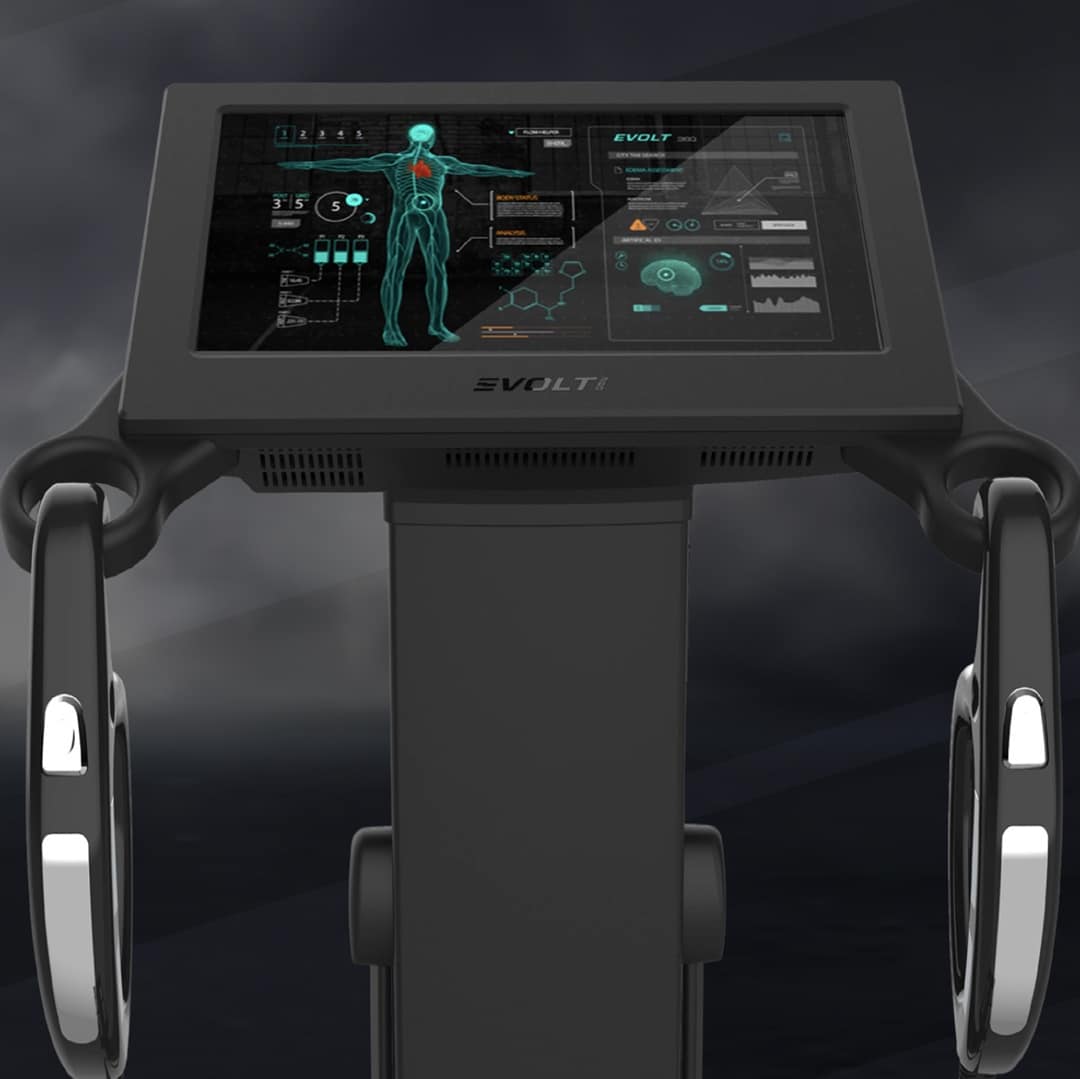
Gym body scan technology offers a detailed look at body composition. It has become popular for those aiming to understand their fitness progress. Many gyms now offer this advanced technology. It helps users track changes in muscle, fat, and overall health. But how exactly do these scans work?
Types Of Body Scans
Various body scans are available in gyms. The most common types include DEXA scans, Bioelectrical Impedance Analysis (BIA), and 3D body scanners. DEXA scans provide a detailed image of bone density and fat distribution. BIA is often used for its quick and non-invasive nature. It estimates body composition by sending electrical signals through the body. 3D body scanners create a visual model of your physique. Each type offers unique insights into body composition.
How Body Scans Work
Each body scan type functions differently. DEXA scans use low-dose X-rays to measure bone and tissue. This scan provides a comprehensive view of body composition. BIA works by sending small electrical currents through the body. The resistance encountered helps determine body fat percentage. 3D scanners capture images from all angles. They use these images to create a 3D model of the body. This model helps track changes in shape and size over time.

Credit: www.reddit.com
Accuracy Of Body Scans
Understanding the accuracy of gym body scans is crucial. These scans offer insights into body composition, tracking changes over time. Many fitness enthusiasts rely on them to monitor progress. But how accurate are they? Let’s delve into factors influencing accuracy and compare different technologies.
Factors Affecting Accuracy
Several elements impact scan accuracy. The device used plays a significant role. Advanced equipment often yields better results. User positioning during the scan matters too. Incorrect posture can lead to errors. Hydration levels affect results. Dehydration may skew data, leading to inaccurate readings. Timing is another factor. Scans at different times of day can vary.
Comparing Different Technologies
Various technologies are available for body scans. Bioelectrical Impedance Analysis (BIA) is common. It measures resistance to electrical currents. BIA is quick but influenced by hydration. Dual-Energy X-ray Absorptiometry (DEXA) provides detailed data. It uses low-dose X-rays for precise measurements. DEXA is considered highly accurate. Then there’s 3D body scanning. It captures body shape and size visually. It’s useful for tracking changes in appearance.
Scientific Validation
Understanding the accuracy of gym body scans is vital for fitness enthusiasts. Scientific validation plays a crucial role in assessing their reliability. It involves examining research studies and gathering expert opinions. Together, these elements help determine the credibility of body scan results.
Research Studies And Findings
Several studies have evaluated the accuracy of gym body scans. Research shows that these scans offer a reasonable estimation of body composition. They measure fat mass, muscle mass, and bone density. However, results can vary based on the technology used. Factors like hydration levels and recent meals can affect accuracy. Studies highlight the importance of consistent conditions during scans.
Expert Opinions
Experts provide valuable insights into gym body scans’ reliability. Many fitness professionals trust these tools for tracking progress. They emphasize using scans as part of a broader fitness assessment. Experts suggest combining scans with other metrics for a complete picture. This approach helps in setting realistic fitness goals. Listening to expert advice can enhance understanding of scan results.
Pros And Cons Of Body Scans
The debate over the accuracy of gym body scans is a hot topic. These high-tech tools promise to revolutionize how you track your fitness progress. However, like any technology, they come with their set of advantages and disadvantages. Understanding the pros and cons can help you make an informed decision about incorporating body scans into your fitness routine.
Benefits Of Using Body Scans
Body scans offer a detailed insight into your physical health. They measure things like body fat percentage, muscle mass, and bone density. This data can be more precise than simply stepping on a scale.
Another advantage is the ability to track changes over time. Body scans can show you small improvements that might not be visible in the mirror. This can be encouraging, especially if you’re on a long fitness journey.
Plus, they provide a personalized approach to fitness. You get tailored recommendations based on your body composition. This can help you focus your workouts and diet more effectively.
Limitations And Concerns
Despite the benefits, body scans have limitations. They rely on algorithms and can sometimes misinterpret data. This might lead to inaccuracies in your results.
Another concern is cost. These scans can be expensive and may not fit every budget. You need to weigh the financial investment against the potential benefits.
Privacy is also a consideration. You’re sharing personal health data, and it’s crucial to understand how your information will be used and stored. Are you comfortable with the level of data security provided?
Given these points, it’s worth asking yourself: Do the benefits of body scans outweigh the drawbacks for you? Understanding both sides can help you make a decision that aligns with your fitness goals and values.
Alternatives To Body Scans
Body scans at the gym can be helpful, but they’re not always spot-on. You might wonder if there are better ways to track your fitness progress. Let’s dive into some alternatives that could offer a clearer picture of your health journey.
Traditional Methods
Before fancy machines, people relied on simple tools. Measuring tape and scales are still popular. You can easily track changes in your waist or hip size. It’s straightforward and cost-effective.
Keeping a workout diary is another old-school trick. Write down your exercises and how you feel. Over time, you’ll see patterns and improvements. This method connects your physical and emotional progress.
Have you tried the mirror test? Stand in front of the mirror and observe changes. It’s a personal and visual method that can offer instant feedback on your body transformation.
Emerging Technologies
Technology is advancing rapidly, bringing fresh alternatives to the table. Have you heard of wearable fitness trackers? They monitor your activity levels, sleep patterns, and heart rate.
Smartphone apps are also gaining popularity. They offer detailed insights into your diet and exercise routines. Some even suggest workouts based on your goals.
Are you open to virtual reality workouts? They immerse you in a different environment, making exercise fun and engaging. This innovative approach could be the motivation you need.
Considering these options, what method aligns best with your lifestyle and goals? Sometimes, blending traditional methods with new technologies offers the most comprehensive view of your fitness journey.
Impact On Fitness Goals
Gym body scans can influence your fitness goals. Accuracy varies, affecting how you measure progress. Rely on them as one of many tools to track changes in your body.
Understanding the accuracy of gym body scans can significantly impact your fitness goals. These scans provide detailed insights into your body composition, which can guide your workout and nutrition plans. However, it’s crucial to use these results wisely to avoid frustration and stay motivated on your fitness journey.Setting Realistic Expectations
Body scans can be a valuable tool, but it’s essential to set realistic expectations. No scan is 100% accurate, and results can vary based on factors like hydration levels and machine calibration. Instead of obsessing over minor fluctuations, focus on long-term trends to get a clearer picture of your progress. Are you expecting drastic changes in a short time? It’s important to remember that fitness is a marathon, not a sprint. These scans can help track progress, but they are just one piece of the puzzle.Using Results To Enhance Workouts
Once you have your body scan results, use them to tailor your workouts. If the scan shows higher body fat, consider adding more cardio or high-intensity interval training to your routine. If muscle mass is your goal, focus on strength training and ensure you’re lifting weights regularly. Personal story: I once used a body scan and found my muscle mass was lower than I thought. This motivated me to include more resistance training, and I saw improvements in just a few months. How will you adjust your workouts to achieve your goals? Engage with your results. Don’t just glance at the numbers; let them guide you in making informed decisions about your fitness regimen. Are you ready to let data drive your workout strategy?Future Of Body Scans
Gym body scans offer a glimpse into fitness progress. Accuracy varies with technology and user consistency. Regular updates may enhance their reliability.
The future of body scans in gyms promises exciting possibilities. As technology advances, these scans become more precise and accessible. This means better insights into your fitness journey. Understanding your body composition can lead to better training decisions. Let’s explore how technology is shaping this future.Technological Advancements
New technologies are making body scans more detailed. Modern scanners use advanced imaging techniques. They can measure fat, muscle, and bone density. This provides a complete picture of your body health. Such progress helps users track changes accurately over time.Potential For Improved Accuracy
With tech improvements, accuracy in body scans is increasing. Enhanced sensors and algorithms offer precise measurements. This means fewer errors in data interpretation. Users can trust the results to guide their fitness plans. Improved accuracy leads to better health outcomes.
Credit: www.instagram.com
Frequently Asked Questions
How Accurate Are Body Scanners At The Gym?
Body scanners at the gym offer a general estimate of body composition. Their accuracy can vary due to factors like hydration and recent meals. It’s advisable to use them consistently at the same time and conditions for better results. Consult professionals for more precise assessments.
Are Body Scans At Gyms Worth It?
Body scans at gyms provide detailed insights into your fitness progress. They help track muscle, fat, and overall health. Accurate data can enhance workout plans. Consider cost and privacy concerns before deciding. Most find them beneficial for achieving fitness goals.
Choose a gym with reliable equipment and trained staff.
How Accurate Are Body Scans?
Body scans offer high accuracy, typically 90-95%, depending on the technology and technique used. Regular calibration and professional operation enhance precision. Despite their reliability, body scans can occasionally produce errors due to movement or incorrect positioning. Always consult a professional for the best results.
Are Gym Body Fat Calculators Accurate?
Gym body fat calculators offer estimates but aren’t highly accurate. Their reliability varies based on the method used. Factors like hydration and recent exercise can affect results. For precise measurements, consult a professional using advanced methods such as DEXA scans or hydrostatic weighing.
Always combine calculator results with other fitness assessments.
Conclusion
Gym body scans offer useful insights into body composition. They can help track fitness progress. Accuracy varies depending on the device used. Some are more precise than others. Always combine scans with other fitness assessments. Consult a fitness professional for a complete view.
Relying solely on scans might not be wise. Use them as a part of a broader fitness plan. This ensures better health and fitness outcomes. Remember, consistency in workouts and diet matters most. Stay informed. Stay healthy.