Are you looking to shed some pounds while still enjoying delicious meals? You might be surprised to learn that the humble potato could be your new best friend in your weight loss journey.
Imagine a food that is filling, nutritious, and versatile, yet often misunderstood in the world of dieting. Does it sound too good to be true? Keep reading to uncover the truth about potatoes and how they can fit into your weight loss plan.
Discover the benefits, the myths, and the tasty ways to incorporate them into your diet without guilt or worry. Are you ready to find out if potatoes can actually help you achieve your weight loss goals? Let’s dig in and reveal the secrets of this underestimated vegetable!

Credit: www.facebook.com
Nutritional Value Of Potatoes
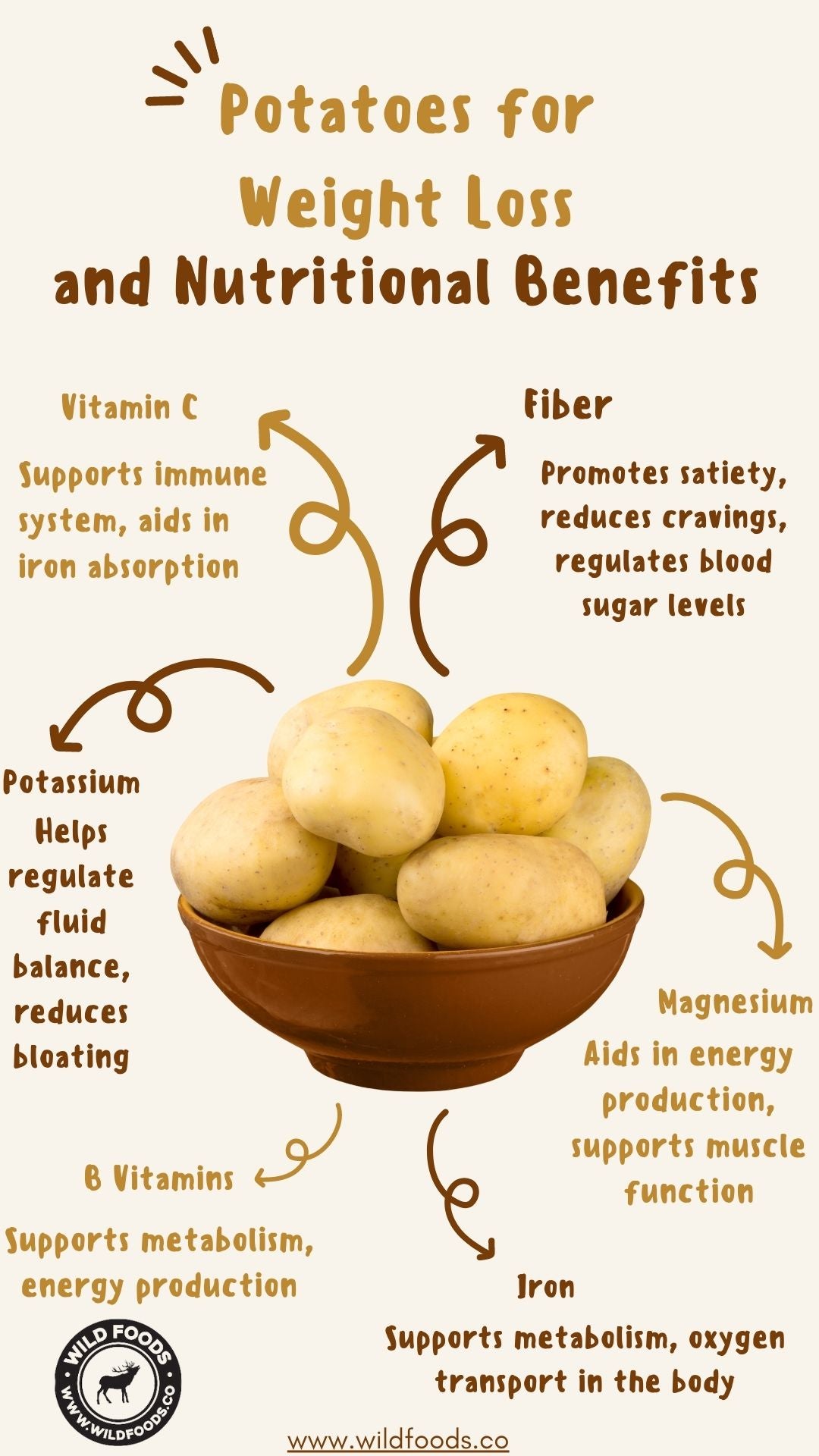
Potatoes can be a part of a weight loss plan. They are low in calories and high in fiber. This helps you feel full longer. Plus, they provide essential nutrients like vitamin C and potassium. Eating them in moderation and without high-calorie toppings can support weight management.
Potatoes often get a bad rap when it comes to weight loss, but the truth is, they pack a nutritional punch that can actually be beneficial. Understanding the nutritional value of potatoes can help you make informed decisions about including them in your diet. Let’s dig into what makes potatoes a potentially smart choice for weight management.Calories And Macronutrients
Potatoes are a surprisingly low-calorie food. A medium-sized potato has about 110 calories. This makes them a good option if you’re watching your calorie intake. They are also rich in carbohydrates, which are your body’s primary source of energy. Carbs from potatoes are complex, meaning they break down slowly, providing you with sustained energy. A single potato provides around 26 grams of carbohydrates and is virtually fat-free, making it a filling yet light option.Vitamins And Minerals
Potatoes are more than just carbs and calories; they are a treasure trove of essential vitamins and minerals. They are rich in vitamin C, which boosts your immune system and helps in the absorption of iron. A medium potato can offer about 27 mg of vitamin C, which is nearly half of your daily requirement. They also contain significant amounts of potassium, which can help regulate blood pressure. A medium-sized potato provides more potassium than a banana. Have you ever considered how this could benefit your heart health? Additionally, potatoes offer B vitamins, including B6, which supports brain health. If you’re looking for a natural way to give your brain a boost, potatoes could be your new best friend. Including potatoes in your diet doesn’t mean compromising on nutrition. With their rich array of vitamins and minerals, they can be part of a balanced, weight-conscious eating plan. So, next time you think about cutting potatoes from your diet, remember their nutritional value and consider how they can fit into your weight loss journey.Potatoes And Satiety
Potatoes can help with weight loss because they make you feel full. They have fiber and nutrients that keep hunger away. Eating them in moderation can support a balanced diet.
Potatoes often get a bad rap in the dieting world, but their role in promoting satiety might make you think twice. Satiety is the feeling of fullness and satisfaction after eating. It’s crucial for weight loss because it helps control your appetite and prevent overeating. Let’s dive into how potatoes can be a surprising ally in your journey to shed those extra pounds.High Fiber Content
Potatoes are packed with fiber, which is essential for feeling full. Eating a fiber-rich diet can help you stay satisfied longer. This is because fiber adds bulk to your meals without adding extra calories. Imagine enjoying a baked potato as a side dish. The fiber in the potato can help slow down digestion, allowing you to feel fuller for a more extended period. This means you might find yourself snacking less often throughout the day.Impact On Hunger Hormones
Did you know that potatoes can influence your hunger hormones? They contain a compound called resistant starch. This starch acts like fiber and can impact hormones that control your appetite. When you eat potatoes, resistant starch can help lower levels of the hunger hormone, ghrelin. This can reduce those pesky cravings that often derail your weight loss efforts. Think about the last time you reached for a sugary snack. Replacing it with a small portion of potatoes could help curb that craving. Have you ever considered how small changes like this could make a big difference in your weight loss journey? Next time you’re planning a meal, consider adding potatoes to your plate. Their ability to promote satiety might just be the secret weapon you need for successful weight loss.Potatoes Vs. Other Carbohydrates
Potatoes offer low-calorie, nutrient-rich options compared to other carbohydrates. Their fiber content helps keep you full longer. Choosing potatoes wisely can aid weight management without sacrificing flavor.
When it comes to choosing carbohydrates for weight loss, the question often arises: are potatoes better than other starchy options like rice and pasta? This debate can leave you scratching your head, especially if you’re trying to make healthier food choices. Let’s dive into the specifics and see how potatoes stack up against these popular carbs.Comparison With Rice And Pasta
Potatoes, rice, and pasta are staples in many diets, but which one should you reach for if weight loss is your goal? Potatoes are naturally lower in calories compared to rice and pasta. A medium-sized potato contains about 110 calories, while a cup of cooked rice has around 200 calories, and pasta can have up to 220 calories per cup. Another point to consider is the nutritional content. Potatoes offer more vitamins and minerals like vitamin C and potassium. Rice and pasta, especially white versions, are often stripped of nutrients during processing. Choosing whole grain options can help, but potatoes still come out ahead with their natural nutrient density.Glycemic Index And Weight Management
The glycemic index (GI) measures how quickly a carbohydrate raises your blood sugar levels. High GI foods can lead to spikes, followed by crashes, leaving you hungry and craving more. Potatoes have a moderate to high GI, depending on how they’re prepared. Boiled potatoes, for example, have a lower GI than baked ones. Rice and pasta also vary in their GI values. White rice and pasta have higher GIs compared to their whole-grain counterparts. If you’re focused on weight management, it might be smart to pair any of these carbs with fiber-rich vegetables or proteins to stabilize blood sugar levels. Have you ever noticed feeling fuller after eating potatoes compared to a bowl of pasta? Potatoes contain resistant starch, which acts more like fiber in your body. It can help you feel satisfied longer, potentially reducing your overall calorie intake. So, next time you’re planning a meal, remember that potatoes can be a smart choice for those watching their weight. They offer satiety and essential nutrients, making them a valuable addition to your diet. What will you choose to fuel your next meal?
Credit: www.manuelvillacorta.com
Preparation Methods Matter
Potatoes are a popular food choice. Their preparation can affect your weight loss journey. Cooking methods influence their nutritional value. A healthy preparation method can make them beneficial.
Boiled Vs. Fried
Boiling potatoes retains their nutrients. This method keeps calories low. Boiled potatoes are filling. They can reduce hunger pangs. Frying potatoes increases fat content. Fried potatoes are rich in calories. This makes them less ideal for weight loss. Oil used in frying adds extra calories. Choose boiling for healthier potatoes.
Healthy Cooking Techniques
Steaming is a great option. It preserves vitamins and minerals. Baking is another healthy method. It uses minimal oil, keeping calories in check. Roasting can be healthy too. Use a little olive oil for flavor. Avoid deep-frying or pan-frying. These methods add unnecessary calories. Opt for healthier techniques for better results.
Incorporating Potatoes In A Balanced Diet
Potatoes can be part of a weight loss diet due to their low calorie and high fiber content. Rich in vitamins, they provide a feeling of fullness, which helps prevent overeating. Choosing boiled or baked potatoes instead of fried options keeps them healthy and beneficial for managing weight.
Potatoes often get a bad rap in the world of weight loss. Yet, they can be a valuable addition to your balanced diet. Rich in essential vitamins and minerals, potatoes are versatile and satisfying. The key is knowing how to integrate them wisely into your meals.Meal Planning Tips
Planning your meals around potatoes can be straightforward and fun. Try adding baked potatoes to your lunch for a filling, low-calorie option. Pair them with lean protein like grilled chicken or tofu to keep your energy steady. Consider swapping out higher-calorie sides with mashed or roasted potatoes. Their high fiber content helps you feel fuller longer, curbing those mid-afternoon snack cravings.Portion Control Strategies
Controlling portion sizes is crucial with potatoes. You can enjoy them without overindulging by keeping portions in check. Use a food scale to measure your potato servings, aiming for about one medium-sized potato per meal. Think about cutting your potatoes into smaller pieces. This can make them seem more substantial, tricking your mind into feeling satisfied with less. Have you ever noticed how small bites can slow down your eating pace? It’s a simple tactic that can help you savor your meals more mindfully. When you focus on balancing portion sizes and meal components, potatoes can be a tasty, nutritious ally in your weight loss journey.Potential Misconceptions
People often question if potatoes fit into a weight loss diet. Some misconceptions surround this starchy vegetable. Many believe potatoes lead to weight gain. This belief may cause them to avoid potatoes completely. But is this belief true? Let’s explore the potential misconceptions.
Debunking Common Myths
Many think potatoes cause weight gain due to their carbs. But not all carbs are bad. Potatoes are rich in nutrients. They offer vitamins, minerals, and fiber. Fiber helps keep you full longer. It aids in managing hunger. Not all potato preparations are equal. Deep-fried potatoes can add extra calories. Baked or boiled potatoes are healthier options. The way you cook potatoes affects their health impact.
Understanding Weight Loss Impacts
Potatoes are low in calories. They can fit into a calorie-controlled diet. One medium potato contains about 110 calories. They offer energy without adding much fat. Their high water content helps keep you hydrated. Potatoes have a high satiety index. This means they help you feel full. Feeling full can prevent overeating. Portion control is essential. Balance potato intake with other healthy foods.

Credit: timesofindia.indiatimes.com
Frequently Asked Questions
Can I Eat Potatoes And Still Lose Weight?
Yes, you can eat potatoes and still lose weight. Focus on portion control and preparation methods. Choose boiled or baked potatoes over fried ones. Pair them with vegetables and lean proteins for a balanced meal. Remember, moderation is key to achieving weight loss goals while enjoying potatoes.
Can I Eat Potatoes If I Want To Lose Belly Fat?
Yes, you can eat potatoes while losing belly fat. Choose boiled or baked potatoes over fried ones. They are nutritious, filling, and provide energy. Portion control and balanced meals with vegetables and proteins support weight loss. Include exercise and a healthy lifestyle for effective results.
Is Potatoes Better Than Rice For Weight Loss?
Potatoes and rice can both fit into a weight loss plan. Potatoes are lower in calories and carbohydrates. Choose portion sizes wisely and opt for healthier cooking methods. Balance them with vegetables and protein for effective weight management.
How To Lose 2 Lbs A Week?
To lose 2 lbs a week, create a 1,000-calorie daily deficit. Eat balanced meals with lean proteins, whole grains, and vegetables. Exercise regularly, incorporating both cardio and strength training. Stay hydrated and get enough sleep. Consistency is crucial for effective and sustainable weight loss.
Conclusion
Potatoes can fit into a healthy weight loss plan. They are low in calories and rich in nutrients. Eating them in moderation helps maintain a balanced diet. Opt for boiled or baked potatoes. Avoid frying to reduce extra calories. Pair them with vegetables or lean proteins.
This creates a satisfying meal. Listen to your body’s hunger signals. Stay active and enjoy a variety of foods. Balance is key. Potatoes alone won’t make you lose weight. They can support your journey when eaten wisely. Always consult a health professional for personalized advice.