Are you on a quest to build muscle but tired of the same old gym routine? You’ve probably heard about resistance bands and might be wondering if they can really help you achieve those muscle-building goals.
Imagine being able to work out anytime, anywhere, without the need for bulky equipment. Sounds appealing, right? Resistance bands have gained popularity for their convenience and versatility. They promise a full-body workout that can challenge even the most seasoned gym-goer.
But do they really deliver when it comes to building muscle? Before you invest in a set, let’s dive into the science and practicality behind these stretchy workout tools. Discover how they could revolutionize your fitness routine and help you sculpt the body you’ve been dreaming of. Stick around to find out if resistance bands are the secret weapon you’ve been missing.
Benefits Of Resistance Bands
Resistance bands are a versatile tool that can significantly enhance your muscle-building journey. They offer unique benefits that sometimes surpass traditional weights. If you’re wondering how something so simple can be effective, let’s dive into the advantages these bands bring to your fitness routine.
1. Customizable Resistance Levels
Resistance bands come in various levels of tension, allowing you to tailor the intensity to match your strength. You can easily adjust the resistance by changing the band or altering your grip. This flexibility ensures that your workout remains challenging as you progress.
2. Joint-friendly Workouts
Unlike heavy weights, resistance bands provide a low-impact alternative that is gentle on your joints. They allow you to perform exercises with smooth and controlled movements. This makes them ideal for people recovering from injuries or those with joint concerns.
3. Portability And Convenience
Resistance bands are lightweight and easily portable, making them perfect for workouts on the go. Whether you’re at home, in a park, or traveling, you can carry them without hassle. This convenience ensures you never miss a workout, no matter where you are.
4. Versatility In Exercises
You can use resistance bands to target almost every muscle group. From squats to chest presses, the range of exercises is vast. This versatility keeps your workouts varied and exciting, preventing boredom and plateaus.
5. Cost-effective Fitness Solution
Compared to gym memberships or bulky equipment, resistance bands are a budget-friendly option. They offer a wide array of benefits without breaking the bank. Investing in a set of bands can save money while still delivering effective muscle-building results.
Have you ever been stuck without access to a gym and wondered how to maintain your fitness? Resistance bands might just be the answer. They combine effectiveness with convenience, making them a valuable addition to any workout arsenal. So, are you ready to give them a try and see the benefits for yourself?
Types Of Resistance Bands
Resistance bands are versatile tools for muscle building. They offer different types, each serving unique purposes. Knowing these types helps choose the right one for workouts. Let’s explore the main types of resistance bands.
Loop Bands
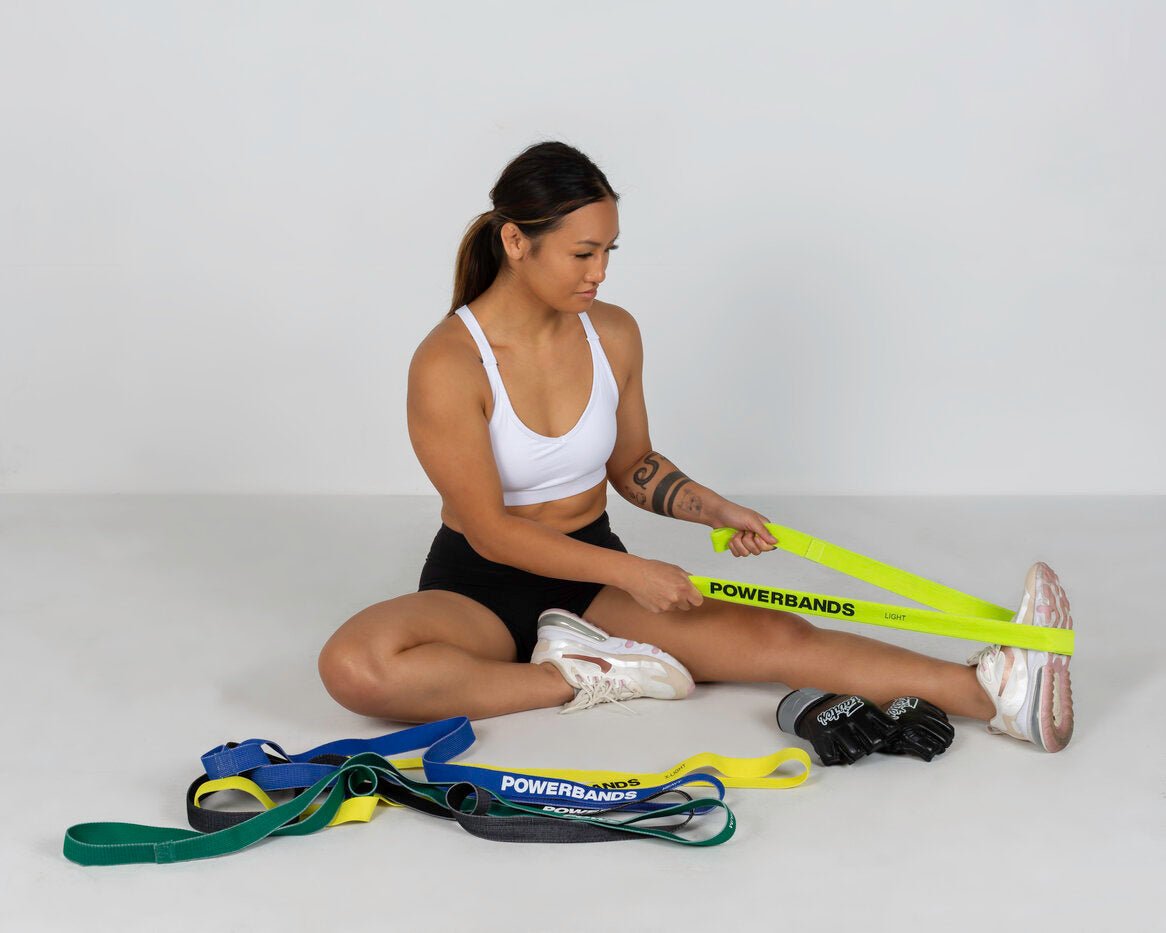
Loop bands are continuous flat loops. They come in various lengths and strengths. These bands are great for lower body exercises. Use them for squats and leg presses. They also help with stretching and mobility.
Tube Bands
Tube bands have handles at each end. They resemble jump ropes. These bands are ideal for upper body workouts. They allow for exercises like bicep curls and tricep extensions. Tube bands are durable and versatile.
Therapy Bands
Therapy bands are flat and thin. They are often used in rehabilitation. These bands are suitable for gentle stretching. They help improve flexibility and strength. Perfect for beginners or those recovering from injury.
Figure 8 Bands
Figure 8 bands are shaped like the number eight. They have two loops for gripping. These bands target specific muscle groups. Use them for chest and back exercises. They are compact and easy to store.
Muscle Building Potential
Resistance bands are often seen as simple workout tools. Yet, their muscle-building potential is impressive. These bands offer varied resistance levels. This makes them suitable for many fitness levels. They provide a unique form of resistance, different from traditional weights. This can lead to significant muscle gains. Let’s explore how resistance bands contribute to building muscle.
Strength Gains
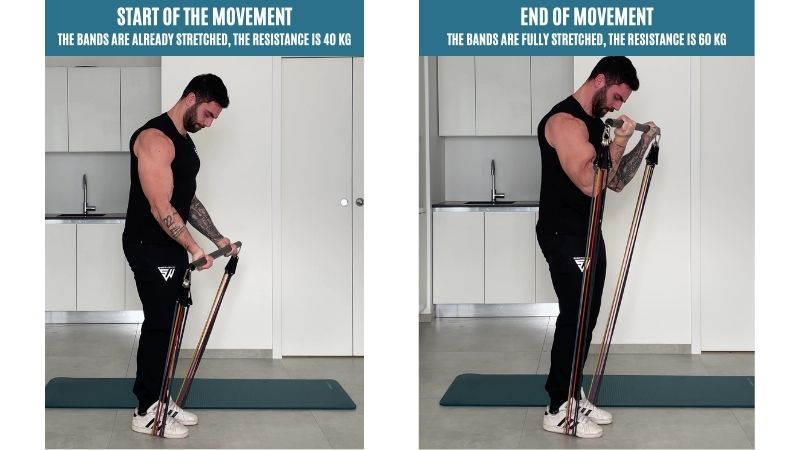
Resistance bands help increase strength. They provide constant tension during exercises. This tension engages muscles throughout the movement. Unlike weights, bands increase resistance as you stretch them. This challenges your muscles in a new way. It can lead to improved strength over time. Bands are also portable. This allows for strength training anywhere.
Muscle Hypertrophy
Muscle hypertrophy means muscle growth. Resistance bands can promote this growth. They do this by creating muscle tension. The bands allow for high-rep training. This increases muscle endurance and size. Consistent use of bands can lead to noticeable muscle gains. They are effective for both beginners and advanced users.
Endurance Development
Endurance is crucial for muscle building. Resistance bands enhance muscle endurance. They allow for longer workout sessions. This helps in building muscle stamina. Muscles adapt to sustained tension from the bands. Over time, this improves endurance. It also supports muscle growth in the long term.
Credit: en.smartworkout-pro.com
Comparing To Traditional Weights
Resistance bands can effectively build muscle by providing consistent tension throughout exercises. They engage stabilizing muscles, which enhances strength. Unlike traditional weights, bands offer versatility and portability, making them ideal for varied workouts.
Resistance bands have become increasingly popular in recent years, but how do they stack up against traditional weights in building muscle? Many fitness enthusiasts are curious about whether these stretchy bands can truly offer an effective workout. While weights have been the go-to equipment for years, resistance bands bring their own set of advantages. Let’s dive into the specifics by comparing them in terms of resistance level variety, range of motion, and portability and convenience.Resistance Level Variety
Resistance bands offer a unique advantage in terms of variety. They come in different levels, typically color-coded, representing different resistance intensities. This allows you to adjust your workout easily without needing a full rack of weights. Think about it: in one workout session, you can switch from low resistance to high resistance simply by changing the band. It’s a versatile tool for targeting different muscle groups. Traditional weights, on the other hand, require you to physically switch out plates or dumbbells. This can be less efficient and takes up more space in your home gym.Range Of Motion
With resistance bands, you can achieve a greater range of motion compared to traditional weights. The bands allow for dynamic movements that engage more muscle fibers. This can be particularly beneficial for exercises like squats or lunges where flexibility plays a key role. Imagine being able to stretch and contract your muscles fully, leading to better muscle growth. Bands make it easier to perform exercises with proper form, reducing the risk of injury. Traditional weights often limit your range of motion due to their fixed shape and size. This can sometimes restrict your ability to perform certain exercises comfortably.Portability And Convenience
Resistance bands win hands down when it comes to portability. They’re lightweight and easy to pack, making them ideal for travel or quick workouts at home. You can carry them anywhere, ensuring you never miss a session. Picture this: you’re on vacation, and you can easily do a full-body workout with bands that fit in your suitcase. No need to hunt for a gym or lug around heavy weights. In contrast, traditional weights are bulky and not travel-friendly. They require a dedicated space and can be cumbersome to move around, especially if you’re limited on space. Ultimately, the choice between resistance bands and traditional weights depends on your personal fitness goals and lifestyle. What works best for you? Do you prefer the flexibility of bands, or do you lean towards the tried-and-true feel of weights?Incorporating Bands Into Workouts
Resistance bands are versatile tools that can elevate your workouts, making them more dynamic and effective. Whether you’re warming up, strength training, or recovering, these bands can be a game-changer. Let’s dive into how you can add resistance bands to different aspects of your fitness routine.
Warm-up Exercises
Using resistance bands for warm-ups can enhance your flexibility and prepare your muscles for more intense activity. Imagine this: you’re about to start your workout, and you grab a band to do some dynamic stretches. You feel the tension helping to activate your muscles, especially those hard-to-reach stabilizers.
Try wrapping a band around your legs for leg raises or use it to stretch your arms. These exercises can improve your range of motion, making sure you’re not just going through the motions but actually priming your body for the challenge ahead.
Strength Training Routines
Resistance bands can add a unique twist to your strength training routines. They’re not just for beginners; they’re for anyone looking to diversify their workout. Have you ever tried squats with a resistance band? It demands more from your muscles, pushing you to stabilize and control your movements.
You can perform various exercises like bicep curls, tricep extensions, and chest presses. The band’s tension can be adjusted, offering a scalable challenge. This means you can gradually increase the difficulty as you become stronger, without needing a heavy set of weights.
Rehabilitation And Recovery
Resistance bands are perfect for rehabilitation and recovery. If you’ve ever had an injury, you know the importance of gentle, controlled movements. Bands provide just the right amount of resistance to help strengthen muscles without overexertion.
Physical therapists often use bands to support recovery. They allow you to perform exercises like leg raises and shoulder rotations at a safe intensity. This makes them ideal for rebuilding strength and flexibility post-injury, ensuring you don’t push too hard too soon.
Incorporating resistance bands into your workouts is not just about adding variety. It’s about finding smarter ways to challenge your body and enhance your fitness journey. How will you integrate these bands into your routine today?
Credit: powerbands.com.au
Common Misconceptions
Many people think resistance bands can’t build muscle like weights do. This belief is misleading. Resistance bands can effectively target muscles, increase strength, and enhance flexibility, offering a versatile workout option.
Common Misconceptions When you think about building muscle, resistance bands might not be the first thing that comes to mind. Many people mistakenly believe they are only for rehab or light workouts. These misconceptions can prevent you from exploring the full potential of these versatile tools.Ineffectiveness Myth
Some argue that resistance bands are ineffective compared to weights. They believe bands can’t provide enough resistance to stimulate muscle growth. However, research shows that bands can generate significant tension on muscles. You can adjust the resistance by changing band thickness or doubling up on bands. You might be surprised at how challenging a workout with bands can be. Don’t let the simplicity of resistance bands fool you. They can target muscles from angles that weights can’t. Next time you hit the gym, consider swapping your dumbbells for a band.Limited Exercise Range
Another common myth is that resistance bands limit your exercise options. People often think you can’t do a full workout with them. On the contrary, bands offer a wide range of exercises from squats to chest presses. You can even perform lateral movements and complex compound exercises. This flexibility allows you to target different muscle groups effectively. Think about your typical workout. Could you add variety with bands? The versatility of bands can keep your routine fresh and engaging. These misconceptions might have kept you from using resistance bands to their full potential. Have you tried incorporating them into your workouts? They might just be the game-changer you need to elevate your fitness journey.Expert Opinions
Experts agree that resistance bands can effectively build muscle by providing constant tension. These bands engage stabilizer muscles, enhancing strength and muscle growth. They are versatile, affordable, and suitable for all fitness levels, making them a popular choice for strength training.
When it comes to building muscle, many people wonder if resistance bands can really do the job. To clear this up, it’s helpful to look at what experts in the field have to say. Their insights can help you decide whether resistance bands are worth adding to your workout routine.What Do Fitness Trainers Say?
Fitness trainers often recommend resistance bands for their versatility. They allow you to target specific muscle groups, whether you’re working out at home or in the gym. A personal trainer I once worked with mentioned how resistance bands helped her clients improve muscle endurance and strength without risking injury.Insights From Physiotherapists
Physiotherapists often use resistance bands in rehabilitation programs. They appreciate how bands provide controlled resistance, which is crucial for safely building muscle after an injury. One physiotherapist noted that resistance bands are great for gradually increasing muscle load, making them perfect for recovery and strength building alike.Sports Scientists’ Perspective
Sports scientists study the effectiveness of different workout tools, including resistance bands. Many agree that bands can create sufficient tension to stimulate muscle growth. In a study I came across, participants who used resistance bands showed significant muscle gains comparable to those using traditional weights.What Do Bodybuilders Think?
Bodybuilders might initially doubt the power of resistance bands, but many find them surprisingly effective. They often use bands to add variety and intensity to their routines. A bodybuilder friend of mine shared how he uses bands to maintain muscle definition during travel when weights aren’t available.Why Are Resistance Bands Often Recommended?
Experts frequently recommend resistance bands because they’re adaptable and affordable. They fit into any fitness level, making them a practical choice for beginners and seasoned athletes alike. Plus, resistance bands can be easily packed away, allowing for a workout anywhere, anytime. So, do resistance bands build muscle effectively? According to experts, the answer is a resounding yes. How will you incorporate them into your fitness journey?
Credit: www.youtube.com
Frequently Asked Questions
Are Resistance Bands As Good As Lifting Weights?
Resistance bands and weights both offer strength training benefits. Bands provide variable resistance and improve flexibility. Weights build muscle mass and strength more effectively. Both are effective, depending on your fitness goals and preferences. Combining both can maximize results and enhance workout variety.
What Are The Disadvantages Of Resistance Bands?
Resistance bands may snap if overstretched, causing injury. They provide limited resistance compared to weights. Tracking progress is challenging due to inconsistent tension levels. Bands can wear out over time, losing elasticity. They require proper technique to avoid ineffective workouts.
Can You Get A Six Pack With Resistance Bands?
Yes, resistance bands can help build a six-pack. Combine them with cardio and a healthy diet for best results. Focus on core exercises like planks and Russian twists. Consistency and proper technique are key to achieving visible abs.
Can You Get Bigger Arms With Resistance Bands?
Yes, resistance bands can help grow your arm muscles. They offer effective tension and versatile workouts. Focus on exercises like curls and tricep extensions. Consistency and proper form are key for muscle growth. Incorporate progressive resistance to challenge your muscles and stimulate growth.
Conclusion
Resistance bands offer a simple way to build muscle. They are versatile and affordable. Perfect for home workouts. They challenge your muscles effectively. You can target different muscle groups. Suitable for beginners and advanced users alike. Bands enhance strength with consistent use.
They’re lightweight and portable. Ideal for traveling fitness fans. They provide varied resistance levels. You can increase intensity gradually. Bands are great for injury recovery too. Easy on the joints, yet effective. Integrate them into your routine today. Experience the benefits firsthand.
Enjoy your fitness journey with resistance bands. Start building muscle effectively.