Have you ever wondered whether the ropes you rely on at the climbing gym are static or dynamic? You’re not alone.
Understanding the type of rope used can make a big difference in your climbing experience. It affects not only your safety but also your performance. Many climbers are unaware of the nuances between static and dynamic ropes, leading to misconceptions and potential risks.
By diving into this topic, you’ll gain insights that could transform your climbing adventures. Get ready to unravel the mystery of gym ropes and discover what truly hangs in the balance during your climbs. Keep reading, and empower yourself with knowledge that every climber should possess.

Credit: sgtknots.com
Top Rope Basics
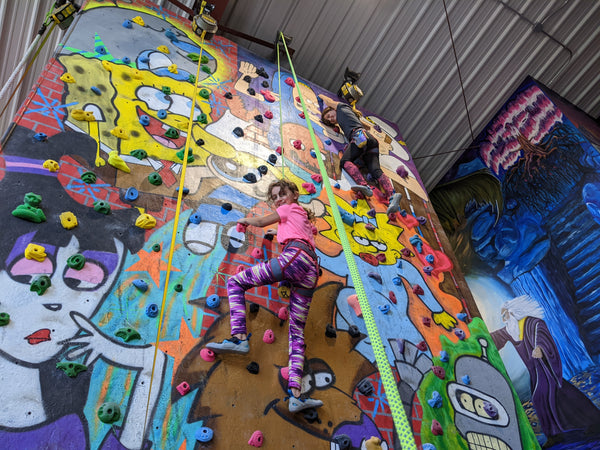
Top rope climbing is a popular activity in gyms. It’s safe and beginner-friendly. Climbers rely on ropes anchored at the top. This setup helps prevent falls. Understanding top rope climbing is essential for indoor climbing enthusiasts.
Definition Of Top Rope Climbing
Top rope climbing involves a rope anchored at the top of a climbing route. The rope runs from the climber to the anchor and back down to the belayer. This setup ensures the climber is always supported. It minimizes risks, making it ideal for newcomers.
Importance In Indoor Climbing
Indoor climbing gyms often use top ropes for safety. They allow climbers to learn techniques without fear of falling. This type of climbing fosters confidence and skill-building. It helps climbers focus on movement and strategy. Top ropes offer a controlled environment for practice.

Credit: sgtknots.com
Static Vs. Dynamic Ropes
Understanding the difference between static and dynamic ropes is vital for climbers. Each rope type serves a specific purpose and offers unique benefits. They are designed to enhance safety and performance during climbing activities.
Characteristics Of Static Ropes
Static ropes have limited stretch and are used for specific tasks. They are ideal for activities where movement should be minimized. Their rigid nature makes them perfect for rappelling and hauling gear. Static ropes offer stability, ensuring the climber’s position remains unchanged.
Characteristics Of Dynamic Ropes
Dynamic ropes are designed to stretch, absorbing impact during falls. This elasticity provides a cushioning effect, reducing the force on the climber. They are the preferred choice for lead climbing due to their energy absorption capabilities. Dynamic ropes offer safety and flexibility, making them versatile for various climbing styles.
Pros And Cons Of Each Type
- Static Ropes Pros:Stable, durable, and ideal for fixed activities.
- Static Ropes Cons:Limited stretch, not suitable for absorbing falls.
- Dynamic Ropes Pros:Absorbs impact, flexible for lead climbing.
- Dynamic Ropes Cons:Less stable for fixed positions, wears faster.
Common Gym Practices
When you walk into a climbing gym, you’re entering a space designed with safety and practicality in mind. Gym practices often revolve around ensuring climbers have the best experience while minimizing risks. Have you ever wondered about the ropes you see hanging from the walls? Understanding the types of ropes and the safety measures in place can enhance your climbing experience.
Rope Types Used In Gyms
Gyms typically use static ropes for top roping. Static ropes are preferred for their minimal stretch, making them ideal for holding climbers steady as they ascend and descend. Dynamic ropes, which are designed to stretch, are usually reserved for lead climbing situations where falls are more common. Static ropes provide the stability that gyms need to ensure climbers feel secure.
Imagine climbing with a rope that stretches unpredictably—it’s not the sensation gyms aim for. Instead, the solid feel of static ropes helps climbers focus on their technique without worrying about sudden rope movements.
Safety Measures In Place
Safety is a top priority in climbing gyms. Staff regularly inspect ropes and equipment to ensure everything is in top condition. Wearing harnesses correctly and checking knots are essential practices that are emphasized before climbing.
Have you ever tried climbing without double-checking your harness? It’s a risk you wouldn’t want to take. Gyms often provide training sessions and reminders to ensure that all climbers are aware of the safety protocols. This attention to detail helps prevent accidents and promotes a culture of safety.
Gyms also have trained staff on hand to monitor climbers and offer assistance. Their guidance can be invaluable, especially for newcomers. Knowing there’s someone watching out for you can make all the difference.
Impact On Climbing Experience
Top ropes in gyms can be either static or dynamic, affecting the climbing experience significantly. Dynamic ropes stretch under load, providing a softer catch and reducing impact force. Static ropes, on the other hand, are less flexible, often used in situations requiring minimal rope movement.
Understanding the type used is crucial for safety and comfort during climbing sessions.
The choice between static and dynamic ropes in climbing gyms can significantly affect your climbing experience. Each type of rope brings its own set of characteristics that influence not only how you climb but also how safe you feel while doing it. Understanding these differences can help you make informed decisions and enhance your overall enjoyment and performance on the wall.Performance Differences
Static ropes offer minimal stretch, providing a stable and controlled ascent. This can be ideal for beginners who may prefer predictability and precision in their movements. Dynamic ropes, on the other hand, have more elasticity, which can be advantageous during falls, offering a softer catch that reduces impact force. If you’ve ever felt that extra bounce while climbing, it might have been a dynamic rope at work. This flexibility can make the climb feel more fluid, which some climbers appreciate for its forgiving nature. Consider which type of performance you value most: stability or flexibility.Influence On Climber Safety
Safety is paramount in climbing, and the type of rope you use plays a crucial role. Static ropes, due to their lack of stretch, can transmit greater force during a fall, which may increase the risk of injury. Therefore, they are typically used in situations where falls are not anticipated, like top roping in a controlled gym environment. Dynamic ropes are designed to absorb energy, making them safer for lead climbing where falls are more likely. They reduce the shock on both the climber and the belayer, potentially preventing injuries. Have you ever considered how the rope’s characteristics might affect your safety in a fall? Ultimately, knowing the differences between these ropes can empower you to choose the best option for your climbing style and safety needs. Do you prefer the stability of a static rope, or the safety features of a dynamic one? Your choice could change the way you experience climbing forever.Choosing The Right Rope
Choosing the right rope for climbing is crucial for safety and performance. Climbers often wonder whether gym top ropes are static or dynamic. Understanding the difference helps in making informed decisions. Each rope type has specific uses and benefits. Consider several factors to find the best fit for your climbing needs.
Factors To Consider
Before selecting a rope, think about its intended use. Dynamic ropes stretch under tension, absorbing impact. This feature is ideal for lead climbing. Static ropes don’t stretch, making them suitable for hauling and rappelling. The length and diameter of the rope also matter. Longer ropes provide more flexibility but weigh more. Thicker ropes are durable but may be harder to handle. Check the rope’s certification for safety standards.
Recommendations For Climbers
For beginners, using dynamic ropes is often recommended. They offer more forgiveness in falls. Experienced climbers might prefer static ropes for specific tasks. Always test the rope in a safe environment first. Consult with gym staff for advice on the best rope for your skill level. Regularly inspect your rope for wear and tear. A well-maintained rope ensures a longer lifespan and safer climbs.

Credit: www.treelinereview.com
Frequently Asked Questions
How Do I Tell If My Rope Is Static Or Dynamic?
Check the rope label or packaging for specifications. Dynamic ropes stretch under load, while static ropes have minimal stretch. Dynamic ropes are used for climbing; static ropes are for rappelling or hauling. Examine the rope’s elasticity by gently pulling; dynamic ropes feel more elastic than static ones.
Are Gym Ropes Static?
Gym ropes are not static. They have flexibility and movement, making them suitable for dynamic exercises. These ropes are designed to withstand tension and are often used for strength training and conditioning. Ensure you choose the right type for your specific workout needs.
What Type Of Climbing Is Top Rope?
Top rope climbing is a beginner-friendly style where the rope runs from climber to anchor above. It offers safety, with minimal risk, and requires a partner to belay. Climbers focus on technique rather than managing rope. It’s ideal for indoor gyms and controlled outdoor environments.
Can You Use Static Rope For Top Rope?
Using static rope for top rope climbing is not recommended. Static ropes lack elasticity, increasing the risk of injury during falls. Dynamic ropes are safer, designed to absorb impact. Always prioritize safety and use the appropriate equipment for climbing activities.
Proper gear ensures a secure and enjoyable climbing experience.
Conclusion
Choosing between static and dynamic ropes depends on your gym needs. Static ropes offer stability. They’re great for consistent support. Dynamic ropes provide flexibility. Perfect for absorbing impacts. Always prioritize safety. Check the rope type before climbing. Talk to gym staff if unsure.
They can offer guidance. Your climbing experience will improve. Enjoy a safe and fun climb.