Do you ever wonder what keeps your body running smoothly every day? The secret lies in the basic nutrients you give it.
These tiny powerhouses fuel your energy, help repair your cells, and keep your mind sharp. Understanding these nutrients can transform the way you feel and perform. If you want to unlock the key to better health and vitality, keep reading—because knowing what your body truly needs is the first step to feeling your best.
Macronutrients
Macronutrients are the main nutrients the body needs to work well. They provide energy and support growth and repair. The three key macronutrients are carbohydrates, proteins, and fats. Each has a special role and is important for health.
Carbohydrates
Carbohydrates are the body’s main energy source. They break down into glucose, which fuels cells. Foods like bread, rice, fruits, and vegetables contain carbohydrates. The body uses carbs quickly, making them great for energy.
Proteins
Proteins help build and repair tissues. They make enzymes, hormones, and other body chemicals. Meat, fish, eggs, beans, and nuts are rich in protein. The body needs protein daily to grow and stay healthy.
Fats
Fats store energy and protect organs. They help absorb vitamins and keep skin healthy. Sources of healthy fats include nuts, seeds, fish, and oils. Eating the right fats supports brain and heart health.
Micronutrients
Micronutrients are essential nutrients your body needs in small amounts to function properly. They don’t provide energy like carbohydrates or fats but play a critical role in maintaining health and supporting various bodily processes. Without enough micronutrients, you might feel tired, weak, or experience other health issues.
Vitamins
Vitamins are organic compounds that your body needs for growth, immune function, and energy production. You can find vitamins in fruits, vegetables, dairy, and meats. Each vitamin has a specific role, such as vitamin C helping heal wounds or vitamin D supporting bone health.
Do you pay attention to the variety of colors on your plate? Different colored foods often contain different vitamins. For example, orange foods like carrots are high in vitamin A, which is good for your vision.
Minerals
Minerals are inorganic elements that help build strong bones, transmit nerve signals, and regulate your heartbeat. Common minerals include calcium, iron, magnesium, and potassium. These minerals come from the soil and water your food grows in, so eating a diverse diet helps you get enough of them.
Have you noticed feeling more tired when you don’t eat enough iron-rich foods like spinach or red meat? Iron is crucial for carrying oxygen in your blood. Missing out on these minerals can affect your energy and overall wellbeing.
Water’s Role In Nutrition
Water is essential for the human body and plays many roles in nutrition. It makes up about 60% of our body weight. Every cell depends on water to function well. Water helps move nutrients and oxygen to cells. It also removes waste products from the body.
Without enough water, the body cannot absorb nutrients properly. Staying hydrated supports digestion and keeps organs healthy. Drinking water regularly improves energy and brain function. It also helps maintain body temperature and lubricates joints.
Water As A Nutrient Transporter
Water carries nutrients through the blood to all body parts. It helps dissolve vitamins and minerals for easy absorption. Water also moves waste products to the kidneys for removal. Without water, nutrients cannot reach cells efficiently.
Water Supports Digestion
Water breaks down food in the stomach and intestines. It helps dissolve nutrients so the body can absorb them. Water also softens stool and prevents constipation. Proper digestion relies heavily on enough water intake.
Water Helps Regulate Body Temperature
Water keeps the body cool by sweating. When sweat evaporates, it lowers body heat. This process protects organs from overheating. Drinking water replaces fluids lost during sweating.
Water Aids In Detoxification
Water flushes toxins out through urine and sweat. It supports kidney function by diluting waste products. This helps prevent kidney stones and infections. Drinking plenty of water keeps the detox system active.
How Much Water Do You Need?
- Average adult needs about 8 cups daily.
- Needs increase with exercise or hot weather.
- Eat water-rich foods like fruits and vegetables.
- Drink water regularly throughout the day.
Fiber’s Impact On Health
Fiber plays a crucial role in keeping your body healthy, yet many people overlook its importance. It’s not just about digestion—fiber impacts your overall well-being in ways you might not expect. Understanding how fiber affects your health can help you make smarter food choices every day.
Types Of Fiber And Their Benefits
There are two main types of fiber: soluble and insoluble. Soluble fiber dissolves in water and helps lower cholesterol and control blood sugar. Insoluble fiber adds bulk to your stool and helps food move through your digestive system faster.
Eating a mix of both types supports different parts of your body. You can get soluble fiber from oats, beans, and fruits like apples. Insoluble fiber is found in whole grains, nuts, and vegetables such as carrots and celery.
Fiber’s Role In Digestive Health
Fiber keeps your digestive system running smoothly by preventing constipation. It also feeds the good bacteria in your gut, which improves digestion and boosts immunity. Have you noticed how a fiber-rich meal often makes you feel lighter and more comfortable afterward?
Without enough fiber, you might experience bloating or irregular bowel movements. Adding fiber gradually to your diet helps your body adjust without discomfort.
How Fiber Helps Control Weight
Fiber-rich foods make you feel full longer because they slow down digestion. This means you’re less likely to snack between meals. Including fiber can reduce hunger and help you manage your weight more effectively.
Think about meals like a big salad or a bowl of beans—they keep you satisfied without extra calories. Would you try adding more fiber to your meals to curb cravings?
Impact Of Fiber On Heart Health
Fiber helps reduce the risk of heart disease by lowering bad cholesterol levels. It also helps control blood pressure and inflammation. Studies show people who eat more fiber tend to have healthier hearts.
You don’t need fancy supplements—just simple foods like fruits, vegetables, and whole grains can make a difference. How often do you choose fiber-rich options to support your heart?
Practical Tips To Add More Fiber To Your Diet
- Start your day with whole-grain cereals or oats.
- Snack on fruits, nuts, or raw veggies instead of processed snacks.
- Swap white bread and pasta for whole-grain versions.
- Add beans or lentils to soups and salads.
- Drink plenty of water to help fiber do its job.
Small changes can add up quickly and improve your health. What simple fiber swap will you try first?
Balancing Nutrient Intake
Balancing your nutrient intake is essential for maintaining energy, supporting bodily functions, and preventing health issues. Getting the right mix of nutrients means paying attention not just to what you eat, but also how much. Are you aware of how your daily food choices stack up against what your body really needs?
Daily Recommended Values
Daily Recommended Values (DRVs) tell you how much of each nutrient you should aim to consume every day. These values vary based on age, gender, and activity level. For example, adults generally need about 50 grams of protein per day, but athletes might require more.
Understanding DRVs helps you avoid both deficiencies and excesses. Too little vitamin D can weaken your bones, while too much sodium can raise your blood pressure. You can find these values on nutrition labels, making it easier to plan meals that meet your personal needs.
Portion Control
Portion control is a powerful tool for balancing nutrient intake without the need to count every calorie. Using smaller plates or measuring cups can help you keep servings in check. When I started paying attention to portion sizes, I noticed a big difference in my energy levels and weight management.
Try to serve reasonable amounts of each food group: a palm-sized portion of protein, a fist of vegetables, and a cupped hand of grains. This simple visual guide keeps your meals balanced and satisfying. How often do you find yourself eating larger portions than your body really needs?
Credit: medium.com
Nutrient Deficiency Concerns
Nutrient deficiency occurs when the body lacks essential vitamins or minerals. This can lead to health problems affecting energy, growth, and immunity. Identifying deficiency signs early helps prevent serious issues. Many people suffer from mild to severe nutrient gaps without realizing it.
Understanding common deficiencies and how to avoid them supports overall well-being. Proper nutrition plays a key role in maintaining body functions and preventing disease.
Common Deficiencies
- Iron:Causes fatigue, weakness, and pale skin.
- Vitamin D:Leads to bone pain and muscle weakness.
- Vitamin B12:Results in numbness, memory problems, and tiredness.
- Calcium:Affects bone strength and can cause cramps.
- Magnesium:May cause muscle spasms and irregular heartbeat.
- Iodine:Can lead to thyroid issues and fatigue.
Preventive Strategies
- Eat a balanced diet with fruits, vegetables, grains, and proteins.
- Include fortified foods or supplements if needed.
- Get regular sunlight exposure for vitamin D synthesis.
- Have routine health check-ups to monitor nutrient levels.
- Choose diverse foods to cover different nutrient needs.
- Stay hydrated and avoid excessive alcohol or caffeine.
Nutrient-rich Food Sources
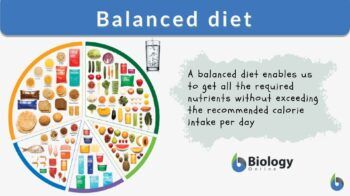
Nutrient-rich food sources provide essential vitamins and minerals the body needs. They support growth, repair, and overall health. Choosing the right foods ensures a balanced intake of basic nutrients.
Whole Foods
Whole foods contain natural nutrients in their original form. They are minimally processed and free from additives. Examples include:
- Fresh fruits like apples, bananas, and berries
- Vegetables such as spinach, carrots, and broccoli
- Whole grains like brown rice, oats, and quinoa
- Lean proteins including beans, nuts, and fish
Whole foods provide fiber, vitamins, and minerals naturally. Their nutrients absorb well in the body. Eating a variety of whole foods helps maintain good health.
Fortified Foods
Fortified foods have nutrients added during manufacturing. They help prevent nutrient deficiencies in many diets. Common fortified foods include:
- Milk enriched with vitamin D
- Bread and cereals fortified with iron and B vitamins
- Orange juice with added calcium
These foods boost nutrient intake without changing taste. Fortified options support bone health and energy production. They complement whole foods to meet daily nutrient needs.
Credit: www.biologyonline.com
Impact Of Lifestyle On Nutrient Needs
The nutrients our body needs change based on how we live each day. Lifestyle affects the amount and type of nutrients required. Different activities and life phases demand unique nutritional support. Understanding these changes helps maintain health and energy.
Physical Activity
Active people need more energy from food. Exercise increases the use of carbohydrates and fats for fuel. Protein is important for muscle repair and growth. Drinking enough water is also vital for those who move a lot. Nutrient needs rise with the intensity and duration of activity.
Age And Developmental Stages
Children need nutrients for growth and brain development. Teenagers require extra energy and vitamins during growth spurts. Adults should focus on balanced nutrients for maintenance and energy. Older adults need more calcium and vitamin D for bone health. Nutrient needs shift at each stage of life.

Credit: www.youtube.com
Frequently Asked Questions
What Are The Six Basic Nutrients For Humans?
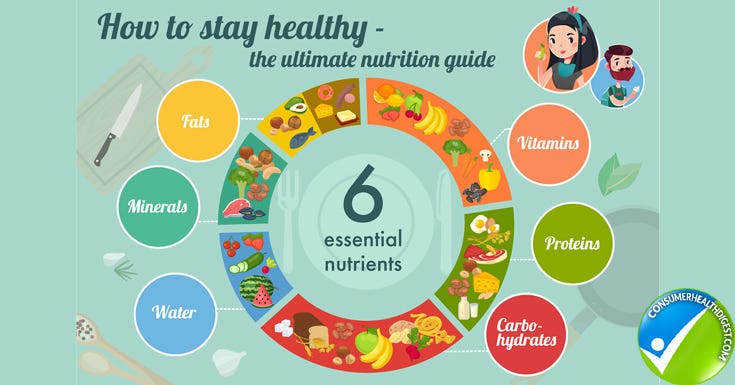
The six basic nutrients are carbohydrates, proteins, fats, vitamins, minerals, and water. They provide energy and support body functions. Each nutrient plays a specific role in growth, repair, and maintaining health. A balanced diet includes all these nutrients in proper amounts for optimal wellness.
Why Is Water Essential For The Human Body?
Water is crucial for hydration, temperature regulation, and waste elimination. It aids digestion and nutrient absorption. Water also supports cellular functions and joint lubrication. Without enough water, the body cannot function efficiently, leading to dehydration and health problems.
How Do Proteins Benefit The Human Body?
Proteins build and repair tissues, including muscles and organs. They produce enzymes and hormones essential for bodily functions. Proteins also support immune health and energy production. Consuming adequate protein helps maintain strength and overall body repair.
What Role Do Vitamins Play In Health?
Vitamins support immune function, energy production, and cell repair. They help prevent diseases and promote growth. Each vitamin has unique benefits, such as vitamin C for immunity and vitamin D for bone health. A varied diet ensures sufficient vitamin intake.
Conclusion
Basic nutrients keep our bodies strong and healthy. They give energy and help organs work well. Eating a balanced diet with proteins, fats, vitamins, and minerals is important. Water also plays a key role in staying alive and active. Missing any nutrient can cause problems in the body.
Choose natural foods like fruits, vegetables, grains, and meats. Small daily choices add up to big health benefits. Remember, good nutrition supports a happy and active life. Take care of your body by feeding it what it needs.