When hunger strikes and time is short, having the best canned food on hand can make all the difference for you. But with so many options available, how do you pick the ones that truly satisfy your taste buds and nutrition needs?
You want something that’s not only convenient but also delicious and healthy. You’ll discover top canned food choices that will keep you fueled and happy, no matter the situation. Keep reading to find out which products deserve a spot in your pantry right now.
Benefits Of Canned Food
Canned food offers a range of benefits that make it a practical choice for many people. Whether you’re busy, budget-conscious, or simply looking to reduce waste, canned food can fit seamlessly into your lifestyle. Understanding these benefits can help you decide when and how to use canned items effectively in your daily meals.
Long Shelf LifeCanned foods can last for years without spoiling, thanks to the airtight sealing and heat processing. This means you can stock up during sales or emergencies without worrying about quick expiration. Have you ever found fresh produce gone bad before you had a chance to cook it? Canned options eliminate that stress.
Convenience and Time-SavingOpening a can is often quicker than washing, peeling, and chopping fresh ingredients. This can be a lifesaver on hectic days when you need to prepare a meal fast. Imagine coming home after a long day and having ready-to-use beans or vegetables that cut your cooking time in half.
Nutrition PreservationCanning locks in nutrients by sealing food at peak ripeness. This process often preserves vitamins and minerals better than frozen or fresh food that sits on shelves or in refrigerators for days. Do you know that canned tomatoes, for example, have more lycopene than fresh ones?
Cost-EffectivenessCanned foods are generally cheaper than fresh or frozen alternatives, especially when out of season. This makes it easier to eat healthily without breaking your budget. Next time you plan meals, consider how canned staples can stretch your grocery dollars.
Reduced Food WasteWith canned food, you only use what you need and store the rest safely without spoilage. This helps reduce the amount of food thrown away, saving you money and benefiting the environment. Have you noticed how often fresh produce goes unused and ends up discarded?
Criteria For Selecting Nutritious Canned Food
Choosing the best canned food for your diet means looking beyond just convenience. You want options that fuel your body effectively, taste good, and last long on your shelf. To do this, you need clear criteria that help you pick canned foods that truly nourish you.
Nutritional Content
Check the nutrition label carefully. Look for canned foods rich in protein, fiber, vitamins, and minerals, but low in added sugars and unhealthy fats.
For example, canned beans and fish are great sources of protein and fiber. Avoid cans with excessive sodium, as too much salt can harm your heart health over time.
Ask yourself: Does this canned food provide balanced nutrients that support your daily needs?
Ingredient Quality
Ingredients make all the difference. Choose canned foods with simple, recognizable ingredients—no artificial preservatives, colors, or flavors.
Whole ingredients like vegetables, legumes, and lean meats retain more nutrients and taste better. If you see long lists of chemicals or fillers, think twice before buying.
Have you ever noticed how fresh-tasting canned tomatoes often have just tomatoes, salt, and maybe basil?
Preservation And Storage
Canning preserves food by sealing it in airtight containers, but the method and packaging matter for quality and safety.
Look for cans without dents, rust, or swelling. These can be signs of spoilage or contamination. Also, check the expiration date to ensure freshness.
Do you know how long that can of soup has been sitting on your pantry shelf? Freshness impacts both taste and nutrition.
Top Canned Vegetables
Canned vegetables are a convenient choice for quick meals. They last long and keep many nutrients. These vegetables add color and flavor to dishes. Choosing the best canned vegetables can improve your meals.
Canned Tomatoes
Canned tomatoes are a kitchen staple. They come peeled, diced, or crushed. Rich in vitamins and antioxidants, they boost heart health. Use them in sauces, soups, and stews. Their natural sweetness enhances every recipe.
Canned Beans
Canned beans provide protein and fiber. They are ready to eat and easy to store. Varieties include kidney, black, and chickpeas. Beans support digestion and keep you full longer. Add them to salads, chili, and wraps.
Canned Spinach
Canned spinach is rich in iron and calcium. It saves time compared to fresh spinach. Spinach blends well in smoothies, pastas, and casseroles. It keeps its nutrients after canning. A healthy green option for any meal.
Credit: www.delishknowledge.com
Best Canned Fruits
Canned fruits offer a tasty and easy way to enjoy fruit all year. They keep fresh fruit flavor and are ready to eat anytime. These fruits are perfect for snacks, desserts, or adding to meals. Quality canned fruits keep nutrients and taste without added preservatives.
Choosing the best canned fruits means looking for natural sweetness and firm texture. The right canned fruit can brighten up your dishes and provide a quick, healthy option. Here are some top picks for the best canned fruits for humans.
Canned Peaches
Canned peaches are soft and sweet with a juicy texture. They come peeled and sliced, making them easy to eat or cook with. Peaches in light syrup keep natural flavor without too much sugar. Use them in pies, salads, or eat straight from the can. They provide vitamin A and fiber.
Canned Pineapple
Canned pineapple is bright, tangy, and full of flavor. It is often packed in juice or light syrup for a fresh taste. Pineapple adds a tropical touch to dishes or drinks. It is rich in vitamin C and enzymes that aid digestion. Perfect for desserts, smoothies, or grilled recipes.
Canned Berries
Canned berries include strawberries, blueberries, and mixed berries. They keep their sweetness and color well after canning. Berries in juice maintain antioxidants and vitamins. Use them in yogurt, oatmeal, or baking. They offer a burst of flavor and natural sweetness anytime.
Recommended Canned Proteins
Canned proteins offer a convenient and nutritious option for your meals. They last long on your shelf and can save you time in the kitchen without sacrificing quality. Knowing which canned proteins to keep handy can make a big difference in your daily diet and meal planning.
Canned Tuna
Canned tuna is a classic pantry staple that delivers a strong protein punch. It’s easy to add to salads, sandwiches, or pasta dishes. Look for tuna packed in water to keep it lean and versatile.
One tip: try mixing tuna with a little olive oil, lemon juice, and herbs to boost the flavor without extra calories. You might be surprised how a simple upgrade can turn basic canned tuna into a satisfying meal.
Canned Salmon
Canned salmon is rich in omega-3 fatty acids, which support heart and brain health. It’s softer than fresh salmon and works well in spreads, patties, or mixed with rice and veggies. Plus, canned salmon often includes edible bones, providing a good source of calcium.
Have you ever tried salmon salad with Greek yogurt instead of mayo? It’s a lighter twist that adds protein and creaminess without heaviness.
Canned Chickpeas
Chickpeas are a plant-based protein powerhouse you can find easily canned. They add texture and nutrition to soups, stews, and even quick roasted snacks. Chickpeas are also a great source of fiber, helping you feel full longer.
Try mashing canned chickpeas with garlic and spices for a quick hummus or add them to your salad for a protein boost. What’s your favorite way to use chickpeas when you’re short on time?
Nutritious Canned Soups
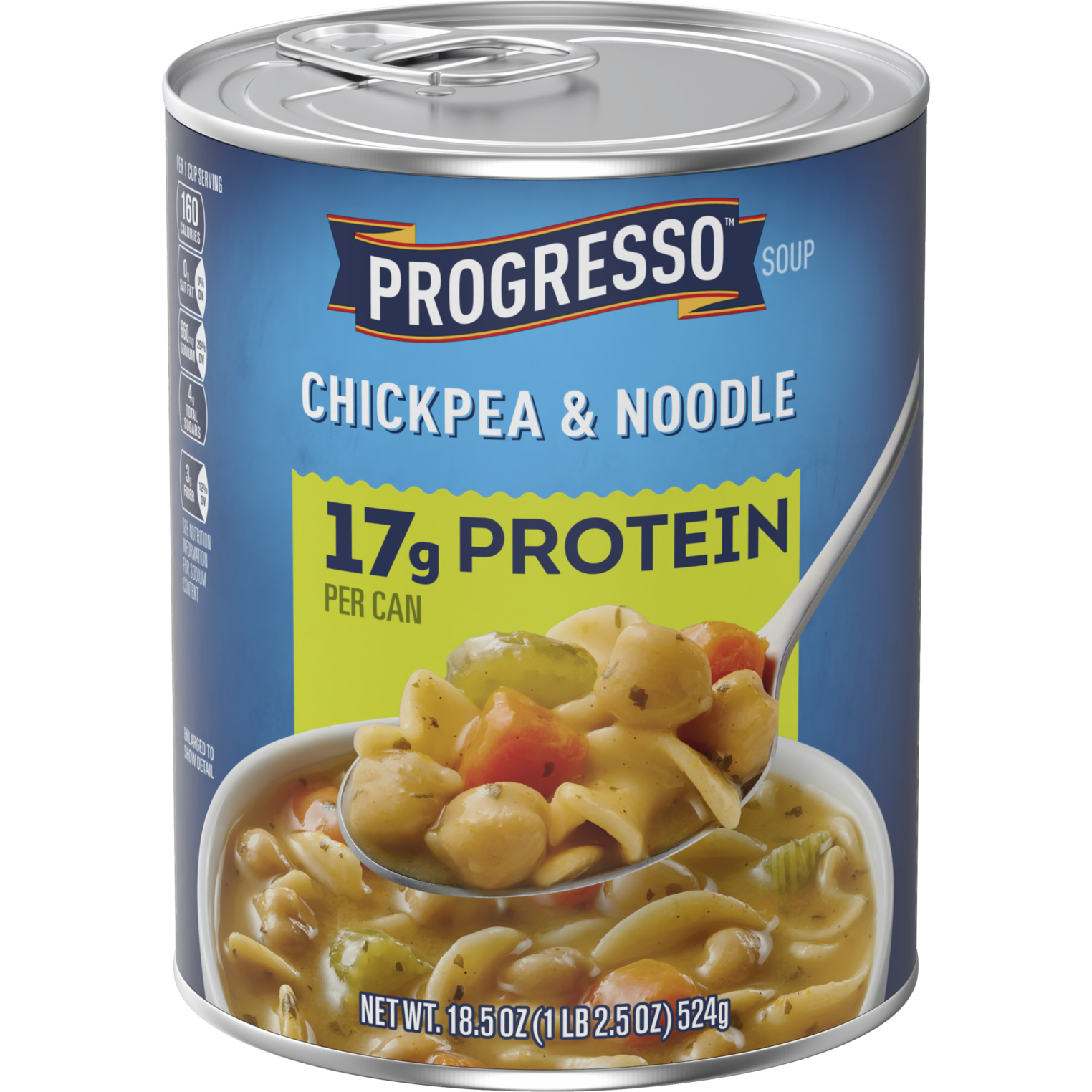
Canned soups often get a bad rap for being high in sodium and low in nutrition. But not all canned soups are created equal. Many brands now offer options that are both tasty and packed with nutrients, making them a convenient choice for a quick, healthy meal.
When selecting canned soups, you want to look beyond just the flavor. Check the nutrition label for ingredients that support your health goals. Whether you’re managing blood pressure or aiming to boost digestion, there’s a canned soup that fits your needs.
Low-sodium Options
Too much salt can sneak into your diet through canned foods, but low-sodium soups help you keep that in check. Brands like Amy’s and Pacific Foods offer delicious soups with less than 140 mg of sodium per serving.
These soups allow you to enjoy rich flavors without the excessive salt. Try pairing a low-sodium vegetable or chicken soup with a fresh salad for a balanced meal.
Have you noticed how cutting down on sodium affects your energy levels or headaches? Choosing low-sodium canned soups might be the simple change your body needs.
High-fiber Choices
Fiber is crucial for digestion and can keep you feeling full longer. Many canned soups now include beans, lentils, or whole grains, which boost fiber content naturally.
Look for soups labeled with at least 5 grams of fiber per serving. Examples include lentil soup or black bean chili, which combine taste and nutrition effectively.
Adding a high-fiber canned soup to your meal plan can also support heart health. Have you tried adding a spoonful of extra beans or veggies to increase fiber even more?
Canned Food For Special Diets
Finding canned foods that fit special diets can be a challenge, especially when you want convenience without compromising your health or values. Whether you need gluten-free products or follow a vegan lifestyle, the canned food aisle offers some surprisingly good options. Let’s look at how you can make smart choices that align with your dietary needs.
Gluten-free Options
Many canned foods are naturally gluten-free, but labels can be misleading. Always check for certifications to avoid hidden gluten in sauces or additives.
Look for canned beans, vegetables, and fruits with no added sauces or thickeners. These are often safe bets and versatile for quick meals.
Brands like Eden Foods and Amy’s Kitchen offer canned soups and chili specifically labeled gluten-free, making shopping easier. Have you noticed how much simpler meal prep becomes when you trust the label?
Vegan And Vegetarian Choices
Canned foods can be a great way to keep plant-based meals quick and nutritious. Items like canned lentils, chickpeas, and tomatoes form the backbone of many vegan dishes.
Some canned soups and stews are crafted without animal products—just check the ingredients list carefully. The brand “Pacific Foods” has a range of vegan-friendly canned soups that are tasty and filling.
Adding canned jackfruit or artichokes can bring texture and flavor to your meals without extra effort. Have you tried using canned goods as the main ingredient in your vegan recipes? It might just change your cooking game.

Credit: trueprepper.com
Tips For Choosing The Best Canned Food
Choosing the best canned food requires attention to key details. These tips help you pick products that are safe, nutritious, and tasty. Focus on label information and product freshness for better choices.
Reading Labels
Labels reveal important facts about canned food. Check the list of ingredients for simple, natural items. Avoid cans with too many preservatives or artificial colors.
Look for high protein or fiber content if you want healthy options. Watch out for added sugars or excess salt. These can affect your health negatively over time.
Nutrition facts also show calories and vitamins. Choose canned foods that support your diet goals. Clear labels make it easier to compare brands and products.
Checking Expiry Dates
Expiry dates show how long canned food stays safe. Always select cans with the longest shelf life left. This ensures freshness and reduces waste.
Never buy cans with dents, rust, or bulging lids. These signs mean the food inside may be spoiled. Storing canned food properly also extends its usability.
Keep a habit of rotating your canned goods. Use the oldest cans first to maintain quality in your stock.

Credit: parade.com
Frequently Asked Questions
What Are The Healthiest Canned Foods For Humans?
The healthiest canned foods include beans, tomatoes, tuna, salmon, and vegetables. These options offer essential nutrients, protein, and fiber. Always choose low-sodium and BPA-free cans for better health benefits.
How Long Can Canned Food Be Safely Stored?
Canned food typically lasts 1 to 5 years unopened. Check the expiration date on the can. Store cans in a cool, dry place to maintain freshness and safety.
Are Canned Foods As Nutritious As Fresh Foods?
Canned foods retain most nutrients, especially fiber and protein. Some vitamins like C may reduce during canning. They offer a convenient, long-lasting, and affordable nutrition option compared to fresh foods.
Can Canned Food Be Part Of A Balanced Diet?
Yes, canned foods can be part of a balanced diet. Combine them with fresh produce, whole grains, and lean proteins. They provide convenience and essential nutrients to support healthy eating.
Conclusion
Canned food offers convenience and long shelf life. It provides a quick meal solution for busy days. Choose options with low sodium and added nutrients. Variety helps keep your diet balanced and tasty. Store cans in a cool, dry place for freshness.
Always check expiration dates before use. Eating canned food can save time and reduce waste. Simple, smart choices make meals easier and healthier. Try different brands to find what suits your taste best. Canned food can be a reliable part of your diet.