Have you ever wondered if what you eat could be impacting your menstrual cycle? You’re not alone.
Many women notice changes in their periods and often wonder what might be causing them. Could your diet be the key to understanding these shifts? As you explore the fascinating connection between your diet and your period, you may uncover surprising insights that could transform your health and well-being.
Imagine gaining control over those unpredictable cycles simply by adjusting your meals. Intrigued? Stick around to discover how a few tweaks in your diet might make a world of difference in your menstrual health.
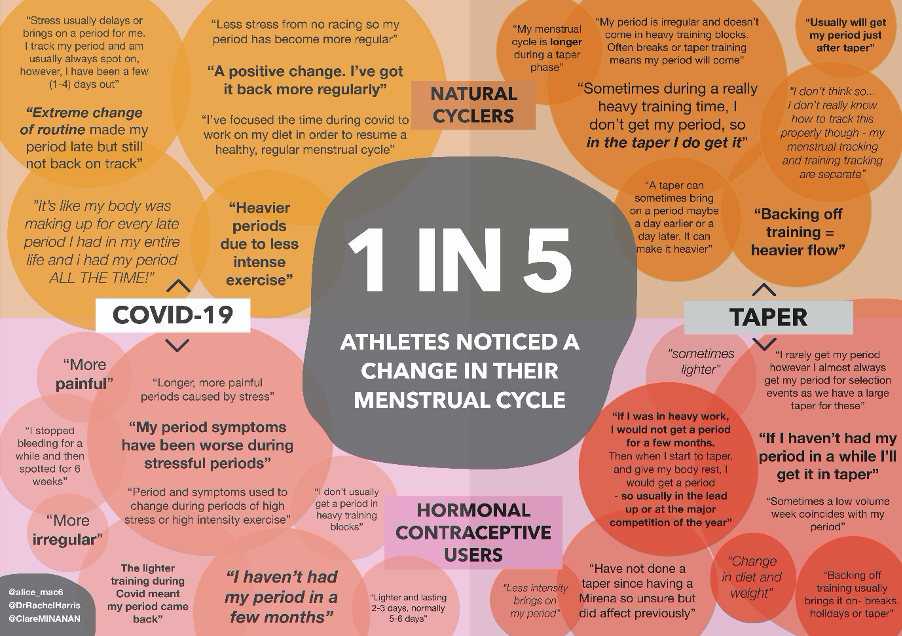
Credit: blogs.bmj.com
Diet And Menstrual Health
Can what you eat change your period? Yes, it can. Your diet plays a crucial role in menstrual health. The food you consume can influence your hormones. It can impact the regularity of your cycle. Understanding this connection is essential for women’s health.
Many women experience irregular periods. Sometimes, diet is the hidden reason. Certain foods can help maintain balance. Others might cause disruptions. Knowing what to eat and what to avoid can make a difference.
Nutritional Impact On Hormones
Hormones control your menstrual cycle. They rely heavily on nutrients. Vitamins and minerals support hormone production. For example, iron-rich foods can boost energy. They help with blood production during your period. Omega-3 fatty acids, found in fish, can reduce inflammation. This can lead to less painful periods.
Fruits and vegetables offer antioxidants. These support healthy hormone levels. Whole grains provide fiber. Fiber helps balance insulin levels. Balanced insulin can lead to more regular cycles. Protein is essential too. It supports hormone synthesis. A balanced diet ensures stable hormone levels.
Foods That May Disrupt Cycles
Some foods can disrupt your menstrual cycle. Processed foods often contain high sugar levels. Sugar can lead to insulin spikes. This can affect hormone balance. High caffeine intake may also affect cycles. It can increase anxiety and stress levels. Both can lead to irregular periods.
Trans fats, found in fried foods, can cause inflammation. Inflammation might lead to painful periods. Dairy can also be problematic for some women. It may increase menstrual cramps or acne. Monitoring these foods can help maintain a healthy cycle.
Key Nutrients For Menstrual Regularity
Understanding how your diet affects your menstrual cycle can be a game-changer in managing your periods. Key nutrients play a vital role in ensuring menstrual regularity. This is not just about eating well; it’s about knowing which foods can support your body’s natural rhythm. You might wonder why some months feel different than others. Could it be the nutrients you’re missing?
Role Of Vitamins And Minerals
Vitamins and minerals are essential for a balanced menstrual cycle. Vitamin B6 can help reduce PMS symptoms. It’s found in foods like bananas and chickpeas. Magnesium is another key player. It helps ease cramps and can be found in leafy greens and nuts. Are these foods part of your daily meals?
Iron is crucial, especially if you experience heavy periods. It supports your body in replenishing lost blood. Include sources like lentils and spinach in your diet. Don’t underestimate the power of these nutrients. They can make a significant difference in how you feel every month.
Importance Of Fiber And Antioxidants
Fiber is your friend for menstrual regularity. It helps maintain hormonal balance. Foods like oats and beans are excellent sources. They not only keep your digestion smooth but also support a regular cycle. How often do you include fiber-rich foods in your meals?
Antioxidants protect your body from oxidative stress, which can affect your cycle. Berries and dark chocolate are rich in antioxidants. Including these can improve your overall well-being. Your diet can be both delicious and beneficial.
Consider adding these nutrients to your meals. They can support a healthier, more predictable menstrual cycle. Have you noticed any changes when you adjust your diet? Your body might be telling you something important. Listen to it and make the necessary changes.
Common Dietary Changes And Menstrual Effects
Altering your diet can influence menstrual cycles. Nutrient-rich foods may help regulate periods. On the other hand, restrictive diets might cause irregularities or missed cycles. Balancing meals can support hormonal health and menstrual regularity.
Diet can have a surprising impact on your menstrual cycle. Whether you’re experiencing irregular periods, heavier flows, or uncomfortable symptoms, what you eat may play a role. Simple changes in your diet can lead to noticeable effects on your cycle. Here, we explore common dietary changes and their potential impact on your menstrual health.Switching To Plant-based Diets
Switching to a plant-based diet can bring about significant changes to your menstrual cycle. Plant-based diets are rich in fiber, which can help regulate estrogen levels. This may lead to more regular periods and reduced menstrual symptoms like bloating. However, it’s crucial to ensure you’re getting enough iron and B vitamins, which are vital for a healthy menstrual cycle. Consider adding foods like lentils, spinach, and fortified cereals to your diet. Have you tried a plant-based diet and noticed a difference in your cycle?Reducing Processed Foods
Reducing processed foods in your diet can also affect your menstrual health positively. Processed foods often contain high levels of salt and sugar, which can exacerbate bloating and mood swings. By cutting back on these, you might find your period symptoms becoming more manageable. Moreover, processed foods can impact your weight, which in turn can affect your cycle. A balanced diet with whole foods may help maintain a healthy weight and more regular menstrual cycles. Have you ever considered how much processed food you consume and its effects on your body? Incorporating these dietary changes doesn’t mean making drastic shifts overnight. Small, consistent modifications to your eating habits can make a big difference. Have you tried any of these dietary changes? What effects did you notice on your menstrual cycle?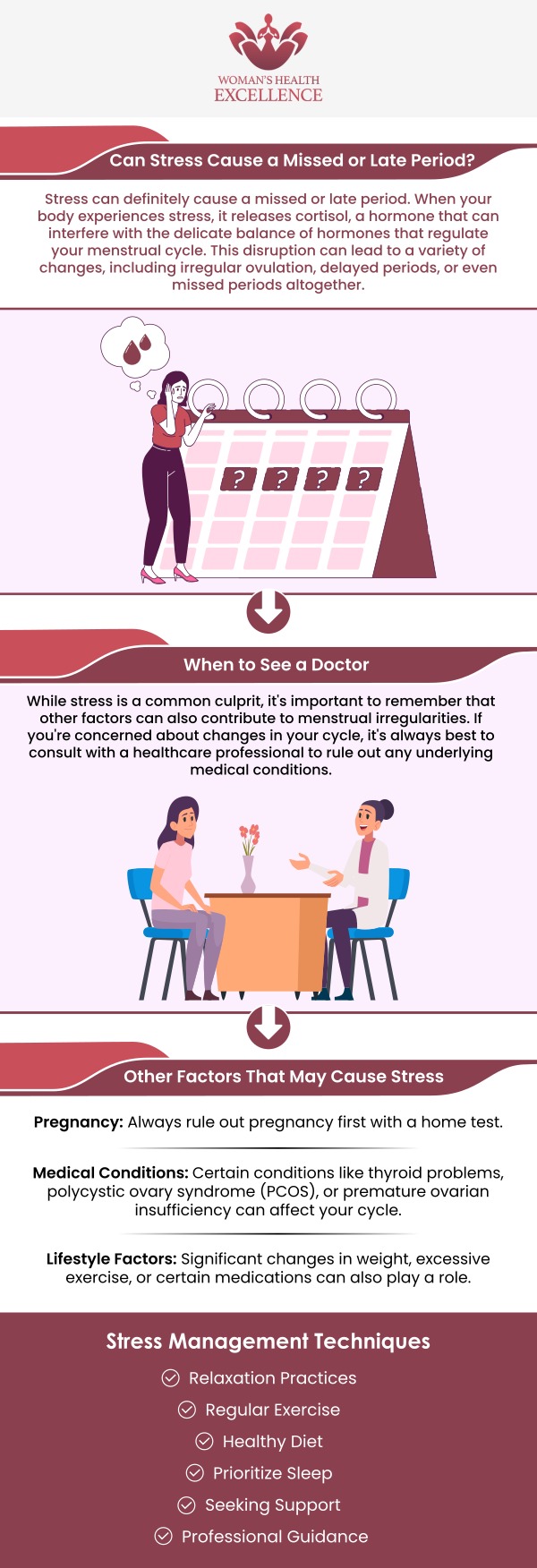
Credit: www.herobgyn.com
Dietary Habits And Menstrual Symptoms
Dietary habits can impact menstrual symptoms in various ways. What you eat might affect how you feel during your period. Food choices could influence symptoms like cramps, mood swings, and fatigue. Understanding this connection may help manage menstrual discomfort.
Managing Pms With Food
Premenstrual syndrome (PMS) can be challenging. Certain foods might ease PMS symptoms. Eating more fruits and vegetables can help. They are rich in vitamins and minerals. Whole grains provide energy and help with mood swings. Avoiding salty and sugary foods may reduce bloating. Drinking enough water can also make a difference.
Dietary Influence On Menstrual Pain
Menstrual pain can disrupt daily life. Some foods might lessen these cramps. Omega-3 fatty acids, found in fish, can reduce inflammation. Anti-inflammatory foods like nuts and seeds may help too. Magnesium-rich foods, such as leafy greens, can relax muscles. Try to limit caffeine and alcohol intake to avoid worsening pain.
Cultural Dietary Practices And Menstrual Health
Diet plays a crucial role in menstrual health. Different cultures have unique dietary practices. These practices can influence menstrual cycles. Understanding these impacts can help manage menstrual health better. Let’s explore how traditional and Western diets affect periods.
Traditional Diets Impact
Traditional diets often focus on whole foods. Many rely on grains, vegetables, and lean proteins. These foods provide essential nutrients. Iron, calcium, and vitamins are vital for menstrual health. In some cultures, herbal teas are common. They can help ease menstrual discomfort. Balanced diets support regular cycles. They may reduce symptoms like cramps.
Western Diets Influence
Western diets often include processed foods. Fast food is popular but lacks nutrients. High sugar intake can affect hormones. This may lead to irregular periods. Saturated fats can disrupt estrogen levels. They might worsen menstrual symptoms. Many Western diets lack fiber. Low fiber can impact digestion. Poor digestion can affect menstrual health.
Credit: www.herobgyn.com
Research On Diet And Menstrual Cycles
Research on how diet affects menstrual cycles is gaining attention. Many women experience changes in their periods. They wonder if diet plays a role. Scientists are studying this topic closely. They aim to uncover the links between food and menstrual health.
Recent Studies And Findings
Recent studies show a connection between diet and menstrual cycles. A diet rich in fruits and vegetables may lead to regular periods. High sugar intake might cause irregular cycles. Some research suggests that low-fat diets could help in reducing menstrual pain. Other studies focus on the impact of dairy consumption. Dairy products might be linked to increased cycle length. Researchers are also looking at plant-based diets. These diets might improve overall menstrual health.
Future Research Directions
Future research will explore more about diet’s impact on menstrual cycles. Scientists aim to study different types of diets. They want to know how specific foods affect periods. More studies will focus on long-term dietary habits. Researchers plan to investigate hormonal changes due to diet. Another area is the role of micronutrients. These small nutrients might play a crucial part in menstrual health. Understanding these elements could lead to better dietary recommendations. The goal is to improve menstrual health through informed dietary choices.
Frequently Asked Questions
How Does Diet Impact Menstrual Cycles?
Diet can significantly influence menstrual cycles. Nutrient-rich foods help regulate hormones and maintain a healthy cycle. Conversely, poor nutrition can lead to irregular periods. Consuming balanced meals with adequate vitamins and minerals supports reproductive health. Maintaining a stable weight through diet can also prevent menstrual irregularities.
Can Skipping Meals Affect Your Period?
Skipping meals can impact your menstrual cycle. It may lead to hormonal imbalances and irregular periods. Your body needs consistent nutrition to function properly. Regular meals help maintain stable hormone levels. A balanced diet supports overall reproductive health and can help keep your period regular.
Does Eating More Protein Change Your Period?
Increasing protein intake can affect your menstrual cycle. Protein helps in hormone production and balance. Consuming adequate protein supports regular periods. However, excessive protein without balance can disrupt hormones. It’s essential to maintain a well-rounded diet for optimal menstrual health.
Can A High-fat Diet Alter Your Period?
A high-fat diet may alter your menstrual cycle. Excessive unhealthy fats can disrupt hormone balance. This can lead to irregular periods or other menstrual issues. Opting for healthy fats, like those from avocados and nuts, supports hormone regulation. Balance is key for maintaining a regular cycle.
Conclusion
Diet changes can impact your menstrual cycle. Foods rich in vitamins help. Balanced meals support hormonal health. Consistent eating habits maintain cycle regularity. Avoid excessive processed foods. They can disrupt your period. Stay hydrated for better body function. Listen to your body’s needs.
Consult a doctor for persistent issues. Personalize your diet for optimal results. Every body is unique. Small adjustments can make a difference. Aim for a healthy lifestyle. A balanced diet supports overall well-being. Your period might thank you.