Are you wondering if you can enjoy a refreshing soda without worrying about your blood sugar levels? You’re not alone.
Many people with diabetes ask the same question: “Can a diabetic drink diet sodas? ” This is a crucial topic because when it comes to managing diabetes, every sip matters. You deserve to enjoy your favorite drinks, but it’s essential to know how they fit into your health plan.
By the end of this article, you’ll discover the surprising truth about diet sodas and their impact on diabetes. Get ready to quench your thirst for knowledge and find out if diet sodas can be a guilt-free choice for you.
Diet Soda Ingredients
Diet sodas are often marketed as a guilt-free alternative to regular sodas, especially for those watching their sugar intake. But what exactly is in a can of diet soda that makes it suitable for diabetics? Understanding the key ingredients can help you make an informed choice about indulging in these fizzy beverages.
Artificial Sweeteners
Most diet sodas contain artificial sweeteners like aspartame, sucralose, or saccharin. These sweeteners replace sugar to give you a sweet taste without adding calories. Aspartame, for example, is about 200 times sweeter than sugar, meaning only a tiny amount is needed to achieve the desired sweetness.
Are artificial sweeteners safe for diabetics? Generally, yes. They don’t raise blood sugar levels like regular sugar does. However, some people find that certain sweeteners leave an aftertaste or cause digestive issues. It’s worth trying different brands to see which suits your palate.
Caffeine Content
Many diet sodas contain caffeine, a stimulant that can boost energy and alertness. For diabetics, moderate caffeine intake is usually fine. However, excessive consumption may lead to spikes in blood sugar, irritability, or insomnia.
Consider how caffeine affects your body. If you notice jitteriness or disrupted sleep, you might want to opt for caffeine-free versions. Reading the label can help you decide if the caffeine content aligns with your health goals.
Additives And Preservatives
Diet sodas often contain additives like phosphoric acid, citric acid, and preservatives to enhance flavor and shelf life. While these ingredients are generally recognized as safe, some people may be sensitive to them.
Do these additives impact your health? If you experience bloating or discomfort after drinking diet soda, the additives might be the culprit. Keeping a diary of your symptoms can help pinpoint any issues. Opting for sodas with fewer additives might be a healthier choice for you.
So, can diabetics drink diet sodas? It depends on your individual response to these ingredients. What makes one person feel great could be troublesome for another. Listen to your body and choose what feels right for you.
Impact On Blood Sugar
Diet sodas often appear as a safe choice for diabetics. But their impact on blood sugar remains a question for many. Understanding how these drinks interact with your body is crucial. This section will explore key factors like the glycemic index and insulin response.
Glycemic Index
The glycemic index (GI) measures how foods affect blood sugar. Foods with a high GI raise blood sugar quickly. Diet sodas typically have a GI of zero. This is because they contain no sugar. Artificial sweeteners replace sugar in these drinks. So, they do not impact blood sugar levels directly. But, always consult a healthcare provider. Each person’s response might differ.
Insulin Response
Insulin response refers to how your body reacts to sugar. Even without sugar, diet sodas can trigger an insulin response. The sweet taste might confuse your body. It could release insulin in anticipation. This doesn’t affect everyone the same way. Monitor your body’s reaction to diet sodas. Keep track of any changes in your blood sugar levels.
Potential Health Risks
Diet sodas often appeal to those managing diabetes. They promise a sugar-free taste. But potential health risks exist. Some studies suggest concerns for regular consumers. Understanding these risks is crucial. It helps in making informed choices.
Weight Management Issues
Diet sodas can impact weight management. Their artificial sweeteners may confuse the body. This confusion can trigger cravings for sweet foods. People might consume more calories later. This can lead to weight gain over time. Managing weight is vital for diabetics. Excess weight can worsen diabetes symptoms.
Heart Health Concerns
Heart health is important for everyone. For diabetics, it’s even more critical. Some research links diet soda to heart issues. Regular consumption might increase heart disease risk. It can also affect blood pressure levels. Keeping heart health in check is essential. Diet sodas might not be the safest choice. Consider alternatives for better heart care.
:max_bytes(150000):strip_icc()/Drinking-Diet-Soda-May-Raise-Your-Diabetes-Risk-New-Study-Suggests-cff43b34f456402b9b5cc5cbd28cbe83.jpg)
Credit: www.eatingwell.com
Benefits Of Diet Sodas
Diet sodas can be a suitable choice for diabetics. They offer a sweet taste without raising blood sugar levels. These beverages contain artificial sweeteners, making them a low-calorie alternative to regular sodas.
Diet sodas often spark curiosity among individuals managing diabetes. While opinions may vary, there are certain benefits that can make diet sodas a viable option for those looking to maintain a balanced lifestyle. As you navigate through your choices, understanding the advantages of diet sodas can help you make informed decisions about your beverage options.Calorie-free Option
One of the primary benefits of diet sodas is that they are calorie-free. This feature can be particularly appealing to those managing diabetes, as controlling calorie intake is crucial for maintaining healthy blood sugar levels. Imagine enjoying the fizz and flavor of a soda without worrying about extra calories adding up throughout your day. This can be especially helpful if you are watching your weight or trying to manage your diet more effectively.Hydration Alternative
Diet sodas can also serve as a hydration alternative. While water is always the best option, sometimes you might crave something with a bit more taste. If you find it challenging to drink enough water, diet sodas can offer a flavorful way to stay hydrated without the added sugars found in regular sodas. However, it’s essential to balance this with enough water intake to ensure optimal hydration. Have you ever thought about what makes you reach for a beverage? Whether it’s the taste or the fizz, diet sodas can fit into your lifestyle in moderation. As you consider these benefits, how might they align with your health goals and preferences?Expert Opinions
Diet sodas often attract those managing diabetes. Experts offer varied insights. Their perspectives can guide better choices. Let’s explore what they say.
Diabetes Specialists
Diabetes specialists focus on managing blood sugar levels. They often question the safety of diet sodas. Some suggest moderation. Artificial sweeteners in diet sodas might affect insulin sensitivity. Research is ongoing.
Specialists recommend monitoring individual responses. It’s essential to observe any changes. Some people may experience blood sugar fluctuations. Keeping a food diary can help. It aids in tracking and understanding effects.
Nutritionists
Nutritionists provide a broader perspective. They consider overall health impacts. Some approve of diet sodas as a low-calorie option. Others raise concerns about artificial ingredients. They emphasize whole foods over processed drinks.
Nutritionists encourage reading labels. Understanding ingredients is crucial. People should balance diet sodas with water and natural drinks. This approach promotes a healthier lifestyle.

Credit: www.youtube.com
Alternative Beverages
Diet sodas can be an option for diabetics. They contain artificial sweeteners instead of sugar. Consult a healthcare professional before making any changes to your diet.
In the quest for healthier living, especially for those managing diabetes, the choice of beverages plays a crucial role. While diet sodas might seem like a go-to for a sugar-free drink, there are a variety of alternative beverages that can offer not only hydration but also added health benefits. These alternatives can quench your thirst and keep you on track with your health goals.Water And Infused Water
Water is the ultimate hydrator. It’s calorie-free and keeps your body functioning optimally. But let’s be honest, plain water can be boring. Why not jazz it up with some natural flavors? Adding slices of cucumber, lemon, or berries can transform your water into a refreshing treat. Infused water is not only visually appealing but also provides subtle flavors that make drinking water more enjoyable. Next time you’re reaching for a drink, try a glass of infused water. It’s simple, healthy, and can be customized to your taste.Herbal Teas
Herbal teas are an excellent alternative to diet sodas. They come in a variety of flavors, from soothing chamomile to invigorating peppermint. These teas are typically caffeine-free and can be enjoyed hot or cold. Herbal teas can also offer health benefits, like aiding digestion or reducing stress. Consider brewing a large pot and storing it in the fridge for a quick, flavorful drink throughout the day. Have you tried herbal teas as a soda replacement? They might just surprise you with their delightful taste and health benefits. Choosing alternative beverages not only supports your diabetes management but also opens the door to a world of flavors. Which one will you try today?Making Informed Choices
Diabetics often question if diet sodas fit into their lifestyle. These beverages are sugar-free, but are they safe? Understanding your choices can lead to better health outcomes. Making informed decisions empowers diabetics to manage their condition effectively.
Exploring the contents of your favorite diet soda can be eye-opening. Knowing what goes into your body is crucial. Let’s look at how you can make informed choices.
Reading Labels
Always check the label on your diet soda. Manufacturers often use artificial sweeteners. Common names include aspartame, sucralose, and stevia. These ingredients replace sugar, offering fewer calories. But they can affect insulin levels. Some people have sensitivities to these sweeteners. Identifying these ingredients helps you understand potential impacts.
Labels also reveal other additives. Preservatives, colors, and flavors may be included. Each component has a role in taste or shelf-life. Knowing these can help you decide if the drink is right for you.
Moderation
Even diet sodas should be consumed in moderation. Drinking too many can still affect your health. Overconsumption may lead to increased hunger. This can disrupt blood sugar levels. Balance is key in maintaining good health.
Consider alternating with water or herbal tea. These options hydrate without added chemicals. They also reduce the risk of overconsumption. Moderation ensures you’re not dependent on diet sodas for refreshment.
Credit: www.diabeticteststrips.org
Frequently Asked Questions
What Diet Soda Is Safe For Diabetics?
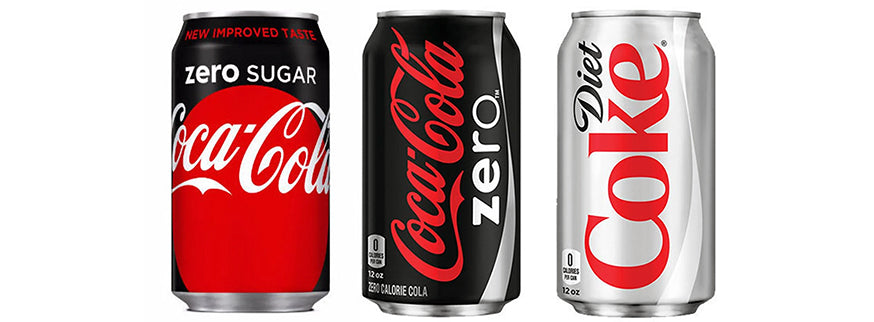
Diet sodas like Diet Coke, Pepsi Zero Sugar, and Sprite Zero are safe for diabetics. These sodas contain artificial sweeteners like aspartame or sucralose, which do not raise blood sugar levels. Always check labels for any added sugars or carbohydrates to ensure they fit into your diet plan.
Do Diet Sodas Raise Your Blood Sugar?
Diet sodas do not typically raise blood sugar levels. They contain artificial sweeteners with minimal or no calories. Some individuals may experience different reactions, so monitoring personal blood sugar response is crucial. Consult with a healthcare professional for personalized advice.
Is Diet Soda Safe For Diabetics?
Diet soda is generally safe for diabetics. It contains artificial sweeteners instead of sugar, which helps manage blood sugar levels. However, moderation is key. Excessive consumption can lead to other health issues. Always consult with a healthcare provider for personalized advice.
Can Diet Sodas Affect Blood Sugar?
Diet sodas typically do not affect blood sugar levels. They contain no sugar, using artificial sweeteners instead. This makes them a popular choice for diabetics. However, individual reactions can vary. Monitoring how your body responds is crucial for effective diabetes management.
Conclusion
Diet sodas can be a safe choice for diabetics. They contain no sugar, making them a good alternative to sugary drinks. But moderation is key. Too much may lead to health concerns. Always consult with a healthcare professional. They can guide you on what’s best for your situation.
Remember, water is always a healthy choice. It keeps you hydrated without any additives. Listen to your body and make informed choices. Choose wisely to maintain a balanced lifestyle. Your health should always come first. Stay informed and stay healthy.