Are you curious about whether bodyweight squats can really help you build muscle? If you’re tired of gym memberships, heavy lifting, and complicated workout routines, you’re not alone.
Many people are looking for simple yet effective ways to strengthen their bodies without all the hassle. Imagine being able to boost your muscle growth with just your own body weight, no equipment needed. Sounds too good to be true, right?
But what if it isn’t? We’ll dive into the potential of bodyweight squats and uncover the truth about their muscle-building power. Ready to discover how you can harness the strength within you? Keep reading, because you might just find the answer you’ve been searching for.

Credit: www.youtube.com
Benefits Of Bodyweight Squats
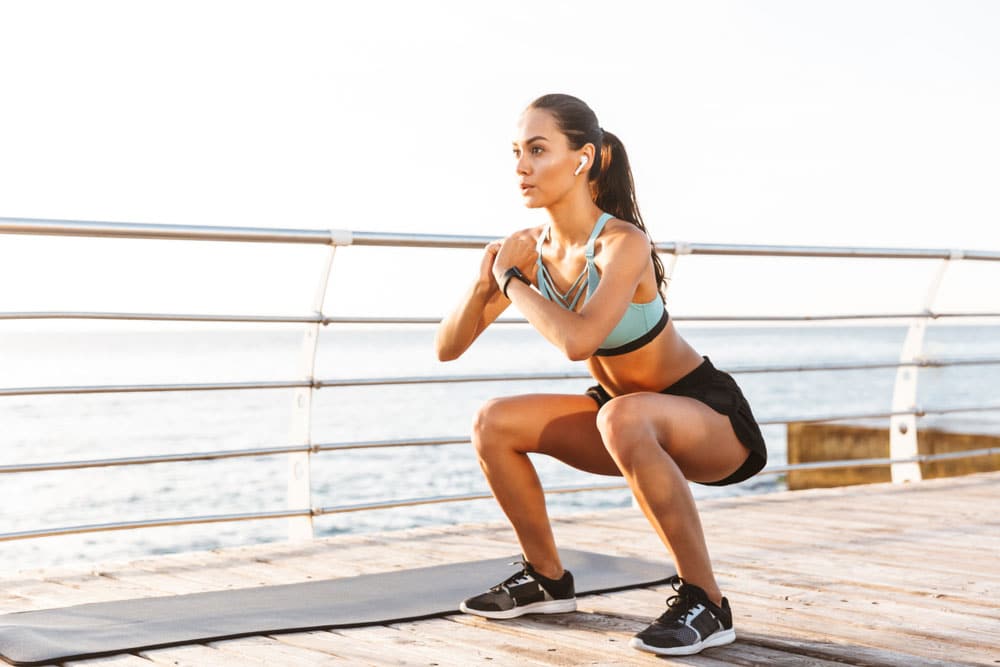
Bodyweight squats might seem simple, but they pack a punch when it comes to building muscle. Without the need for weights or gym equipment, squats can transform your workout routine and enhance your fitness journey. Let’s dive into the benefits of bodyweight squats and how they can contribute to muscle growth in ways you might not expect.
Improved Muscle Endurance
Have you ever tried doing squats for a minute straight? It’s challenging. This exercise boosts your muscle endurance over time. As you repeat squats, your muscles learn to handle more strain without tiring. Imagine being able to take the stairs without losing breath or keeping up with your kids in the park. Your increased endurance from squats can make daily activities easier.
Enhanced Core Strength
Squats aren’t just for your legs. They engage your core, helping you build strength in your abdominal muscles and lower back. With every squat, you’re training your body to stabilize itself. This core strength is essential for other exercises and daily movements. Picture yourself lifting heavy groceries with ease—your core’s got your back.
Increased Flexibility
Flexibility might not be the first thing you think of with squats, but it’s a bonus benefit. Squats require your hips, knees, and ankles to move through a full range of motion. Over time, this increases your joint flexibility. Have you noticed how athletes seem to move effortlessly? You can gain similar benefits. Squats can help your body become more agile and resilient.
Are you ready to add bodyweight squats to your workout? Consider setting a daily goal to challenge yourself. How many squats can you do in one minute? Track your progress and watch as your endurance, core strength, and flexibility improve. You might find yourself surprised by the results. Squats are a simple yet powerful tool in your fitness arsenal.
Credit: cathe.com
Muscle Groups Targeted
Bodyweight squats are effective for building muscle. They engage several key muscle groups. Knowing which muscles are involved helps improve your workout routine. Let’s explore these muscles.
Quadriceps And Hamstrings
Squats heavily target the quadriceps. These are the muscles at the front of your thighs. They help you extend your knees. Strong quadriceps improve balance and stability.
Hamstrings are located at the back of your thighs. They work alongside the quadriceps. Hamstrings help you bend your knees. Together, they create a powerful leg movement.
Gluteus Maximus
The gluteus maximus is the largest muscle in the buttocks. Squats engage this muscle significantly. Strong glutes support lower body strength and posture.
This muscle helps you stand and move efficiently. It is vital for athletic performance.
Calves And Ankles
Calves stabilize your legs during squats. They are located at the back of your lower legs. These muscles help you rise onto your toes.
Ankles support movement and balance. They work in conjunction with the calves. Together, they ensure smooth and stable squatting motions.
Factors Influencing Muscle Growth
Building muscle through bodyweight squats is not just about performing the exercise; several factors significantly influence muscle growth. While squats can be a powerful tool, understanding these key elements can maximize your results and keep your workout exciting.
Intensity And Volume
Intensity and volume are crucial for muscle development. You need to push yourself with the number of reps and sets you perform. High-intensity workouts, with fewer reps at a slower pace, can engage your muscles deeply.
On the other hand, increasing volume by adding more reps can challenge your endurance and muscle capacity. Have you ever felt that burning sensation in your thighs after a set of squats? That’s your muscles responding to intensity and volume.
Progressive Overload
Progressive overload is essential for consistent muscle growth. It’s about gradually increasing the challenge to your muscles over time. This can be achieved by adding more reps, decreasing rest intervals, or incorporating advanced squat variations.
Consider trying single-leg squats or jump squats to increase difficulty. Have you noticed how your body adapts to a routine? Progressive overload ensures your muscles are continually challenged, preventing plateaus.
Nutrition And Recovery
Your diet and recovery play a pivotal role in muscle growth. Eating enough protein supports muscle repair and growth. Include lean meats, beans, and nuts in your meals to fuel your workouts.
Recovery is equally important. Ensure you get adequate sleep and allow your muscles to rest between intense sessions. Have you ever felt sluggish after a poor night’s sleep? Proper recovery helps your body rebuild stronger muscles.
Are you ready to take your bodyweight squats to the next level? Understanding and applying these factors can make a difference in your muscle-building journey. Embrace these strategies and watch your progress soar!
Variations To Maximize Gains
Bodyweight squats are powerful for building muscle. But, using variations can boost your gains. Different squat types target muscles in unique ways. They help improve strength and balance. Let’s explore some effective squat variations.
Pistol Squats
Pistol squats are challenging. They build strong legs and improve balance. This squat targets the quads, glutes, and core. To perform, lower your body on one leg. Keep the other leg straight. This move requires strength and control.
Jump Squats
Jump squats add intensity to your routine. They increase power and agility. Start with a regular squat. Then, jump up explosively. Land softly and repeat. This variation boosts your heart rate and builds muscle.
Sissy Squats
Sissy squats target the quads intensely. They are great for leg development. Lean back while keeping your hips forward. Bend your knees as you lower down. This exercise isolates the quads effectively. It’s a great way to add challenge.
Common Mistakes To Avoid
Bodyweight squats are a fantastic way to build muscle. Yet, many people make mistakes that hinder their progress. Identifying these errors can lead to better results. Paying attention to form, warm-up routines, and breathing can make a difference. Let’s dive into these common mistakes.
Poor Form
Squats require correct posture to be effective. Many beginners rush through the movement. They often bend their back. This can cause strain and injury. Keep your back straight. Focus on lowering your hips. Knees should not extend beyond toes. Proper form ensures muscle activation and safety.
Inadequate Warm-up
Skipping a warm-up is a frequent mistake. Muscles need preparation before exercise. A warm-up increases blood flow. It reduces injury risk. Try stretching and light cardio. Spend at least 5 minutes warming up. Your body will be ready for action. Better performance comes from proper preparation.
Neglecting Breathing Techniques
Breathing is often overlooked. It plays a crucial role in exercise. Holding breath can cause dizziness. Breathe in as you lower your body. Exhale when you rise. This rhythm supports muscle function. Proper breathing enhances endurance and focus. Pay attention to your breath during squats.
Incorporating Squats Into A Routine
Incorporating bodyweight squats into your workout routine can be powerful. They help build muscle and improve strength. Squats use many muscles, including quads, glutes, and hamstrings. Regular practice enhances overall fitness and muscle tone. It’s essential to integrate squats properly for maximum benefits.
Combining With Other Exercises
Squats work well with other exercises. Pair them with lunges for balanced leg strength. Add push-ups for a full-body routine. Mountain climbers complement squats for cardio and agility. This mix keeps workouts varied and engaging. It also targets multiple muscle groups.
Frequency And Repetitions
Consistency is key for muscle growth. Do squats three times a week. Start with 3 sets of 10-15 repetitions. Gradually increase reps as you get stronger. Listen to your body to avoid overtraining. Rest days are crucial for muscle recovery.
Tracking Progress
Monitor your progress to stay motivated. Record the number of squats done each session. Note any improvements in strength or endurance. Take body measurements monthly to track muscle growth. Photos can also show physical changes over time. Adjust your routine based on progress. This ensures continuous improvement and muscle gain.

Credit: www.youtube.com
Frequently Asked Questions
Can You Build Legs With Just Bodyweight Squats?
Yes, you can build leg strength with bodyweight squats. Consistent practice enhances muscle endurance and tone. Increase intensity by varying squat types or adding repetitions. Incorporating these exercises into your routine can effectively strengthen your legs without weights.
How Many Bodyweight Squats Per Day To Build Muscle?
Performing 50-100 bodyweight squats daily can effectively build muscle. Adjust the number based on fitness level. Ensure proper form to maximize benefits. Gradually increase reps or incorporate variations like jump squats to continue progress. Combining squats with a balanced diet enhances muscle growth.
Will 100 Bodyweight Squats A Day Do Anything?
Performing 100 bodyweight squats daily can improve leg strength, enhance endurance, and boost cardiovascular health. Consistency leads to noticeable muscle tone and increased energy levels. Combine with a balanced diet and other exercises for optimal results.
Are You Strong If You Can Squat Your Bodyweight?
Squatting your bodyweight is a good indicator of strength and fitness. It’s a common benchmark in weightlifting. Achieving this shows strong lower body muscles, balance, and endurance. Beginners may find it challenging, but with consistent training, it’s attainable. Always focus on correct form to prevent injuries.
Conclusion
Bodyweight squats can effectively build muscle. Simple movements target key muscle groups. Regular practice improves strength and endurance. It’s essential to maintain proper form. Focus on gradual progression and consistency. Include squats in a balanced workout routine. Listen to your body to avoid injuries.
Adjust intensity based on your fitness level. Squats are a convenient and efficient exercise. No equipment needed, just your body weight. Perfect for home workouts or on-the-go fitness. Embrace bodyweight squats for a stronger, healthier you.