Are you struggling to shed those stubborn pounds despite your best efforts? You’ve tried diets, exercise routines, and maybe even the latest weight loss fad, but nothing seems to work.
You’re not alone. Many people face this frustrating battle, and it might be time to consider a different approach. Have you ever thought about consulting an endocrinologist for weight loss? This might sound unconventional, but an endocrinologist could be the missing piece in your weight loss puzzle.
By understanding how your hormones impact weight, you can unlock a new pathway to achieving your weight goals. Curious to know how an endocrinologist can help you? Keep reading to discover how they can guide you through a personalized and effective weight loss journey.

Credit: www.keckmedicine.org
Role Of Endocrinologists In Weight Management
Endocrinologists specialize in hormones and can assist with weight loss by addressing underlying hormonal imbalances. Their expertise helps in creating personalized treatment plans that support healthy weight management. Effective strategies may include medication, lifestyle adjustments, and ongoing monitoring to achieve sustainable results.
The journey to weight loss can often feel like navigating a maze, and sometimes, you need an expert guide. This is where endocrinologists come in. They specialize in the science of hormones, which play a crucial role in weight regulation. Let’s explore how these experts can assist you in managing your weight effectively.Understanding Hormonal Influence On Weight
Hormones can significantly impact your body’s ability to gain or lose weight. An endocrinologist can identify imbalances such as thyroid issues, insulin resistance, or other hormonal disorders that may be affecting your weight. Addressing these issues can make a substantial difference in your weight loss efforts.Personalized Treatment Plans
Endocrinologists offer tailored treatment plans based on your unique hormonal makeup. They consider your medical history, lifestyle, and specific hormonal needs. This personalized approach ensures that you receive the most effective strategies for managing your weight.Medications And Therapies
Sometimes, lifestyle changes alone aren’t enough. Endocrinologists can prescribe medications or suggest therapies that target specific hormonal imbalances. These interventions can support your weight loss journey when combined with a healthy diet and exercise.Long-term Support And Monitoring
Weight management is not a one-time event; it requires ongoing effort. Endocrinologists provide long-term support and monitoring to track your progress. Regular check-ins ensure that your treatment plan evolves with your needs, keeping you on the path to success.Education And Empowerment
An endocrinologist not only treats but also educates. Understanding how hormones affect your weight gives you the power to make informed decisions. Imagine feeling confident in your knowledge of how your body works, leading to better health choices. Have you considered consulting an endocrinologist for your weight management? Their expertise could be the missing piece in your weight loss puzzle. It’s worth exploring how hormonal balance might play a role in your journey to better health.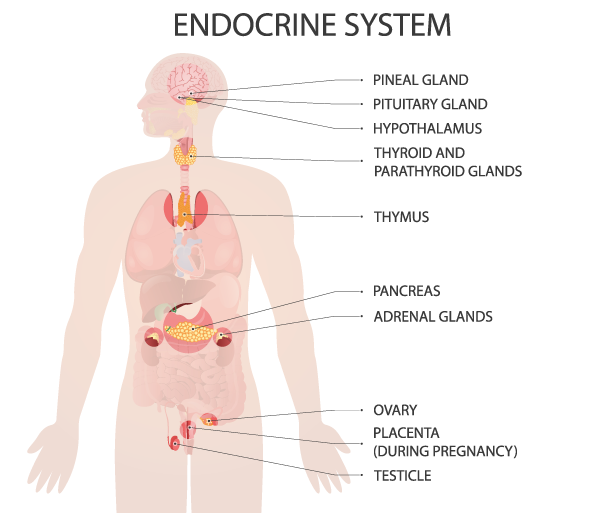
Credit: surgicalweightmatters.co.uk
Hormonal Imbalances And Weight Gain
Hormonal imbalances can lead to unexpected weight gain. These imbalances affect how your body processes food and stores fat. They often cause changes in appetite and energy levels. Understanding the link between hormones and weight gain is crucial. An endocrinologist can help identify and treat these imbalances.
Common Hormonal Disorders
Several hormonal disorders can contribute to weight gain. Polycystic Ovary Syndrome (PCOS) is common in women. It causes hormonal imbalances that lead to weight gain. Hypothyroidism results in a slow metabolism, often causing weight gain. Cushing’s syndrome is another disorder. It increases cortisol levels, leading to fat accumulation.
Impact On Metabolism
Hormones play a key role in metabolism. They regulate how the body uses energy from food. Imbalances can slow down metabolic processes. This makes it harder to burn calories efficiently. A sluggish metabolism often leads to weight gain. Insulin resistance is another concern. It affects how your body processes sugar. This can cause further weight gain and health issues.
Diagnostic Approaches
Endocrinologists play a key role in weight management by addressing hormonal imbalances. They provide personalized treatment plans. With their expertise, patients can achieve healthier weight through diet and lifestyle adjustments.
Understanding the root causes of weight gain can be a complex puzzle. Endocrinologists play a crucial role in piecing together this puzzle by using precise diagnostic approaches. They aim to identify any underlying hormonal imbalances that might be contributing to weight issues. This section will explore how endocrinologists use diagnostic tools to offer a clearer picture of your health.Identifying Hormonal Causes
Hormones can significantly influence your weight. Endocrinologists are skilled at pinpointing hormonal issues that may be the culprit. They often start with blood tests to check levels of hormones like insulin, cortisol, and thyroid hormones. These tests can reveal if your body’s hormone production is normal or if there are irregularities contributing to weight gain. Imagine the relief of discovering that a simple hormone imbalance could be the reason you’ve struggled with weight. With the right diagnosis, you can shift from frustration to a focused plan for managing your weight.Comprehensive Health Assessments
A thorough health assessment goes beyond just hormone levels. Endocrinologists evaluate your overall health to see how different factors might be affecting your weight. They consider your medical history, lifestyle, and even family history to get a complete picture. This comprehensive approach ensures that nothing is overlooked. You might wonder, are lifestyle changes enough? Sometimes, they are part of the solution. But knowing the full scope of your health helps in crafting a more effective plan. By understanding these diagnostic approaches, you can see how an endocrinologist might just be the ally you need in your weight loss journey. Their expertise in identifying hormonal and health-related issues can be a game-changer, guiding you towards a healthier, more balanced life.Treatment Strategies
Endocrinologists play a vital role in managing weight loss. They offer specialized treatment strategies based on individual needs. Their focus is not just on shedding pounds. They aim to address underlying hormonal imbalances. This holistic approach can lead to long-term health improvements.
Medication And Hormonal Therapy
Medication can be a helpful tool in weight management. Endocrinologists often prescribe drugs that regulate appetite. These medications target specific hormones. They help in balancing the body’s metabolism. Hormonal therapy can correct hormonal imbalances. This therapy can lead to effective weight loss. It focuses on hormones like insulin and thyroid. Correcting these can boost weight loss efforts.
Lifestyle Modifications
Lifestyle changes are crucial for weight loss. Endocrinologists guide patients in adopting healthier habits. They suggest personalized diet plans. Exercise routines are tailored to individual needs. Simple changes can have a big impact. These modifications support medication and hormonal therapy. Together, they form a comprehensive approach. This strategy enhances overall well-being.
Collaborative Care
Collaborative care offers a comprehensive approach to weight loss. It involves different health professionals working together to help you achieve your goals. This team approach can lead to better results than working alone. Endocrinologists play a key role in this collaborative effort. They understand how hormones affect weight and can tailor treatments accordingly. By partnering with other experts, they ensure a holistic strategy for weight management.
Working With Nutritionists
Nutritionists provide guidance on healthy eating habits. They design meal plans tailored to your needs. With an endocrinologist’s input, they consider hormonal influences on diet. This partnership helps create effective nutritional strategies. A balanced diet supports the body’s natural processes. It can enhance the effects of hormonal treatments. Together, they address dietary challenges that might impact weight loss.
Incorporating Fitness Experts
Fitness experts contribute to the physical aspect of weight loss. They focus on exercise plans that suit your lifestyle. Collaborating with an endocrinologist ensures exercises align with hormonal health. They consider how hormones might affect energy levels. This helps in choosing the right type and intensity of workouts. Exercise improves metabolism and supports weight management. A well-rounded fitness plan complements dietary and hormonal strategies.
Success Stories And Case Studies
Success stories reveal how endocrinologists assist patients in achieving weight loss goals. Their expertise in hormonal balance aids in crafting personalized plans. These plans target underlying issues, helping individuals manage weight effectively.
When it comes to weight loss, the journey can often feel like an uphill battle filled with challenges and setbacks. While diet and exercise play a crucial role, the underlying hormonal imbalances can be a significant barrier. This is where an endocrinologist can make a difference. By addressing these imbalances, they not only help you shed pounds but also improve your overall health. Let’s delve into some inspiring success stories and case studies to see how endocrinologists have made a real impact.Real-life Patient Experiences
One patient, Sarah, struggled with weight loss for years despite trying every diet under the sun. Frustrated, she sought help from an endocrinologist. It turned out her thyroid was underactive, a condition known as hypothyroidism. With the right medication and guidance, Sarah not only lost weight but also gained energy and confidence. Another patient, John, faced the daunting challenge of insulin resistance, which made weight loss nearly impossible. His endocrinologist tailored a plan that included medication and lifestyle changes. Over time, John’s blood sugar levels stabilized, and he was able to lose weight consistently. These stories highlight the power of understanding the root causes of weight challenges. Have you ever considered how your hormones might be affecting your weight loss journey?Lessons Learned From Treatment
One key lesson from these cases is the importance of personalized treatment. Cookie-cutter solutions rarely work when it comes to complex hormonal issues. Sarah and John both benefited from plans that were designed for their unique needs. Another lesson is the significance of patience and persistence. Hormonal adjustments take time, and setbacks are part of the process. Yet, with the right support, patients often find that progress, though slow, is sustainable. Finally, collaboration is crucial. Both patients worked closely with their endocrinologists, maintaining open communication and following through with recommendations. Have you established a collaborative relationship with your healthcare provider? These insights can be a game-changer for anyone grappling with weight loss. Addressing hormonal imbalances might just be the missing piece in your journey.Challenges And Limitations
When seeking help with weight loss, many turn to endocrinologists. These specialists understand the complex role hormones play in weight management. Yet, challenges and limitations exist in this approach. Patients may face barriers in treatment and need proper guidance. Understanding these hurdles is crucial for effective weight loss.
Understanding Treatment Barriers
Endocrinologists often encounter obstacles in treating weight loss. Hormonal imbalances can complicate straightforward solutions. Each patient’s body responds differently to treatment. This variability makes it difficult to predict outcomes. Additionally, not all weight issues stem from hormonal problems. Lifestyle and genetic factors often play a significant role. Endocrinologists must navigate these complexities carefully.
Managing Patient Expectations
Patients may expect quick results from endocrinological treatment. This expectation can lead to disappointment. Weight loss requires time, especially with hormonal involvement. Endocrinologists must communicate realistic timelines to their patients. Helping patients set achievable goals is essential. It fosters motivation and adherence to treatment plans. Patients need to understand that lifestyle changes are part of the process.
Future Directions In Endocrinology And Weight Loss
Endocrinologists specialize in hormones, which play a crucial role in weight management. They can create personalized plans to address hormonal imbalances affecting weight. By understanding individual health needs, they offer guidance that can aid in effective weight loss.
The future of endocrinology in weight loss offers promising developments. As obesity rates rise, endocrinologists explore new ways to support patients. Cutting-edge research and therapies are paving the way for effective weight management. Let’s delve into the innovative therapies and research shaping this field.Innovative Therapies
Endocrinologists are exploring hormone-based treatments for weight loss. These therapies target hormones affecting appetite and metabolism. One promising area is the use of GLP-1 agonists. These drugs mimic natural hormones that regulate hunger. They help reduce cravings and promote fullness. Another exciting therapy is leptin supplementation. Leptin is a hormone that signals satiety to the brain. Studies show leptin can aid in controlling weight when used correctly. Hormone replacement therapy is also gaining attention. This approach balances hormones that influence weight. Thyroid hormones play a key role in metabolism. Adjusting these levels may help boost calorie burning. Endocrinologists are researching how hormone therapies can be tailored to individual needs. Personalized treatments could enhance effectiveness and reduce side effects.Research And Developments
The field of endocrinology is witnessing rapid advancements in research. Scientists are decoding the complex relationship between hormones and weight. Recent studies focus on the gut-brain axis. This connection influences hunger and digestion. Understanding it could lead to new weight loss strategies. Genetic research is also making strides. Genetics play a role in obesity and weight gain. Identifying genes linked to weight can inform personalized treatments. Researchers are studying how lifestyle and environment affect these genes. This knowledge could lead to new interventions for weight management. Endocrinologists are collaborating with nutritionists and psychologists. This multidisciplinary approach addresses the psychological aspects of weight loss. Emotional factors can impact eating habits and weight. Integrating mental health support in weight loss plans shows promise. Future directions in endocrinology and weight loss are vast. Innovative therapies and research offer hope for effective management. With ongoing developments, endocrinologists aim to provide more personalized and holistic care.
Credit: www.wellbymesser.com
Frequently Asked Questions
Can An Endocrinologist Prescribe Ozempic For Weight Loss?
Endocrinologists can prescribe Ozempic for weight loss, especially for patients with type 2 diabetes or obesity. It’s important to consult with a healthcare professional to determine if Ozempic is suitable for your specific needs. Always follow medical guidance for safe and effective treatment.
What Kind Of Doctor Is Best For Weight Loss?
A bariatrician or obesity medicine specialist is best for weight loss. They provide personalized medical, nutritional, and lifestyle guidance.
What Endocrine Disorder Causes Weight Gain?
Hypothyroidism often leads to weight gain. This condition slows metabolism due to underactive thyroid gland. Other endocrine disorders like Cushing’s syndrome can also cause weight gain. Managing thyroid function and hormonal balance is crucial for maintaining healthy weight. Consult a healthcare professional for diagnosis and treatment options.
What Is The Hormone That Helps You Lose Weight?
Leptin is a hormone that helps regulate appetite and weight loss. It signals the brain to reduce hunger and increase energy expenditure. Higher leptin levels can aid in weight management by promoting a feeling of fullness. Maintaining a balanced diet and regular exercise supports healthy leptin function.
Conclusion
Endocrinologists can play a vital role in weight management. They understand hormones and metabolism well. Their guidance helps in creating effective weight loss plans. Consulting an endocrinologist might provide new insights. Especially if weight loss has been challenging. They can tailor advice based on individual needs.
This personalized approach often yields better results. Maintaining a healthy weight supports overall well-being. So, seeking expert advice is a wise step. Remember, combining medical advice with lifestyle changes is key. An endocrinologist’s expertise could be the missing link. Consider their support in your weight loss journey.
Your health is worth it.