Have you recently rolled up your sleeve to donate blood and are now wondering if you can hit the gym afterward? You’re not alone.
Many fitness enthusiasts face this common dilemma. Donating blood is a generous act that can save lives, but it also raises questions about what activities you can safely resume afterward. Your health and well-being are paramount, and understanding the right balance between philanthropy and personal fitness is key.
We’ll dive into the specifics of how blood donation affects your body and whether your post-donation workout plan needs a tweak. By the end, you’ll have a clear understanding of how to manage your fitness routine without compromising your health. Stick around to discover the best practices and tips for staying active while being a lifesaver. Your body will thank you, and so will those in need.
Benefits Of Donating Blood
Donating blood is a noble act that not only helps save lives but also offers a range of benefits for the donor. It’s a small commitment with a huge impact, both for the recipient and for you. But have you ever wondered what you gain by giving a pint of your blood? Let’s delve into the health benefits and emotional rewards that come with this selfless gesture.
Health Benefits
Did you know that donating blood can actually be good for your health? Regular blood donation can help reduce harmful iron levels, which, if left unchecked, can damage your heart and liver. It’s an easy way to keep your iron levels in balance.
Blood donation can also stimulate your body to produce new blood cells. This rejuvenating process can lead to improved circulation and better overall health. Imagine feeling refreshed and revitalized after a simple act of kindness!
- Reduces harmful iron levels
- Boosts blood cell production
- Improves circulation
Emotional Rewards
Beyond the physical benefits, the emotional rewards of donating blood are equally significant. The sense of satisfaction and fulfillment you experience knowing you’ve helped someone in need is priceless. It’s a way to connect with your community and contribute to a cause bigger than yourself.
Moreover, donating blood can be a powerful reminder of your ability to make a difference. It’s uplifting to know that your actions have the potential to save lives and create a ripple effect of positivity. Who wouldn’t want to be part of such a meaningful endeavor?
- Sense of fulfillment
- Community connection
- Reminder of your impact
Have you considered the emotional benefits of your altruistic actions? The next time you donate blood, think about the lives you’re touching and the difference you’re making. Isn’t it incredible to know that a small sacrifice can lead to a world of good?

Credit: www.medicalnewstoday.com
Immediate Effects Of Blood Donation
Feeling lightheaded after donating blood is common. It’s wise to rest and hydrate before hitting the gym. Exercise might be risky immediately after donation.
Blood donation can affect your body in several ways. Understanding these changes is crucial, especially if you’re considering hitting the gym post-donation. After donating, your body needs time to replenish lost fluids and adjust to the decrease in blood volume. Let’s explore how this impacts you immediately after donation.Physical Changes
Donating blood reduces your blood volume temporarily. This can lead to a drop in blood pressure. You might feel lightheaded or dizzy shortly after. Your body works hard to replace the lost blood cells. This process takes a few weeks. It’s important to rest and hydrate. Your body needs water to make new blood cells. Drinking fluids helps speed up recovery. Eating iron-rich foods can also assist in replenishing your blood supply.Energy Levels
Post-donation, your energy might be lower than usual. This is due to reduced red blood cells, which carry oxygen. Your muscles might feel weaker. You could experience fatigue more easily. It’s normal to feel tired after donating blood. Resting can help restore your energy levels. Engaging in strenuous exercise immediately is not advisable. Allow your body time to adjust. Listen to your body and resume workouts gradually.Guidelines For Post-donation Activity
Donating blood is a generous act, but it can temporarily affect your body. Understanding how to safely resume activities like going to the gym is essential. After donating blood, your body needs time to recover, and following specific guidelines can ensure you regain your strength without putting yourself at risk. Let’s explore the key aspects of post-donation activity.
Rest And Recovery
Immediately after donating blood, your body requires rest. It’s not just about sitting down for a few minutes; it’s about truly allowing your body to recuperate. Listen to your body. If you feel dizzy or lightheaded, it’s a signal to relax and avoid strenuous activities.
Consider this: if you were to push your limits too soon, you could exacerbate fatigue and prolong your recovery time. So, allow yourself a day or two of rest. This doesn’t mean you have to be completely inactive, but avoid heavy lifting and intense workouts.
Hydration Importance
Hydration plays a crucial role post-donation. Your body loses fluids along with the blood, so replenishing them is vital. Drink plenty of water throughout the day to aid in recovery.
Not a fan of plain water? Mix it up with natural fruit juices or herbal teas. Hydration helps maintain your energy levels and supports the circulation process. Have you ever noticed how dehydration can lead to headaches or sluggishness? Post-donation, these effects can be even more pronounced.
Think about this: being adequately hydrated not only aids in faster recovery but also prepares your body for your next workout session. Ensure you’re drinking enough before considering a return to the gym.
Exercise Precautions After Donation
After donating blood, it is important to understand how exercise affects your body. Your body needs time to recover from the loss of blood. Exercise precautions are crucial to ensure your safety and well-being. Listen to your body and avoid intense workouts immediately after donation.
Safety Tips For Gym Visits
- Start with light exercises like walking or stretching.
- Stay hydrated by drinking plenty of water.
- Eat a healthy snack to replenish energy levels.
- Avoid heavy lifting or high-intensity workouts.
- Rest if you feel dizzy or lightheaded.
Signs To Watch For
- Watch for dizziness or fainting spells.
- Look out for unusual fatigue or weakness.
- Be aware of increased heart rate or palpitations.
- Monitor for headaches or nausea.
- Seek medical help if symptoms persist.
Ideal Time To Resume Workouts
Donating blood is a noble act that saves lives, but it can leave you feeling a bit drained. If you’re an avid gym-goer, you might be wondering when it’s safe to hit the gym again. Understanding the ideal time to resume workouts after donating blood is crucial for your health and fitness journey.
Recommended Waiting Period
After donating blood, your body needs time to replenish the lost fluids and adjust. Typically, experts suggest waiting at least 24-48 hours before engaging in any strenuous activity. This gives your body a chance to recover and prevents dizziness or fatigue during workouts.
Imagine heading to the gym too soon and feeling faint halfway through your session. A short break ensures you return strong and ready. It’s important to listen to your body and not rush back into your usual routine.
Gradual Intensity Increase
Once you feel ready to return, start with light exercises. This might include walking, yoga, or gentle cycling. Gradually increase the intensity as your energy levels return to normal.
Consider tracking your progress. Maybe set a goal to slowly ramp up your workout intensity over a week or two. This approach safeguards your health while allowing you to build back your stamina effectively.
Have you ever tried pushing yourself too hard too soon? Reflecting on past experiences can offer valuable insights into how you should approach your post-donation workouts.
Taking care of your health is about understanding and respecting your body’s signals. By following these guidelines, you ensure a safe and effective transition back to your fitness routine. What strategies do you use to monitor your recovery after donating blood?

Credit: www.sparshphysioclinic.com
Nutritional Support For Recovery
After donating blood, your body needs time to recover. Nutritional support plays a crucial role in this process. Eating the right foods helps replenish lost nutrients, boosting your energy levels. Proper nutrition aids in faster recovery and getting you back to your routine.
Iron-rich Foods
Iron is vital for producing new blood cells. Include iron-rich foods in your diet. Spinach, lentils, and red meat are excellent choices. These foods help restore iron levels quickly. Pairing them with vitamin C-rich foods enhances iron absorption. Citrus fruits and bell peppers are good options.
Protein And Vitamins
Proteins support cell repair and growth. Lean meats, beans, and eggs are rich in protein. They help rebuild your strength. Vitamins also play a key role in recovery. B vitamins, found in whole grains and dairy, boost energy levels. Vitamin E, present in nuts and seeds, aids in healing. Ensure your diet includes these essential nutrients.
Listening To Your Body
After donating blood, you might feel eager to jump back into your workout routine. However, it’s crucial to listen to your body and recognize its signals. Your body has undergone a change and needs time to recover. Understanding these signs can help you make informed decisions about when to resume your gym sessions.
Understanding Personal Limits
Everyone reacts differently to donating blood. You might feel lightheaded or fatigued, while others feel perfectly fine. Recognizing your personal limits is essential. If you feel dizzy or weak, it’s your body telling you to rest. Pay attention to these cues and don’t push yourself too hard. Take a moment to reflect on how you feel before deciding to hit the gym.
Consulting Healthcare Professionals
When in doubt, consulting a healthcare professional can provide clarity. They can offer guidance based on your health status and recovery needs. Their advice is tailored to your situation, ensuring you make safe choices. Don’t hesitate to reach out and ask questions about your specific case. It’s better to be cautious than risk overexerting yourself.
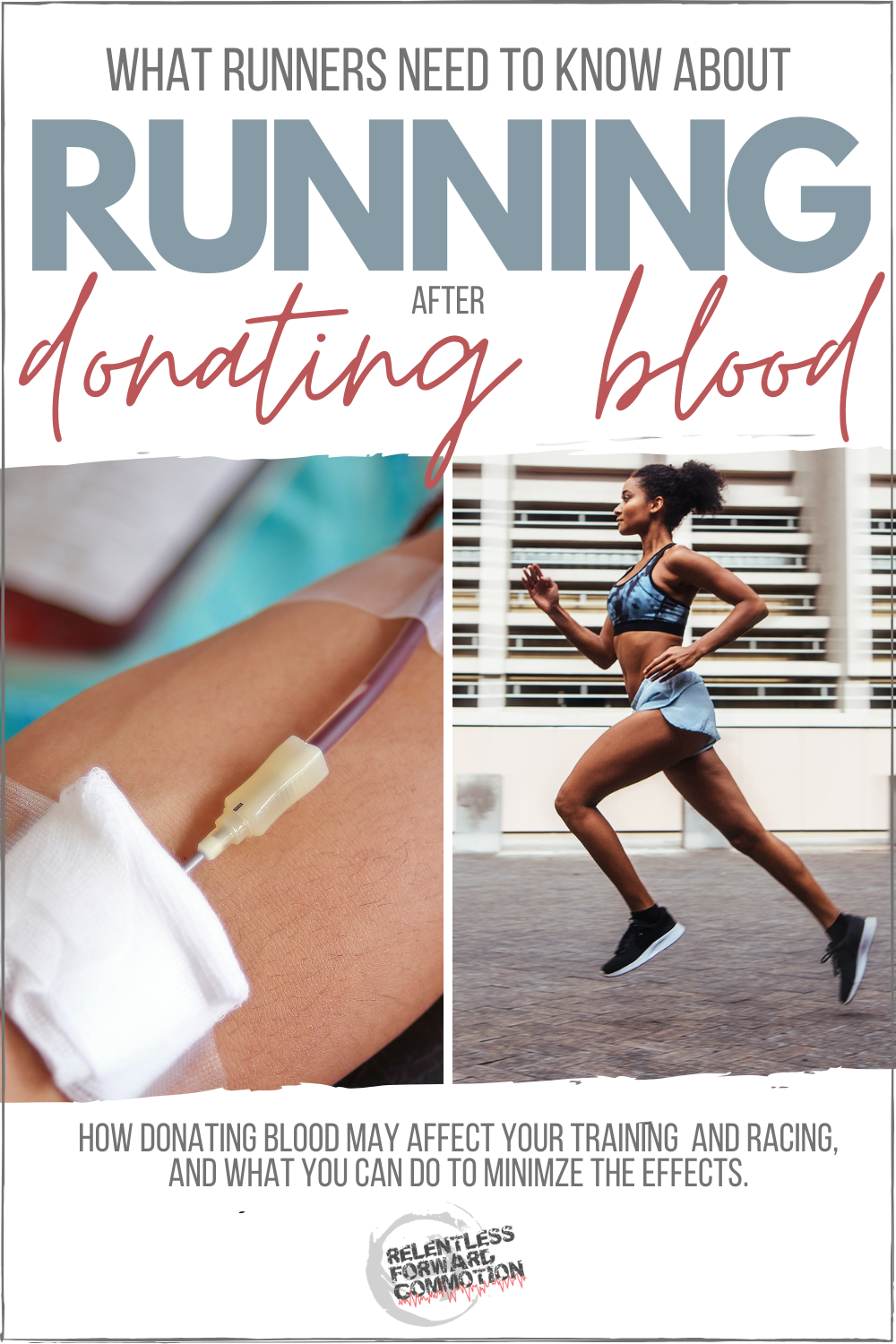
Credit: relentlessforwardcommotion.com
Frequently Asked Questions
How Long After Donating Blood Can I Exercise?
Wait at least 24 hours after donating blood before exercising. Hydrate well and eat nutritious meals. Listen to your body and avoid strenuous activities if you feel dizzy or weak. Always consult with medical professionals for personalized advice.
Is It Safe To Exercise After Blood Donation?
After donating blood, it’s best to avoid strenuous exercise for 24 hours. Your body needs time to replenish lost fluids and adjust. Light activities like walking are fine. Ensure you hydrate well and listen to your body for any signs of dizziness or fatigue during your workouts.
How Long Should I Wait Before Gym?
Wait at least 24 hours before resuming gym workouts post blood donation. During this time, focus on hydration and rest. This helps your body recover efficiently. If you experience any symptoms like dizziness or weakness, extend your rest period and consult a healthcare professional.
What Are The Risks Of Gym Post-donation?
Engaging in gym workouts immediately after donation can lead to dizziness or fainting. Your body requires time to stabilize blood pressure and replenish fluids. It’s crucial to monitor for any unusual symptoms. Always prioritize hydration and rest to mitigate these risks.
Conclusion
Taking a break after donating blood is essential. Listen to your body. Rest is crucial for recovery. Hydrate well and eat nutritious food. Avoid strenuous activities at the gym. Light exercises can resume once you feel ready. Always prioritize your health.
Consult a doctor if unsure. Your body needs time to heal. Safety first in every workout. Understanding your limits helps maintain good health. Regular check-ups ensure you’re fit for exercise. Stay informed about your health needs. This ensures a safer gym experience post-donation.
Remember, your well-being comes first.