Donating blood is a generous act that can save lives, but it might leave you with questions about your post-donation routine. One common concern is whether you can hit the gym after giving blood.
If you’re a fitness enthusiast, you might wonder how your workout routine could be affected. You probably don’t want to skip your exercise, but your health comes first. Understanding the impact of blood donation on your body is crucial for a safe and effective return to your fitness routine.
We’ll explore the science behind how donating blood affects your body and provide insights to help you decide when it’s safe to get back to your workouts. Keep reading to ensure you’re making the best choices for your health and fitness goals.

Credit: www.sparshphysioclinic.com
Physical Effects Of Blood Donation
Feeling tired after donating blood is common, affecting gym performance. Light exercise is usually safe, but heavy workouts can lead to dizziness. Hydration and rest help recovery.
Donating blood is a generous act that can save lives, but it also has temporary effects on your body. Understanding these physical effects can help you decide when it’s safe to hit the gym after your donation. You might feel eager to get back to your fitness routine, but it’s crucial to listen to your body and allow it time to recover.Immediate Reactions
Right after donating blood, your body undergoes some immediate changes. You might feel a bit lightheaded or dizzy as your body adjusts to the loss of blood. These sensations typically fade within a few minutes. You may also experience a slight drop in blood pressure. If you stand up too quickly, you could feel faint. It’s a good idea to rest and have a snack before leaving the donation center to stabilize your blood sugar levels.Short-term Symptoms
In the hours following your donation, you might feel unusually tired. This fatigue is your body’s way of telling you to take it easy. Your body’s blood volume needs time to return to normal, which could take a day or two. Some people experience mild bruising or soreness at the needle site. This is usually harmless, but it can be a reminder to avoid heavy lifting or strenuous exercises that could strain the area. Have you ever noticed how your energy levels dip after giving blood? It’s your body’s cue to prioritize rest over exertion. Consider this: is pushing yourself at the gym worth the risk of injury or prolonged recovery? By paying attention to these short-term symptoms, you can make informed decisions about your post-donation activities. Remember, taking a day off from the gym might be the best way to support your health and fitness in the long run.Safety Considerations For Exercising
After donating blood, your body needs time to recover. Exercise can help, but safety is key. Understanding how to care for your body post-donation is essential. This helps in avoiding potential risks. You must listen to your body and adjust your routine accordingly.
Hydration And Nutrition
Staying hydrated is crucial after giving blood. Drink plenty of water. Hydration helps in maintaining blood volume. It prevents dizziness and fatigue during workouts. Nutrition is equally important. Eat iron-rich foods like spinach and red meat. This supports the replenishment of lost blood cells. A balanced meal aids recovery and boosts energy levels.
Signs To Monitor
Your body gives signals if it’s not ready for exercise. Feel lightheaded? Stop immediately. Experience excessive fatigue? Rest is necessary. Watch for unusual bruising or bleeding. These are signs to pause your gym routine. Always consult a healthcare professional if unsure. Proper care ensures a safe return to exercise.
Expert Opinions On Gym Activities
Donating blood is a generous act. It saves lives. Many wonder about post-donation gym routines. Experts weigh in with valuable advice. They help balance fitness with recovery.
Recommended Rest Period
Experts suggest resting for a day. Your body needs time to recover. Blood volume decreases after donation. Rest helps your body build it back.
Listen to your body. Fatigue is common after donating. Feeling dizzy? Take more time to rest.
Types Of Exercises To Avoid
Avoid high-intensity workouts initially. Strenuous activities can strain your body. Heavy lifting should wait. It demands energy your body might lack.
Skip cardio for the first day. It can lead to dizziness. Focus on light activities like walking. They help your body adjust gently.
Tips For A Safe Workout Post-donation
Donating blood is a noble act, but it can leave your body feeling a bit depleted. You might wonder how soon you can hit the gym without compromising your health. Here are some tips for a safe workout post-donation to help you ease back into your fitness routine.
Gradual Intensity Increase
After donating blood, your body needs time to recover. Start with light exercises like walking or stretching. These activities help boost circulation and get your body moving without too much strain.
As you feel stronger, you can gradually increase the intensity of your workouts. Try adding short, gentle jogs or some yoga poses. Keep it slow and steady to let your body adjust.
Imagine your fitness journey as a staircase. You wouldn’t jump to the top step, right? Similarly, take each workout step by step, progressing only when you feel ready.
Listening To Your Body
Your body is the best guide to tell you when it’s ready for more. Pay attention to any signs of fatigue or dizziness during your workout. These signals are your body’s way of saying it needs more time to recover.
Consider how you felt the last time you worked out post-donation. Did your energy levels drop halfway through? Were you more thirsty than usual? Use these experiences to gauge your current readiness.
Ask yourself: Is pushing through worth feeling more drained later? Prioritize your health by listening to what your body is telling you.
Engage with your workout routine as a conversation rather than a challenge. Your body will thank you for it.
Potential Risks And Precautions
Exercising too soon after giving blood can lead to dizziness or fainting. Rest and hydrate before hitting the gym. Listen to your body to avoid these risks.
Donating blood is a generous act, but it comes with responsibilities to ensure your well-being. Hitting the gym right after donating might seem like a minor decision, but it carries certain risks. Understanding these potential risks and the necessary precautions can help you make informed choices about your post-donation activities.Recognizing Warning Signs
After donating blood, your body might give you signals that it needs rest. Look out for symptoms like dizziness, fatigue, or light-headedness. These could indicate that your body is not ready for physical exertion. If you experience any of these symptoms, it’s important to prioritize rest. Ignoring these signs can lead to fainting or injury during a workout. Remember, your body just lost a pint of blood, which can affect your energy levels and endurance.Preventive Measures
To ensure a safe return to your fitness routine, there are practical steps you can take. First, hydrate well before and after donating blood. Dehydration can exacerbate feelings of dizziness or weakness. Consider skipping strenuous workouts for at least 24 hours after donating. Light activities like walking or stretching can keep your body active without pushing it too hard. Always listen to your body’s needs. If you feel off, give yourself permission to rest instead of pushing through a workout. Have you ever tried exercising too soon after donating blood? Reflecting on that experience might help you understand what your body can handle. Taking these precautions not only ensures your safety but also supports your body as it replenishes the blood you’ve generously donated.
Credit: www.medicalnewstoday.com
Benefits Of Exercising After Donation
Donating blood is a noble act that helps save lives. After giving blood, many wonder about returning to their fitness routine. Exercising after donation can offer several benefits. It helps your body and mind recover quickly. Let’s explore the advantages of working out post-donation.
Physical Health Benefits
Exercising helps your blood circulation improve. It aids in replenishing lost blood cells. This speeds up your recovery process. Physical activity boosts your immune system. It keeps you feeling strong and healthy. Regular workouts maintain your fitness level. They ensure your body stays in good shape.
Mental Wellbeing Boost
Physical activity releases endorphins. These chemicals elevate your mood. They combat feelings of fatigue and stress. Exercise enhances mental clarity. It helps you focus better on daily tasks. The sense of achievement boosts self-esteem. Working out provides a positive outlook. It helps keep your mind relaxed and happy.
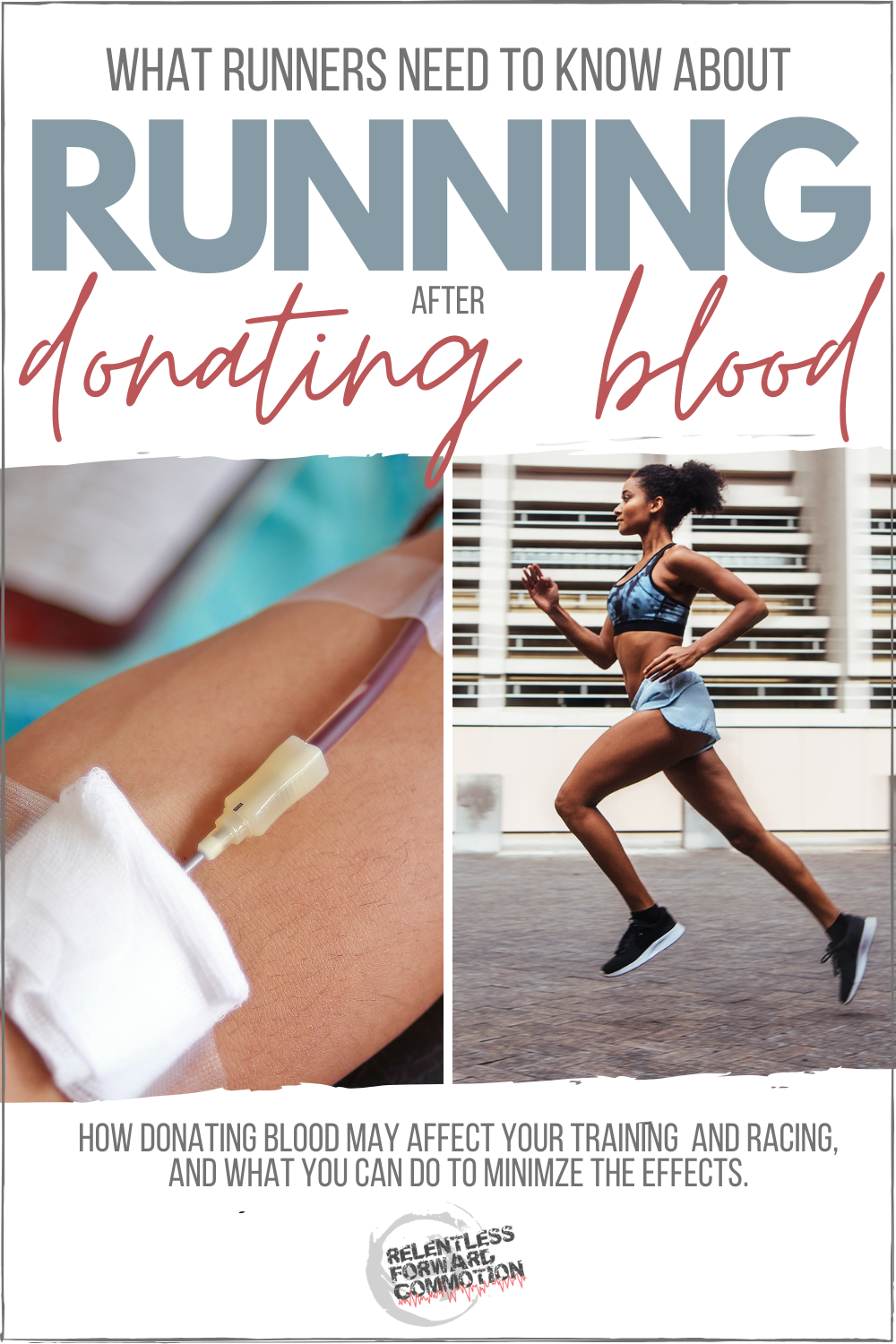
Credit: relentlessforwardcommotion.com
Frequently Asked Questions
How Long After Donating Blood Can I Exercise?
You can usually exercise 24 hours after donating blood. Start with light activities and hydrate well. Listen to your body and rest if needed. Consult with healthcare professionals for personalized advice.
Can I Go To The Gym After Getting Blood Drawn?
Avoid going to the gym immediately after getting blood drawn. Rest for at least 24 hours. Strenuous activities can increase bleeding or bruising risks. Listen to your body and resume exercises when you feel comfortable. Always consult your healthcare provider for personalized advice.
Is It Safe To Exercise After Donating Blood?
After donating blood, it is recommended to wait at least 24 hours before engaging in strenuous exercise. Your body needs time to recover and replenish lost fluids and red blood cells. Light activities like walking may be okay, but always listen to your body and consult your healthcare provider if unsure.
How Long Should I Rest Post-blood Donation?
Resting for about 24 hours is generally advised after donating blood. This allows your body to recover and stabilize. Hydrating well and eating nutritious meals can aid in quicker recovery. If you feel dizzy or weak, extend your rest period and avoid heavy physical activities.
Conclusion
Listening to your body is crucial after giving blood. Rest and hydration help recovery. Wait a day before hitting the gym. This prevents dizziness and fatigue. Light activity can be safe after a short rest. Always prioritize your health and comfort.
If you feel unwell, take more time to recover. Fitness is a journey, not a race. Your body needs care and respect. Consider speaking with a healthcare professional if unsure. They can provide guidance tailored to you. Make safe choices for a healthier lifestyle.
Your wellbeing always comes first.