Navigating the world of health expenses can be a bit like finding your way through a maze. You’ve probably heard of Flexible Spending Accounts (FSAs) and how they can be a financial lifesaver for medical expenses.
But what about those monthly gym fees that are just as crucial to your well-being? Can you actually use your FSA to pay for your gym membership? Imagine the satisfaction of knowing your fitness journey is being supported financially, easing some of the burden on your wallet.
You’ll discover the ins and outs of using your FSA for gym memberships, and find out if you can turn your fitness dreams into a fiscally smart reality. Stick around, because the answer might just surprise you and open up new possibilities for your health and finances.

Credit: www.reddit.com
Fsa Basics
Understanding the basics of a Flexible Spending Account (FSA) can open up new avenues for managing your healthcare expenses effectively. Many people don’t realize the potential benefits they can tap into by using their FSA wisely. Could it be that your gym membership is one of those unexpected expenses you can cover?
What Is A Flexible Spending Account?
A Flexible Spending Account, often abbreviated as FSA, is a special account you can set up through your employer. It allows you to save money tax-free for healthcare expenses. This means you can allocate a portion of your paycheck before taxes are deducted to cover these costs.
Imagine having a pot of money available for medical expenses that doesn’t get taxed. That’s precisely what an FSA provides. This can include everything from prescription medications to medical equipment, and potentially, gym memberships if they qualify.
How Fsa Works
FSAs operate on a yearly basis, with funds typically provided by your employer. At the start of the year, you decide how much money to contribute to your FSA. This amount is deducted from your paycheck in equal installments throughout the year.
One key feature is the “use-it-or-lose-it” rule, meaning you must use the funds within the plan year or lose them. This makes it crucial to plan your healthcare expenses carefully.
Consider how many times you’ve missed out on using available benefits because you weren’t aware of them. With an FSA, being informed could mean saving money on your gym membership if it fits the health expense criteria.
Eligible Expenses
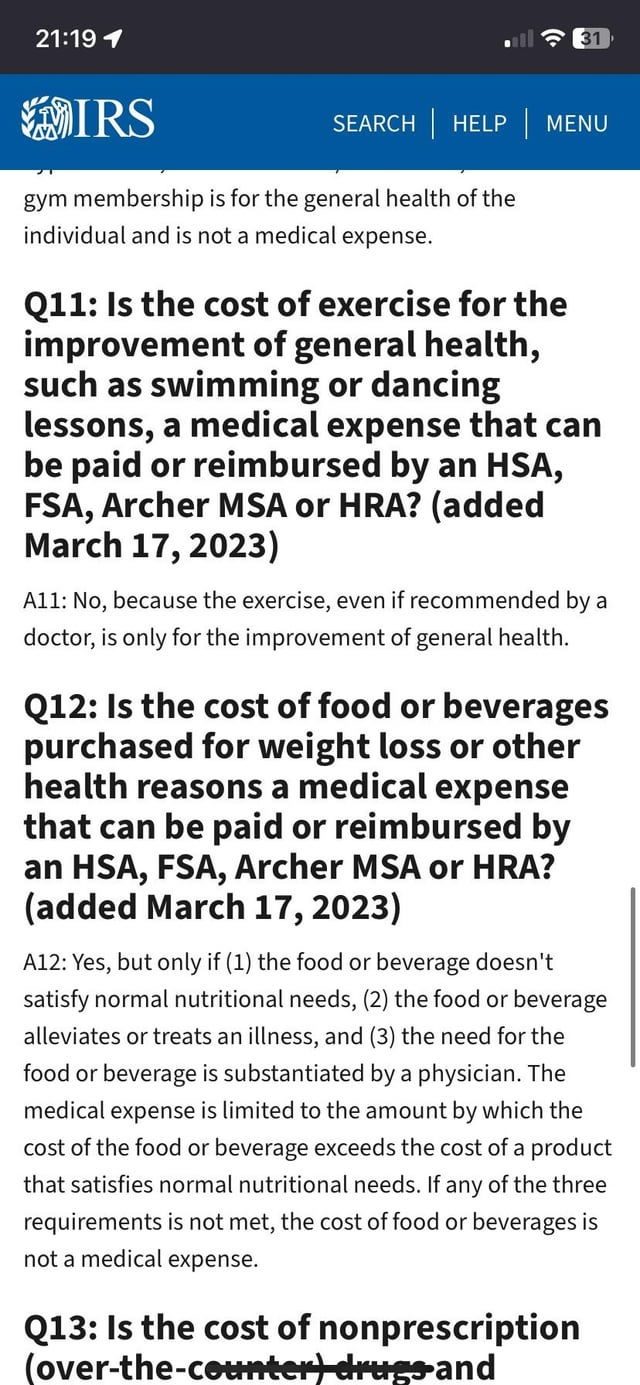
Gym memberships are not typically eligible expenses for an FSA. FSAs cover healthcare costs like prescriptions and medical equipment. Always check with your plan administrator for specific eligible expenses.
When you consider using your Flexible Spending Account (FSA) for gym memberships, it’s essential to understand what qualifies as eligible expenses. An FSA is designed to cover medical expenses, but it’s not always clear-cut what falls into that category. To make the most out of your FSA, knowing the details can save you from unexpected surprises.Medical Expenses Covered By Fsa
FSAs are primarily set up to cover medical expenses that are deemed necessary for your health. This includes a wide range of items like prescription medications, doctor visits, and certain medical devices. However, using FSA funds for a gym membership isn’t straightforward. Generally, gym memberships aren’t automatically considered eligible unless they are prescribed by a medical professional for a specific health condition. Imagine being diagnosed with a condition where exercise is part of your treatment plan. In such a case, your doctor can provide documentation that may allow you to use FSA funds for a gym membership. It’s crucial to have this documentation to avoid any issues when claiming your expenses.Limitations On Fsa Usage
While FSAs offer flexibility, they also come with limitations. Not all health-related expenses qualify for FSA reimbursement. Gym memberships, unless medically necessary, often fall outside the scope of covered expenses. This limitation means you need to check with your FSA administrator before making assumptions. They can clarify whether a specific expense, like a gym membership, is eligible under your plan. Remember, each FSA plan can vary, so what is covered under one plan might not be under another. Always double-check to ensure you’re not left footing the bill unexpectedly. Engage with your healthcare provider about your fitness goals and how they align with your medical needs. Could a gym membership truly be part of your health regimen?Gym Membership And Fsa
Understanding how Flexible Spending Accounts (FSAs) work can be complex. Many wonder if gym memberships qualify for FSA coverage. FSAs are designed to cover medical expenses. Gym memberships fall into a gray area. Sometimes, they may be eligible. It depends on specific criteria and circumstances.
Criteria For Gym Membership Eligibility
To use an FSA for gym memberships, certain conditions must be met. The membership should be prescribed by a healthcare professional. It must serve a medical purpose. For example, treating obesity or another health condition. Documentation from a doctor is crucial. Without it, the expense may not qualify.
Examples Of Eligible Fitness Expenses
Not all gym-related expenses are eligible. Here are some examples:
- Doctor-prescribed fitness classes.
- Weight loss programs with medical oversight.
- Specific exercise equipment for a medical condition.
These expenses must be clearly linked to health treatment. Proper documentation improves eligibility chances. Always check with your FSA provider. They can offer clarity on what qualifies.

Credit: raisetbar.com
How To Use Fsa For Gym Costs
Using your Flexible Spending Account (FSA) for gym costs can be tricky. Typically, FSA funds cover medical expenses, but gym memberships might qualify if prescribed for a medical condition. Always consult your FSA provider to confirm eligibility and requirements.
Using your Flexible Spending Account (FSA) for gym membership costs can be a smart move. Understanding the process ensures you make the most of your benefits. First, check if your gym fees qualify as a medical expense. If they do, you can use FSA funds to cover them. Follow these simple steps to submit your claim and get reimbursed.Steps To Submit A Claim
Start by confirming your gym membership qualifies under FSA guidelines. Contact your plan administrator for details. Once confirmed, gather necessary documents. Submit your claim through your FSA provider’s portal. Follow their instructions to ensure a smooth process.Documentation Required
You’ll need proof of payment for your gym membership. An itemized receipt is best. It should include the gym’s name, your membership type, and payment amount. Ensure your receipt is clear and legible. If required, include a doctor’s note stating the gym membership is essential for your health. Submitting complete and accurate documentation avoids delays.Alternative Options
Many people wonder if they can use their FSA to pay for gym memberships. There are alternative options that might cover fitness costs. Let’s explore these.
Other Health Savings Accounts
HSAs, or Health Savings Accounts, can sometimes cover gym fees. Check the specifics of your plan. Some HSAs allow fitness expenses. They often cover health-related activities. Contact your account provider. Clarify what expenses are eligible.
Employer Wellness Programs
Many employers offer wellness benefits. These programs may include gym memberships. Ask your HR department for details. Some companies provide discounts on fitness centers. Others might reimburse gym costs. Employer wellness programs focus on health improvement. They often support physical activities. This can be a great option for gym access.

Credit: districtcapitalmanagement.com
Maximizing Fsa Benefits
Exploring FSA options can enhance your health and wellness journey. Gym memberships might not be directly covered by FSAs. However, related expenses like fitness classes prescribed by a doctor could qualify.
Maximizing FSA Benefits can improve your financial health. An FSA, or Flexible Spending Account, allows you to set aside pre-tax dollars for medical expenses. Understanding its usage can lead to substantial savings. Paying for gym memberships with FSA funds might be possible if medically necessary.Annual Contribution Limits
FSAs have a yearly contribution cap set by the IRS. For 2023, the limit is $3,050 per employee. This limit means each person can decide how much to allocate. Knowing this helps plan your budget. Allocate funds based on expected health expenses. Unused funds might not roll over, so plan carefully.Strategies For Optimal Use
Make the most of your FSA by planning ahead. List foreseeable medical expenses for the year. Include costs like prescriptions, doctor visits, and necessary gym memberships.- Check if your gym membership is FSA-eligible with a doctor’s note.
- Track expenses to avoid losing funds at year-end.
- Use FSA funds for medical expenses before spending out-of-pocket.
Frequently Asked Questions
Can My Fsa Pay For My Gym Membership?
FSAs typically don’t cover gym memberships. They are meant for medical expenses. Check your FSA plan details for exceptions. Some plans might cover specific fitness programs if prescribed by a doctor. Always confirm with your provider to understand what’s eligible under your plan.
Can Fsa Cover Gym Membership Costs?
Generally, FSA funds can’t be used for gym memberships. FSAs are meant for medical expenses, and gym memberships don’t qualify. However, if a doctor prescribes exercise for a medical condition, it might be eligible. Always check with your FSA administrator for specific guidelines.
Are Fitness Classes Eligible Under Fsa?
Fitness classes are usually not eligible for FSA spending. FSAs are designated for medical expenses, and fitness classes are considered recreational. If prescribed by a healthcare provider for a specific condition, they might qualify. Consult your FSA plan for detailed information and exceptions.
Can A Doctor’s Note Make Gym Fees Eligible?
A doctor’s note can potentially make gym fees eligible under FSA. If exercise is prescribed for a medical condition, it may qualify. The doctor’s recommendation should clearly state the medical necessity. Always verify with your FSA administrator to ensure compliance with plan rules.
Conclusion
Deciding how to use your FSA can be tricky. Gym memberships often fall outside typical FSA coverage. It’s crucial to check your plan’s details. Speak with your provider for clarity. Sometimes, fitness classes or programs may qualify. Knowing what’s covered saves time and money.
Always keep receipts for proof. Stay informed about your health benefits. It’s wise to explore all options. Make healthy choices that fit your budget. Balancing expenses and health goals is key. Consider every aspect carefully. Your health and finances matter.
Making informed decisions can lead to better outcomes.