Imagine this: You’re eager to boost your health and fitness routine, and a gym membership seems like the perfect step forward. But then you wonder, “Can my HSA pay for a gym membership?”
It’s a question that sparks curiosity and might open the door to new possibilities for managing your finances and health. Understanding where your Health Savings Account (HSA) can make a difference could be a game-changer for your wellness journey. By diving into this topic, you may uncover opportunities to maximize your HSA benefits and alleviate some financial stress.
Keep reading to find out how your HSA might just be the unexpected ally you need in your quest for a healthier lifestyle.

Credit: www.facebook.com
Understanding Hsas
Understanding Health Savings Accounts (HSAs) is crucial when considering how to manage healthcare expenses efficiently. If you’ve ever wondered whether your HSA can cover your gym membership, you’re not alone. Let’s explore the fundamentals of HSAs to help you make informed decisions about your health and financial planning.
What Is A Health Savings Account?
A Health Savings Account (HSA) is a tax-advantaged savings account designed specifically for individuals with high-deductible health plans (HDHPs). It allows you to set aside pre-tax dollars to cover qualified medical expenses. HSAs are a great way to manage unexpected healthcare costs while potentially saving money on taxes.
Imagine having a dedicated account where your contributions grow tax-free. HSAs offer that benefit, and the funds roll over annually, providing a long-term savings opportunity. Plus, once you turn 65, you can use the funds for non-medical expenses without penalty, though they will be taxed as regular income.
Tax Benefits Of Hsas
HSAs come with multiple tax advantages that make them an attractive option for many. Contributions to your HSA are tax-deductible, reducing your taxable income for the year. This means more money in your pocket come tax season.
The growth of the funds in your HSA is also tax-free. This means you won’t pay taxes on any interest or investment gains as long as the money remains in the account. When you withdraw funds for qualified medical expenses, those withdrawals are tax-free as well, maximizing your savings potential.
Eligible Expenses For Hsas
Understanding what expenses are eligible for HSA reimbursement is key to utilizing this account effectively. Generally, HSAs cover a wide range of medical expenses, including doctor visits, prescription medications, and even some over-the-counter items.
However, gym memberships typically do not qualify as an eligible expense under IRS guidelines. While physical fitness is vital for health, the IRS does not consider gym fees to be a direct medical expense. It’s essential to check the IRS guidelines or consult with a tax advisor to ensure you’re using your HSA correctly.
So, while your HSA may not cover your gym membership, it can still be a valuable tool in your financial and health strategy. Consider if the tax benefits and flexibility of an HSA align with your personal health and financial goals. What other creative ways can you think of to maximize your HSA benefits?

Credit: www.instagram.com
Gym Memberships And Hsa Eligibility
Are you wondering if your HSA can cover your gym membership? Health Savings Accounts (HSAs) are a great tool for managing healthcare expenses, but it’s essential to understand what qualifies for reimbursement. Gym memberships, often seen as a key part of a healthy lifestyle, can be a gray area when it comes to HSA eligibility. Let’s dive into the specifics and clarify this often-confusing topic.
Typical Hsa Eligible Expenses
Your HSA is designed to cover medical expenses, aiming to alleviate out-of-pocket costs for healthcare. Common eligible expenses include doctor visits, prescription medications, and dental care. These are straightforward and necessary for maintaining health.
HSAs are also known to cover various preventive care costs like vaccinations. However, the line between preventive healthcare and lifestyle choices can be blurry, especially when it comes to fitness-related expenses.
Are Gym Memberships Covered?
Typically, gym memberships do not qualify as an eligible expense under HSA guidelines. The IRS considers them a personal expense rather than a medical necessity. This means you can’t use HSA funds to pay for monthly gym fees.
While exercise is vital for health, the IRS views it as a lifestyle choice rather than a medical treatment. This distinction is crucial when considering how you allocate your HSA funds.
Exceptions And Special Cases
There are exceptions where a gym membership might be HSA-eligible. If a doctor prescribes exercise as part of a treatment plan for a specific condition, your membership could qualify. This requires documentation from a healthcare provider specifying the medical necessity.
Moreover, programs designed for rehabilitation or therapy, such as physical therapy, might have components covered by your HSA. It’s essential to check with your HSA provider and consult a tax advisor to ensure compliance with IRS rules.
Have you ever considered discussing your fitness regimen with your doctor to explore potential eligibility? Your health and wallet could benefit from this conversation.
Alternatives To Gym Memberships
Gym memberships can be a significant expense, and many people wonder if their Health Savings Account (HSA) can cover these costs. Unfortunately, HSAs typically don’t pay for gym memberships, but there are plenty of alternatives to keep you fit and healthy without breaking the bank. Let’s explore some engaging options that can easily fit into your lifestyle and budget.
Fitness Equipment Purchases
Investing in fitness equipment for your home can be a game-changer. Buying a set of dumbbells, resistance bands, or a yoga mat can open up countless workout possibilities. You can perform strength training, flexibility exercises, and cardio routines without leaving your house.
Consider what equipment aligns with your fitness goals. A stationary bike can provide a great cardio workout, while a set of kettlebells might be perfect for strength training. The best part? You can work out at your own pace and schedule.
Online Fitness Programs
Online fitness programs have become incredibly popular. Platforms like YouTube and subscription services offer thousands of workout videos and classes. You can find everything from high-intensity interval training (HIIT) to calming yoga practices.
Many programs are guided by professional trainers and offer personalized plans. Whether you have five minutes or an hour, there’s a workout waiting for you online. Plus, you can often try these programs for free or at a minimal cost compared to traditional gym memberships.
Physical Therapy And Rehabilitation
If you have specific health concerns or injuries, physical therapy and rehabilitation might be more beneficial than a gym membership. HSA funds can often cover these expenses, and they provide tailored exercises to meet your needs.
Working with a physical therapist can help you recover faster and prevent future injuries. It can be a more focused approach to fitness, ensuring you’re exercising safely and effectively. Have you considered how personalized attention might impact your overall well-being?
Navigating Hsa Regulations
Understanding whether your Health Savings Account (HSA) can cover a gym membership involves navigating specific regulations. HSAs offer tax advantages for medical expenses. But not every health-related cost qualifies. Exploring these regulations is crucial to using your HSA funds wisely. Let’s delve into the guidelines and steps needed.
Irs Guidelines On Hsa Spending
The IRS sets strict rules on what HSAs can pay for. Qualified medical expenses are outlined in IRS Publication 502. Unfortunately, gym memberships often don’t qualify. They are seen as general health expenses, not medical necessity. Exceptions exist if a doctor prescribes exercise for a specific medical condition. Always verify with official IRS sources to avoid penalties.
Consulting With Hsa Providers
Your HSA provider can offer guidance on eligible expenses. They help interpret IRS rules for your specific plan. Contact your provider to clarify if your gym membership could be covered. Some providers may have additional lists of approved expenses. It’s crucial to understand what your specific HSA plan permits.
Documentation And Record-keeping
Maintaining proper documentation is essential for HSA spending. Keep receipts and any doctor’s notes related to your gym membership. This documentation supports your claims if the IRS questions your spending. Organized records help you manage your HSA account effectively. It ensures peace of mind and compliance with regulations.
Maximizing Health Benefits With Hsas
Maximizing health benefits with Health Savings Accounts (HSAs) is a smart move. These accounts offer a versatile way to manage healthcare expenses. They provide tax advantages too. By understanding how to use them effectively, you can enhance your well-being. Explore various strategies to make the most of your HSA funds.
Combining Hsas With Other Health Plans
HSAs can work alongside other health plans. For example, pairing them with high-deductible health plans (HDHPs) is common. This combination helps cover unexpected medical costs. It also reduces out-of-pocket expenses. Some employers offer matching contributions. This adds extra value to your HSA. Always check if your health plan qualifies for HSA contributions. This ensures you use the funds correctly.
Strategies For Wellness Spending
Consider directing HSA funds towards wellness activities. While gym memberships are often excluded, other options exist. Pay for health screenings and preventive care. Cover costs of certain fitness classes that are medically necessary. Look into reimbursement for programs like weight loss or smoking cessation. These strategies promote better health and are HSA-eligible. Always consult your HSA provider for specific eligible expenses.
Long-term Health Investment
Think of your HSA as a long-term health investment. Funds roll over yearly, building savings for future needs. Use HSAs to save for medical expenses in retirement. They offer a tax-free way to pay for qualified medical costs later. Investing a portion of your HSA can grow your savings over time. This prepares you for unexpected health expenses. Always review your investment options within the HSA to maximize benefits.
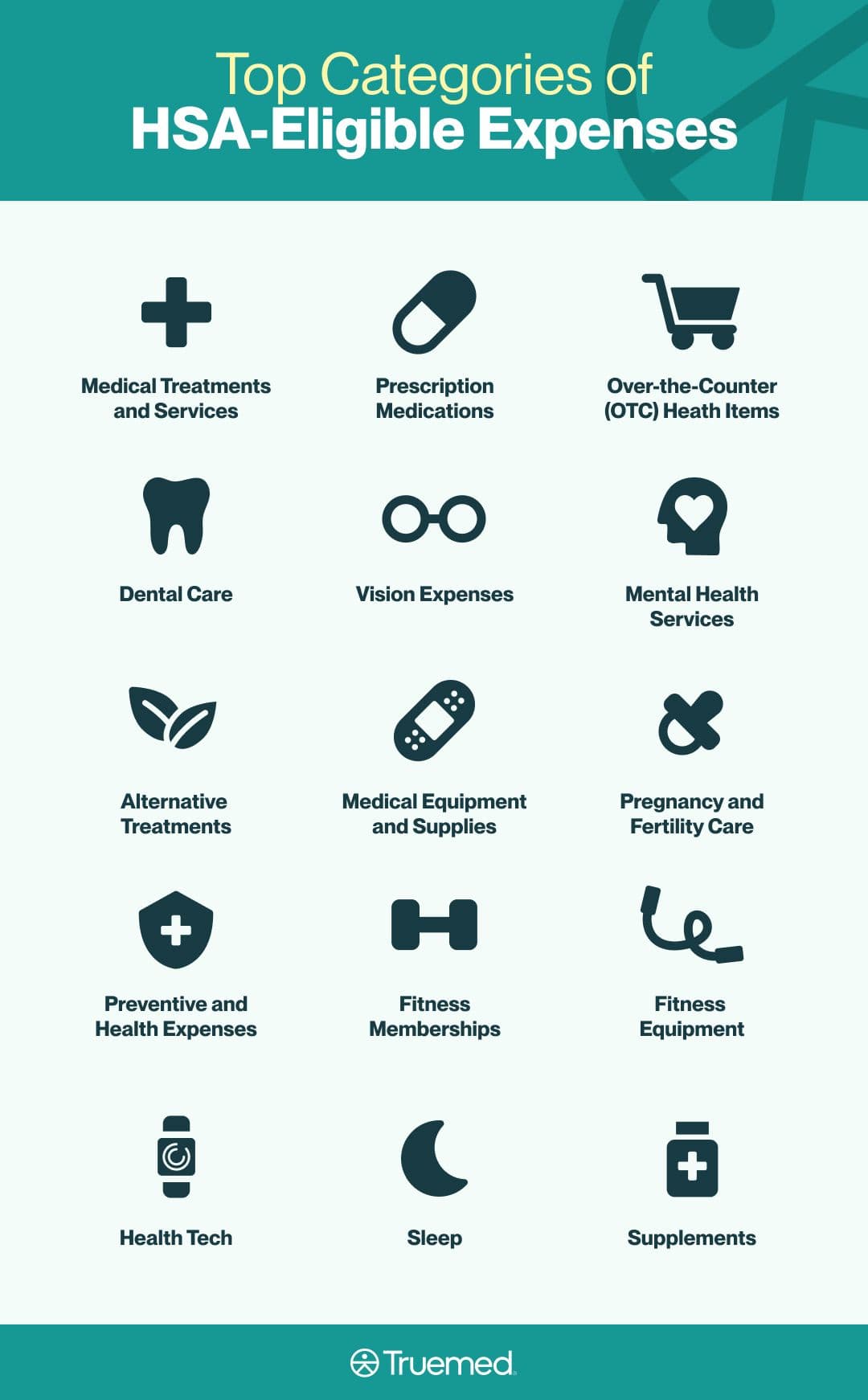
Credit: www.truemed.com
Frequently Asked Questions
Can I Pay For My Gym Membership With My Hsa?
You cannot pay for gym memberships with your Health Savings Account (HSA). HSAs cover medical expenses only. Check IRS guidelines for eligible expenses. Consider consulting your HSA provider for more details. Fitness costs, like gym fees, usually aren’t qualified. Always verify what expenses your specific HSA plan covers.
Can Hsa Funds Cover Gym Memberships?
Typically, HSA funds cannot be used for gym memberships. HSAs are designed for medical expenses. Gym memberships don’t usually qualify. Check with your HSA provider for specific guidelines.
Are Fitness Classes Covered By Hsa?
Fitness classes generally aren’t covered by HSAs. HSAs focus on medical expenses. Some exceptions may apply. Verify with your HSA plan for details.
Can I Use Hsa For Personal Trainers?
Personal trainers are usually not covered by HSAs. HSAs are intended for health-related expenses. Consult your HSA provider to confirm eligibility.
Conclusion
Understanding your HSA options is important. Gym memberships usually aren’t covered. Check with your provider for specifics. Some fitness expenses might be eligible. Always review your HSA’s terms. Keeping healthy is essential. But be smart with your spending. You have options for maintaining wellness.
Consider other ways to stay fit. Walking, jogging, or home workouts can help. Health savings accounts are useful. But they have limits. Stay informed. Make choices that benefit your health and wallet. Always prioritize your wellbeing.