Imagine reaching into the fridge for that familiar red can of Coke. It’s a staple at parties, a go-to refreshment on a hot day, and a quick pick-me-up when you need a boost.
But have you ever stopped to think about what’s inside? You might be surprised at what a can of Coke brings to the table—or rather, your body. You deserve to know exactly what you’re sipping on, especially when it comes to your health and well-being.
Understanding the nutrition facts behind that fizz can change the way you enjoy this iconic drink. Stick around as we unravel the mysteries of a can of Coke, and discover whether it fits into your lifestyle. Dive into the details that could transform your daily habits and make informed choices that benefit you.
Credit: www.istockphoto.com
Nutritional Breakdown
Curious about what’s inside your favorite fizzy drink? The nutritional breakdown of a can of Coke might surprise you. Whether you enjoy it as a refreshing treat or a daily indulgence, understanding what you’re consuming can help you make informed choices. Let’s dive into the specifics.
Calories And Sugars
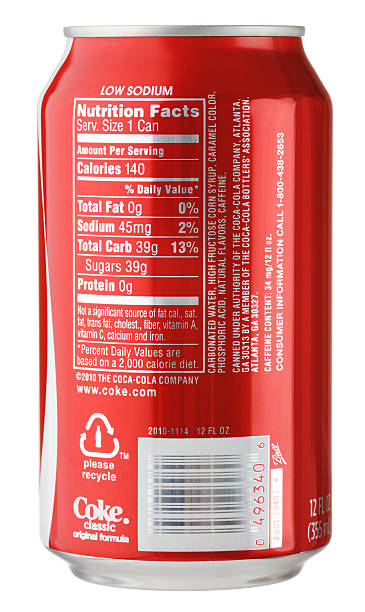
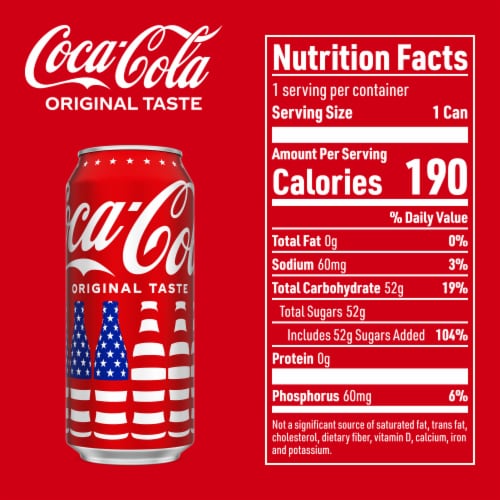
A can of Coke contains about 140 calories. That’s like eating a slice of bread, but in liquid form. While it might seem harmless, these calories come primarily from sugars. Each can packs around 39 grams of sugar. Imagine scooping ten teaspoons of sugar into your drink; that’s what you’re sipping. Does this change how you view your favorite soda?
Artificial Sweeteners
Diet versions of Coke often boast zero calories. But how do they achieve that? It’s all about artificial sweeteners. Aspartame and acesulfame potassium are commonly used. They trick your taste buds without adding calories. However, these sweeteners have sparked debates about health impacts. Are zero calories worth the potential risks?
Caffeine Content
Caffeine is the secret energy booster in your Coke. A can contains about 34 milligrams of caffeine. That’s less than a cup of coffee, but enough to give you a quick pick-me-up. If you’re sensitive to caffeine, this small jolt might be noticeable. Do you rely on Coke for a caffeine kick?
Understanding these elements can guide your consumption choices. Each component plays a role in how your body reacts to this popular drink. Next time you reach for a can, think about what’s inside and how it fits into your lifestyle. Does it align with your health goals?
Credit: www.bakersplus.com
Impact On Health
A can of Coke is a popular beverage choice worldwide. It offers a refreshing taste. Yet, its health implications are often debated. Understanding its impact helps in making informed choices. This section explores how a can of Coke affects health. Learn about its influence on weight, dental health, and metabolism.
Effect On Weight
Drinking Coke can lead to weight gain. Each can contains high sugar levels. Consuming it often means extra calories. These calories add up quickly. They contribute to excess body fat. Reducing intake can help manage weight. Opt for water or other low-calorie drinks. Make healthier beverage choices.
Dental Health Concerns
Coke can harm your teeth. Its sugar content feeds harmful bacteria. These bacteria produce acids. Acids erode tooth enamel. This leads to cavities and decay. Additionally, the acid in Coke can wear down enamel. Rinsing with water after drinking helps. Brush regularly to maintain dental health.
Metabolic Implications
Consuming Coke affects metabolism. It spikes blood sugar levels. This can lead to insulin resistance over time. Insulin resistance is a risk factor for diabetes. Frequent consumption may stress the body’s metabolic system. Choose beverages with low sugar content. Protect your metabolic health.
Comparing Regular And Diet Coke
When choosing between Regular and Diet Coke, many wonder about the health differences. Both options have unique nutritional profiles. Understanding these differences can help make informed choices. Let’s dive into the comparison.
Sugar Vs. Sweeteners
Regular Coke contains sugar. A standard can has about 39 grams. This sugar contributes to the sweet taste. Diet Coke uses artificial sweeteners instead. Aspartame is the main sweetener. It provides sweetness without the sugar. This makes Diet Coke appealing to those watching sugar intake.
Caloric Differences
Regular Coke is higher in calories. A can has around 140 calories. These come mainly from the sugar content. Diet Coke offers a low-calorie option. It typically contains less than one calorie per can. This difference attracts calorie-conscious individuals. Choosing Diet Coke can help maintain a low-calorie diet.
Health Perceptions
Regular Coke is viewed as less healthy by some. The high sugar content raises concerns. Diet Coke is considered a better choice by many. The absence of sugar and calories plays a role. Yet, artificial sweeteners in Diet Coke raise questions too. Some worry about long-term health effects. The debate continues among health experts.
Marketing And Consumer Perception
Exploring a can of Coke’s nutrition reveals intriguing insights about sugar and calorie content. Consumer perception is shaped by marketing tactics highlighting its refreshing taste, overshadowing nutritional facts. Understanding these elements helps consumers make informed choices.
The can of Coke is more than just a fizzy drink; it’s a cultural icon. Over the years, marketing and consumer perception have shaped the way we view this sugary delight. Have you ever wondered how a simple can became such a powerful symbol? Let’s explore the strategies behind Coke’s marketing magic and how it influences your perception.Advertising Strategies
Coca-Cola’s advertising strategies are legendary. They have mastered the art of storytelling, often creating heartwarming and memorable commercials that stick with you long after you’ve seen them. Remember the classic “I’d Like to Buy the World a Coke” ad? It was more than just a commercial; it was an anthem of unity. Their campaigns often tap into emotions, creating connections that go beyond taste. This approach makes you feel like you’re part of something bigger when you pop open a can. By associating Coke with happiness and togetherness, they ensure their product isn’t just a drink—it’s an experience.Brand Loyalty
Coca-Cola has cultivated a fiercely loyal customer base. How did they achieve this? Consistency plays a big role. The familiar red and white branding and distinct taste create a sense of nostalgia and comfort. It’s like meeting an old friend every time you take a sip. They also engage with their audience through promotions and social media interactions, encouraging you to share your Coke experiences. Have you ever found your name on a Coke bottle? This personalized touch strengthens your connection to the brand, making you more likely to choose it over competitors.Misleading Labels
When it comes to nutrition, some labels can be misleading. A can of Coke often contains more sugar than you might expect. Yet, the packaging can sometimes downplay this with terms like “refreshing” or “zero sugar.” This raises questions about transparency. Are you fully aware of what you’re consuming? It’s important to read beyond the marketing buzzwords and check the nutritional facts. Understanding the real content can help you make informed choices about your health. Coca-Cola’s marketing strategies, brand loyalty, and approach to labeling all contribute to how you perceive this popular beverage. Next time you reach for a can, think about the stories behind it and how they shape your experience. How does this influence your choice?Alternatives To Coke
Are you a fan of the classic can of Coke but looking for healthier alternatives? Whether you’re trying to cut back on sugar or simply want to try something new, there are plenty of options to explore. With so many beverages available today, making a switch can be both exciting and beneficial for your health. Let’s dive into some refreshing alternatives that can satisfy your thirst without compromising your well-being.
Healthier Beverage Options
Choosing a healthier drink doesn’t mean sacrificing flavor. There are several options that offer a delicious taste with added health benefits. Consider swapping your can of Coke for:
- Green Tea:Packed with antioxidants, green tea can boost your metabolism and improve brain function.
- Fruit Infused Water:Add slices of lemon, cucumber, or berries to your water for a refreshing twist without extra calories.
- Kombucha:This fermented tea is rich in probiotics, aiding in digestion and gut health.
Each of these options provides unique health advantages while keeping your taste buds delighted. Which one will you try first?
Making Informed Choices
Understanding the nutritional impact of what you drink can empower you to make better choices. Take a moment to check the labels on your favorite beverages.
Look for ingredients like high fructose corn syrup and artificial flavors. These can add unnecessary calories and chemicals to your diet.
Consider beverages with natural ingredients and lower sugar content. You might be surprised how many tasty options are available that align with your health goals.
Diy Carbonated Drinks
Do you enjoy the fizz of a carbonated drink but want to avoid the sugar? Making your own carbonated drinks at home can be a fun and healthier alternative.
Start with sparkling water as a base. Add fresh fruit juice or slices for flavor. A dash of mint or basil can give your drink an aromatic boost.
Experiment with different combinations to find the perfect blend. You have full control over the ingredients, ensuring every sip is both satisfying and guilt-free. What’s your favorite homemade fizzy creation?
Switching to healthier alternatives doesn’t have to be daunting. With the right options, you can enjoy flavorful drinks while supporting your health. Give one a try and see how it fits into your lifestyle!
Credit: wiki.ubc.ca
Frequently Asked Questions
What Is The Nutritional Value Of A Can Of Coke?
A can of Coke contains around 140 calories, 39g sugar, 45mg sodium, and no fats or proteins. It provides quick energy but lacks essential nutrients. Enjoy in moderation for balanced health.
How Much Sugar Is In A 12 Oz Can Of Coke?
A 12 oz can of Coke contains 39 grams of sugar. This amount equals approximately 9. 75 teaspoons of sugar. Enjoying it occasionally can fit into a balanced diet, but be mindful of sugar intake to maintain health.
How Much Sugar Is In A Can Of Diet Coke?
A can of Diet Coke contains no sugar. It is sweetened with artificial sweeteners like aspartame. Enjoy a sugar-free beverage option while keeping your calorie intake low. Diet Coke is popular for those looking to avoid sugar but still enjoy a fizzy drink.
How Much Sugar Is In A 355ml Can Of Coke?
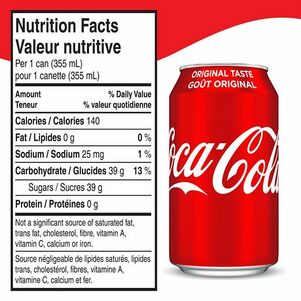
A 355ml can of Coke contains about 39 grams of sugar. This amount equals approximately 9. 75 teaspoons. Consuming this sugary drink contributes significantly to daily sugar intake. Consider the nutritional information before indulging in this popular beverage.
Conclusion
Exploring a can of Coke’s nutrition offers key insights. It’s more than just sugar and caffeine. Each sip adds calories and ingredients. Moderation is crucial for a balanced diet. Consider the impact on health and lifestyle. Choose wisely, keeping overall wellness in mind.
Being informed helps make better decisions. Understand what you consume. Health is a priority, not an afterthought. Making educated choices can lead to better living. Remember, beverages affect your body. Stay informed, stay healthy. Your choices matter. Enjoy Coke responsibly, knowing what it contains.