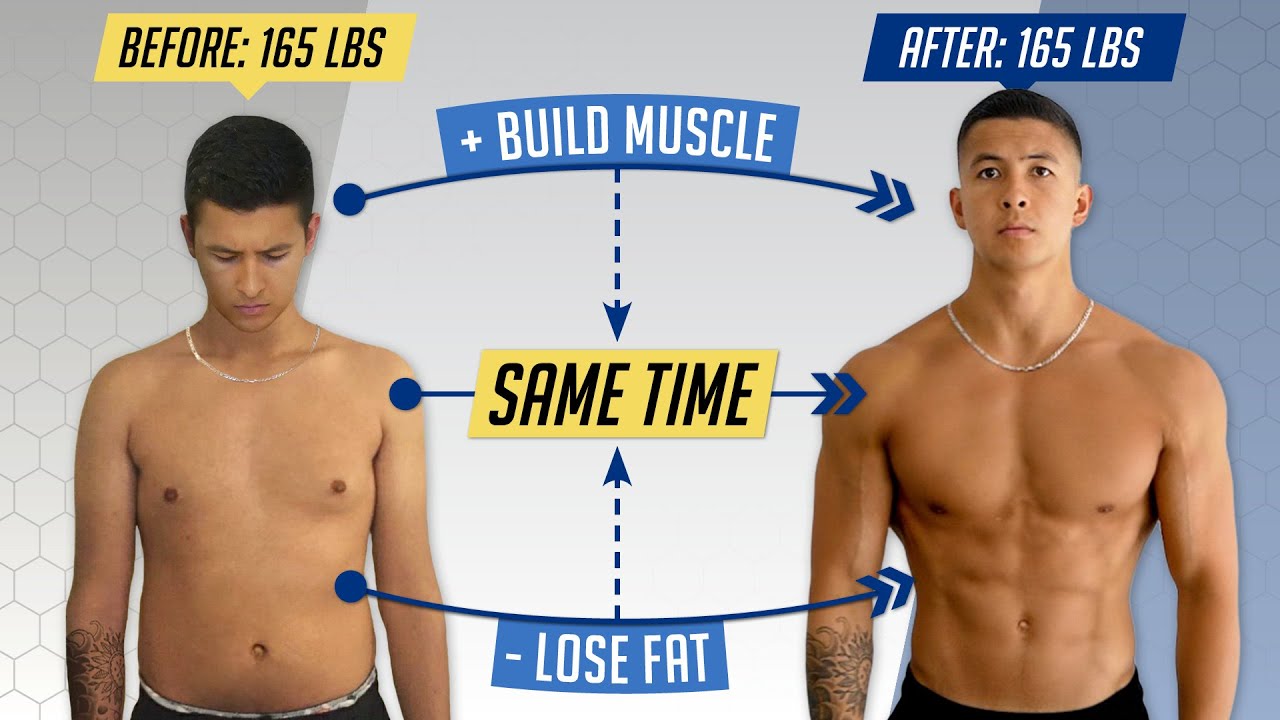
Can you build muscle while losing weight? This question might seem like a fitness paradox, but it’s one that many people like you are eager to unravel.
Imagine sculpting a toned physique while watching the numbers on the scale drop—sounds enticing, right? If you’ve ever wondered whether shedding pounds and gaining muscle can go hand in hand, you’re not alone. Your journey to a healthier, stronger you doesn’t have to mean choosing between weight loss and muscle gain.
You’ll discover the secrets behind achieving both goals simultaneously. Stay with us, and unlock the potential to transform your body in ways you never thought possible.
The Science Of Muscle Building And Weight Loss
Understanding the science behind muscle building and weight loss can transform your fitness journey. You might wonder if it’s even possible to build muscle while shedding pounds. Well, the answer is yes, but it’s not as straightforward as it seems. Let’s dive into the mechanics of how your body can achieve these seemingly opposite goals.
The Role Of Protein
Protein is your body’s building block for muscle. When you consume protein, your body breaks it down into amino acids, which are essential for muscle repair and growth. Aim to include lean sources like chicken, fish, and beans in your meals. Eating protein not only supports muscle gain but also keeps you full longer, aiding weight loss.
Caloric Balance
To lose weight, you need to burn more calories than you consume. This is called a caloric deficit. However, to build muscle, you need energy. The key is finding a balance. You can achieve this by focusing on nutrient-dense foods that offer a lot of nutrition for fewer calories, helping you gain muscle while losing fat.
Resistance Training Importance
Weight lifting or resistance training is crucial. When you lift weights, your muscle fibers experience tiny tears. As they repair, they grow stronger and bigger. To maximize muscle growth, ensure your workouts are challenging. If you’re lifting weights, try increasing them gradually. This encourages continual muscle growth.
Impact Of Sleep On Results
Sleep plays a vital role in muscle recovery and weight loss. During deep sleep, your body releases growth hormones that help repair muscle tissues. Lack of sleep can hinder your weight loss efforts and slow down muscle growth. Aim for 7-9 hours of quality sleep each night to enhance your body’s muscle-building capacity.
Personal Experience: Finding Balance
Several years ago, I struggled with the same dilemma. I wanted to lose weight but didn’t want to sacrifice muscle. By prioritizing protein intake and resistance training, I found a balance that worked for me. It was a transformative experience that showed me the power of the right approach.
Think about your current routine. Are you eating enough protein? Is your workout challenging? How’s your sleep quality? Addressing these areas could be the key to achieving your muscle-building and weight loss goals simultaneously.
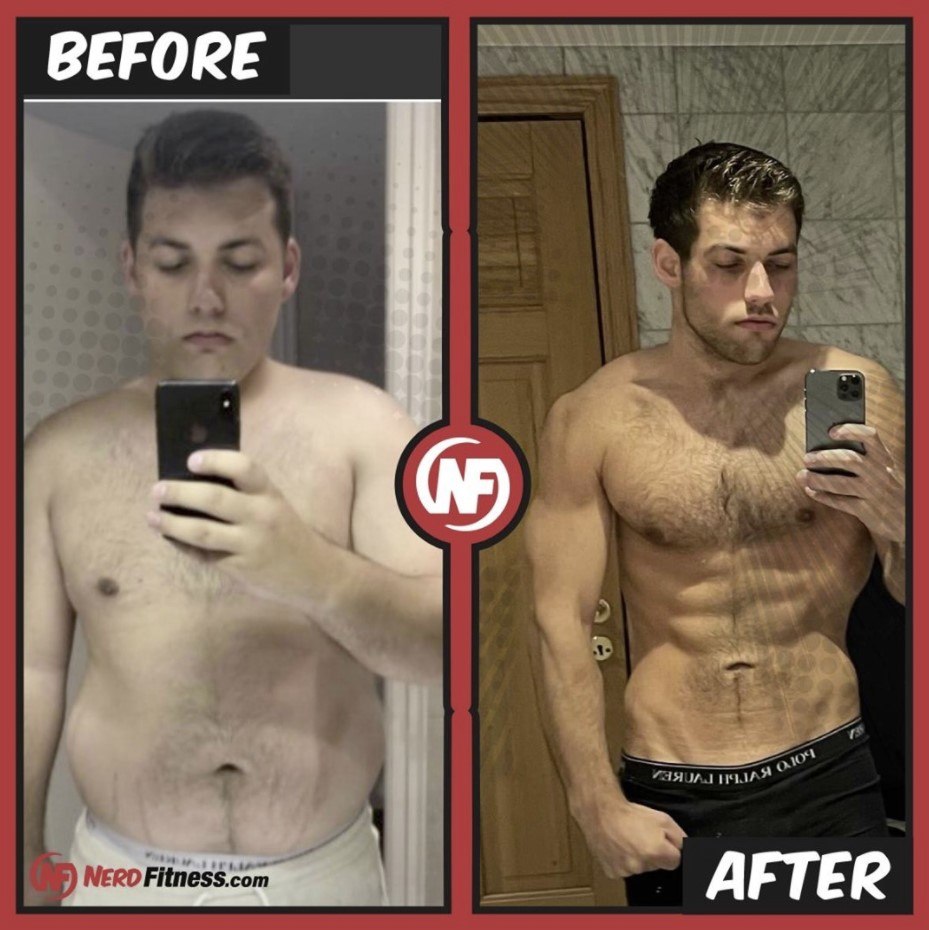
Credit: www.nerdfitness.com
Caloric Deficit And Muscle Retention
Building muscle while losing weight requires balancing a caloric deficit. Careful attention ensures muscle retention during this process. Consuming adequate protein supports muscle growth even as fat is reduced.
Achieving the elusive balance of building muscle while losing weight might seem like a daunting task. Yet, the secret lies in understanding the relationship between caloric deficit and muscle retention. Simply put, a caloric deficit means consuming fewer calories than your body needs to maintain its current weight. This can lead to weight loss, but maintaining muscle mass in the process requires strategic planning.Balancing Calories For Muscle Growth
To retain muscle while losing weight, you need to find the sweet spot in your calorie intake. If you cut calories too drastically, your body may start breaking down muscle tissue for energy. However, a moderate deficit allows for fat loss while preserving muscle. Consider your daily activities. Do you have an active lifestyle or spend most of your time sitting? Adjust your calorie needs based on your activity level. This ensures you have enough energy to fuel your workouts and support muscle growth. A personal tip: when I tried losing weight, I kept my protein intake high. This not only helped me stay full but also preserved my muscle during calorie restrictions. You can do the same by focusing on high-protein meals.Impact Of Nutrition On Muscle And Fat
Your nutrition plays a pivotal role in muscle retention during weight loss. Protein is key. It aids in muscle repair and growth, ensuring your hard-earned muscle isn’t lost in the process. Carbs aren’t the enemy. They provide the energy necessary for intense workouts that stimulate muscle growth. Opt for complex carbs like whole grains and vegetables. These keep you energized without adding excess calories. Healthy fats are essential. They support hormonal functions that influence muscle building. Include sources like avocados, nuts, and olive oil in your diet. Imagine your nutrition as a toolkit. Each nutrient plays a specific role in building and maintaining your body’s composition. How will you equip yourself for success? Focus on a balanced diet that supports your goals, and watch your muscle retention soar. By implementing these strategies, you can effectively manage your caloric deficit while ensuring muscle retention. What changes will you make to your diet and workout routine today?Role Of Protein In Muscle Gain
Building muscle while losing weight can seem like a tricky balancing act. Yet, protein plays a pivotal role in this process. It’s not just about how much you consume, but also when you consume it. This nutrient is essential for repairing and building muscle fibers after workouts. Imagine protein as the building blocks for your muscles. Let’s dive into how you can optimize protein intake and timing to maximize muscle gain.
Optimal Protein Intake
How much protein should you really be eating? It’s a question many ponder. The answer isn’t one-size-fits-all. Your protein needs depend on your weight, activity level, and fitness goals. A good rule of thumb is to aim for 1.6 to 2.2 grams of protein per kilogram of body weight.
Consider this: if you weigh 70 kg, you should consume about 112 to 154 grams of protein daily. But remember, it’s not just about hitting numbers. Quality matters too. Opt for lean sources like chicken, fish, tofu, and legumes. These options not only provide protein but also essential nutrients without excess calories.
When I started my fitness journey, I initially neglected protein. I was surprised at how my muscle gains improved once I adjusted my intake. Have you noticed changes in your progress when you tweak your diet?
Timing Your Protein Consumption
Timing can make a difference in maximizing muscle gain. Did you know consuming protein right after workouts can enhance muscle recovery? Post-workout is a prime time for your muscles to absorb nutrients. Try having a protein shake or a meal rich in protein within 30 minutes of exercising.
But don’t stop there. Distributing protein throughout the day can keep your muscles nourished. Aim to include protein in every meal and snack. This strategy helps maintain a steady supply of amino acids, crucial for muscle growth.
I found that spreading my protein intake helped curb hunger and boosted my energy levels. Have you tried adjusting your protein timing? How did it affect your workout recovery?
By focusing on both the quantity and timing of protein intake, you can effectively support muscle growth while shedding those extra pounds. What changes will you make to your protein strategy?
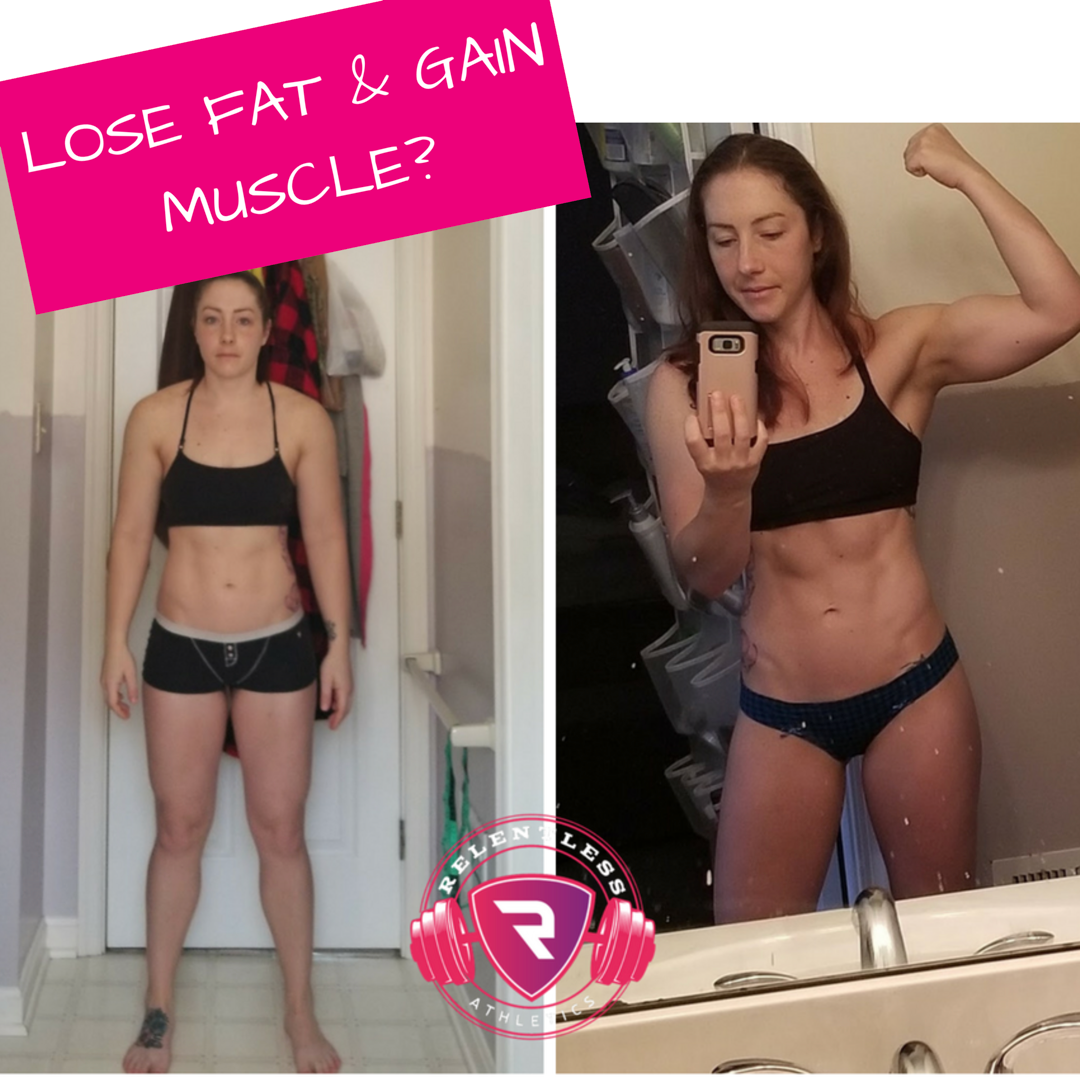
Credit: www.relentlessathleticsllc.com
Strength Training Strategies
Building muscle while losing weight is possible with the right approach. Strength training is essential. It boosts metabolism and builds muscle. This helps in losing weight effectively. A well-planned strategy can lead to great results.
Effective Resistance Exercises
Resistance exercises are key for muscle growth. They work specific muscle groups. Squats, lunges, and push-ups are popular choices. These exercises target major muscles. Deadlifts and bench presses also help. They engage multiple muscles at once.
Using free weights can enhance results. Dumbbells and barbells are common tools. They improve strength and balance. Resistance bands are useful too. They are portable and versatile. Machines at the gym can provide variety. They offer stability and support.
Frequency And Intensity Of Workouts
Consistent workouts are crucial for progress. Aim for three to five sessions weekly. This frequency allows recovery. Muscles need rest to grow. Intensity matters as well. Start with lighter weights. Gradually increase the load over time.
Focus on proper form. Quality over quantity is essential. Short, intense sessions can be effective. High-intensity interval training is an option. It combines cardio with strength. This boosts both muscle and weight loss.
Monitor your progress regularly. Adjust the routine as needed. Keeping a workout log can help. It tracks improvements and motivates.
Cardio Considerations
Cardio plays a key role in weight loss and muscle building. It helps burn calories and improve heart health. But too much cardio can hinder muscle growth. This section explores how to balance cardio with muscle preservation.
Types Of Cardio For Muscle Preservation
High-intensity interval training (HIIT) is effective for muscle preservation. It involves short bursts of intense activity. Followed by brief rest periods. HIIT maintains muscle while burning fat.
Low-intensity steady-state (LISS) cardio is gentle on muscles. It involves activities like walking or cycling at a steady pace. LISS supports fat loss without muscle depletion.
Balancing Cardio And Strength Training
Integrating cardio and strength training is essential. Aim for moderate cardio sessions. Combine them with regular strength workouts. This supports weight loss and muscle gains.
Limit long cardio sessions. They can lead to muscle loss. Short, intense cardio sessions are better for muscle retention.
Prioritize strength training in your routine. It builds and maintains muscle mass. Cardio should complement, not overpower, strength exercises.
Importance Of Recovery And Rest
Balancing muscle growth and weight loss relies heavily on recovery and rest. Muscles repair and grow stronger during rest periods. Proper sleep and downtime boost energy levels and aid in muscle building, even while shedding pounds.
Building muscle while losing weight is a challenging balance that requires more than just intense workouts and a strict diet. One of the often overlooked aspects of this journey is the importance of recovery and rest. Without proper recovery, your body cannot repair and strengthen the muscles you work so hard to build.Sleep And Muscle Recovery
Getting enough sleep is crucial for muscle recovery. During sleep, your body releases growth hormones that help repair and grow muscle tissue. Aim for 7-9 hours of quality sleep each night to maximize these benefits. Ever notice how you feel stronger and more energized after a good night’s sleep? It’s not just in your head. Quality rest helps reduce muscle soreness, enabling you to hit the gym harder next time.Rest Days And Overtraining Risks
Rest days are as important as workout days. They give your muscles time to repair and grow, which is essential for building muscle while losing weight. Skipping rest days can lead to overtraining, which can cause fatigue, injuries, and even a decrease in muscle mass. Think of a rest day as a part of your training plan, not a break from it. Your muscles need time to heal and adapt to the stress of exercise. Overtraining can set you back rather than move you forward in your fitness journey. Have you ever pushed yourself too hard and felt burnt out? That’s overtraining knocking at your door. Listen to your body and prioritize rest to keep making progress. Recovery and rest are not just optional add-ons—they are key components of any fitness plan aimed at building muscle while losing weight. By prioritizing them, you set yourself up for long-term success and overall well-being. So, the next time you plan your workout week, remember to schedule in those crucial rest days and aim for quality sleep each night. Your body will thank you.Tracking Progress And Adjusting Goals
Balancing muscle gain with weight loss requires tracking progress and adjusting goals regularly. Focus on protein intake and strength training. Monitor changes, tweak strategies, and stay consistent for optimal results.
Tracking progress and adjusting goals is crucial if you’re trying to build muscle while losing weight. It’s not just about hitting the gym and following a diet; it’s about understanding how your body responds. This approach helps you make informed decisions to achieve your fitness goals efficiently.Measuring Muscle Growth
To know if you’re building muscle, you need to measure your progress. Relying solely on the scale can be misleading. A better method is to track body measurements like biceps, chest, and thighs. You can use a measuring tape or body composition scales. These tools give you a clearer picture of muscle gain versus fat loss. Progress photos are another fantastic way to see changes over time. Keep a workout log to track strength gains. If you’re lifting heavier weights, it indicates muscle growth. How do you track your progress?Adapting Plans For Continued Success
As you track your progress, be ready to adapt your plan. If you notice a plateau, tweak your workout routine or adjust your calorie intake. Maybe you need more protein, or perhaps your body craves a new challenge. Consider adding different exercises to target various muscle groups. This keeps your workouts exciting and effective. Experimenting with new routines can reignite your motivation. Don’t forget to rest! Rest days are crucial for muscle recovery and growth. Are you giving yourself enough time to recuperate? Tracking and adjusting goals isn’t just about the numbers; it’s about listening to your body. As you make these changes, you’ll learn what works best for you. What insights have you discovered on your fitness journey?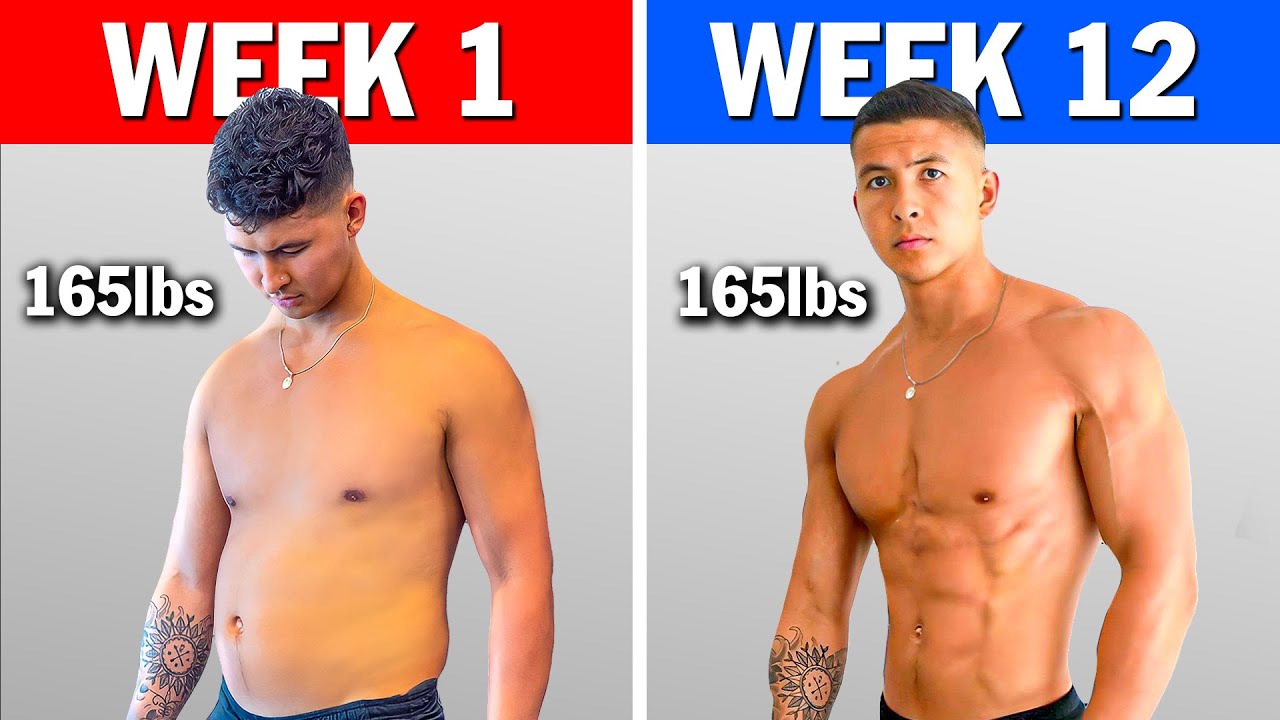
Credit: www.youtube.com
Common Myths And Misconceptions
Many believe building muscle while losing weight is impossible. This idea has led to confusion. People often think you must choose one goal: muscle or fat loss. Yet, these goals can work together. Understanding myths and misconceptions helps achieve both.
Debunking Muscle Building Myths
One common myth is that muscle growth requires heavy weights. Some think only lifting heavy builds muscle. In reality, muscle grows from consistent effort. Regular exercise and proper technique matter most. Another myth is that protein shakes are essential. People often say shakes are the only way to gain muscle. However, whole foods provide necessary nutrients. Balanced meals support muscle growth as well.
Understanding Weight Loss Misunderstandings
Many believe weight loss means eating less. The idea that less food leads to weight loss is misleading. Quality matters more than quantity. Healthy meals with good nutrients aid weight loss. Another misconception is that cardio is the only way to lose weight. People often think cardio burns fat best. Yet, strength training also helps. Building muscle increases metabolism, aiding fat loss.
Frequently Asked Questions
Is It Possible To Gain Muscle And Lose Weight At The Same Time?
Yes, it’s possible to gain muscle and lose weight simultaneously. Focus on strength training and a high-protein diet. Maintain a calorie deficit while ensuring nutrient intake. Consistency and proper rest are crucial for achieving both goals efficiently. Tailor your workout and nutrition plan to your body’s needs.
Can A Fat Person Build Muscle And Lose Fat?
Yes, a fat person can build muscle and lose fat simultaneously. Combining strength training with a balanced diet helps achieve this. Focus on high-protein meals and consistent workouts. Monitor progress and adjust plans for optimal results. Stay committed for sustainable transformation.
How To Tell If You’re Gaining Muscle While Losing Fat?
Monitor your body measurements and weight consistently. Notice increased strength and muscle definition. Track progress with photos and workouts. Pay attention to clothes fitting differently. Use body composition scales for accurate fat and muscle measurement. Keep protein intake high and maintain a balanced diet for optimal results.
How Much Muscle Can You Gain In A Month While Losing Fat?
Gaining 1-2 pounds of muscle while losing fat in a month is achievable. This depends on diet, exercise, and genetics. Prioritize strength training and a protein-rich diet for best results. Individual results can vary.
Conclusion
Building muscle while losing weight is possible with the right approach. Focus on balanced nutrition and regular exercise. Prioritize protein intake to support muscle growth. Include strength training in your workout routine. Consistency is key to seeing results. Monitor your progress and adjust your plan as needed.
Stay motivated and patient; changes take time. Listen to your body and rest when necessary. Achieving both goals requires dedication and effort. Remember, small steps lead to big changes. Believe in your journey and enjoy the process. Embrace a healthier lifestyle for lasting benefits.