Have you ever found yourself staring at a block of gym chalk, wondering what would happen if you took a bite? Maybe you’ve seen someone else do it or heard stories about its taste and effects.
It’s a curious thought, isn’t it? The idea of gym chalk, usually reserved for weightlifting or gymnastics, being consumed might sound odd, but it’s a question that pops up more often than you might think. Before you decide to satisfy your curiosity, it’s important to know what gym chalk really is and if it’s safe to eat.
We’re diving deep into the world of gym chalk, uncovering the facts that will satisfy your curiosity and maybe even surprise you. Stick around to find out what really happens if you take a nibble of that chalky block in your gym bag.

Credit: www.vice.com
What Is Gym Chalk?
Gym chalk is a staple for many fitness enthusiasts. It enhances grip and minimizes moisture. But what exactly is this powdery substance? Understanding gym chalk is crucial. Especially for those new to weightlifting or climbing.
Gym chalk, often known as magnesium carbonate, is a drying agent. It absorbs sweat from the hands. This improves grip during workouts. Athletes use it in various sports like gymnastics and rock climbing. It’s usually available in powder, block, or liquid form. Each type has its own advantages.
Why Is Gym Chalk Used?
Gym chalk offers a significant grip advantage. It reduces the risk of slipping. This is vital during heavy lifting. For climbers, it prevents falls due to sweaty hands. It also helps in maintaining focus. You won’t worry about losing your grip.
Types Of Gym Chalk
There are three main types of gym chalk. Powdered chalk is easy to apply. Block chalk is less messy and lasts longer. Liquid chalk dries quickly and reduces dust. Each type serves different needs and preferences. Choose the one that suits your activity best.
Is Gym Chalk Safe?
Gym chalk is generally safe for skin contact. But ensure proper ventilation. Inhaling large amounts of chalk dust might be harmful. Always wash hands after use. This prevents skin dryness or irritation. Consult a doctor if you have skin allergies.
Ingredients In Gym Chalk
Gym chalk is common in fitness centers. It helps athletes with grip. Many wonder if it’s edible. Understanding its ingredients is crucial. This section explores the components of gym chalk.
What Is Gym Chalk Made Of?
Gym chalk is primarily magnesium carbonate. This mineral absorbs moisture. It keeps hands dry during workouts. Magnesium carbonate is safe for skin contact.
Other Common Additives
Some gym chalks contain additives. These include drying agents. They enhance moisture absorption. Additives vary by brand and type.
Purity Of Gym Chalk
Purity levels differ in gym chalk. High-quality chalk has fewer additives. It is almost pure magnesium carbonate. Low-quality chalk may have more fillers.
Possible Impurities
Impurities can exist in lower-grade chalks. They might include dust or dirt. Always check labels for quality assurance.
Health Considerations
Gym chalk is not food-grade. It is safe for external use. Eating it is not recommended. The body processes magnesium differently internally.
Uses Of Gym Chalk
Gym chalk is more than just a powdery substance athletes use for grip. It’s a versatile tool with multiple uses that can boost your performance and safety in various activities. Whether you’re lifting weights, climbing, or engaging in gymnastics, gym chalk can be a game-changer in your routine. But have you ever wondered how this chalk could impact your sports experience? Let’s explore its uses in detail.
Enhancing Grip Strength
Gym chalk is primarily used to improve grip strength. When applied to your hands, it absorbs moisture, preventing slipping. This is crucial when you’re lifting heavy weights or climbing steep surfaces. Imagine holding onto a barbell with sweaty palms—chalk can help you maintain a firm grip, ensuring safety and boosting confidence.
Reducing Moisture
One interesting fact about gym chalk is its moisture-wicking ability. It helps keep your hands dry, especially during intense workouts. This is beneficial not just for lifting but also for activities like gymnastics, where dry hands can make all the difference in executing moves flawlessly. Have you ever felt your palms getting clammy during a workout? Chalk can be your secret weapon to keep them dry.
Preventing Injury
Using gym chalk can also be a preventive measure against injuries. Slippery hands can lead to mishaps, like dropping weights or losing grip on equipment. Applying chalk reduces these risks. It’s like wearing a seatbelt for your hands, ensuring they stay securely fastened to the task at hand.
Improving Focus
Interestingly, gym chalk can enhance mental focus. The ritual of applying chalk can serve as a calming routine that helps you concentrate on the activity. It’s similar to the way a musician tunes their instrument before a performance. This simple act can set the tone for a successful workout, keeping distractions at bay.
Have you ever tried using gym chalk in your routine? Its benefits go beyond just grip. Consider how it could improve your performance and safety. Are you ready to add this tool to your workout arsenal?

Credit: www.tiktok.com
Why People Consider Eating Gym Chalk
Curiosity often leads people to explore eating gym chalk, wondering about its harmlessness. Gym chalk is mostly magnesium carbonate, safe but tasteless. Some try it out of curiosity, while others might use it to satisfy cravings due to nutritional deficiencies or unusual eating habits.
Have you ever wondered why some people consider eating gym chalk? It might sound odd, but there’s a curious buzz around this idea. Gym chalk, primarily made of magnesium carbonate, is used by athletes to enhance grip. Yet, the thought of consuming it has sparked interest among a few. Let’s dive into some reasons behind this unusual consideration.Curiosity And Experimentation
People are naturally curious creatures. You might have seen someone at the gym and wondered, “What does gym chalk taste like?” This curiosity can lead to experimentation. Trying new things, even if unusual, is part of human nature. Remember the time you tried a bizarre food just to see what it was like? Eating gym chalk falls into that same category for some individuals.Perceived Health Benefits
There are claims that eating gym chalk might offer health benefits. Some believe it can aid in digestion or provide minerals like magnesium. However, it’s important to question these claims. Is there scientific backing? You should always ensure what you consume is safe and beneficial. We all want to be healthy, but it’s crucial to verify facts.Influence Of Social Media
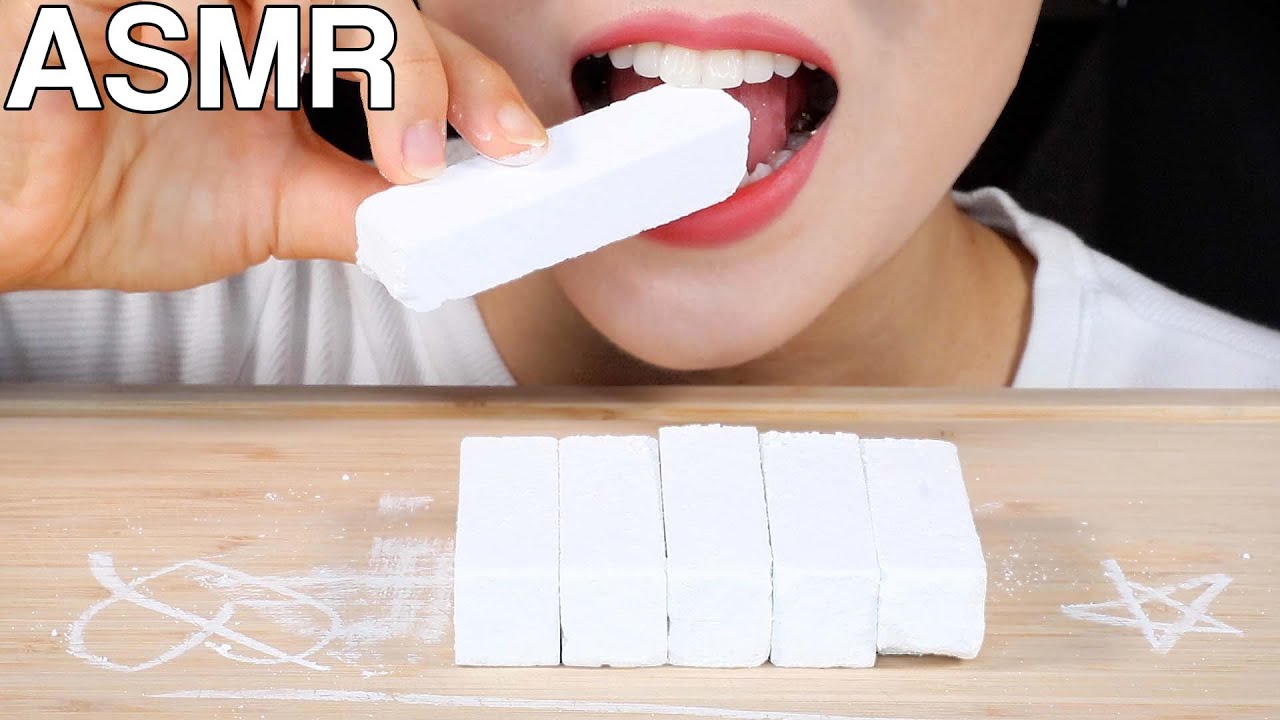
Social media has a powerful impact on our choices. You’ve probably seen challenges or trends urging people to try unconventional things. Eating gym chalk might be one of those viral trends. Influencers can make anything seem appealing, even if it’s not advisable. It’s essential to scrutinize what you see online before following suit.Misunderstanding And Misinformation
Sometimes, misinformation spreads easily. People might eat gym chalk thinking it’s similar to edible chalk used in cooking. This misunderstanding can lead to risky decisions. It’s vital to differentiate between what’s genuinely edible and what’s not. Have you ever mistaken something for another due to misleading information? Always seek clarity before trying something new.Peer Pressure
Have you ever felt pressured to fit in or try something because your friends are doing it? Peer pressure can push people to eat gym chalk, even if they wouldn’t normally consider it. Wanting to be part of a group or trend might lead you to make choices you wouldn’t make independently. Remember, your health should always come first. Eating gym chalk might seem intriguing for various reasons, but it’s essential to prioritize safety and well-being. So, if you ever find yourself tempted, ask yourself: is it really worth it?Potential Health Risks
Gym chalk is a staple in gyms and climbing centers, known for its ability to enhance grip. But have you ever wondered what might happen if you eat it? While some might see it as an innocent curiosity, consuming gym chalk can pose several health risks. Let’s dive into the potential dangers you might face if you decide to munch on this gym accessory.
Digestive Issues
Eating gym chalk could lead to significant digestive problems. Chalk is primarily composed of magnesium carbonate, which isn’t meant for consumption. You might experience stomach pain, nausea, or even constipation. In some cases, the chalk could cause a blockage in your intestines. It’s a discomfort you want to avoid, especially when thinking about your next workout.
Respiratory Concerns
Imagine a cloud of chalk dust filling the air. Now, picture that dust entering your lungs. Inhaling chalk can irritate your respiratory system. It can trigger coughing, wheezing, or exacerbate asthma symptoms. If you have respiratory issues, this could be a serious concern. Keeping your airways healthy is crucial, especially when you’re pushing your limits in the gym.
Allergic Reactions
Not everyone realizes that gym chalk might trigger allergic reactions. Your skin might itch or develop a rash if you’re sensitive to magnesium carbonate. Some people might even experience swelling or hives. How would you manage an allergy in the middle of a workout? It’s a question worth pondering before you consider trying something unusual with gym chalk.
Is the curiosity worth the risk? Next time you see gym chalk, think twice before treating it as a snack. Your health should always come first, and understanding these risks can help you make better choices. Have you ever faced an unexpected health issue? Share your story in the comments below!
Nutritional Myths
Have you ever stumbled upon strange nutritional advice and wondered if it could actually be true? When it comes to eating gym chalk, there are a few myths that circulate. Some people claim it’s a hidden health secret, but is it really? Let’s dive into the nutritional myths surrounding this unusual topic and see if there’s any truth behind these claims.
Is Gym Chalk Edible?
You might be surprised to learn that gym chalk, often made of magnesium carbonate, isn’t intended for consumption. It’s primarily used to improve grip strength during workouts. While some might argue it’s harmless if ingested, it’s not a food item. You wouldn’t eat a pencil or an eraser, so why eat chalk? Consuming non-food items can lead to digestive issues.
Does Gym Chalk Provide Nutritional Benefits?
There’s a misconception that gym chalk might offer some nutritional value because it contains magnesium. However, the amount of magnesium in chalk is negligible compared to what you need daily. Magnesium-rich foods like almonds, spinach, and avocados are far better choices. Eating chalk won’t boost your magnesium intake in any meaningful way.
Is Eating Gym Chalk Safe?
Safety is a major concern with eating non-food items. Gym chalk is not processed for consumption, and it could contain impurities or additives harmful to your health. If you’ve ever thought about trying it out, ask yourself: is it worth the risk? Stick to snacks that are safe and designed for eating.
Why Do People Eat Gym Chalk?
Some individuals might eat chalk due to cravings linked to nutritional deficiencies or stress. This behavior, known as pica, is more common than you’d think. If you find yourself reaching for chalk, consider speaking with a health professional. They can help you understand what’s driving the craving and how to address it.
So, next time you hear someone talking about eating gym chalk, you’ll be equipped with the truth behind these myths. Keep your focus on nourishing your body with real food, and you’ll be on the right track to better health. Have you ever heard of other strange nutritional myths? Share your thoughts and experiences in the comments!
Safety Guidelines
Gym chalk is popular among athletes for improving grip. Some might wonder if it’s safe to consume. Eating gym chalk is not recommended. There are specific safety guidelines to consider.
Medical Advice
Before consuming anything unusual, consult a doctor. Eating gym chalk can cause health issues. Chalk is made from magnesium carbonate. It’s safe for external use, but not for eating. Consuming it may lead to digestive problems. Always prioritize your health and seek professional advice.
Alternative Solutions
If you need something to chew, try safe alternatives. Many prefer chewing gum or mints. These options satisfy cravings without health risks. For those seeking nutritional supplements, consider calcium tablets. These are safe and beneficial if you need extra calcium.
Alternatives To Eating Gym Chalk
While gym chalk is common for improving grip, it is not for eating. Some might mistakenly think of eating it due to its calcium content. But there are better ways to get necessary nutrients. Let’s explore some effective and healthier alternatives.
Dietary Supplements
Dietary supplements are a safe alternative to gym chalk. They provide essential nutrients missing from your diet. Calcium supplements can help strengthen bones and teeth. Consult a healthcare professional before starting any supplement. This ensures you get the right dosage and avoid side effects.
Magnesium supplements can also be beneficial. They support muscle and nerve function. These can be found in various forms, including tablets and powders. Choose a trusted brand for quality assurance.
Natural Sources
Natural sources provide essential minerals without the risks of eating chalk. Dairy products are rich in calcium. Milk, cheese, and yogurt are excellent choices. They are easily available and delicious.
Leafy greens like spinach and kale are also high in calcium. Besides calcium, they offer vitamins and fiber. Nuts, seeds, and legumes provide magnesium. Almonds, sunflower seeds, and beans are nutritious and versatile in meals.
Incorporating these natural sources into your diet is easy. They contribute to a balanced and healthy lifestyle.
Personal Experiences
Many wonder about the safety of eating gym chalk. Personal experiences vary, but generally, it’s not recommended. Gym chalk is meant for grip, not consumption. Eating it might cause stomach issues. Always prioritize safety and stick to its intended use in workouts.
When discussing personal experiences with consuming gym chalk, the stories vary widely. Some athletes might recount moments of curiosity, while others share unexpected reactions. These accounts not only entertain but also shed light on the reality of consuming this unusual substance.Trying Gym Chalk Out Of Curiosity
One athlete recalls a moment of sheer curiosity during a long training session. Exhausted and bored, they wondered what gym chalk tasted like. They took a small pinch, expecting it to be tasteless. Surprisingly, it had a gritty texture and a dry, powdery flavor. It was not exactly pleasant, but it was an experience nonetheless. Have you ever tried something simply because you could?Unexpected Reactions
Another story involves an athlete who, after accidentally ingesting gym chalk, experienced a mild stomach ache. They hadn’t intended to eat it, but a slip of the hand led to an unexpected taste test. This highlights the importance of understanding what you’re putting in your body. It’s essential to consider potential side effects, even with seemingly harmless substances. Would you take a similar risk?Sharing A Laugh With Friends
A group of friends at a gym once dared each other to taste gym chalk. It became a source of laughter and camaraderie, turning a mundane training session into a memorable one. While the taste was far from delightful, it was the shared experience that counted. Sometimes, it’s these spontaneous moments that strengthen bonds. Have you ever shared a laugh over something odd?Lessons Learned
From these experiences, one lesson is clear: just because something is harmless to touch doesn’t mean it’s safe to eat. These personal anecdotes remind us to be mindful of our actions. They also serve as a cautionary tale about consuming non-food items. What stories do you have that taught you a valuable lesson? These personal stories not only entertain but also serve as a reminder to be cautious. Next time you see gym chalk, you’ll probably think twice before tasting it. Keep your curiosity in check, and focus on using gym chalk for its intended purpose.Expert Opinions
When it comes to eating gym chalk, expert opinions vary widely. Some health professionals warn about potential risks, while others highlight its usage among athletes. Understanding these perspectives can help clarify the debate surrounding gym chalk consumption.
What Do Nutritionists Say?
Nutritionists generally advise against eating gym chalk. It is not a food product. Gym chalk is primarily made of magnesium carbonate. This substance is not meant for human consumption. Eating it could lead to digestive issues. It may also lack nutritional value. Nutritionists emphasize maintaining a balanced diet instead.
Health Risks According To Doctors
Doctors express concerns about potential health risks. Consuming gym chalk might cause constipation. It could also lead to gastrointestinal blockages. Over time, these issues can become serious. Doctors recommend avoiding non-food substances. They encourage consulting a healthcare provider for unusual cravings.
Views From Sports Scientists
Sports scientists focus on gym chalk’s intended use. They highlight its role in improving grip strength. Gym chalk is popular among weightlifters and climbers. Eating it does not enhance athletic performance. Sports scientists suggest using it as a grip aid, not a food item.
Psychological Perspective From Experts
Psychologists explore why some people eat gym chalk. This behavior might link to a condition called pica. Pica involves craving non-food items. Stress or nutritional deficiencies can trigger it. Experts recommend therapy or dietary changes to address such cravings.
Credit: www.youtube.com
Frequently Asked Questions
Can You Consume Gym Chalk?
Consuming gym chalk is unsafe. It’s designed for external use to improve grip and reduce sweat during workouts. Eating it can cause digestive problems and potential health risks. Always use gym chalk as intended to avoid any adverse effects.
What Is Gym Chalk Made Of?
Gym chalk is primarily composed of magnesium carbonate. It helps improve grip by absorbing moisture from the hands. This type of chalk is commonly used in weightlifting, gymnastics, and rock climbing. It reduces slipping and enhances performance during workouts and physical activities.
Why Does My Kid Keep Eating Chalk?
Your child might eat chalk due to curiosity or a condition called pica, which involves craving non-food items. Consult a pediatrician to rule out nutritional deficiencies or behavioral issues. Encourage safe alternatives and monitor your child’s habits closely.
Is Eating Climbing Chalk Bad?
Eating climbing chalk can be harmful. It contains magnesium carbonate, which isn’t safe for consumption. Consuming it can cause digestive issues. Always use chalk for its intended purpose in climbing, not as food. Consult a doctor if ingested. Prioritize safety and proper use to avoid health risks.
Conclusion
Eating gym chalk is not recommended. It is not food. Consuming it might cause health issues. Chalk is meant for grip, not eating. If you’re curious, stick to safe snacks. Always prioritize your health and safety. Consult a doctor for dietary advice.
Choose healthy options for your fitness journey. Gym chalk serves a specific purpose. Keep it as a tool for exercise, not diet. Stay informed about what you consume. Your body deserves the best care.