Have you ever wondered if honey can fit into your keto lifestyle? You’re not alone.
As you navigate the ins and outs of the ketogenic diet, questions about what you can and cannot eat are bound to pop up. Honey, with its natural sweetness and countless health benefits, can be particularly puzzling. Is this golden nectar a friend or foe on your keto journey?
You’ll discover the surprising truth about honey and its compatibility with your low-carb goals. Prepare to be intrigued as we unravel the mystery surrounding honey on a keto diet, potentially changing the way you think about natural sugars forever. Get ready to uncover the facts that could transform your keto experience!

Credit: keenforketo.com
Keto Diet Basics
The keto diet is popular for weight loss and improved health. It focuses on reducing carbs and increasing fats. This changes how your body uses energy. The diet aims to shift your body into a state called ketosis. In ketosis, your body burns fat for energy instead of carbohydrates. Understanding the basics of the keto diet helps in knowing its benefits and limitations.
What Is A Keto Diet?
A keto diet is low in carbohydrates and high in fats. It reduces carbs drastically, usually to under 50 grams a day. This forces the body to use fat for energy. The diet includes foods like meat, fish, eggs, cheese, and nuts. It excludes sugary foods and grains. Vegetables are limited to those low in carbs. The goal is to enter ketosis and burn fat efficiently.
Macronutrient Breakdown
Macronutrients in a keto diet include fats, proteins, and carbohydrates. Fats make up 70-80% of daily intake. Proteins account for about 20-25%. Carbs are limited to around 5-10%. This ratio helps the body to maintain ketosis. Consuming the right balance is crucial. It ensures optimal energy and weight loss.
Honey Composition
Honey’s natural sugars may impact ketosis, making it less ideal for a keto diet. Small amounts might fit, depending on daily carb limits. Consider alternatives like stevia or erythritol.
When you think of honey, golden sweetness often comes to mind. But have you ever paused to consider its composition? Honey isn’t just a simple sweetener. It’s a complex mix of natural sugars, water, and trace nutrients. Understanding what’s inside this sticky delight can help you make informed choices on a keto diet.Nutritional Profile Of Honey
Honey is primarily composed of sugars and water. A tablespoon of honey contains about 64 calories, mostly from carbohydrates. It also provides small amounts of vitamins and minerals, such as vitamin C and calcium. However, these nutrients are so minimal that they don’t significantly impact your daily intake. Despite its sweet taste, honey offers some health benefits. It has antibacterial and anti-inflammatory properties. Some people even use it to soothe sore throats. But when you’re on a keto diet, the high sugar content might be a concern.Carbohydrate Content In Honey
The carbohydrate content in honey is quite high. It mainly consists of fructose and glucose, which are simple sugars. A single tablespoon contains approximately 17 grams of carbs. For someone on a strict keto diet, this could be a significant portion of your daily carb allowance. Keto enthusiasts often aim to keep their carb intake below 20-50 grams per day. One spoonful of honey can quickly use up a large chunk of that limit. So, can you afford to include honey in your keto lifestyle? It’s a balancing act. You need to weigh the benefits against the potential to kick you out of ketosis. Are you willing to adjust your other meals to accommodate this sweet treat? Consider your priorities and dietary goals. Understanding honey’s composition helps you make choices aligned with your keto objectives.Honey And Ketosis
Eating honey on a keto diet poses challenges due to its high sugar content. Keto diets focus on low-carb intake to maintain ketosis. Honey, being a natural sweetener, can disrupt this state.
Honey and ketosis—two terms that might seem at odds when you’re on a keto diet. You might wonder if a sweet treat like honey can fit into your low-carb lifestyle. While honey is natural, it’s crucial to understand its impact on your body’s state of ketosis.Impact On Blood Sugar Levels
Honey, despite its natural origins, is high in sugars such as glucose and fructose. Eating honey can cause a spike in your blood sugar levels. This spike is something keto dieters typically aim to avoid, as stable blood sugar is key to maintaining energy levels and mood. Have you ever noticed a sugar crash after a sweet snack? That’s your body reacting to a rapid rise and fall in blood sugar. For those on keto, maintaining steady blood sugar is crucial for staying in ketosis and avoiding energy dips.Potential To Disrupt Ketosis
Ketosis is a delicate state where your body burns fat for fuel instead of carbohydrates. Consuming too much sugar, like that in honey, can kick you out of ketosis. It’s a bit like trying to walk a tightrope—one misstep and you’re off balance. A tablespoon of honey contains about 17 grams of carbs, which could exceed your daily carb allowance on keto. If you’re not careful, a small indulgence could disrupt your progress. Are you willing to trade a moment of sweetness for a day of hard-earned ketosis? Consider the benefits and potential setbacks of including honey in your keto plan. Can you find a balance that satisfies your sweet tooth without derailing your goals?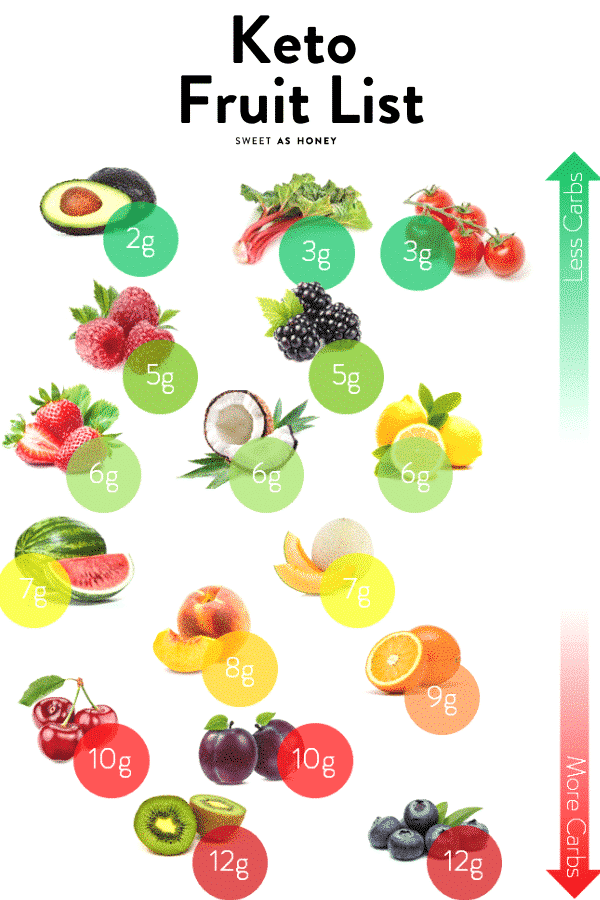
Credit: www.sweetashoney.co
Alternatives To Honey
If you’re following a keto diet, you know that honey, despite its natural origin, isn’t usually on the menu due to its high sugar content. But what happens when you crave that sweet taste without compromising your carb count? Luckily, there are plenty of alternatives that can satisfy your sweet tooth without knocking you out of ketosis. Let’s dive into some low-carb sweeteners and natural keto-friendly options that can replace honey in your diet.
Low-carb Sweeteners
Ever tried Stevia? This plant-derived sweetener is a go-to for many keto enthusiasts. It’s zero-calorie and doesn’t raise your blood sugar levels. You might find it surprising how closely Stevia mimics the sweetness of honey, making it a great option for your morning tea or baking recipes.
Another alternative is Erythritol. It’s a sugar alcohol that contains fewer calories than regular sugar and won’t spike your insulin levels. The taste is quite similar to sugar, and it’s often mixed with Stevia for a balanced sweetness. Just be mindful of portion sizes, as too much can lead to digestive discomfort.
Natural Keto-friendly Options
Monk fruit sweetener is another popular choice. Named after the monk fruit, this natural sweetener has zero carbs and calories, making it perfect for keto. It’s a bit pricey, but its clean taste and lack of aftertaste make it worth the investment.
Have you considered coconut nectar? It may not be as low in carbs as other sweeteners, but it provides a natural option that some keto followers use sparingly. Its rich, caramel-like flavor can add depth to dishes, without the sugar spike.
Finding the right sweetener for your keto diet can be a game-changer. Have you experimented with any of these options, or do you have a favorite that’s not listed here? Trying different sweeteners can help you discover what works best for your taste and lifestyle. Remember, it’s all about making choices that keep your body in ketosis while satisfying your cravings.
Incorporating Honey Wisely
Honey, a natural sweetener, tempts many on a keto diet. Its rich flavor and health benefits make it appealing. But honey contains carbohydrates, which can disrupt ketosis. Understanding how to incorporate honey wisely is crucial for keto success.
Occasional Use And Portion Control
Use honey occasionally to satisfy sweet cravings. Limit its use to special treats. Always measure carefully. A teaspoon of honey contains about 6 grams of carbs. This small amount might fit into your daily carb allowance. But too much can knock you out of ketosis. Be mindful.
Balancing Carbs On Keto
Balance is key for a successful keto diet. Honey should not be a daily staple. Plan your meals to accommodate honey’s carbs. Offset honey’s carbs with lower-carb foods. Vegetables, meats, and healthy fats can help maintain balance. Keep your total daily carb intake in check.
Credit: keenforketo.com
Health Benefits Of Honey
Honey, a natural sweetener, offers many health benefits. Despite its sugar content, honey is rich in nutrients. It provides more than just a sweet taste. Consuming honey in moderation can be beneficial for health. Let’s explore the health benefits of honey.
Antioxidant Properties
Honey contains antioxidants, which protect the body from damage. These antioxidants fight free radicals. Free radicals can cause harm to cells. By consuming honey, you support your body’s defense system. The antioxidants in honey are linked to improved health. They may help reduce the risk of chronic diseases.
Potential Health Advantages
Honey has antibacterial properties. It can help in healing wounds. Applying honey on cuts or burns can speed up recovery. Some people use honey to soothe sore throats. It can also improve digestion and gut health. Honey may offer relief from coughs and colds. It is also known to boost energy levels. Honey provides a quick source of energy, especially during exercise.
Personalizing Your Diet
Every person is unique, and so is their diet. Personalizing your keto diet means tailoring it to your body’s needs. This approach can make your journey more effective and enjoyable. By focusing on what works best for you, staying committed becomes easier.
Some people wonder about including honey in their keto diet. The answer depends on individual factors. Let’s explore these factors and how you can adjust your plan.
Individual Tolerance Levels
Everyone’s body reacts differently to carbohydrates. Some people can handle more carbs without issues. Others might be more sensitive. Testing your body’s response to honey is essential. Start with a small amount and monitor how you feel. Keep track of energy levels, ketone readings, and cravings. This will help you understand your tolerance.
Adjusting Your Keto Plan
If honey works for you, adjust your keto plan. Make room for it by reducing carbs elsewhere. Balance is key to maintaining ketosis. Consider other sources of carbs like vegetables or nuts. Staying within your carb limits ensures your diet remains effective.
Always prioritize whole and natural foods. This approach supports overall health and well-being. A personalized keto plan can help you enjoy your favorite foods while staying on track.
Frequently Asked Questions
Is Honey Allowed On A Keto Diet?
Honey is generally not recommended for a keto diet due to its high sugar content. It can disrupt ketosis, which is the metabolic state crucial for the keto diet. Instead, opt for low-carb sweeteners like stevia or erythritol to satisfy your sweet cravings without affecting ketosis.
How Many Carbs Are In Honey?
A tablespoon of honey contains approximately 17 grams of carbohydrates. This high carb content makes it unsuitable for a keto diet, which typically limits daily carb intake to about 20-50 grams. Consuming honey can quickly exceed your carb limit and hinder your progress on a keto diet.
Can Honey Kick You Out Of Ketosis?
Yes, consuming honey can kick you out of ketosis due to its high sugar content. Ketosis requires low carb intake, and honey’s natural sugars can disrupt this state. To maintain ketosis, it’s best to avoid honey and choose keto-friendly sweeteners like monk fruit or allulose.
Are There Keto-friendly Alternatives To Honey?
Yes, there are several keto-friendly alternatives to honey. Options include stevia, erythritol, and monk fruit sweeteners, which provide sweetness without carbs. These alternatives help maintain ketosis while satisfying sweet cravings. They’re ideal for those on a keto diet looking to avoid high-carb ingredients like honey.
Conclusion
Eating honey on a keto diet requires careful consideration. Honey is natural but high in carbs. It can disrupt ketosis. Small amounts might fit if you track your carbs closely. Always check your body’s response. Some keto followers prefer alternatives like stevia or erythritol.
These sweeteners have lower carbs. Remember, balance is key in any diet. Listen to your body. Choose what’s best for your health goals. Stay informed and make decisions that align with your keto journey. This ensures you maintain your desired results while still enjoying your favorite flavors.