Curious about the Mediterranean diet and wondering if pork fits into your meal plan? You’re not alone.
With its reputation for promoting heart health and longevity, this diet has piqued the interest of many. But when it comes to pork, things can get a bit confusing. You might think of the Mediterranean diet as a seafood and olive oil affair, but could there be room for more?
Imagine indulging in your favorite pork dish without straying from your health goals. Intrigued? Read on to discover how pork can fit into your Mediterranean lifestyle and what you need to know to make the most of it.
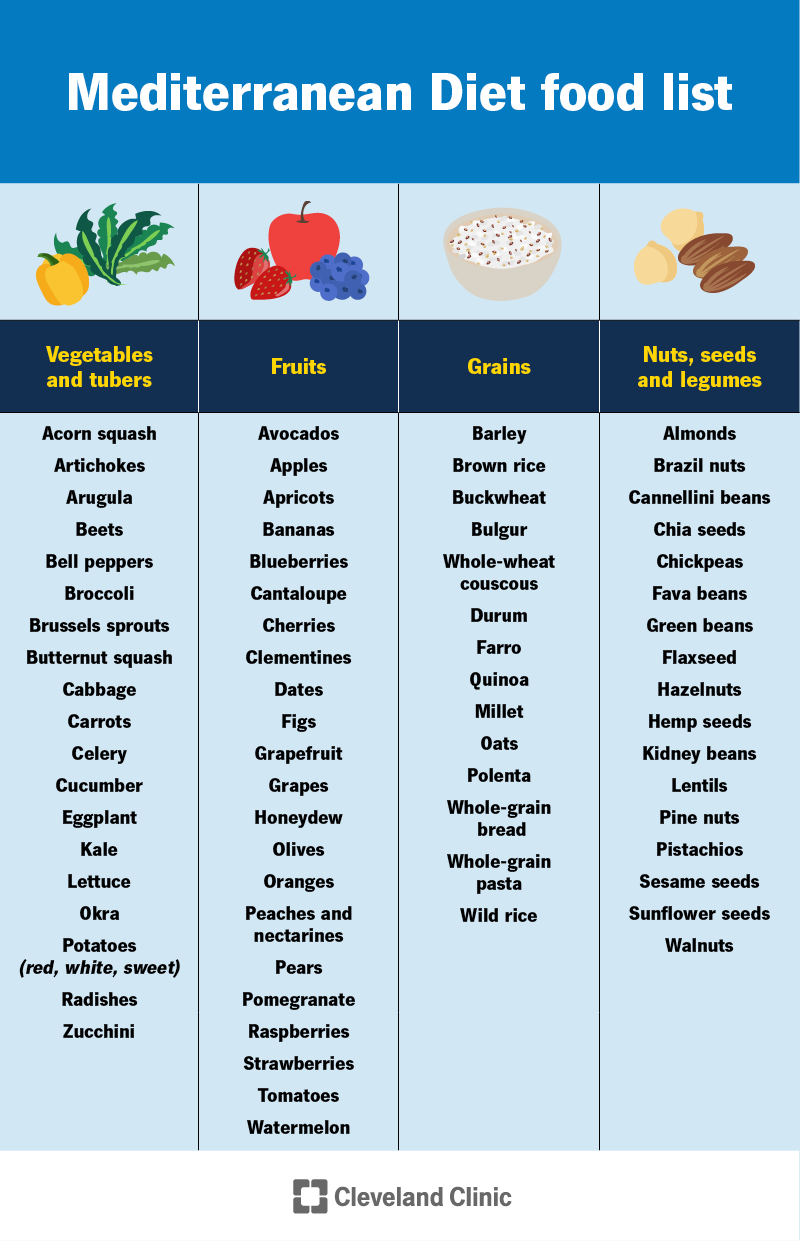
Credit: my.clevelandclinic.org
Mediterranean Diet Basics
The Mediterranean diet is more than just a meal plan; it’s a way of life. Rooted in the culinary traditions of countries bordering the Mediterranean Sea, this diet emphasizes whole foods, fresh ingredients, and balanced eating. It’s not just about what you eat but how you eat it. Many people wonder if pork fits into this lifestyle, so let’s explore the basics of the Mediterranean diet to see where pork might fit in.
Core Principles
The Mediterranean diet is built on a few simple principles. First, it encourages consuming a variety of fresh fruits and vegetables. Your plate should be colorful and diverse. Whole grains like brown rice, quinoa, and whole wheat bread are staples.
Healthy fats are celebrated, especially olive oil, which is used generously. Fish and seafood are preferred sources of protein, eaten at least twice a week. Dairy is enjoyed in moderation, often in the form of cheese and yogurt.
Meats like chicken and pork can be part of your diet but should be consumed less frequently. The focus is on quality over quantity, so when you do eat pork, choose lean cuts. The diet also emphasizes enjoying meals with family and friends, fostering connections and making dining a joyful experience.
Common Foods
The Mediterranean diet is rich in variety. Fruits like oranges, grapes, and figs are common, as are veggies like tomatoes, bell peppers, and eggplants. Nuts, especially almonds and walnuts, are a popular snack.
Legumes such as lentils and chickpeas are frequently used in dishes. You’ll often find fish like salmon and sardines on the menu, bringing essential omega-3 fatty acids. Herbs and spices play a crucial role, adding flavor without excess salt.
Can pork find a place here? Yes, but it’s not a central focus. Think of pork as a special guest at your table. Occasionally savor lean cuts, perhaps grilled with a sprinkle of herbs. Imagine a gathering with friends, sharing stories over a meal that includes diverse dishes, with pork complementing the medley rather than taking center stage.
Does this approach to eating inspire you to try something new? How can you bring the essence of the Mediterranean to your own dining experience?
Role Of Meat In The Mediterranean Diet
The Mediterranean diet is known for its health benefits. It emphasizes vegetables, fruits, whole grains, and healthy fats. But meat also plays a role in this diet. Traditionally, the diet includes small amounts of meat. This is mostly for flavor and nutritional balance. Meat provides essential nutrients like protein and iron. It complements plant-based foods well.
Today, some people wonder about eating pork on this diet. Understanding the role of meat can help. Let’s explore how traditional choices and modern adaptations fit in.
Traditional Meat Choices
In the Mediterranean region, lamb and poultry are common. These meats are eaten in small portions. Beef is less common but used occasionally. Fish and seafood take center stage. They are rich in healthy omega-3 fats. Red meats are rare and saved for special occasions.
Pork is not a staple in many Mediterranean countries. Cultural and religious practices influence this choice. Some regions do include pork in their meals. But it’s not as prominent as other meats.
Modern Adaptations
Today’s Mediterranean diet has evolved. People adapt it to fit modern lifestyles. Some include pork in moderate amounts. Lean cuts like tenderloin are popular. They offer a healthy choice with less fat.
Balancing pork with plant-based foods is key. This keeps the diet heart-friendly. Many enjoy pork in Mediterranean-inspired recipes. Grilled pork paired with vegetables is a favorite. It provides flavor and variety to meals.
Modern adaptations allow flexibility. They cater to personal tastes and cultural preferences. This keeps the Mediterranean diet relevant and enjoyable.
Pork And Its Nutritional Profile
Pork offers protein and essential nutrients like vitamins and minerals. On the Mediterranean diet, lean cuts of pork can be enjoyed occasionally. Balancing it with vegetables and healthy fats ensures alignment with this heart-healthy diet.
When considering the Mediterranean diet, you might wonder about the place of pork within it. Traditionally, this diet emphasizes plant-based foods, fish, and healthy fats. However, pork can be included in moderation, offering a range of nutritional benefits. Let’s take a closer look at pork’s nutritional profile, its benefits, and what you should consider for your health.Nutritional Benefits
Pork is a rich source of high-quality protein, essential for building and repairing muscles. A 3-ounce serving of pork tenderloin contains about 22 grams of protein, making it an excellent choice for meeting your daily protein needs. Moreover, pork provides important vitamins and minerals like B6, B12, zinc, and iron. These nutrients play a crucial role in energy production, immune function, and maintaining healthy blood cells. Pork tenderloin and loin chops are lean cuts with less saturated fat. They can be a healthier choice than fattier cuts, aligning better with the Mediterranean diet’s principles.Health Considerations
While pork offers nutritional benefits, it’s important to consider the cut and preparation method. Processed pork products like bacon and sausages often contain high levels of sodium and preservatives. Consuming these regularly may increase your risk of heart disease. Balancing pork with plenty of vegetables and whole grains can help you adhere to the healthful elements of the Mediterranean diet. Think of pairing your pork with a vibrant salad or roasted vegetables to create a well-rounded meal. How often do you include pork in your diet? Moderation is key, as the Mediterranean diet emphasizes variety and balance. By choosing lean cuts and being mindful of portions, you can enjoy pork while staying true to this heart-healthy eating pattern. Have you tried using herbs and spices to flavor your pork instead of salt? This small change can make a big difference in reducing sodium intake without sacrificing taste.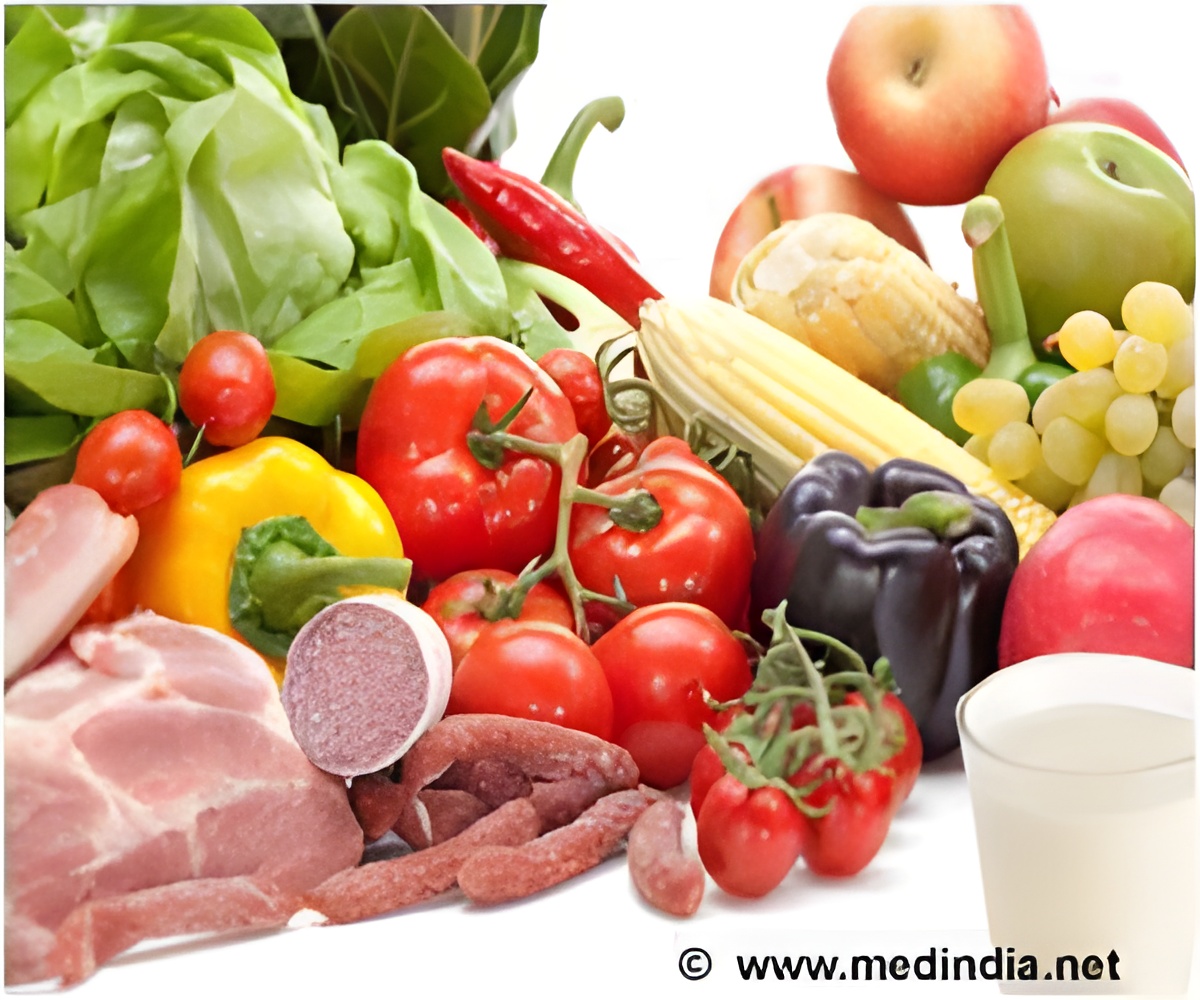
Credit: www.medindia.net
Cultural Perspectives On Pork
The Mediterranean diet often includes pork, though traditionally it focuses on fish and plant-based foods. Pork is consumed in moderation, aligning with the diet’s emphasis on balance and variety. This cultural perspective allows for occasional indulgence while maintaining overall health benefits.
In the Mediterranean diet, the inclusion of pork can be a matter of debate, not only for health reasons but also for cultural perspectives. Understanding these perspectives can enrich your dietary choices and deepen your appreciation for this diverse region. You’ll find that attitudes towards pork vary widely across Mediterranean countries, influenced by regional culinary traditions and religious practices.Regional Variations
The Mediterranean region is a tapestry of culinary traditions. In Spain and Italy, pork is often celebrated in dishes like jamón ibérico and prosciutto. These countries have a long history of using pork in their cooking, emphasizing its flavor and versatility. Contrast this with Greece, where pork is less dominant but still found in dishes like souvlaki. The regional differences stem from historical availability and agricultural practices, shaping unique culinary experiences. When you explore Mediterranean cuisine, consider the distinct flavors and preparations from different countries. How might these traditions inspire your own cooking?Religious Influences
Religious beliefs play a significant role in dietary choices in the Mediterranean. In Islamic countries like Turkey and Morocco, pork is generally avoided due to religious dietary laws. This influences local cuisine, which relies heavily on lamb, chicken, and seafood instead. Jewish communities in Israel also refrain from eating pork, adhering to kosher dietary laws. These restrictions lead to innovative culinary adaptations, focusing on alternative proteins. Recognizing these religious influences can guide your understanding of Mediterranean food culture. Are there dishes you can adapt in your kitchen to honor these traditions? Considering these cultural perspectives not only enhances your Mediterranean diet journey but also invites you to explore new tastes and practices. How will you embrace the diversity of this region in your own meals?Incorporating Pork In A Balanced Way
Pork can fit into the Mediterranean diet when eaten in moderation. Focus on lean cuts and healthy cooking methods. Balancing pork with vegetables, whole grains, and healthy fats ensures a nutritious meal.
Incorporating pork into your Mediterranean diet can add variety and flavor, but balance is key. While the Mediterranean diet emphasizes plant-based foods, lean proteins like pork can still play a supporting role. Let’s explore how you can enjoy pork without straying from the healthy principles of this lifestyle.Portion Control
Keeping your portions in check is crucial. A small serving of pork can complement a meal rich in vegetables and whole grains. Think of pork as a side dish rather than the main event on your plate. A good rule of thumb is to limit your pork intake to about the size of a deck of cards. This way, you enjoy the taste without overindulging. Does your plate reflect this balance?Healthy Preparation Methods
How you prepare pork can make all the difference. Opt for grilling, baking, or broiling instead of frying. These methods reduce added fats and keep the meat juicy. Experiment with herbs and spices to enhance flavor without extra calories. Rosemary and thyme can bring out the best in your pork. Have you tried marinating pork in olive oil and lemon juice? It’s a refreshing way to keep it moist and Mediterranean-friendly. Remember, enjoying pork in a balanced way is all about making smart choices. What steps will you take to make your next pork dish both delicious and healthy?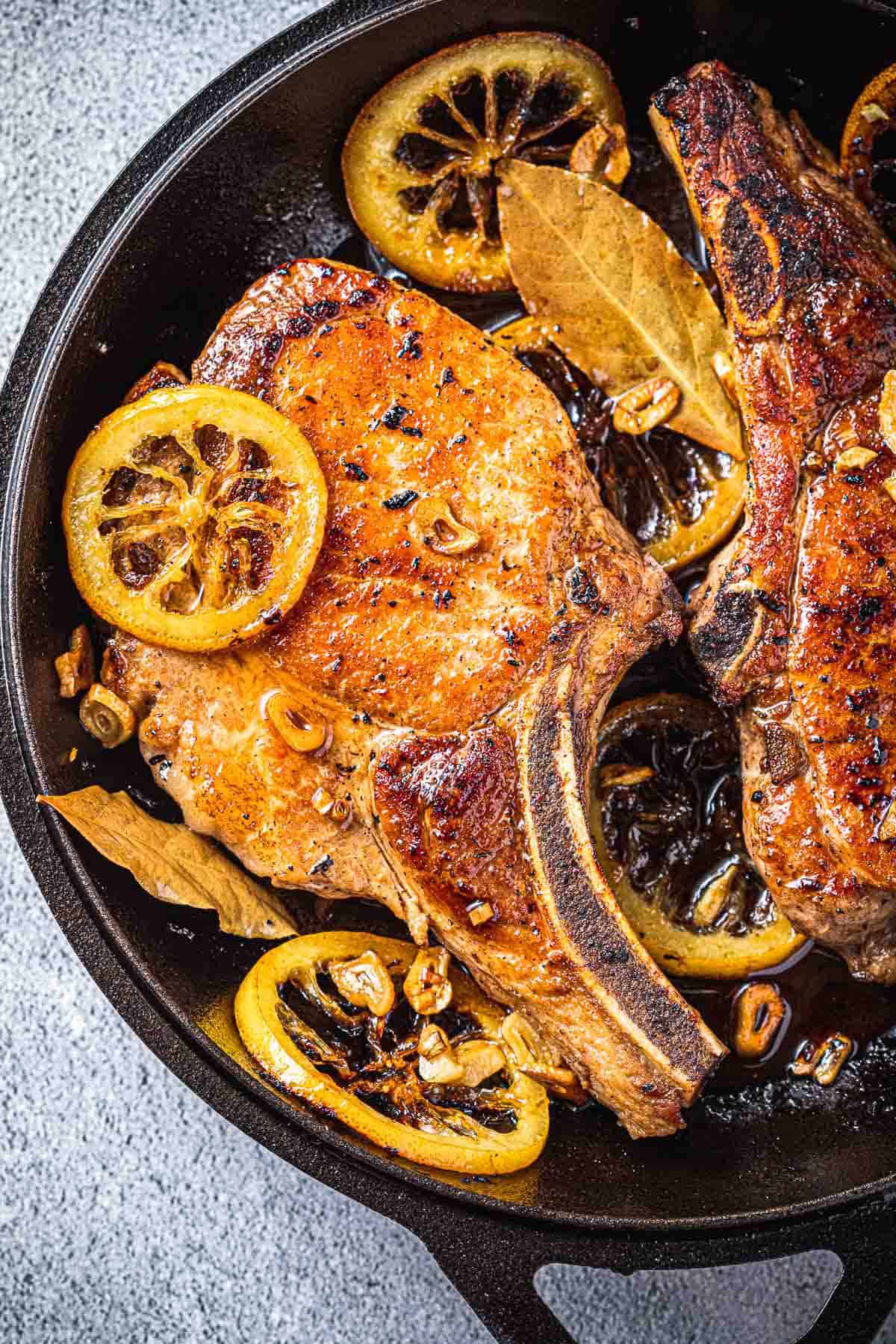
Credit: www.themediterraneandish.com
Alternative Protein Sources
Exploring the Mediterranean diet, pork is not a traditional choice. Fish, beans, and lentils offer alternative protein sources. Emphasizing plant-based foods, this diet focuses on heart health and longevity.
If you’re exploring the Mediterranean diet, you might wonder about eating pork. While pork isn’t a staple in this diet, there are plenty of other delicious and healthy protein options to consider. Let’s dive into some alternative protein sources that can enhance your Mediterranean diet journey.Plant-based Options
Plant-based proteins are a fantastic choice for those following the Mediterranean diet. They are not only versatile but also packed with nutrients. Think of beans, lentils, and chickpeas. These legumes are rich in protein and fiber, keeping you full and satisfied. Have you tried adding chickpeas to your salad? It’s a simple way to boost protein intake while keeping your meal light. Or consider making a hearty lentil soup, perfect for a cozy dinner. Incorporating these options can add variety and keep your meals exciting.Seafood And Poultry
Seafood is a cornerstone of the Mediterranean diet. It is rich in omega-3 fatty acids, which are beneficial for heart health. Consider adding salmon, sardines, or mackerel to your weekly meal plan. These fish are not only nutritious but also delicious. Poultry, such as chicken and turkey, is another excellent protein source. It’s lean and can be prepared in numerous ways. Try marinating chicken breast with olive oil and herbs for a flavorful dish. Or, how about making a turkey stir-fry with your favorite vegetables? These alternatives provide variety and keep your diet interesting. Are you ready to experiment with these protein sources? By incorporating these options into your meals, you can enjoy the benefits of the Mediterranean diet while keeping it diverse and delicious.Recipes Featuring Pork
Many people enjoy the flavors of pork in Mediterranean dishes. It’s possible to include pork in a Mediterranean diet while keeping it healthy. Let’s explore some delicious recipes that feature pork.
Mediterranean-inspired Dishes
Pork souvlaki is a popular choice. Marinate pork chunks in olive oil, lemon juice, and herbs. Skewer and grill them for a tasty meal. Another dish is pork with figs and olives. Simmer pork with sweet figs and briny olives for a rich flavor. These dishes capture the essence of Mediterranean cuisine.
Healthy Cooking Tips
Choose lean cuts of pork for a healthier option. Trim visible fat to reduce calories. Use olive oil instead of butter for cooking. This adds healthy fats and enhances the taste. Add plenty of vegetables to your pork dishes. They provide nutrients and make meals more filling. Season with herbs like rosemary and thyme for added flavor.
Expert Opinions
Experts suggest moderation in consuming pork on the Mediterranean diet. This diet typically emphasizes plant-based foods. Lean cuts of pork can occasionally fit within this eating plan.
When it comes to understanding whether pork fits into the Mediterranean diet, expert opinions can provide clarity. Many people are curious about how this popular meat aligns with a diet known for its emphasis on plant-based foods, healthy fats, and lean proteins. Let’s delve into what the experts say and examine the health benefits and risks associated with pork consumption on this diet.Dietitians’ Views
Most dietitians agree that the Mediterranean diet is flexible and adaptable. While traditionally focusing on fish, legumes, and poultry, some dietitians say that pork can be included in moderation. A dietitian I spoke with highlighted that if you’re choosing pork, lean cuts like tenderloin or loin chops can be better options. However, they caution against processed pork products like bacon or sausages, as these can be high in unhealthy fats and sodium. Are you mindful of reading labels and choosing cuts that align with your health goals?Health Benefits And Risks
Including lean pork in your diet can offer some health benefits. Pork is a good source of protein, essential vitamins, and minerals like B vitamins and zinc. These nutrients are crucial for energy production and immune function. On the flip side, some experts warn that consuming too much pork, especially fatty cuts, can increase the risk of heart disease. How do you plan to balance taste and health? To make pork a healthy part of your Mediterranean lifestyle, focus on portion control and opt for grilling, baking, or broiling methods. Have you considered pairing pork with vegetables and whole grains to maintain the diet’s balanced approach? Being mindful of how often you include pork in your meals can help you enjoy its benefits while minimizing potential risks.Frequently Asked Questions
Can You Eat Pork In The Mediterranean Diet?
Yes, you can eat pork in the Mediterranean diet. Focus on lean cuts and moderate portions. Balance pork with plenty of fruits, vegetables, whole grains, and healthy fats like olive oil. Prioritize variety and moderation to maintain the diet’s health benefits.
What Meats Can You Eat On A Mediterranean Diet?
Enjoy lean meats like chicken and turkey on a Mediterranean diet. Include fish such as salmon and sardines. Limit red meat to occasional servings. Opt for fresh, organic, and minimally processed options to align with this healthy eating plan. Aim for variety and balance in your protein choices.
How Often Can You Eat Pork On A Mediterranean Diet?
You can eat pork occasionally on a Mediterranean diet. Focus on lean cuts and moderate portions. Prioritize fish, poultry, and plant-based proteins for optimal health benefits. Balance is key to maintaining the diet’s principles.
Are Potatoes Ok On A Mediterranean Diet?
Yes, potatoes can be part of a Mediterranean diet. Choose whole, unprocessed potatoes and eat them in moderation. Opt for healthier cooking methods like boiling or baking. Pair them with vegetables, olive oil, and lean proteins for balanced meals. Prioritize variety and portion control in your diet.
Conclusion
Pork can fit into the Mediterranean diet with mindful choices. Focus on lean cuts. Balance with vegetables, fruits, and whole grains. This diet emphasizes moderation and variety. Enjoy pork occasionally, not daily. Choose grilled or baked methods over fried. It’s about harmony in meals.
Embrace fresh herbs and spices for flavor. Explore other protein sources too. Fish, beans, and nuts are great options. Pork can be part of this healthy lifestyle. Remember, the Mediterranean diet is flexible. Adapt it to your needs and preferences.
Eating well is about balance, not restriction. Make choices that support overall wellness.