Imagine savoring a diet that promises simplicity and focuses on meat, fish, and animal products. The carnivore diet is catching attention for its no-nonsense approach.
But what about rice? You might wonder if you can enjoy this staple while following a meat-centered lifestyle. The answer isn’t as straightforward as it seems. You’re probably curious about how rice fits into a diet that seemingly excludes anything plant-based.
After all, rice is a beloved comfort food for many. But is it a friend or foe to your carnivore journey? By diving deeper, you’ll discover not just the answer, but also how your dietary choices can impact your health and wellbeing. Stick around as we unravel the mystery of rice on the carnivore diet, and equip you with the knowledge to make informed decisions for your unique lifestyle.

Credit: www.tiktok.com
Carnivore Diet Basics
The carnivore diet is gaining popularity for its simplicity and potential health benefits. If you’re new to this diet, you might be wondering what it entails and whether your favorite foods, like rice, fit into this lifestyle. Understanding the basics of the carnivore diet can help you make informed choices and see if this path aligns with your health goals.
Core Principles
At its heart, the carnivore diet revolves around consuming animal-based products exclusively. You focus on meat, fish, eggs, and dairy. The idea is to simplify eating by sticking to foods that humans have historically consumed. This approach eliminates carbohydrates, including grains, fruits, and vegetables. The goal is to reduce inflammation and potentially enhance energy levels.
Think about why you are considering this diet. Are you looking to improve your health or experiment with your eating habits? Understanding your motivation can guide your commitment and help you assess whether the carnivore diet is a good fit for you.
Allowed Foods
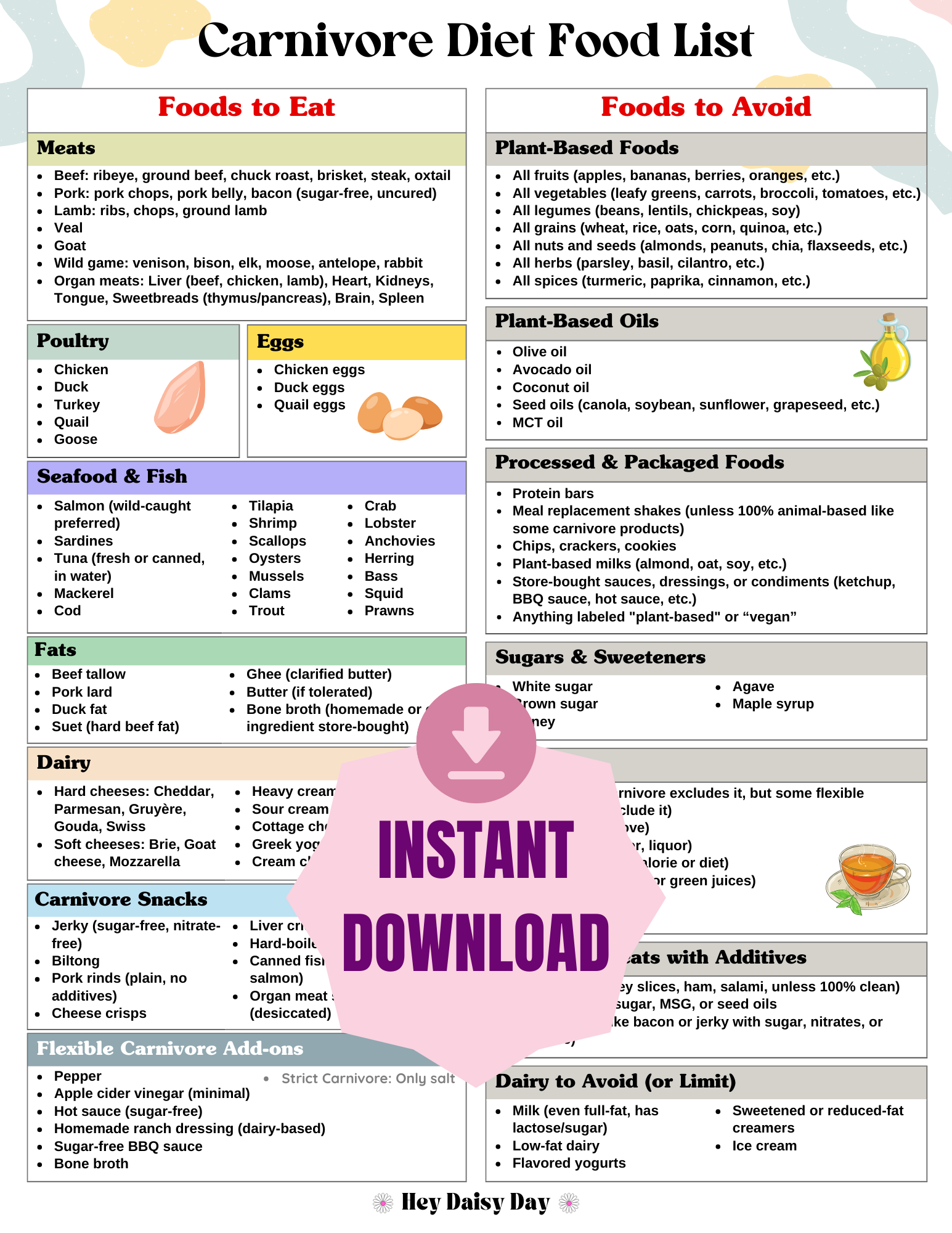
On the carnivore diet, your menu is straightforward. You can eat beef, chicken, pork, and fish. Eggs are a staple, providing protein and essential nutrients. Many followers enjoy a variety of dairy products like cheese and butter. These foods provide the fats and proteins your body needs.
Rice, however, doesn’t make the cut. It’s a grain and rich in carbohydrates, which contradicts the diet’s principles. While rice is a beloved staple for many, the carnivore diet requires saying goodbye to it. This might seem daunting at first. But once you dive into the world of meats and animal-based foods, you’ll discover a new realm of flavors and culinary possibilities.
Do you find the idea of cutting out familiar foods challenging? It can be a test of willpower, but many find the dietary shift rewarding. Explore the variety within the allowed foods and see how your body responds. This could be the change you never knew you needed.
Rice: Nutritional Profile
Rice is a staple food in many cultures, renowned for its versatility and ease of preparation. However, if you’re exploring the carnivore diet—a regimen that emphasizes animal-based foods—you might wonder where rice fits in. To make an informed decision, let’s delve into the nutritional profile of rice. Understanding what rice offers nutritionally can help you decide if it aligns with your dietary goals.
Carbohydrate Content
Rice is primarily composed of carbohydrates, which serve as a major source of energy. A single cup of cooked white rice contains about 45 grams of carbohydrates. This is significant, especially if you’re trying to minimize carb intake on a carnivore diet.
The high carbohydrate content can lead to spikes in blood sugar levels. If you’ve ever felt sluggish after a big bowl of rice, this might be why. Reducing carbs might help maintain more stable energy levels throughout the day.
Vitamins And Minerals
Rice isn’t just about carbs; it also offers some vitamins and minerals. It contains small amounts of B vitamins like thiamine and niacin, which are crucial for energy metabolism. However, the levels are not as high as in other whole grains.
Brown rice has a slight edge over white rice when it comes to nutrients. It contains more fiber, magnesium, and selenium. Yet, these nutrients might not be enough to sway a strict carnivore dieter who gets their nutrients from animal sources.
Have you ever considered where your nutrients are coming from? On a carnivore diet, it’s vital to ensure that you’re obtaining essential vitamins and minerals from your primary food sources. Rice might not be the powerhouse you’re looking for.
Ultimately, the decision to include rice in your diet hinges on your personal goals and how strict you want to be with your carnivore regimen. If you find that carbs derail your progress, you might choose to skip rice altogether. But if you’re flexible with your diet and enjoy the occasional rice dish, understanding its nutritional profile can help you make a balanced choice.
Rice In Carnivore Diet
The carnivore diet focuses on consuming animal-based foods. Many followers wonder about rice’s place in this diet. It’s a common question given rice’s popularity worldwide. Understanding its role requires addressing some common misconceptions and historical insights.
Common Misconceptions
Many think the carnivore diet includes all low-carb foods. This is not true. The diet strictly limits food to animal products. Rice, a grain, is plant-based. It’s not part of the traditional carnivore diet. Some believe rice can be adjusted for low-carb needs. But it remains a non-carnivore option.
Historical Context
Historically, human diets varied by region. Many ancient cultures relied heavily on meat. Rice became a staple in specific areas due to agriculture. It wasn’t always a global dietary staple. The carnivore diet looks back at those meat-heavy traditions. It values nutrient-dense animal foods. Rice entered diets much later in human history.
Potential Impacts Of Rice
The carnivore diet focuses on consuming animal products exclusively. Rice, a staple in many diets, is a carbohydrate-rich food. Eating rice on a carnivore diet can affect your health in different ways. Let’s explore the potential impacts of rice, specifically its digestive effects and metabolic response.
Digestive Effects
Rice contains fiber which aids digestion. This can be beneficial for some, but not for everyone. Fiber can cause bloating or discomfort in sensitive individuals. A carnivore diet typically excludes fiber-rich foods. Eating rice might disrupt the digestive balance established by the carnivore diet. Listen to your body and observe how rice affects your digestion.
Metabolic Response
Rice is a significant source of carbohydrates. Consuming rice may alter your body’s metabolic response. On a carnivore diet, the body shifts to burning fat for energy. Introducing rice can increase blood sugar levels. This may lead to a different energy source being used. For those on a carnivore diet, it’s vital to monitor these changes. Adjustments may be necessary to maintain desired metabolic benefits.
Alternatives To Rice
Rice is a staple in many diets worldwide, cherished for its versatility and comforting nature. But when you’re following a carnivore diet, rice doesn’t quite fit the bill. While it might seem challenging to find alternatives that align with your dietary goals, there are plenty of options that can satisfy both your taste buds and nutritional needs.
Low-carb Options
One of the best low-carb substitutes for rice is cauliflower rice. This simple swap not only mimics the texture of rice but also offers a fraction of the carbs. You can easily make it at home by grating or processing cauliflower florets in a food processor. Sauté it briefly, and you’ve got a delicious base for your meals.
Zucchini noodles are another creative option. Slice them into thin strips and cook until tender. They provide a fresh twist that pairs well with various meats. Plus, they add a nice crunch that can elevate your dish.
Have you tried shirataki rice? Made from konjac root, this miracle food is almost calorie-free. It absorbs flavors well, making it an excellent addition to meat-based dishes without the carb overload.
Nutrient-rich Choices
If you’re looking for nutrient-rich alternatives, consider incorporating organ meats into your meals. Liver, for instance, is packed with vitamins and minerals that rice simply can’t offer. It’s a powerhouse of nutrition that supports your overall health.
Bone broth can be another enriching substitute. It’s full of collagen and nutrients and serves as a flavorful base for soups or stews. Imagine the comforting taste of a warm broth enhancing your carnivore meals.
Eggs can also be a versatile and nutrient-dense option. Scramble them, make an omelet, or pair them with your favorite meats. They’re quick to prepare and loaded with essential amino acids.
So, what’s stopping you from trying these alternatives? Embrace the diversity in your carnivore journey and discover new favorites. After all, the key to a satisfying diet lies in variety and experimentation. What’s your go-to rice alternative? Share your thoughts and tips below!

Credit: www.reddit.com
Expert Opinions
Rice is not typically included in a carnivore diet. Experts say this diet focuses on animal products. Eating rice may not align with this approach, as it is a carbohydrate-rich food.
Expert Opinions Embarking on a carnivore diet can be a fascinating journey, especially when you’re considering what foods to include. One question that often arises is whether you can eat rice. To get to the bottom of this, let’s explore what the experts have to say. Their insights can guide you in making informed decisions about your dietary choices.Nutritionists’ Views
Nutritionists often stress the importance of understanding the core principles of any diet. A carnivore diet is primarily animal-based. It focuses on consuming meat and animal products, excluding plant-based foods like rice. Some nutritionists argue that rice could disrupt the benefits you might experience from a strict carnivore approach. They suggest that if you’re seeking the benefits of a carnivore diet, it’s best to stick to its original principles. Have you considered how rice might affect your digestive system or energy levels while on this diet?Dieticians’ Advice
Dieticians, on the other hand, often provide a more flexible perspective. They recognize that each individual’s body reacts differently to dietary changes. While traditional carnivore diets exclude rice, some dieticians might suggest a small amount if it helps you maintain the diet long-term. They might advise starting with a strict approach and then gradually introducing small portions of rice. This can help you monitor how your body responds. Have you ever tried adjusting your diet gradually, and how did it impact your overall well-being? Listening to experts can help you tailor your carnivore diet to your needs. Their insights emphasize the importance of being mindful and adaptable. How will you apply these expert opinions to your dietary journey?Personal Experience Stories
Exploring dietary choices can lead to unique discoveries. The carnivore diet often sparks curiosity about rice consumption. Personal stories reveal varied experiences and perspectives, highlighting that individual preferences and health goals shape dietary decisions.
Personal Experience Stories The carnivore diet, focusing on meat and animal products, has gained popularity. Yet, questions arise about whether foods like rice can fit into this lifestyle. Personal stories offer insights into the real-world application of diet choices.Success Stories
Many individuals have found success by strictly following the carnivore diet. One person shared how they initially missed rice but soon noticed positive changes. Increased energy and better digestion were among the benefits they experienced. Adapting to a no-rice diet seemed challenging at first. However, they discovered satisfaction in consuming nutrient-dense meats. This transition led to a leaner physique and a more focused mind. Their journey highlights the importance of commitment. Could your diet evolution lead to unexpected gains?Challenges Faced
Not everyone has an easy transition away from rice. A dieter recounted their struggle with cravings and social pressures. Rice, a staple in many cultures, was hard to let go of. They faced moments of doubt when dining with family. These challenges tested their resolve and made them question the diet’s feasibility. Finding alternatives was key. They experimented with various meats to fill the void rice left. Have you faced similar dietary dilemmas?Personal stories emphasize both triumphs and trials. They remind us that dietary changes are personal and unique. What lessons can you draw from these experiences?
Credit: heydaisyday.com
Frequently Asked Questions
What Carbs Can I Eat On A Carnivore Diet?
The carnivore diet primarily includes animal products, so carbs are minimal. Eggs and dairy may contain trace carbs.
What Grains Can You Eat On A Carnivore Diet?
The carnivore diet excludes all grains. It focuses on animal products like meat, fish, eggs, and dairy. Grains are not part of this diet. Stick to animal-based foods for optimal adherence to the carnivore lifestyle.
What Are You Not Supposed To Eat On A Carnivore Diet?
Avoid fruits, vegetables, grains, legumes, nuts, seeds, and processed foods. Stick to animal-based products only.
What Is The 80 20 Rule For Carnivore Diet?
The 80/20 rule in the carnivore diet suggests consuming 80% animal-based foods and 20% plant-based foods. This approach helps balance nutrients, providing flexibility and enhancing dietary sustainability. It supports health and weight goals while allowing occasional plant food intake for variety.
Conclusion
Rice doesn’t fit the carnivore diet. It’s all about eating meat. This diet excludes all plant foods. So, rice is off the table. Focus on meat, fish, and eggs. These are the staples. Some find this diet helps them feel better.
Others miss carbs and grains. It’s not for everyone. Always consider your health needs first. Consult a doctor before major diet changes. Balance is key in any eating plan. Choose what works best for your body. Listen to it. Adjust as needed.
Eating should be enjoyable and healthy.