
Are you navigating the ins and outs of a low residue diet and wondering if your favorite tuna can still be a part of your meals? You’re not alone.
Many people are trying to balance their dietary restrictions while still enjoying their favorite foods. The good news is that you don’t have to sacrifice flavor for health. We’ll dive into whether tuna can fit into your low residue lifestyle, exploring its benefits and potential pitfalls.
By the end, you’ll feel confident in making informed choices for your diet, all while keeping your taste buds satisfied. Ready to uncover the secrets of incorporating tuna into your meal plan? Let’s get started!
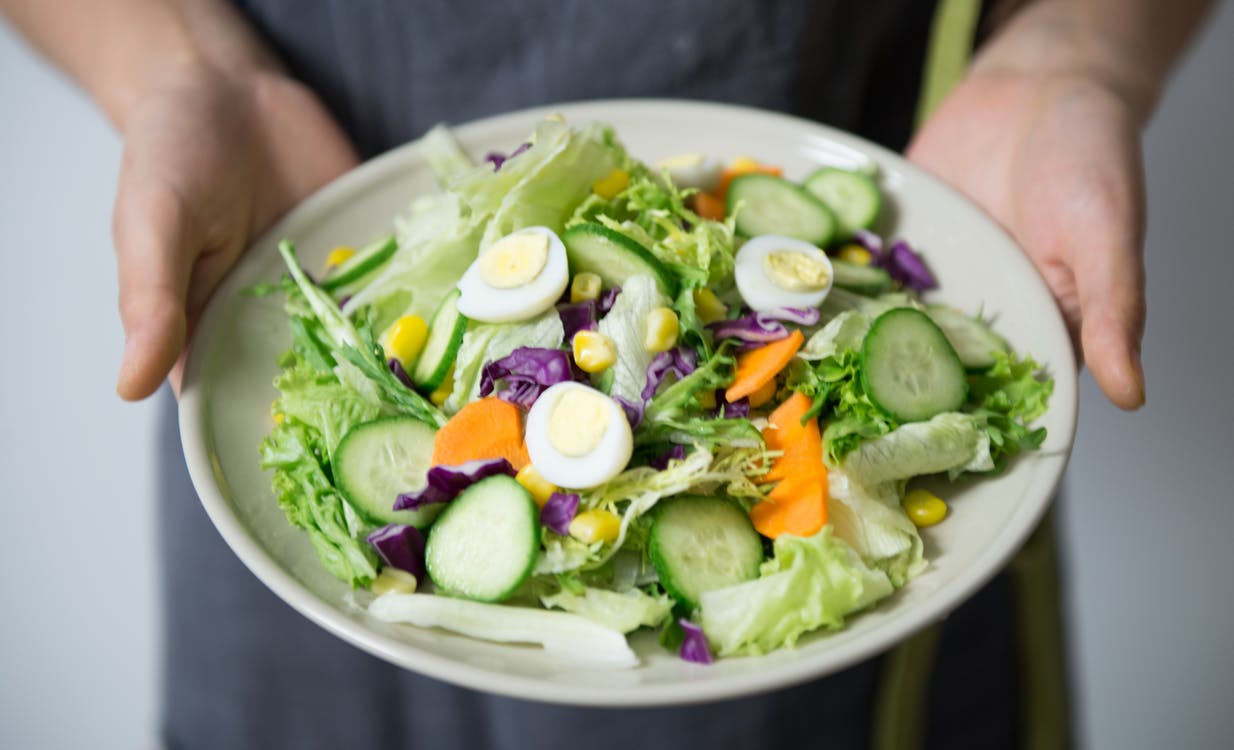
Credit: www.gerdhelp.com
Low Residue Diet Basics
Tuna can be included in a low residue diet due to its low fiber content. This diet focuses on reducing fiber intake to ease digestion. Soft, cooked proteins like tuna are gentle on the digestive system, making them suitable for those following this dietary plan.
If you’re navigating the world of dietary restrictions, the low residue diet might come across as a puzzling concept. Designed primarily to reduce the amount of undigested food passing through your intestines, it is often recommended for people dealing with certain digestive issues. But what exactly does this diet entail, and can you enjoy your favorite foods, like tuna, while adhering to it? Let’s dive into the basics.Purpose And Benefits
A low residue diet is intended to limit the amount of fiber and other substances that add bulk to your stool. It’s often prescribed for individuals who need to rest their digestive tract, such as those with inflammatory bowel disease or during the preparation for certain medical procedures. Reducing fiber intake can help ease symptoms like abdominal pain, diarrhea, and bloating. By minimizing the residue, you allow your digestive system to operate with less stress, potentially promoting faster recovery or improved comfort.Foods To Include And Avoid
On a low residue diet, you’ll want to focus on foods that are low in fiber but still provide essential nutrients. Lean proteins like skinless chicken, eggs, and yes, even tuna can be great options. Tuna is low in fiber, making it a suitable choice, especially if you opt for canned versions packed in water. However, you’ll need to steer clear of whole grains, nuts, seeds, and many raw fruits and vegetables. These foods can add unwanted bulk to your digestive process. Instead, choose refined grains like white bread, white rice, and certain cooked or canned fruits and vegetables without seeds or skin. Adopting a low residue diet can be a practical way to support your digestive health. As you explore your food choices, consider how they align with your dietary needs and preferences. What adjustments can you make today to enhance your comfort and well-being?Nutritional Profile Of Tuna
Tuna is a popular fish known for its rich flavor and health benefits. It is often consumed for its high nutritional value. People on various diets frequently ask about its compatibility. Let’s explore what makes tuna a nutritious choice.
Protein Content
Tuna is packed with protein. This makes it an excellent choice for those needing protein-rich food. A single serving can provide a significant amount of daily protein needs. Protein is essential for muscle repair and growth. For those on a low residue diet, tuna’s low fiber content is beneficial.
Omega-3 Fatty Acids
Tuna is rich in omega-3 fatty acids. These are vital for heart health. They help reduce inflammation and improve brain function. Omega-3s are important for maintaining overall health. Eating tuna can support a healthy heart and brain. A low residue diet can still include this nutrient-rich fish.
Other Nutrients
Tuna contains essential vitamins and minerals. It’s a source of vitamin D, which supports bone health. Selenium in tuna acts as an antioxidant. It helps protect cells from damage. Tuna also offers B vitamins. These are important for energy production and metabolism. Including tuna in your diet can provide these necessary nutrients.
Tuna In Low Residue Diet
A low residue diet reduces undigested food passing through your intestines. It helps manage digestive issues and minimizes bowel movement frequency. Tuna, a lean protein source, often fits well in this diet. Understanding its digestibility and fiber content ensures it aligns with dietary needs.
Digestibility Factors
Tuna is generally easy to digest. Its soft texture and low fiber content make it suitable for sensitive digestive systems. Cooking methods like grilling or baking can further enhance digestibility. Avoid adding spices or sauces that might irritate the gut.
Fiber Content
Tuna contains minimal fiber, a key factor in low residue diets. This makes it an ideal protein choice for reducing intestinal residue. Canned tuna in water or oil is often recommended. Always check labels to ensure no added high-fiber ingredients.
Expert Recommendations
Nutritionists often recommend tuna for those on a low residue diet. It’s rich in essential nutrients and provides a good protein source. Pair it with low-fiber foods like white rice or mashed potatoes. This combination ensures balanced nutrition while maintaining dietary restrictions.
:max_bytes(150000):strip_icc()/a-low-residue-diet-pros-cons-and-what-you-can-eat-5187250-a-cf4fad7253994582a1b68dadd7e335d4.png)
Credit: www.verywellfit.com
Alternatives To Tuna
When following a low residue diet, you might wonder what alternatives are available if tuna is off the menu. You’re not alone in seeking variety and balanced nutrition while adhering to dietary restrictions. Discovering other protein sources can keep your meals exciting and fulfilling.
Other Low Residue Proteins
Not all proteins are created equal, especially on a low residue diet. You have several options that can provide the nutrients you need without upsetting your digestive system.
- Chicken:Opt for skinless, boneless chicken breast. It’s low in fiber and easily digestible.
- Eggs:A versatile choice, eggs can be boiled, scrambled, or poached to suit your taste.
- Fish:While tuna might be questionable, other fish like salmon or cod can be gentle on your stomach.
These alternatives can easily be incorporated into your meals, ensuring you get the protein you need without compromising your diet.
Nutrient Comparisons
It’s crucial to understand how these protein choices stack up nutritionally. Consider what each option brings to the table.
| Protein Source | Calories | Protein (g) | Fat (g) | Fiber (g) |
|---|---|---|---|---|
| Chicken Breast (100g) | 165 | 31 | 3.6 | 0 |
| Eggs (1 large) | 68 | 6 | 5 | 0 |
| Salmon (100g) | 208 | 20 | 13 | 0 |
Does chicken offer more protein than eggs? Yes, but eggs provide healthy fats. Salmon is nutrient-rich but slightly higher in calories. Which nutrient is your priority? Your choice might depend on your dietary goals.
By considering these factors, you can make informed decisions that align with your health needs. Have you tried any of these alternatives? Share your experience in the comments!
Preparing Tuna For Low Residue Diet
Tuna can be eaten on a low residue diet if prepared correctly. Choose canned tuna packed in water to keep fiber low. Avoid adding fibrous ingredients like vegetables or whole grains to maintain the diet’s requirements.
Preparing tuna for a low residue diet can be simple and satisfying. Tuna is a lean source of protein, ideal for those seeking easy-to-digest meals. Avoid additions like seeds, nuts, or raw vegetables which may not fit the diet. Focus on gentle cooking methods and creative serving ideas.Cooking Methods
Grilled tuna offers a flavorful option. Keep the seasoning mild and use a grill pan for easy cleanup. Boiling or steaming is another gentle method. These methods preserve nutrients while keeping the fish tender. Baking tuna is also suitable. Wrap it in foil with a splash of lemon juice for moisture. These methods ensure the fish remains soft and digestible.Serving Suggestions
Serve tuna with mashed potatoes or rice for a filling meal. These sides are gentle on the stomach. Consider incorporating cooked carrots or zucchini. They add color and nutrients without upsetting digestion. A simple tuna salad is another option. Use plain yogurt instead of mayonnaise and add boiled eggs for extra protein. This keeps the dish smooth and easy to digest.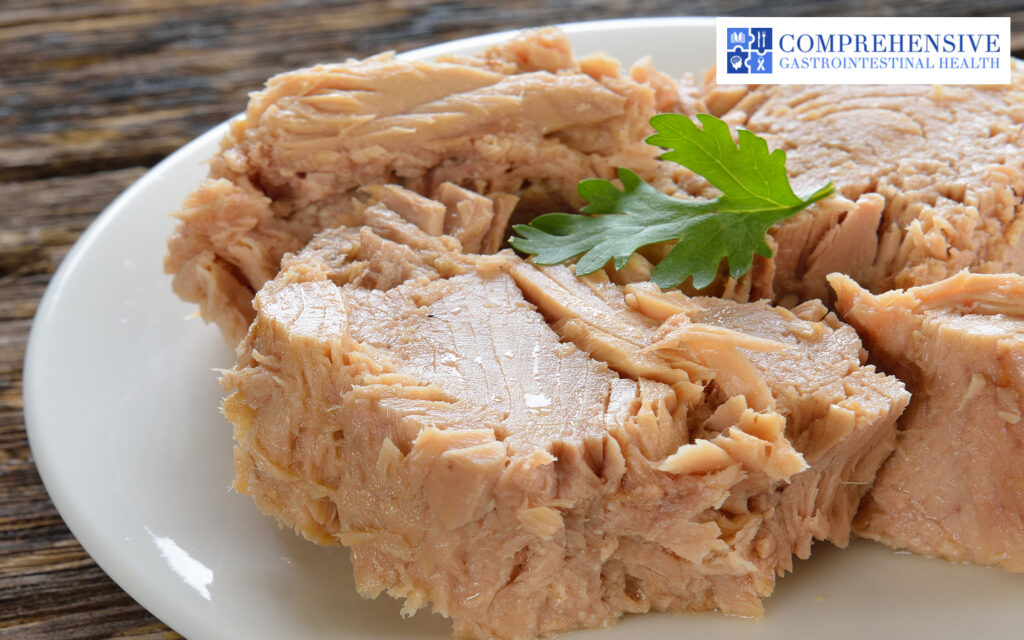
Credit: compgihealth.com
Potential Benefits And Risks
Eating tuna on a low residue diet can provide essential protein with minimal fiber intake. Yet, some canned varieties may contain added ingredients that could irritate sensitive systems. Always check labels to ensure you’re choosing a suitable option.
A low residue diet is often recommended to minimize bowel movement and ease digestion. If you’re considering adding tuna to this diet, it’s crucial to understand its potential benefits and risks. Tuna can be a nutritious choice, but like any food, it comes with its own set of advantages and possible drawbacks. Let’s dive into both aspects to help you make an informed decision.Health Advantages
Tuna is rich in omega-3 fatty acids, which are known for supporting heart health. These healthy fats can help reduce inflammation, which might be beneficial if you have digestive issues. Additionally, tuna is a good source of high-quality protein, essential for muscle repair and growth. A friend of mine once switched to tuna salads during a hectic week and noticed improved energy levels due to its nutrient-dense profile. Low residue diets often limit fiber intake, but tuna naturally fits well into this requirement. It’s a great option if you’re looking for something filling without adding bulk to your digestive tract. Have you considered how easy it is to prepare a simple tuna dish? A can of tuna, mixed with a bit of mayonnaise, can be a quick meal that doesn’t upset your stomach.Possible Drawbacks
While tuna offers multiple benefits, there are risks involved, especially if you consume it excessively. Tuna is known to contain mercury, which can be harmful in large quantities. It’s crucial to balance your tuna intake and perhaps opt for varieties like light tuna, which generally have lower mercury levels. Another concern is the potential for allergic reactions. If you’ve never had tuna before, introduce it slowly into your diet. Pay attention to any signs of discomfort or allergies. How often do you rethink your food choices based on new information? It’s always wise to listen to your body’s responses. Lastly, canned tuna often contains added sodium and preservatives. If you’re on a low residue diet for health reasons, high sodium levels might not be ideal. Consider rinsing canned tuna to reduce sodium content or choose fresh tuna whenever possible. Navigating food choices on a low residue diet can be challenging. By weighing the benefits and risks of tuna, you can decide whether it fits into your dietary plan.Frequently Asked Questions
Is Tuna Allowed On A Low Residue Diet?
Yes, you can eat tuna on a low residue diet. It’s low in fiber and easy to digest. Choose canned tuna in water or fresh tuna. Avoid any added seeds, nuts, or high-fiber ingredients. Always consult your healthcare provider to ensure it fits your specific dietary needs.
How Should Tuna Be Prepared For This Diet?
Prepare tuna simply, with minimal seasoning. Grilling, baking, or steaming are ideal methods. Avoid breading or frying to keep it low residue. Pair it with low-fiber sides like white rice or peeled, cooked vegetables. This ensures easy digestion while meeting dietary requirements.
Can You Eat Canned Tuna On This Diet?
Yes, canned tuna is suitable for a low residue diet. It’s low in fiber and easily digestible. Opt for tuna in water instead of oil for a lighter option. Ensure there are no added high-fiber ingredients in the can to maintain dietary guidelines.
What Are The Benefits Of Eating Tuna?
Tuna is high in protein and contains omega-3 fatty acids. It supports heart health and muscle maintenance. It’s also low in fiber, making it ideal for low residue diets. Enjoy its nutritional benefits while adhering to dietary restrictions for optimal health.
Conclusion
Tuna can fit into a low residue diet if chosen wisely. Opt for canned tuna in water. This option is gentle on the stomach. Avoid added spices or sauces. Simple preparation is key. Eating tuna provides protein. It supports muscle health while being easy to digest.
Always consult with a doctor. This ensures the diet meets your health needs. Stay informed and listen to your body. Adjust your diet as necessary. Enjoy meals that are both tasty and suitable. A well-planned diet can improve comfort and nutrition.