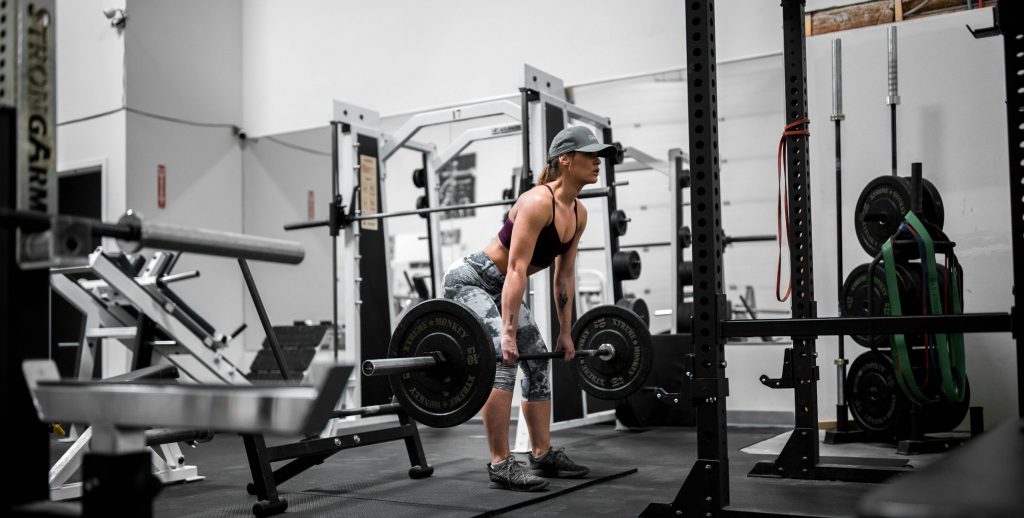
Imagine this: you’ve just finished an intense workout at the gym, feeling energized and accomplished. But then, a worrisome thought crosses your mind—could you have unknowingly picked up HPV from the gym equipment you just used?
Your health is important, and understanding how to protect yourself is crucial. With so many people using the same machines and facilities, it’s a concern that might have crossed your mind before. We will delve into the facts and myths surrounding the transmission of HPV in gym environments.
We’ll provide you with the knowledge you need to keep your workouts both effective and safe. By the end, you’ll feel more confident about how to approach your next gym session without worrying about unwanted health risks. So, let’s get straight to the facts and ease your concerns once and for all.
Credit: www.better2know.co.uk
Hpv Transmission Basics
Understanding the basics of HPV transmission is crucial in assessing your risk, especially in environments like gyms. Human Papillomavirus (HPV) is primarily known for being a sexually transmitted infection, but can it really be contracted from gym equipment? Let’s dive into the fundamental ways HPV spreads and debunk some myths along the way.
Hpv And Skin Contact
HPV thrives in areas where skin-to-skin contact occurs. While sexual contact is the most common mode of transmission, the virus can also spread through skin contact with infected surfaces. Think about how often you touch gym equipment without realizing the risk of exposure. Does this mean every visit to the gym poses a threat?
Surfaces And Hpv Viability
HPV requires living cells to thrive, making it unlikely to survive long on gym surfaces. The virus does not flourish on non-biological surfaces like weights or mats. However, it’s still wise to practice good hygiene. Wiping down equipment before and after use ensures you’re minimizing any risk of contact transmission.
Indirect Transmission Risks
Could you indirectly contract HPV from gym equipment? While the possibility exists, the risk is low. HPV is not easily transferred from surfaces to skin, but sharing towels or personal items can increase risk. Always use your own gym towel and sanitize your hands regularly. These small steps are vital in keeping you safe.
Personal Hygiene Practices
Practicing personal hygiene can greatly reduce the risk of contracting infections like HPV. Regular hand washing and using hand sanitizers help in keeping viruses at bay. Consider the habits you can develop to protect yourself not just from HPV, but other infections too. Are you doing enough?
Myths And Misconceptions
Many misconceptions surround the transmission of HPV. While gym equipment might seem threatening, the reality is less alarming. Understanding these myths can empower you to make informed decisions about your health. Do you believe in any myths that might be affecting your gym routine?
Incorporating these insights into your daily gym practices can ensure you’re not only working out but doing so safely. Remember, knowledge is power, especially when it comes to your health.
Common Myths About Hpv
Misunderstandings about HPV often include the belief that gym equipment can transmit the virus. HPV spreads mainly through skin-to-skin contact, not surfaces like gym equipment.
HPV, or human papillomavirus, often sparks misconceptions. Many people believe incorrect facts. This leads to misunderstandings about transmission and prevention. Let’s clear up some common myths about HPV.Myth: Hpv Can Spread Through Gym Equipment
Some think gym equipment spreads HPV. This is false. HPV spreads through skin-to-skin contact. It doesn’t survive long on surfaces. Gym equipment is not a common way to catch HPV.Myth: Only Promiscuous People Get Hpv
HPV is widespread. Anyone can get it. You can catch it even with few partners. It’s important to practice safe habits.Myth: Hpv Only Affects Women
HPV affects both genders. Men can get it too. It can lead to health problems in men. Vaccination is recommended for everyone.Myth: Hpv Always Leads To Cancer
Not all HPV types cause cancer. Many infections clear up on their own. Only certain types may lead to cancer. Regular screenings can help detect any changes early.Myth: Hpv Is A Rare Virus
HPV is very common. Millions of people have it. Most people will get it at some point. Awareness and prevention are crucial. Understanding these myths helps in better prevention. It also aids in reducing fear and stigma. Awareness and education are key to managing HPV effectively.Gym Equipment And Germs
Gyms are a hub for fitness, but they can also be a breeding ground for germs. Sweat, skin cells, and shared equipment create a perfect environment for bacteria and viruses to thrive. Understanding the types of germs on gym equipment and their survival rates can help you stay safe.
Types Of Germs Found
Gym equipment hosts a variety of germs. Common bacteria include Staphylococcus aureus and E. coli. These can cause skin infections and other health issues. Fungi like yeast are also present, leading to athlete’s foot and other infections. Viruses such as the flu and common cold spread easily on shared surfaces.
Survival Of Viruses On Surfaces
Viruses can live on surfaces for hours or days. The flu virus can survive up to 48 hours on gym equipment. HPV, a concern for many, doesn’t live long outside the body. It needs skin-to-skin contact to spread. Regular cleaning of equipment reduces the risk of virus survival.
Credit: feetfirstclinic.com
Hpv Transmission Via Surfaces
Have you ever wondered if you can catch HPV from gym equipment? The thought might have crossed your mind as you wipe sweat off a shared bench. Human papillomavirus (HPV) is primarily known for being transmitted through intimate skin-to-skin contact. However, it’s natural to be concerned about its transmission via surfaces that many people touch daily, like gym equipment.
Scientific Studies
Recent scientific studies have explored the possibility of HPV transmission through surfaces. Research indicates that the virus can survive on surfaces for a short period. For example, a study found HPV DNA on surfaces like gym mats and towels. However, finding DNA does not necessarily mean the virus is alive or can infect you.
Another study tested the presence of HPV in communal environments and concluded that while the virus can be detected, the likelihood of transmission through surfaces is low. This suggests that although the virus can be present on gym equipment, it’s less likely to cause an infection compared to direct skin contact.
Risk Assessment
Understanding the actual risk of contracting HPV from gym equipment is crucial. The risk is considered low because HPV requires specific conditions to infect new hosts. The virus thrives in warm, moist environments, which is why direct skin contact remains the primary mode of transmission.
Still, it’s wise to take precautions to minimize any risk. Using a personal gym towel, disinfecting equipment before use, and maintaining good personal hygiene can go a long way. By doing so, you reduce your chances of exposure to any germs, not just HPV.
Does this mean you should avoid the gym altogether? Absolutely not! Exercise is vital for your health, and with these simple precautions, you can continue your routine confidently.
Are there other viruses or bacteria you should be more concerned about when using gym equipment? Let us know your thoughts and experiences in the comments below!
Preventive Measures At The Gym
Gym equipment can harbor germs, but contracting HPV this way is unlikely. Regularly sanitize equipment and wash hands to minimize risks. Use personal towels and avoid skin contact with shared surfaces for added protection.
Preventive measures at the gym are essential to minimize the risk of transmitting infections, including HPV. While the gym is a place to boost your physical health, it’s important to remember that shared equipment can harbor germs. By implementing a few simple strategies, you can enjoy a safer workout environment and focus on achieving your fitness goals.Cleaning Protocols
Gyms should have strict cleaning protocols in place to ensure equipment is sanitized regularly. Before using any equipment, check if the gym provides sanitizing wipes or spray. Clean the equipment yourself before and after use, paying special attention to high-touch areas like handlebars and seats. Encourage your gym to display visible cleaning schedules. This transparency can reassure you that the gym prioritizes hygiene. If you notice cleaning supplies running low, inform the staff so they can replenish them promptly.Personal Hygiene Tips
Your personal hygiene plays a crucial role in preventing the spread of germs at the gym. Always carry a clean towel to wipe off sweat from your body and the equipment. Use a separate towel for your face to avoid transferring germs. Consider wearing moisture-wicking clothing to reduce sweat accumulation. This helps keep your skin dry and less prone to irritation or infection. After your workout, avoid lounging in gym clothes; shower and change into clean clothes as soon as possible. Remember, taking these preventive measures not only protects you but also contributes to a healthier environment for everyone at the gym. How do you maintain your hygiene routine at the gym?Expert Opinions
Experts say the risk of getting HPV from gym equipment is low. Direct skin-to-skin contact is the main transmission mode. Proper hygiene and handwashing after workouts can further reduce any potential risk.
When discussing whether you can get HPV from gym equipment, it’s essential to consider the views of health experts. Their insights can help clear up misconceptions and offer a more informed perspective. Let’s dive into what the experts are saying.What Health Professionals Say
Health professionals emphasize that HPV is primarily transmitted through direct skin-to-skin contact. The virus thrives in warm, moist environments, but catching it from surfaces like gym equipment is unlikely. Experts suggest focusing more on personal hygiene practices rather than worrying excessively about gym surfaces.Insights From Dermatologists
Dermatologists often remind us that while HPV can survive on surfaces for a short time, the risk of transmission through gym equipment is minimal. They recommend wiping down machines before use as a precaution. This simple action can reduce the chance of any infection, not just HPV.Research Findings
Recent studies have shown that while HPV DNA can be found on surfaces, the virus typically doesn’t remain infectious for long. This aligns with the expert advice to prioritize good hygiene. Regular handwashing and using personal towels can be effective deterrents.Personal Trainer Perspectives
Personal trainers frequently advocate for using personal gym mats and avoiding contact with shared surfaces as much as possible. They also encourage gym-goers to report any unclean equipment, keeping the environment safer for everyone. Are you taking these precautions during your workouts? It might be time to rethink your gym routine to incorporate these expert tips.
Credit: health.umms.org
Frequently Asked Questions
Can You Get Hpv Non-sexually?
Yes, HPV can spread non-sexually through skin-to-skin contact, shared personal items, or childbirth. Proper hygiene reduces risk.
Can I Get Infections From Gym Equipment?
Yes, gym equipment can harbor germs, leading to infections. Clean equipment before and after use. Always wash your hands and use a towel as a barrier. Avoid touching your face while exercising to reduce infection risk. Regular hygiene practices can help maintain a healthy workout environment.
Is Hpv Transmitted Through Objects?
HPV is primarily transmitted through direct skin-to-skin contact. It is unlikely to be spread through objects. Practicing good hygiene and avoiding sharing personal items can reduce risk.
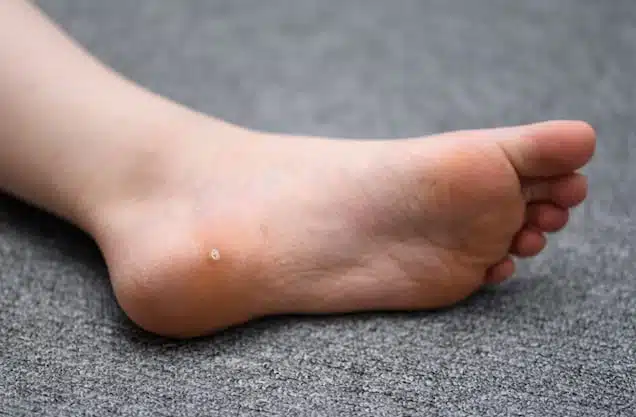
Is It Common To Get Warts At The Gym?
Warts can spread in gyms due to shared surfaces and equipment. They are caused by the human papillomavirus. To reduce the risk, wear flip-flops in showers and clean gym equipment before use. Practicing good hygiene helps prevent warts. Regularly wash your hands and avoid direct contact with infected areas.
Conclusion
Stay cautious in public gyms. HPV risk from equipment is low. Use wipes to clean machines before use. Wash your hands often. Wear flip-flops in locker rooms. Be mindful of hygiene practices. These steps help prevent infection. HPV spreads through skin contact.
Not usually through objects. Prioritize personal safety. Protect yourself with regular health checks. Educate yourself about HPV. Stay informed for better protection. Embrace healthy habits. Keep your gym experience safe and enjoyable. A little care goes a long way. Your health matters.
Stay safe, stay healthy.