Imagine you’re at the gym, pumping iron, and breaking a sweat. You’re feeling great, but then a thought crosses your mind: “Can you really get STDs from gym equipment?”
It’s a question that might surprise you, and one that many people are curious about. Your health is a top priority, and understanding the risks around you is crucial. What you touch matters, especially in shared environments like gyms. You’ll uncover the truth about gym equipment and potential health risks you might not expect.
Read on to find out if your favorite workout spot is as safe as you think. Your peace of mind might just depend on it.
Stds And Their Transmission
Sexually transmitted diseases (STDs) are infections passed through sexual contact. While gym equipment may seem like a potential risk, the reality of transmission is different. Understanding how STDs spread can help clarify misconceptions.
Common Ways Stds Spread
Most STDs spread through direct sexual contact. This includes vaginal, anal, and oral sex. Skin-to-skin contact with an infected area can also transmit STDs. Shared needles for drug use are another common transmission method. Some STDs, like herpes, can spread even without visible symptoms.
Misconceptions About Transmission
Many believe STDs can spread from toilet seats, or gym equipment. The truth is, STDs need specific conditions to survive. They cannot live long outside the human body. Sweat on gym equipment does not transmit STDs. Proper hygiene and cleaning reduce any remote risk.
Gym Equipment Hygiene
When you walk into a gym, your focus is on getting a good workout. But have you ever thought about the cleanliness of the equipment you’re using? Gym equipment hygiene is crucial not just for maintaining your health but also for preventing the spread of germs. You might wonder, can you actually catch something from a gym? Let’s delve into the nitty-gritty of gym cleanliness and what you can do to protect yourself.
Typical Bacteria And Viruses In Gyms
Gyms are bustling places filled with people sweating and breathing heavily. This environment can be a breeding ground for bacteria and viruses. Common culprits include Staphylococcus aureus, which can lead to skin infections, and viruses like the flu. Every time someone touches a machine or drops sweat on it, they leave traces of these germs behind.
Imagine you’re using a treadmill right after someone who didn’t wipe it down. The germs left behind can potentially transfer to your skin. It’s not just about getting sick; it’s also about keeping your skin healthy and irritation-free.
Sanitization Practices
So, what can gyms do to keep their equipment clean? Many gyms have stepped up their sanitization practices. They provide disinfectant sprays and wipes for members to clean equipment before and after use. However, it’s crucial for you to actually use them.
Think about it: each time you wipe down a machine, you’re not just protecting yourself but also the next person who uses it. It’s a small act that can make a big difference. Check if your gym has a regular cleaning schedule for their equipment, and don’t hesitate to ask the staff if you notice something off.
Ask yourself, do you trust that everyone else is as diligent about cleaning as you are? If not, it’s time to take matters into your own hands. Bring your own wipes or hand sanitizer to ensure you’re doing everything you can to stay germ-free.
Remember, staying healthy is not just about exercise; it’s also about keeping your environment clean. So next time you hit the gym, pay attention to hygiene practices. It’s a simple step that can save you a lot of hassle in the long run.
Risk Factors In Gyms
Stepping into the gym often feels like you’re entering a realm of self-improvement, but have you ever considered the hidden risks lurking in this seemingly healthy space? The gym environment, bustling with energy and determination, also has its fair share of potential health hazards. Let’s dive into some of the key risk factors you might encounter in gyms.
Shared Surfaces And Equipment
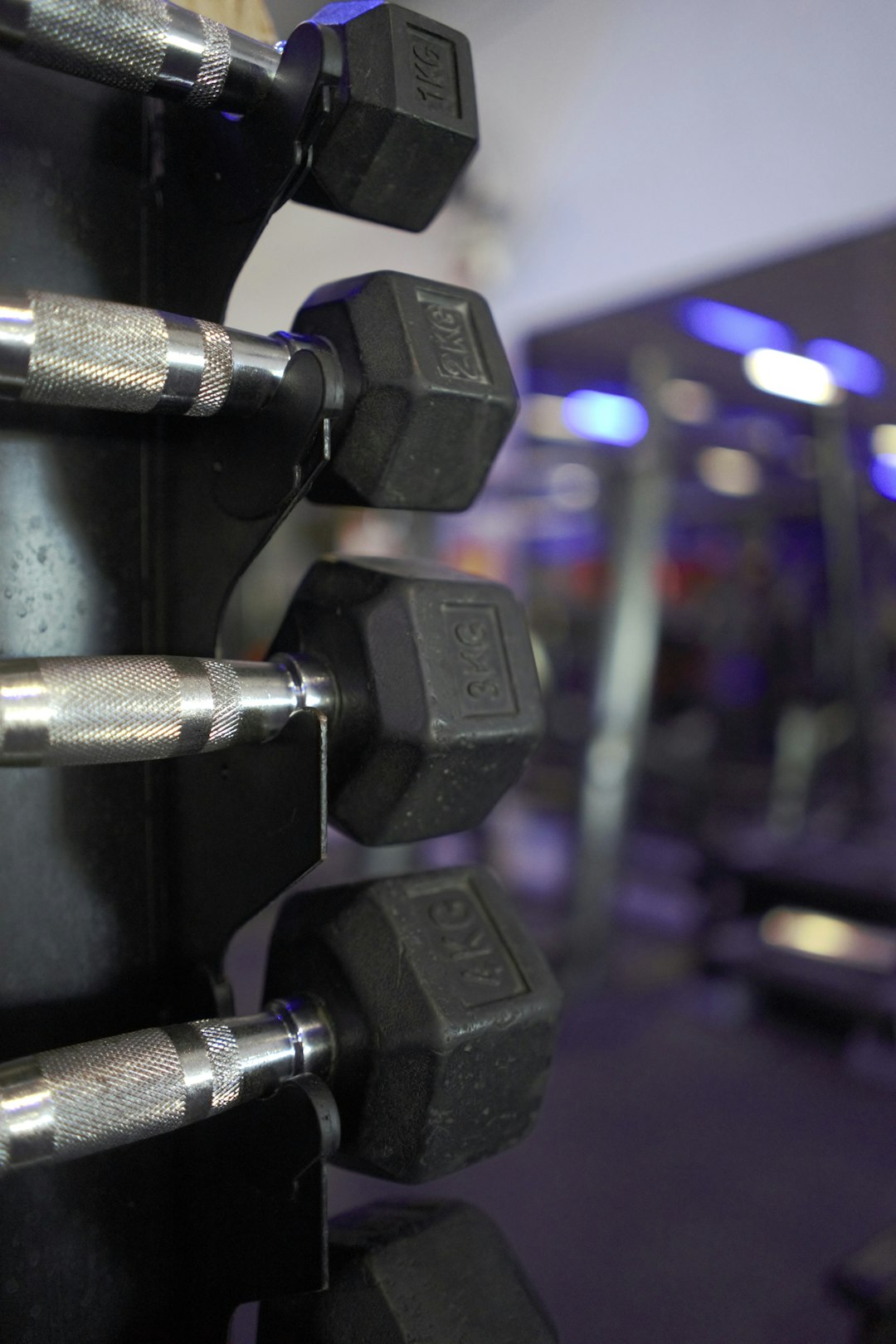
Think about how many people touch the same dumbbell or treadmill handles each day. Shared surfaces and equipment are hot spots for germs. Sweat and skin contact spread bacteria and viruses easily.
Imagine pressing your face against a workout bench that hasn’t been wiped down. The next thing you know, you’re wondering how you caught an unexpected cold. Regular cleaning helps, but it’s not foolproof. Do you trust every gym-goer to wipe down equipment before and after use?
Personal Hygiene And Responsibility
Your hygiene routine plays a critical role in your gym safety. Bring your own towel. Wipe your sweat. Avoid sharing personal items like water bottles.
Consider carrying hand sanitizer. It’s a simple habit that can protect you from unwanted germs. But are you consistently using it after each workout session?
Ultimately, your responsibility extends beyond yourself. Encourage others to maintain hygiene standards. A friendly reminder to a fellow gym-goer can make a difference in everyone’s health.
So, next time you’re in the gym, ask yourself: Are you doing enough to protect yourself and others from the risk factors that lurk in shared spaces?
Research Findings
Research reveals that gym equipment poses minimal risk for transmitting STDs. STDs spread mainly through sexual contact, not surfaces. Maintaining cleanliness and hygiene practices further reduces any potential risk.
When you’re sweating it out at the gym, the last thing on your mind is likely the risk of catching an STD. Yet, this question lingers in the minds of many fitness enthusiasts. Can the equipment you use every day be a carrier of such infections? Research findings shed light on this intriguing topic.Studies On Gym-related Infections
Researchers have explored the potential for infections, including STDs, to spread through gym equipment. Most studies reveal that while gym surfaces can harbor bacteria and viruses, the risk of contracting an STD from equipment is extremely low. Bacteria like staphylococcus are more common, but not typically sexually transmitted infections. A study conducted by a team of microbiologists assessed gym equipment for pathogens. They found various bacteria but concluded that these did not include STDs. This suggests that maintaining good hygiene practices can minimize the risk of any infections.Expert Opinions
Health experts emphasize that direct skin contact is usually needed to contract an STD. This means using gym equipment, even if not perfectly clean, is unlikely to transmit such diseases. Dr. Jane Thompson, a renowned infectious disease specialist, states that “STDs require intimate contact, making it improbable to catch them through gym machines.” Experts recommend wiping down equipment before and after use. This simple step ensures that you and others maintain a safer environment. Have you ever noticed the hygiene stations scattered around your gym? Their presence is a testament to the importance of cleanliness. Have you ever wondered if the person sweating on the treadmill before you could pass something more than just their workout vibes? While the thought might be unsettling, research and expert opinions provide reassurance. It’s essential to keep the gym a place for health, not worry. Next time you grab those weights or hop on the bench, remember you’re in a shared space. Your actions, like wiping down equipment, can contribute to everyone’s safety. Does this information change the way you view your next gym session? How do you plan to adjust your hygiene habits to ensure a safer workout for yourself and others?Preventive Measures
Wiping down gym equipment before use reduces the risk of germs. Use personal towels and sanitizers for extra safety. Practicing good hygiene is key to preventing potential infections.
When you hit the gym, your focus is usually on improving your health and fitness. But did you know that gym equipment can harbor germs, including those that cause sexually transmitted diseases (STDs)? While the risk of contracting STDs from gym equipment is low, it’s not impossible. Taking simple preventive measures can protect your health and give you peace of mind during your workout sessions. Let’s explore some practical strategies to keep you safe.Effective Cleaning Strategies
Regular cleaning of gym equipment can significantly reduce the risk of germ transmission. Consider carrying disinfectant wipes or a small spray bottle of antibacterial cleaner with you. Before and after using machines, wipe down surfaces like handlebars and seats. Check if your gym has a cleaning protocol in place. Many facilities provide sanitizing stations. If yours doesn’t, speak to the staff about the importance of hygiene. A clean gym benefits everyone. Sometimes, just observing can be revealing. Is the equipment visibly dirty? Are cleaning supplies available and easily accessible? Your observations can guide how you engage with the equipment.Personal Protective Practices
Using a personal towel acts as a barrier between you and shared surfaces. Lay it down on benches or seats before you sit or lie down. This simple step can make a big difference. Wearing gym gloves is another effective measure. They protect your hands from direct contact with equipment that might not be sanitized properly. What about your gym clothes? Ensure they cover as much skin as possible. Tight-fitting clothes may not just be fashionable; they help reduce skin contact with equipment. Consider your post-workout routine. Showering immediately after exercising removes any germs you might have picked up. Also, wash your gym clothes after each use to prevent bacteria buildup. Small habits can lead to big health benefits. What preventive measures will you take next time you visit the gym? Your health is in your hands—quite literally.Debunking Myths
When you enter the gym, you might wonder if touching equipment can expose you to STDs. It’s a common concern, but let’s unravel the truth behind it. Understanding what really poses a risk can put your mind at ease and allow you to focus on your fitness journey without unnecessary worries.
Common Misunderstandings
Many people believe that gym equipment can transmit STDs due to shared use. This is a misunderstanding. STDs typically spread through direct sexual contact, not surfaces like dumbbells or treadmills.
Think about your own gym routine. Have you ever caught a cold from a weight bench? The truth is, while germs can linger, STDs don’t survive long outside the human body. They need specific conditions to transmit.
Let’s clear up another misconception: sweat isn’t a carrier of STDs. You might see sweaty equipment and worry, but sweat doesn’t spread these infections. It’s the bodily fluids involved in sexual contact that do.
Educating Gym-goers
So, how can you protect yourself and feel confident while working out? Start by maintaining good hygiene practices. Use a towel on benches and wipe down equipment before and after use.
Consider this: when you clean equipment, you’re not just safeguarding yourself from germs, but also showing courtesy to others. It creates a healthier environment for everyone.
Another tip is to wash your hands thoroughly after your workout. This simple step can prevent a host of infections and keep you healthy. It’s a habit worth adopting for your overall well-being.
Have you ever shared your concerns with other gym-goers? Opening up conversations can help dispel myths and educate others. Imagine the impact you can have by sharing factual information and encouraging hygienic practices.
Ultimately, ask yourself: are my fears based on facts or myths? Understanding the reality of STD transmission can transform your gym experience, allowing you to focus on what matters most—your health and fitness goals.
Frequently Asked Questions
Can Stds Be Transmitted Through Gym Equipment?
STDs are unlikely to be transmitted through gym equipment. They primarily spread through sexual contact. Always clean equipment before use to avoid other infections.
Can I Get Infections From Gym Equipment?
Yes, gym equipment can harbor bacteria and viruses. Clean surfaces before use and wash hands after workouts to reduce infection risk. Use personal towels and avoid touching your face during exercise for added protection. Regular cleaning by gym staff also helps maintain hygiene.
Can You Catch Hpv From Gym Equipment?
HPV transmission via gym equipment is highly unlikely. It spreads through direct skin-to-skin contact. Maintain personal hygiene by using towels and sanitizers to minimize risk.
What’s The Easiest Std To Catch?
Chlamydia is one of the easiest STDs to catch. It spreads through vaginal, anal, or oral sex. Regular testing and safe sex practices help prevent its transmission. Always use protection and communicate with partners to reduce risk.
Conclusion
Staying healthy at the gym is important. But fear of STDs shouldn’t stop you. Gym equipment carries low risk for STD transmission. Proper hygiene helps keep you safe. Wipe down machines before and after use. Use personal towels and wear appropriate gym attire.
Wash your hands frequently during workouts. These habits reduce risks and keep you healthy. Understanding gym cleanliness eases worries. Focus on your fitness goals with confidence. Enjoy your workouts, stay informed, and practice good hygiene. Fitness should be fun and stress-free.
Your health is in your hands.