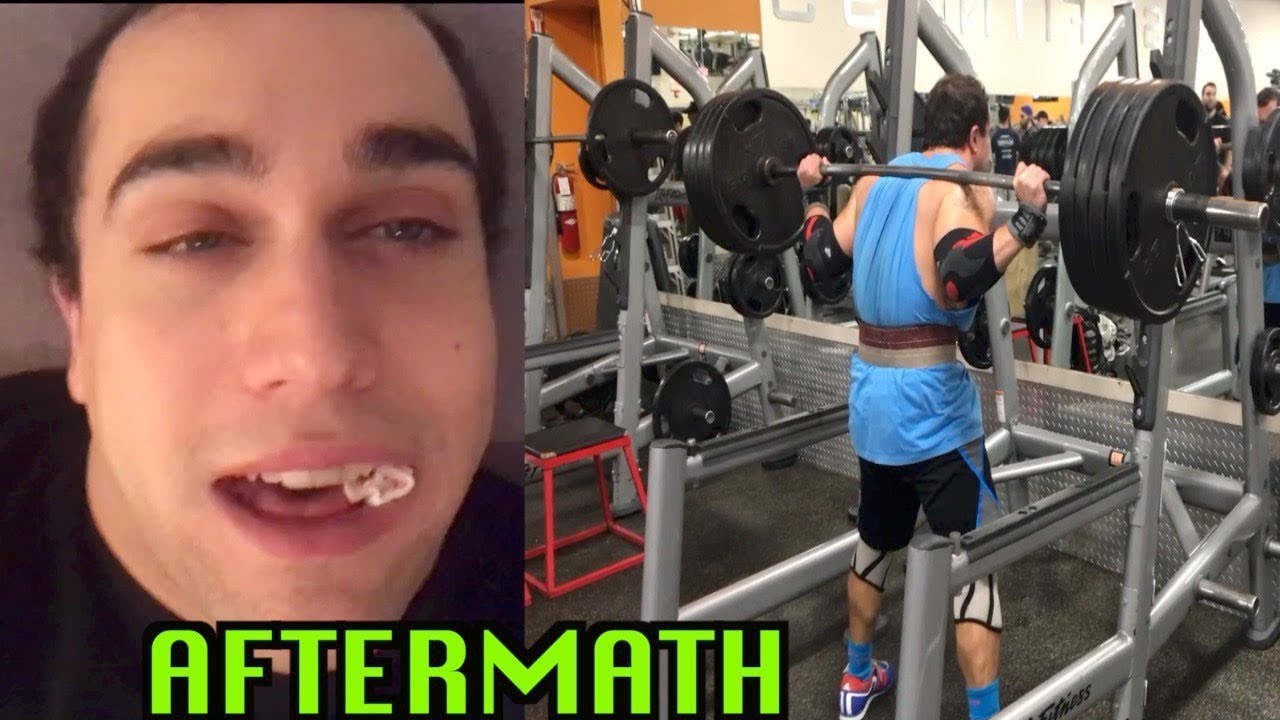
After the extraction of your wisdom teeth, you might find yourself eager to return to your normal routine, including hitting the gym. But is it a good idea to jump back into your workout regimen so soon?
The urge to stay active can be strong, especially if fitness is a key part of your life. However, understanding how exercise can affect your recovery is crucial. Imagine being able to heal faster and avoid unnecessary pain or complications simply by knowing the right steps to take.
By reading on, you’ll discover essential tips to ensure your recovery is smooth and your return to the gym is as safe as possible. Let’s explore how you can maintain your fitness goals without compromising your health.
Credit: martindaledental.com
Recovery Process
After wisdom teeth removal, waiting a few days before returning to the gym is essential. Strenuous activities may increase bleeding and delay healing. Always consult your dentist for personalized advice.
The recovery process after wisdom teeth removal requires patience and care. Understanding the healing journey helps manage expectations and eases concerns about resuming activities like gym workouts. This section explores the healing timeline and common symptoms to guide your recovery.Healing Timeline
The first week is crucial for healing. Swelling and discomfort peak in the initial days. By day four, these symptoms start to decrease. Most people see significant improvement by the end of the first week. Avoid strenuous activities, including gym workouts, during this period. Full recovery typically spans two to four weeks. Follow your dentist’s advice for a smooth recovery.Common Symptoms
Expect swelling and pain at the extraction site. These are common and usually diminish over several days. Bruising may appear on the cheeks or neck. It’s a normal part of healing. Bleeding can occur within the first 24 hours. Use gauze pads to control it. Stiffness in the jaw is common and eases gradually. Eat soft foods to minimize discomfort. Look out for signs of infection, like fever or pus. Contact your dentist if you notice these.
Credit: www.youtube.com
Physical Activity Guidelines
Recovering from wisdom teeth removal can leave you wondering about the right time to get back to your gym routine. While exercise is crucial for maintaining overall health, it’s essential to follow specific guidelines to ensure a smooth recovery. Let’s explore the best practices for reintroducing physical activity after your procedure.
Initial Rest Period
After your wisdom teeth removal, it’s crucial to prioritize rest. Your body needs time to heal, and engaging in physical activity too soon can increase swelling and bleeding. Most dentists recommend avoiding any strenuous activity for at least 48 to 72 hours post-surgery.
During this period, focus on activities that promote relaxation and healing. Gentle walking around your home or light stretching can help keep your body active without straining your recovery. Listen to your body, and don’t rush into anything that feels uncomfortable.
Gradual Reintroduction
Once the initial rest period is over, you can start reintroducing physical activity gradually. Begin with low-impact exercises such as walking or using a stationary bike. These activities help get your blood flowing without putting too much pressure on your healing gums.
As you feel more comfortable, slowly increase the intensity and duration of your workouts. Pay attention to any signs of discomfort or swelling, as this might indicate you’re pushing yourself too hard. Always keep in mind that your recovery timeline might be different from someone else’s.
Have you ever considered how even minor changes, like monitoring your heart rate, can aid in a safer return to your gym routine? Staying mindful of your body’s signals is key to a successful recovery.
Risks Of Exercising Too Soon
Exercising right after wisdom teeth removal can lead to complications like increased bleeding and swelling. It’s vital to allow your body time to heal before returning to the gym. Consult your dentist for guidance on when it’s safe to resume physical activities.
Getting back to the gym after having your wisdom teeth removed can be tempting. You might be eager to resume your routine and feel the endorphin rush. However, jumping back into exercise too soon can lead to unexpected setbacks. Understanding the risks involved can help you make a more informed decision about when to lace up those sneakers again.Potential Complications
Exercising shortly after wisdom teeth removal can cause several complications. One of the most significant risks is the possibility of dislodging the blood clot in the extraction site, leading to a painful condition known as dry socket. This can delay healing and cause intense pain that might require further treatment. Another risk is increased swelling and bleeding. Physical exertion raises your blood pressure, which can exacerbate swelling in the surgical area and restart bleeding. This not only prolongs recovery but can also increase discomfort, making it harder to get back to your regular workout routine.Warning Signs
Pay attention to your body’s signals if you decide to exercise after the procedure. Warning signs like excessive bleeding, severe pain, or prolonged swelling should not be ignored. If you notice any of these, it might be wise to rest and consult your oral surgeon for advice. Your body can sometimes communicate in subtle ways. Feeling dizzy or overly tired can also be a sign that you are pushing yourself too hard. Ask yourself if getting back to the gym is worth risking your recovery. Listening to your body can prevent complications and ensure a smoother healing process. Taking care of your health should always be a priority. By understanding the risks and recognizing the warning signs, you can make a smart decision about when to return to the gym. How will you ensure a balance between staying active and allowing your body the time it needs to heal?Safe Exercise Options
After wisdom teeth removal, gentle exercises like walking or stretching are safe. Avoid intense workouts to prevent complications. Gradually increase activity levels as healing progresses.
After wisdom teeth removal, exercising needs careful consideration. Your body requires time to heal. High-impact activities can hinder recovery. Focusing on safe exercise options is crucial. These activities ensure minimal strain and support healing.Low-impact Activities
Low-impact exercises are gentle on the body. Walking is a great choice. It’s easy and promotes circulation. Swimming is another option. It provides a full-body workout. Water supports your weight. Cycling is ideal too. It strengthens muscles without stress. These activities keep you active and promote healing.Breathing Exercises
Breathing exercises calm the body. Deep breathing relaxes muscles and aids recovery. Try inhaling deeply through the nose. Hold for a few seconds. Exhale slowly through the mouth. Repeat this process several times. It helps reduce stress and aids healing. Controlled breathing can also improve focus. It’s a simple way to enhance recovery.Consulting Healthcare Providers
After wisdom teeth removal, knowing when and how to safely return to the gym is crucial for your recovery and overall well-being. Consulting healthcare providers offers tailored advice that can make all the difference. Whether you’re eager to lift weights or just want to get back on the treadmill, listening to professional guidance ensures you don’t compromise your healing process.
Advice From Dentists
Dentists are your first point of contact post-surgery. They can offer specific advice on when you can resume physical activity. After my wisdom teeth removal, my dentist recommended waiting at least a week before hitting the gym.
This timeline can vary based on your individual healing process. Dentists can guide you on recognizing signs that you’re ready to safely exercise again, such as reduced swelling and minimal discomfort.
What did your dentist say about physical activity post-surgery? It’s worth asking for guidelines tailored to your recovery.
Role Of Fitness Experts
Fitness experts can also play a pivotal role in your return to exercise. They can help design a workout plan that accommodates your recovery needs, focusing on low-impact exercises initially.
After consulting with a fitness trainer, I learned the importance of modifying routines to avoid straining the jaw area. Exercises like light walking or gentle stretching can help maintain your fitness without hindering healing.
Are you wondering how to adjust your workouts post-surgery? A fitness expert can provide insights tailored to your unique situation.

Credit: www.vividsmiles.com
Nutrition And Hydration
Recovering from wisdom teeth removal requires careful attention to nutrition and hydration. Prioritize soft foods and plenty of fluids to support healing. Postpone gym sessions until fully recovered to prevent complications.
After having your wisdom teeth removed, you might be eager to hit the gym again. However, focusing on nutrition and hydration plays a crucial role in your recovery process. Proper diet and fluid intake can significantly impact how quickly you heal and feel ready to get back to your workout routine.Dietary Recommendations
Eating the right foods post-surgery is essential. Stick to soft foods like yogurt, smoothies, and mashed potatoes. These are easy to eat and won’t irritate the surgical site. Avoid hot, spicy, and crunchy foods. They can cause discomfort and delay healing. Including nutrient-rich foods helps your body repair itself faster. It’s also important to maintain a balanced diet. Even though your food choices are limited, try to get proteins, vitamins, and minerals. This will support your immune system and energy levels.Importance Of Hydration
Hydration is key in your recovery journey. Drinking plenty of water helps your body heal faster and reduces the risk of complications. Steer clear of straws and carbonated drinks. The suction can dislodge the blood clot, leading to a painful dry socket. Make it a habit to sip water frequently throughout the day. This not only aids in recovery but also keeps you energized and ready for when you can return to the gym. Remember, how you fuel your body after surgery can make a big difference. Are you giving your body what it needs to bounce back stronger?Mindful Fitness Practices
Exercising after wisdom teeth removal requires caution. Light activities like walking are generally safe. Avoid intense gym workouts to prevent complications.
Mindful fitness practices are crucial after wisdom teeth removal. This period demands patience and understanding of your body’s needs. While eager to return to the gym, it’s essential to adopt a gentle approach. Prioritize healing and avoid activities that might disrupt recovery. Embrace exercises that support your body rather than hinder it.Listening To Your Body
Pay attention to how your body feels post-surgery. Rest is vital during initial recovery days. Pain or discomfort signals the need for more rest. Let your body guide your activities. If swelling persists, postpone gym sessions. Taking breaks aids healing. Notice any changes in energy levels or discomfort. Adjust your routine accordingly.Adapting Workouts
Modify workouts to suit your healing stage. Begin with low-impact exercises. Walking or gentle stretching can be beneficial. Avoid lifting heavy weights or intense cardio initially. Focus on exercises that maintain flexibility and circulation. Gradually increase intensity as healing progresses. Consult your dentist or surgeon for personalized advice. They can suggest appropriate activities based on your condition.Frequently Asked Questions
How Long After Wisdom Teeth Removal Can You Workout?
Wait 2-3 days before resuming light exercise after wisdom teeth removal. Avoid strenuous workouts for at least a week to prevent complications. Always consult your dentist for personalized advice and ensure proper healing. Following these guidelines helps in reducing swelling and promoting recovery.
Can I Exercise After Wisdom Teeth Removal?
It’s best to rest after wisdom teeth removal. Avoid strenuous activities like gym workouts for at least 48 to 72 hours. This helps prevent bleeding and promotes healing. Always follow your dentist’s advice on when to resume exercise.
When Can I Resume Gym Workouts Post-surgery?
Typically, you can return to the gym after 3 to 5 days. Start with light exercises and gradually increase intensity. Listen to your body and avoid any activities that cause discomfort or pain. Consult your dentist for personalized guidance.
What Risks Are There With Early Gym Sessions?
Exercising too soon after surgery can increase bleeding risk. It may also delay healing and cause pain or swelling. Stick to gentle activities, like walking, and avoid heavy lifting or intense workouts until you are fully recovered.
Conclusion
Deciding when to return to the gym post-wisdom teeth removal requires caution. Listen to your body. Pain or discomfort means it’s best to rest. Light activities like walking can aid recovery. But avoid heavy lifting or intense workouts. Consult your dentist for personalized advice.
Healing times vary. Some people recover quickly. Others need more time. Prioritize your health and safety. Gradually ease back into your fitness routine. A slow return helps prevent complications. Remember, it’s okay to take it easy. Your health comes first.
Proper care ensures smooth healing. Stay patient and give yourself the time needed.