Are you trying to stick to a low carb diet but missing your favorite bowl of rice? You’re not alone.
Many people struggle with the idea of giving up rice when they decide to cut down on carbs. After all, rice is a staple in so many delicious dishes. But here’s the intriguing part: you might not have to say goodbye to rice entirely.
We’re going to explore whether you can enjoy rice while still maintaining your low carb goals. Imagine savoring your meals without feeling guilty or derailing your diet. Keep reading, because the answer might surprise you and change the way you think about your low carb journey.
Low Carb Diet Basics
Understanding the basics of a low carb diet is essential if you’re considering making a lifestyle change. Many people adopt this diet to shed pounds, boost energy, or improve overall health. But what does it truly entail? Let’s break down the foundational elements of a low carb diet, so you can decide if it’s the right path for you.
Definition And Goals
A low carb diet focuses on reducing carbohydrate intake while increasing protein and healthy fats. The primary goal is to shift your body’s energy source from carbs to fats. This often leads to weight loss and improved metabolic health.
Instead of relying on bread, pasta, and sugar for energy, you consume more vegetables, meats, and nuts. Some people aim to eat less than 50 grams of carbs per day, while others may have slightly higher limits. What’s your target?
Common Foods To Avoid
To succeed with a low carb diet, you must know which foods to avoid. Common culprits include sugary drinks, white bread, and pastries. These foods are high in carbs and can derail your progress.
Rice, a staple in many diets, also falls into the high-carb category. It might surprise you, but a single cup of cooked rice contains around 45 grams of carbs. Consider alternatives like cauliflower rice if you’re craving that texture.
Many people find it challenging to give up traditional carbs. It can be tough at first, but there are plenty of tasty low-carb options out there. What will you choose to swap out from your diet?

Credit: www.facebook.com
Rice Nutritional Profile
Rice is a staple in many diets around the world. But what about its nutritional profile? Understanding rice’s nutritional content is key, especially for those on a low carb diet. Let’s explore its carbohydrate content and the differences among rice varieties.
Carbohydrate Content
Rice contains a significant amount of carbohydrates. In a single cup of cooked white rice, there are about 45 grams of carbs. Brown rice has a similar carbohydrate content. The carb count makes rice a high-carb food. Those on a low carb diet often limit rice. Yet, rice also offers essential nutrients. It’s important to weigh these factors when planning meals.
Varieties And Their Differences
Rice comes in several varieties, each with unique traits. White rice is the most common. It’s processed, removing the bran and germ layers. This makes it softer but also less nutritious. Brown rice retains its bran and germ layers. This gives it more fiber and nutrients. Wild rice, while not a true rice, offers a nutty flavor. It contains fewer carbs than white or brown rice. Basmati and jasmine rice are aromatic types. They have different textures and flavors but similar carb counts.
Choosing the right rice variety depends on your dietary needs. Some may prefer the nutritional benefits of brown or wild rice. Others may prioritize taste or texture.
Rice On Low Carb Diet
Embarking on a low carb diet doesn’t mean giving up rice entirely. While rice is a staple in many cuisines, it often raises concerns due to its carb content. Understanding how rice can fit into a low carb plan is key. With smart choices, rice can still be part of your meals.
Is Rice Compatible?
Rice is typically high in carbohydrates, posing a challenge for low carb diets. White rice contains more carbs compared to brown rice. Brown rice offers more fiber, making it a better choice. Some may opt for cauliflower rice as a low carb alternative. This vegetable-based option mimics rice texture and reduces carb intake.
Portion Control Strategies
Portion control helps manage carb intake effectively. Limit rice servings to half a cup per meal. Pairing rice with protein and vegetables balances your plate. This strategy helps maintain lower carb levels while enjoying rice. Measuring portions ensures you stay within your dietary goals.
Alternatives To Rice
Rice is a staple in many diets, but if you’re trying to cut carbs, it might be on your no-go list. Don’t worry, though! There are plenty of alternatives that keep your meals tasty and satisfying without the carb overload. These substitutes can help you maintain your low-carb lifestyle while enjoying the flavors you love.
Low Carb Options
Wondering what to eat instead of rice? Here are some great low-carb options:
- Cauliflower Rice:It’s easy to make and packs a punch of nutrients. Just grate or process cauliflower and sauté it for a rice-like texture.
- Shirataki Rice:Made from konjac plant, it’s almost carb-free and absorbs flavors well, making it a versatile choice.
- Cabbage Rice:Finely chopped cabbage can be a surprising substitute. It might sound odd, but it pairs wonderfully with Asian dishes.
- Broccoli Rice:Similar to cauliflower rice, broccoli rice can be a colorful addition to your plate and is loaded with vitamins.
Nutritional Comparisons
Choosing the right alternative depends on your nutritional needs. Here’s how they stack up:
| Option | Calories (per 100g) | Carbs (per 100g) | Fiber (per 100g) |
|---|---|---|---|
| Cauliflower Rice | 25 | 5g | 3g |
| Shirataki Rice | 10 | 1g | 3g |
| Cabbage Rice | 27 | 6g | 2g |
| Broccoli Rice | 34 | 7g | 3g |
Have you ever tried these alternatives? You might be surprised by how much they resemble rice in texture and taste. What’s your favorite low-carb swap?
The key is to experiment and find what suits your palate best. You don’t have to sacrifice flavor for your dietary goals. Embrace these options and enjoy the variety they bring to your meals!
Balancing Carbs In Your Diet
Balancing carbs is essential for a low carb diet. Rice can fit into this diet if consumed in moderation. Choose whole-grain or brown rice for fewer carbs and more fiber.
Balancing carbs in your diet doesn’t mean giving up rice entirely. Many wonder if rice fits into a low-carb lifestyle. With thoughtful choices, rice can still be part of your meals. Understanding how to balance carbs is key. It involves making smart choices and knowing your body’s needs.Incorporating Rice Wisely
Choose rice types with lower carb content. Brown rice and wild rice have more fiber. Fiber helps manage carb intake. Portion control is crucial. Small servings can keep carb levels in check. Pair rice with protein and vegetables. This combination balances your plate. Cooking methods matter too. Boiled rice is better than fried. It retains fewer oils and added carbs.Understanding Carb Tolerance
Everyone’s carb tolerance is different. Some can eat more without issues. Others need to be cautious. Testing your tolerance helps find the right balance. Start with small portions. Gradually increase if your body responds well. Listen to your body’s signals. Feel full or sluggish? Adjust the carbs accordingly. Keep track of your meals. Note how you feel after eating rice. This practice helps understand your limits.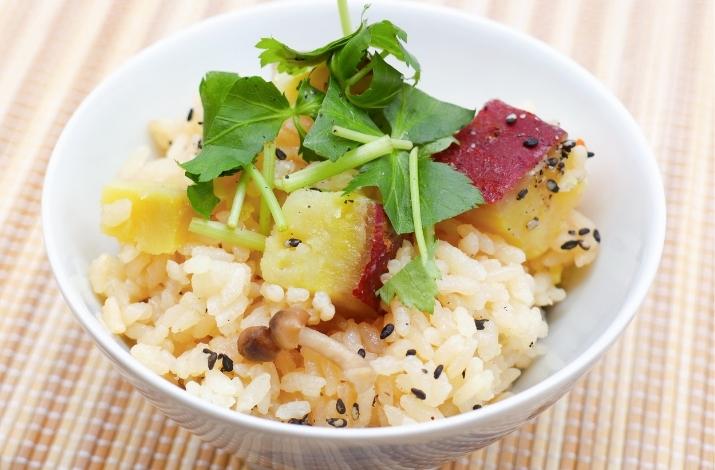
Credit: gethlth.com
Expert Opinions
Rice often poses a challenge for those on a low carb diet. Experts suggest alternatives like cauliflower rice to maintain flavor without the carbs. Small portions of rice can be included occasionally, depending on individual dietary goals and health conditions.
When considering a low-carb diet, rice often comes up as a point of contention. Some believe it’s an absolute no-go, while others argue that moderation is key. To shed light on this topic, it’s essential to hear from the experts. Let’s explore what dietitians and researchers have to say about including rice in a low-carb diet. Their insights might just surprise you.Dietitian Insights
Many dietitians acknowledge that rice, particularly white rice, is high in carbohydrates. However, they also stress the importance of balance. Jasmine, a registered dietitian, shares that incorporating smaller portions of rice can be part of a healthy diet. She recommends choosing whole grain options like brown rice or wild rice due to their higher fiber content. This way, you can satisfy your rice cravings without derailing your diet goals. Did you know that even substituting rice with cauliflower rice can still give you that texture you love while keeping carbs low?Research Findings
Recent studies offer a nuanced perspective on rice and low-carb diets. Research indicates that the glycemic index of rice can vary. This means some types may cause a rapid spike in blood sugar, while others have a slower impact. A study published in the Journal of Nutrition found that black rice and red rice have more antioxidants and a lower glycemic response compared to white rice. This suggests that not all rice is created equal when it comes to managing carbs. Have you ever considered experimenting with different types of rice to see how your body reacts? It might be worth a try. — By understanding these expert opinions, you can make informed decisions about your diet. It’s not about completely eliminating foods you love but finding a way to enjoy them responsibly. What would your perfect low-carb rice dish look like?Personalizing Your Diet
Personalizing your diet is essential for success. Everyone’s body and lifestyle differ. A one-size-fits-all approach rarely works. Understanding your unique needs can lead to better results. Rice, on a low-carb diet, can be tricky. But with careful planning, you can still enjoy it. The key is to personalize your approach.
Listening To Your Body
Listen to your body’s signals. It knows what it needs. Pay attention to hunger and fullness cues. Notice how your body reacts to different foods. Eating rice? Monitor your energy levels and mood. This helps in making informed choices. Everyone reacts differently to carbs. Some may feel sluggish, others energized. Your body’s response should guide your decisions.
Adapting To Your Lifestyle
Your lifestyle impacts your diet choices. Busy schedules may require quick meals. Rice can be a convenient option. Balance it with low-carb ingredients. Consider your activity level. Active individuals may need more carbs. Find what fits your routine best. Experimenting with meal timing can help. Some prefer rice post-workout. Others may enjoy it at dinner. Adjusting your diet to fit your life makes it sustainable.

Credit: www.healthline.com
Frequently Asked Questions
Is There Any Kind Of Rice You Can Eat On A Low-carb Diet?
You can eat cauliflower rice or shirataki rice on a low-carb diet. Both are low in carbs and calories, making them a great alternative to traditional rice. These options help you maintain a low-carb lifestyle while enjoying rice-like textures in meals.
What Is The Number One Carb To Avoid?
Refined carbohydrates, like white bread and pastries, should be avoided. They can spike blood sugar levels. Opt for whole grains instead to maintain energy and health.
Can I Eat A Potato On A Low-carb Diet?
Potatoes are high in carbs and typically not recommended for strict low-carb diets. Consider alternative low-carb vegetables like cauliflower or zucchini. They provide essential nutrients while maintaining low carbohydrate levels, making them suitable for low-carb meal plans. Always check your diet plan specifics for carb allowances.
What’s The Worst Carb For Belly Fat?
Refined carbs like white bread and sugary drinks are the worst for belly fat. They spike blood sugar levels, leading to increased hunger and fat storage. Opt for whole grains and fiber-rich foods to reduce belly fat. Avoid processed carbs for better weight management and overall health.
Conclusion
Balancing rice on a low-carb diet is possible. Choose wisely. Opt for smaller portions or low-carb alternatives like cauliflower rice. Monitor your intake to stay within your carb limits. Experiment with different recipes to enjoy variety. Remember, moderation is key to maintaining your diet goals.
Focus on overall dietary balance for health benefits. Each person’s needs are unique, so listen to your body. Adjust as needed. Enjoy your meals while keeping carb intake in check. This approach helps maintain a healthy lifestyle. Your journey to a balanced diet is achievable with mindful choices.