Are you looking to make the most out of your Flexible Spending Account (FSA)? You’ve probably wondered if you can pay for your gym membership with it.
It’s a smart thought—after all, combining health-conscious choices with financial savvy is always a win. But is it possible? You’re about to uncover the truth behind this intriguing question. We’ll break down everything you need to know, so you can make informed decisions about your health and wellness spending.
Get ready to discover the secrets that can save you money and enhance your fitness journey. Keep reading to find out whether your gym membership can become a tax-free expense!
Fsa Basics
Understanding the basics of a Flexible Spending Account (FSA) can open doors to smarter financial decisions, especially when it comes to managing health-related expenses. You might be wondering if an FSA can help cover your gym membership. Before diving into that, let’s explore what an FSA actually is and how it works.
What Is An Fsa?
An FSA, or Flexible Spending Account, is a special account you can use to pay for certain out-of-pocket health expenses. It’s often offered by employers as part of a benefits package. You contribute a portion of your salary to the account before taxes are deducted, which means your taxable income is reduced.
This pre-tax contribution is a key advantage, as it lowers your overall tax burden. However, FSAs come with a “use it or lose it” policy. If you don’t spend the money within the plan year, you risk losing it. So, planning how to use your FSA funds is crucial.
How Fsas Work
FSAs are pretty straightforward. You decide how much money to set aside for the year, based on your expected healthcare needs. This amount is then deducted from your paycheck in equal installments.
Throughout the year, you can use the funds in your FSA to pay for eligible medical expenses. This includes things like copayments, deductibles, and even some over-the-counter medicines. However, not all health expenses are covered, so it’s important to check what’s eligible.
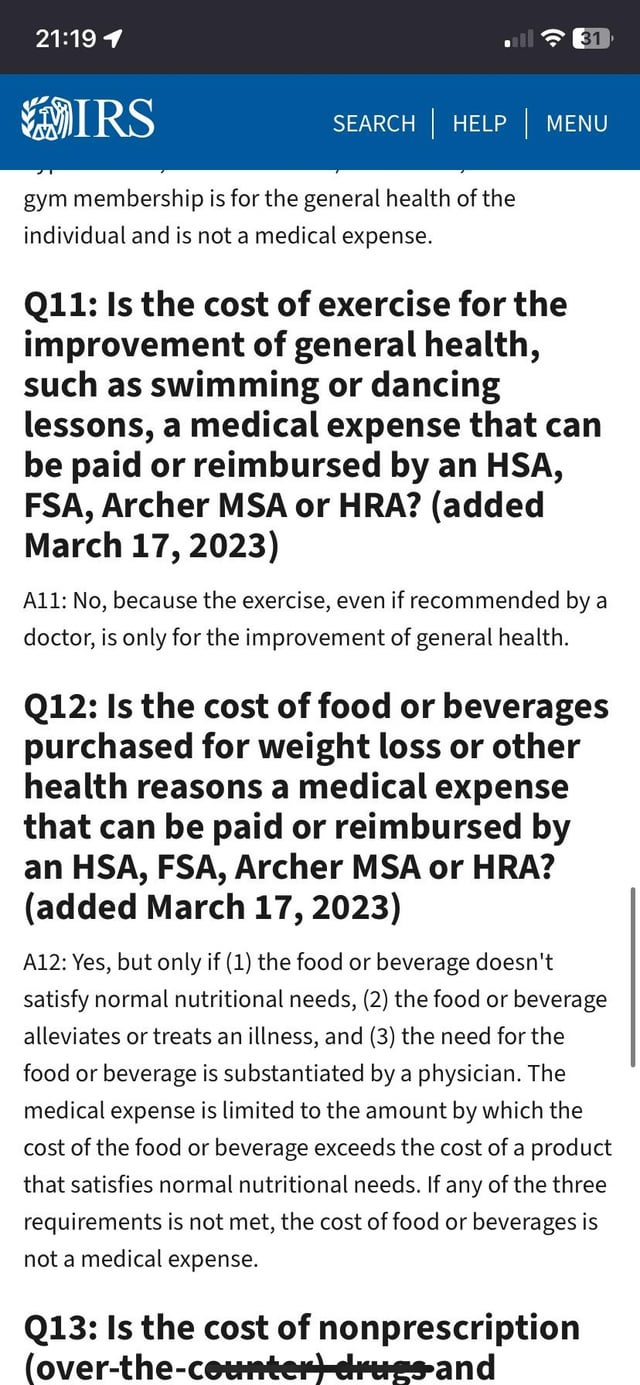
Can you use your FSA for a gym membership? Generally, gym memberships aren’t covered unless prescribed by a doctor for a specific medical condition. This means you’ll need documentation to prove it’s a medical necessity.
Have you ever thought about how you could maximize your FSA benefits? By understanding its workings and restrictions, you can make the most out of your contributions and avoid leaving money on the table.

Credit: districtcapitalmanagement.com
Eligible Expenses
Flexible Spending Accounts (FSAs) can cover various health-related costs. But can they cover gym memberships? It’s essential to know which expenses qualify. Here’s a breakdown of eligible expenses related to FSAs.
Medical Expenses Covered
FSAs primarily cover costs that are medically necessary. This includes treatments prescribed by doctors. Common eligible expenses include:
- Prescriptions
- Doctor visits
- Medical devices
These expenses must relate directly to health and wellness. If your gym membership is medically prescribed, it might qualify.
Fitness Costs And Limitations
FSAs do not typically cover standard gym memberships. They focus on medical needs. Fitness costs might only qualify if they are part of a treatment plan. For example, a doctor might prescribe exercise for a specific condition. In such cases, the membership could be covered.
It’s crucial to keep documentation. You may need a letter from your doctor to verify the medical necessity. Without this, gym memberships are generally not eligible.
Gym Memberships And Fsas
Understanding the relationship between gym memberships and Flexible Spending Accounts (FSAs) can be a bit tricky. Many people wonder if their gym fees can be covered by these pre-tax health funds. Let’s dive into the details and clear up any confusion surrounding this topic.
Common Misconceptions
It’s a common belief that you can use FSAs to pay for gym memberships, but this isn’t generally true. FSAs are primarily for covering medical expenses, not fitness. However, there are exceptions, like if a doctor prescribes exercise as a treatment for a specific medical condition.
Many people mistakenly think all wellness-related expenses qualify under FSA. This misunderstanding can lead to frustration when claims are denied. Always check with your FSA administrator to understand what expenses are eligible.
Alternative Fitness Expenses
Although gym memberships might not be covered, FSAs can still support your fitness goals. Some eligible expenses include physical therapy or rehabilitation services if they’re medically necessary. You might also cover expenses for specific medical equipment like orthotics or heart rate monitors if prescribed by a physician.
Consider investing in fitness programs that are tied to medical treatments. Programs like weight loss counseling, if supported by a healthcare provider, might be reimbursable. Ensure you have the necessary documentation to support such claims.
Is your gym membership more about health than fitness? If so, discuss with your doctor how it might fit into a prescribed health plan. This approach may open up possibilities for FSA use.
Maximizing Fsa Benefits
Exploring the possibility of using FSA for gym memberships can help you save money on fitness expenses. Check with your FSA provider to see if your gym fees qualify for reimbursement. Understanding the rules can maximize the benefits of your Flexible Spending Account.
Maximizing FSA Benefits Flexible Spending Accounts (FSAs) offer a unique way to manage healthcare costs. They can cover a variety of expenses, sometimes even gym memberships. Understanding how to maximize these benefits is crucial. You can make the most of your FSA funds with smart strategies.Smart Spending Strategies
Plan your expenses early to avoid last-minute rushes. Consider regular health check-ups or therapy sessions. Use FSA funds for items you need throughout the year. Research eligible expenses to ensure you are not missing out. Stretch your dollars by prioritizing expenses that improve health and well-being.Tracking Your Fsa Funds
Monitor your account regularly to know your balance. Keep all receipts and documentation of purchases. Use apps or online tools provided by your FSA provider. They help track spending and remaining funds. Set reminders for deadlines to avoid losing unused funds. Regular tracking ensures you use every dollar effectively.Exploring Other Payment Options
Paying gym membership with a Flexible Spending Account (FSA) might be possible. Some gyms accept FSA cards for qualifying fitness expenses. Check with your gym and FSA provider for eligibility details.
Navigating the world of gym memberships can be a bit daunting, especially when you’re looking for ways to pay for it using tax-advantaged accounts. While using a Flexible Spending Account (FSA) for gym memberships is a common inquiry, there are other creative routes you might consider. These alternatives can ease your financial burden and make your fitness journey more accessible.Health Savings Accounts
Health Savings Accounts (HSAs) are another great option for managing healthcare-related expenses. Unlike FSAs, HSAs allow you to roll over unused funds from year to year, offering more flexibility. While gym memberships typically don’t qualify as a direct expense, some specific health programs or fitness-related treatments may be eligible. Imagine you’re advised by a healthcare professional to join a weight management program due to a medical condition. In such cases, your HSA might cover it. Always check with your plan administrator to ensure compliance with the eligibility requirements.Employer Wellness Programs
Employer wellness programs are increasingly popular and often come with financial perks. These programs sometimes offer reimbursements for gym memberships, making it easier for employees to stay active. It’s not just about physical health—employers recognize the overall benefits of keeping a healthy workforce. Check if your company offers any wellness incentives. You might find they provide gym discounts, direct reimbursements, or even onsite fitness facilities. These initiatives not only save you money but also motivate you to maintain a regular fitness routine. Are you utilizing all the resources available to you through your employer or health accounts? By exploring these options, you might discover unexpected ways to fund your fitness goals without straining your budget.:max_bytes(150000):strip_icc()/INV_GymWorkout_GettyImages-616122214-8c7a96d7d42a4eb1af98172ebbe1fda2.jpg)
Credit: www.investopedia.com

Credit: raisetbar.com
Frequently Asked Questions
Can Fsa Cover Gym Membership Fees?
FSA funds typically cannot be used for gym memberships. They are reserved for medical expenses. However, check with your plan administrator for specific coverage details, as some plans might offer wellness benefits that include gym memberships.
What Expenses Are Eligible Under Fsa?
FSAs generally cover medical expenses like doctor visits, prescriptions, and medical equipment. Gym memberships are usually not eligible. Always consult your plan documentation or administrator for specific eligible expenses under your FSA plan.
Are Gym Classes Covered By Fsa?
Gym classes are usually not covered by FSA. FSAs are designed for medical expenses. However, if a doctor prescribes exercise classes for a medical condition, they might be eligible. Check with your plan administrator for confirmation.
Can I Use Fsa For Fitness Equipment?
Typically, FSAs don’t cover fitness equipment. They cover medical expenses like prescriptions and doctor’s visits. If a doctor prescribes equipment for a medical condition, it might be eligible. Always confirm with your plan administrator.
Conclusion
Paying gym membership with FSA offers more flexibility. It helps save money on fitness expenses. Check your plan details and talk with your provider. Some memberships qualify, others don’t. Always verify eligibility before enrolling. Staying fit is important for health.
Use FSA wisely to support your fitness goals. Balance finances and health needs. Keep track of expenses to avoid surprises. Plan ahead for best results. Enjoy the benefits of a healthy lifestyle. Make informed choices with your FSA. This approach ensures maximum advantage for your wellness journey.
Stay active and healthy with smart financial planning.