Are you considering transforming your workout space at home but stuck with carpeted floors? You’re not alone.
Many fitness enthusiasts face the dilemma of whether it’s possible to put gym flooring over carpet. This decision can be challenging, but the right choice can elevate your exercise routine while protecting your home environment. Imagine stepping onto a stable, supportive surface every time you exercise, without the hassle of ripping out existing carpet.
We’ll explore whether laying gym flooring over carpet is a smart move, and what you need to consider before making this change. Stick around, and you’ll discover insights that could revolutionize your fitness area, ensuring your workouts are both safe and effective.
Types Of Gym Flooring
Choosing the right gym flooring is crucial, especially if you’re thinking about laying it over carpet. Each type of flooring has its unique benefits and considerations, which can significantly impact your workout experience. Whether you’re setting up a home gym or just looking to enhance your workout space, understanding the different types of gym flooring can help you make the best decision.
Rubber Mats
Rubber mats are a popular choice for gym flooring due to their durability and flexibility. They provide excellent cushioning and support, making them ideal for heavy lifting and high-intensity workouts. If you have a plush carpet, the stability of rubber mats can be a game-changer by preventing unnecessary movement.
These mats are easy to install and often come in interlocking pieces, making them adaptable to any space. They are also straightforward to clean, which is a bonus if you’re sweating it out regularly. However, keep in mind that rubber can sometimes have an initial odor, so airing them out before use might be necessary.
Foam Tiles
Foam tiles offer a softer, more cushioned feel compared to rubber mats. They are perfect for activities like yoga or pilates where comfort is key. Their lightweight nature allows for easy setup and rearrangement, which is great if your gym space doubles as a living area.
On the downside, foam tiles might not hold up well under heavy weights. If your workouts involve a lot of weightlifting, you might want to consider other options. However, for low-impact exercises, foam tiles can be an affordable and practical choice.
Vinyl Flooring
Vinyl flooring is gaining popularity in gym setups for its sleek appearance and durability. It’s water-resistant, making it easy to clean and maintain, especially if you spill a drink or sweat a lot during workouts. Vinyl offers a firm surface, which can be advantageous for exercises requiring stable footing.
One thing to consider is that vinyl can be slippery, especially if moisture accumulates. Therefore, using mats or towels during workouts can help maintain traction. If aesthetics and ease of maintenance are your priorities, vinyl flooring might be the right fit for you.
Have you thought about how your choice of gym flooring could impact your workout routine? Each type brings its own set of benefits and challenges, so it’s essential to consider your personal needs and exercise habits. The right flooring can enhance your workout experience, making your gym sessions safer and more enjoyable.
Pros Of Gym Flooring Over Carpet
Thinking about placing gym flooring over your carpet? It’s a decision that could transform your workout experience right at home. While it might seem unconventional, there are clear advantages to making this choice. Let’s dive into the benefits that gym flooring can bring to your carpeted exercise area.
Enhanced Stability
Ever felt your feet slipping during an intense workout session on a carpet? Gym flooring offers a stable surface that can prevent unwanted movements. It reduces the risk of injuries by providing a firm base for exercises like weightlifting or yoga. You might find your balance improves, giving you the confidence to push your limits further.
Improved Cushioning
Carpet already offers a soft surface, but gym flooring adds an extra layer of cushioning. This added protection is perfect for high-impact activities. Whether you’re jumping, running, or dancing, your joints will appreciate the buffer. It’s like having a mini trampoline beneath you, offering comfort and support.
Noise Reduction
Have you ever worried about disturbing your neighbors with your workout sounds? Gym flooring over carpet can significantly reduce noise. The combination absorbs sound, making activities like jumping jacks or dropping weights quieter. With this setup, you can focus on your workout without the worry of causing a racket.
Considering these benefits, what changes could gym flooring bring to your exercise routine? Could it be the boost you need to achieve your fitness goals?
Cons Of Gym Flooring Over Carpet
Placing gym flooring over carpet can lead to instability and safety concerns. The soft carpet surface may cause equipment to shift or tip. Additionally, cleaning becomes difficult as dust and dirt can get trapped between the layers.
When considering adding gym flooring over carpet, you might think it’s a quick fix for your home workout space. However, there are several drawbacks that you should be aware of. Understanding these cons can help you make a more informed decision and avoid any potential mishaps or regrets down the line.Potential Slipping
One major concern is the risk of slipping. Carpet can create an unstable base for gym flooring, especially during high-intensity workouts. Have you ever tried doing a plank, only to feel the floor shift beneath you? This can lead to accidents or injuries, particularly if you’re performing dynamic movements.Maintenance Challenges
Keeping gym flooring clean over carpet can be quite a hassle. Dust and debris from the carpet can accumulate between the flooring layers, making it difficult to maintain hygiene. Imagine lifting weights only to notice dust bunnies peeking out. Regular cleaning becomes a tedious chore, requiring you to lift and shift the gym mats frequently.Aesthetic Concerns
Visually, gym flooring over carpet might not be the most appealing choice. The uneven texture of the carpet can cause the gym mats to look bumpy or lopsided. Do you want your workout area to inspire motivation or frustration? A disheveled appearance can detract from the overall ambiance of your fitness space. Ultimately, you need to weigh these cons against the benefits. Is convenience worth the potential risks and maintenance headaches? Consider your priorities and workout habits to make the best choice for your home gym.
Credit: www.flooringinc.com
Installation Tips
Laying gym flooring over carpet requires careful preparation. Ensure the carpet is firm and flat, avoiding plush styles. Consider using interlocking tiles or rubber mats for stability and safety.
Thinking about setting up a home gym over your carpeted floor? You’re not alone! Many fitness enthusiasts face this dilemma. It’s tempting to just lay down your gym flooring, but taking a few extra steps can make a world of difference. Let’s dive into some practical installation tips that will help you get the most out of your workout space.Preparing The Carpet
Start by thoroughly cleaning your carpet. Vacuum the area to remove any dust and debris. This ensures a clean surface for your gym flooring to sit on. If your carpet has a high pile, consider using a carpet roller to flatten it. This will create a more stable base for your gym flooring. Think about the carpet’s condition too. Is it loose or frayed in areas? Repair any issues to prevent them from affecting your gym flooring’s stability. A well-prepped carpet will make your installation smoother and your workouts safer.Securing The Gym Flooring
Once your carpet is ready, it’s time to lay down the gym flooring. Make sure you have all necessary materials on hand. Interlocking tiles are a popular choice because they are easy to install and stay in place. Align the tiles carefully, pressing them together until they click. Consider using double-sided carpet tape around the edges for added security. This step is crucial if you plan on doing high-intensity workouts. The last thing you want is for your flooring to shift mid-workout, risking injury.Ensuring Level Surface
A flat surface is essential for both your safety and the effectiveness of your exercises. Check for any lumps or uneven spots once the flooring is laid. You can use a straightedge or a level to identify problem areas. If you find uneven sections, adjust the tiles until they are flush. Sometimes, placing a thin, firm board under problematic areas can help. Remember, a level surface not only protects you but also extends the life of your gym equipment. Have you ever faced any challenges installing gym flooring over carpet? Or have unique solutions of your own? Share your experiences and insights in the comments below!Considerations Before Installation
Assessing gym flooring over carpet requires careful thought. Stability of equipment is crucial, as carpet might cause imbalance. Consider moisture and pressure effects on carpet before installation.
Before you decide to lay gym flooring over carpet, there are several important factors to consider. This is not just a matter of aesthetics or preference. It can affect the longevity and safety of your workout space. Addressing these considerations can help ensure that your gym floor is both functional and safe.Carpet Type And Condition
The type and condition of your existing carpet play a crucial role. If you have a plush, thick carpet, it might not provide a stable base for gym flooring. This could lead to uneven surfaces and potential injury. On the other hand, a low-pile, firm carpet might offer better support. Consider the wear and tear of your carpet as well. A well-worn carpet might lack the structural integrity needed to support gym flooring. Make sure to inspect the carpet for any damage or weak spots before proceeding. Have you checked if the carpet is firmly attached to the floor? Loose carpets could shift under gym mats, creating a hazard.Gym Flooring Thickness
Not all gym flooring is created equal. Thickness matters when considering whether to install it over carpet. Thicker mats can compensate for a plush carpet, providing a more stable workout surface. However, if the gym flooring is too thin, it may not adequately cover the carpet’s texture. Think about the type of workouts you plan to do. High-impact activities like jumping or weightlifting may require thicker mats to ensure stability and protect your carpet. Have you measured the thickness of your gym mats? Comparing this with your carpet’s thickness can help determine if additional underlayment is needed.Room Usage
The purpose of the room will guide your flooring decision. If it’s a dedicated gym space, investing in quality gym flooring is worth considering. It not only improves safety but also enhances the workout experience. If the room serves multiple functions, like a home office or living area, flexibility is key. Consider temporary flooring solutions that can be easily removed or reconfigured. Are you prepared to rearrange furniture or equipment to accommodate gym flooring? Planning room usage can help you find the best flooring option for your needs.When considering gym flooring over carpet, attention to detail is crucial. What are your specific needs and how can they be met? By addressing these factors, you can create a safe and effective workout environment.

Credit: www.flooringinc.com
Alternatives To Gym Flooring Over Carpet
Choosing gym flooring for carpeted areas can be challenging. Carpets aren’t ideal for workouts. They absorb impact and make equipment unstable. Luckily, there are alternatives. These options keep your workouts safe and effective. Let’s explore some solutions.
Removing Carpet
Removing carpet offers a clean slate. It eliminates padding and instability. Once removed, flooring can be installed directly. This creates a sturdy base for exercises. Consider the removal process. It might be labor-intensive. Ensure you have proper tools. Also, check the condition of the subfloor. Repair any damages before installation.
Using Carpet-friendly Equipment
Some equipment works well on carpet. Look for items designed for carpet use. Rubber dumbbells and kettlebells are great choices. They resist slipping on soft surfaces. Consider stability balls and resistance bands. They are flexible and don’t require hard flooring. Always test equipment first. Ensure it won’t damage the carpet.
Opting For Area Rugs
Area rugs are a versatile option. They provide a stable surface. Place them over carpet to protect it. Choose durable materials that withstand heavy use. Rugs can define workout zones. Select sizes that fit your space. Ensure they have non-slip backing. This prevents movement during workouts.
User Experiences
Installing gym flooring over carpet is possible with careful preparation. Secure the flooring to avoid shifting during workouts. Choose interlocking tiles for easy installation and better stability on carpeted surfaces.
When considering gym flooring over carpet, user experiences reveal a mix of success stories and challenges. Many fitness enthusiasts have shared their journeys, offering insights into how gym flooring performs over carpet. Whether you’re setting up a home gym or enhancing your workout space, understanding these experiences can guide you in making the best choices.Success Stories
Users often report that gym flooring over carpet provides much-needed stability during workouts. One user mentioned how placing interlocking foam tiles over her plush carpet transformed her exercise routine. She found improved grip during yoga and weightlifting sessions, which boosted her confidence and performance. Another fitness fan shared his excitement after installing rubber tiles over carpet. He noted the reduction in noise, allowing for late-night workouts without disturbing family members. These stories highlight how the right gym flooring can enhance your workout environment, making it safer and more enjoyable.Common Issues
However, challenges aren’t uncommon. Users have pointed out that gym flooring can sometimes shift on the carpet during intense workouts. One user expressed frustration with foam tiles that moved too much during HIIT sessions, causing distractions and potential hazards. Others have noted difficulty with thicker carpets, which can lead to uneven surfaces when covered with gym flooring. This can impact balance and stability during exercises. Such experiences underscore the importance of choosing the right type of flooring for your carpet type.Expert Recommendations
Experts suggest using rubber or PVC tiles as they provide better grip and stability over carpet. They recommend securing the flooring with non-slip mats or adhesive strips for additional stability. It’s essential to test the flooring with a few exercises to ensure it meets your needs. Professionals also advise considering the thickness of your carpet. Thinner carpets are generally more compatible with gym flooring, offering a firmer base. Wouldn’t it be great to have a workout space that feels safe and efficient? By following expert advice, you can create a setup that enhances your fitness journey. Are you ready to make your home gym dream a reality? Understanding these user experiences can help you choose the perfect flooring solution for your carpeted space.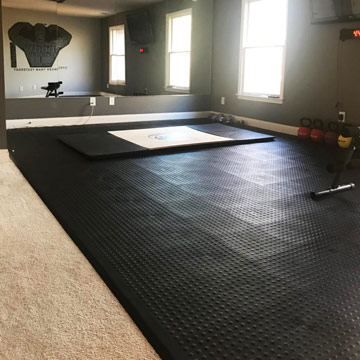
Credit: www.greatmats.com
Frequently Asked Questions
How To Put Gym Flooring Over Carpet?
Place interlocking rubber tiles or foam mats over the carpet for gym flooring. Ensure the carpet is low-pile. Use plywood underneath if needed for stability. Secure the edges to prevent movement during workouts. Make sure the area is clean and dry before installation for best results.
What Flooring Can Be Laid Over Carpet?
Vinyl planks, carpet tiles, and floating laminate are ideal choices for installing over carpet. Ensure the carpet is low-pile for stability. Use a plywood base for added support if necessary. Avoid heavy flooring options like ceramic tiles, as they may not hold well over carpeted surfaces.
What To Lay Under Gym Flooring?
Use rubber underlayments for gym flooring to enhance shock absorption and reduce noise. Foam tiles provide cushioning and comfort. Consider moisture-resistant options like vinyl or rubber mats for durability. Ensure the underlayment suits your specific gym activities and equipment. Proper underlayments extend the life of your gym flooring.
Is Floor Padding Still Needed For A Gym With Carpet?
Yes, floor padding is recommended for gyms with carpet. It enhances safety, provides extra cushioning, and protects equipment. Carpet alone may not offer adequate support or shock absorption during workouts, increasing injury risk. Proper padding ensures a comfortable and secure environment for exercise.
Conclusion
Choosing gym flooring over carpet can enhance your workout space. It offers better support and safety. Consider the type of exercise you do. Heavy equipment needs sturdy mats. Lightweight activities work fine on thinner surfaces. Check your carpet’s condition before installation.
A solid base ensures longevity. Proper installation prevents damage and discomfort. Research different flooring materials. Each has its pros and cons. Think about your budget and needs. Create a space that motivates you. Exercise becomes more enjoyable with the right flooring.
Make your workout area a place you love. Stay active and healthy!