Are you exploring the carnivore diet and wondering if you can take vitamins while on it? You’re not alone.
Many people, like you, are diving into this meat-focused lifestyle, curious about its benefits and potential drawbacks. But a question that often arises is whether or not vitamins are necessary or even compatible with such a diet. Imagine unlocking the secrets that could optimize your health while staying true to your dietary choices.
This article will guide you through the essential facts and answer the burning question: can you take vitamins on a carnivore diet? Keep reading to discover how to maintain your health without compromising your dietary goals.
Carnivore Diet Basics
The Carnivore Diet focuses exclusively on animal products. It’s a strict form of eating. Many believe it helps with health issues. This diet eliminates all plant-based foods. Followers consume meat, fish, and animal-derived products. No fruits or vegetables. Only animal-based foods.
People choose this diet for various reasons. Some aim for weight loss. Others seek relief from chronic conditions. The diet promises simplicity. No need to count calories or macros. Just eat when hungry. Many find this approach refreshing.
Understanding The Meat-only Approach
The core of the Carnivore Diet is meat. Beef, chicken, pork, and fish are staples. Eggs and dairy are also included. All meals revolve around these foods. The idea is to get nutrients from animal sources. It’s about embracing the natural fats and proteins.
Why Eliminate Plant-based Foods?
Plant foods are absent in the Carnivore Diet. Advocates suggest plants contain anti-nutrients. These can interfere with nutrient absorption. Some also believe plants contribute to inflammation. The focus is on reducing potential irritants.
Health Benefits Linked To Carnivore Diet
Many report health improvements on this diet. Weight loss is common. Some experience better digestion. Others notice clearer skin. Mood and energy levels may improve. Supporters believe it’s due to the elimination of plant toxins.
Potential Challenges Of The Carnivore Diet
Adopting this diet can be difficult. Social situations may pose challenges. Eating out can be tricky. The lack of variety might lead to boredom. Not everyone adapts easily. Some experience initial fatigue. Adjustments may take time.
Role Of Vitamins In The Carnivore Diet
Vitamins are essential for health. The Carnivore Diet provides many naturally. Vitamin B12 is abundant. Iron, zinc, and selenium are also present. Yet, concerns arise about missing vitamins. Vitamin C and fiber are absent. Supplementation could be necessary.
Nutritional Needs On Carnivore
The carnivore diet focuses on animal-based foods. This means meat, fish, and eggs. But what about vitamins? Are they needed on this diet? Understanding nutritional needs is key. Let’s explore this further.
Understanding Nutritional Needs On The Carnivore Diet
The carnivore diet is rich in protein and fats. It provides essential nutrients like iron and zinc. These are abundant in red meat and fish. Vitamin B12 is also plentiful. Eggs and dairy offer more nutrients. But, vitamins like C and K are less common. Knowing what’s missing is important.
Essential Vitamins On A Carnivore Diet
Vitamin C supports immunity. It’s found in fruits and vegetables. The carnivore diet lacks these foods. Some argue meat provides enough vitamin C. This remains debated. Vitamin D is crucial too. Sunlight helps, but food sources matter. Fatty fish and eggs contain vitamin D.
Can You Supplement On A Carnivore Diet?
Some people choose supplements. Vitamin D and C are common. Supplements can fill gaps in the diet. But, it’s best to consult a doctor. They offer personalized advice. Not everyone needs supplements. Testing vitamin levels helps decide.
Potential Risks Of Vitamin Deficiency
Deficiencies can lead to health issues. Lack of vitamin C causes scurvy. Symptoms include fatigue and bleeding gums. Low vitamin D affects bones. It can lead to weakness or fractures. Understanding risks is vital. Addressing deficiencies prevents problems.
Achieving Balance On A Carnivore Diet
Balance is key. The diet should meet nutritional needs. Eating a variety of meats helps. Fish, eggs, and organ meats are nutrient-rich. They offer different vitamins and minerals. Variety ensures better nutrition. Knowing what you eat is essential.
Importance Of Vitamins
Vitamins play a crucial role in maintaining overall health. They help the body function properly. On a carnivore diet, you consume only animal-based foods. This dietary choice might affect your vitamin intake. Understanding the importance of vitamins is vital. Let’s explore why they matter.
Understanding Vitamins
Vitamins are essential nutrients. They support various body functions. They help in energy production, immune function, and cell repair. Different vitamins have different roles. For example, Vitamin C aids in healing. Vitamin D supports bone health. Each vitamin is necessary for a healthy body.
Vitamins In A Carnivore Diet
The carnivore diet includes meat, fish, and animal products. Some vitamins are abundant in this diet. Vitamin B12 and Vitamin D are often plentiful. These support energy levels and bone health. Yet, some vitamins might be lacking. Vitamin C and some B vitamins are less common. It’s important to find ways to get these nutrients.
Supplementing For Missing Vitamins
Supplements can fill the gaps. Vitamin C supplements can prevent deficiencies. Multivitamins might offer a balanced option. They provide essential nutrients not found in meat. Always consult a doctor before starting supplements. Personalized advice ensures you get what you need.
Monitoring Your Health
Regular check-ups are crucial. Blood tests can reveal vitamin levels. They help in adjusting your diet or supplements. Monitoring ensures you remain healthy on a carnivore diet. Stay informed about your nutritional status. Adjust your diet as needed for optimal health.

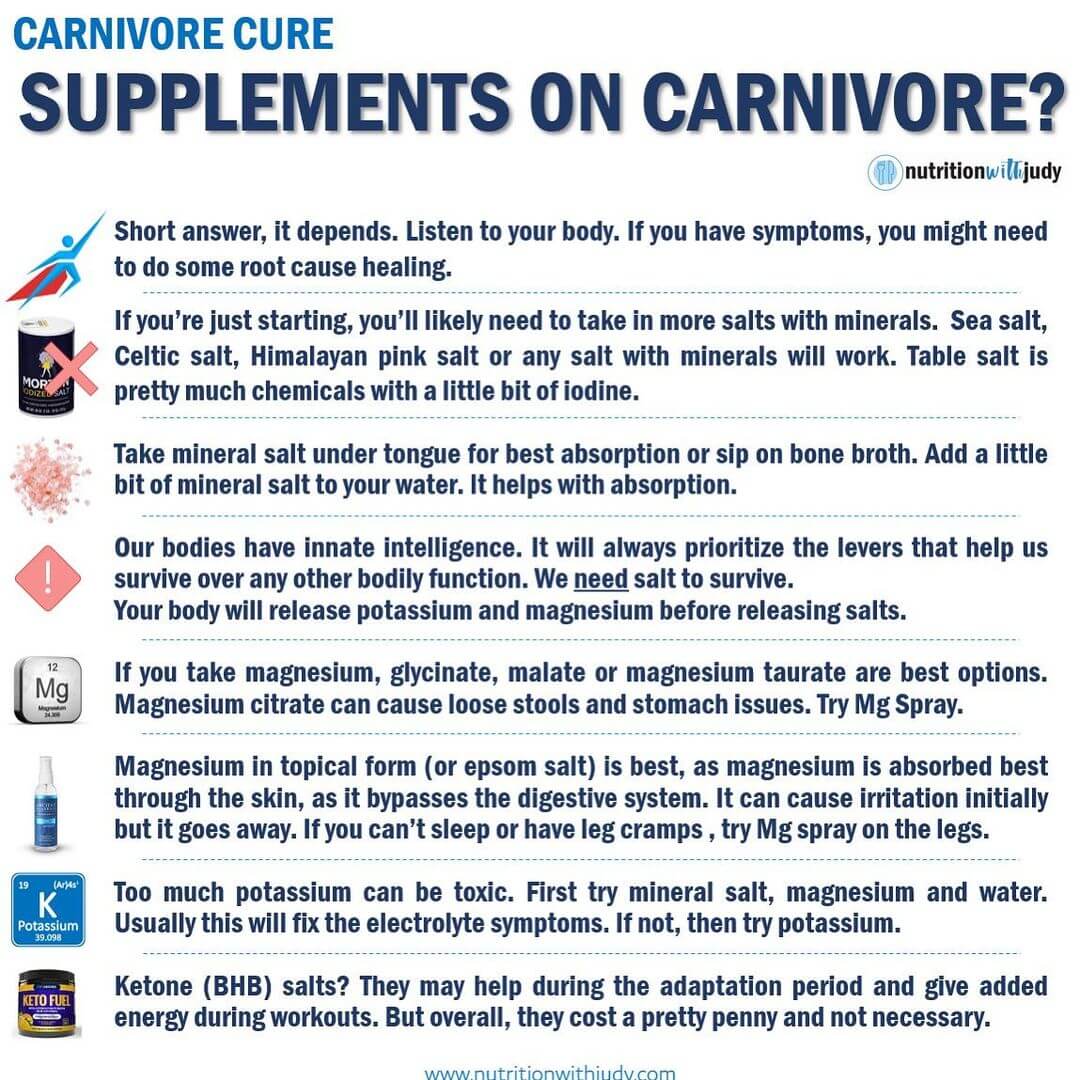
Credit: www.nutritionwithjudy.com
Common Vitamin Deficiencies
Embarking on a carnivore diet can be an exciting journey into the realm of meat-based nutrition. However, one question often pops up: what about vitamins? Even on a carnivore diet, certain vitamin deficiencies can occur. This doesn’t mean you have to abandon your meat-loving ways, but it does require some thought and planning. Let’s explore some common vitamin deficiencies you might encounter and how to address them.
Vitamin C
Vitamin C is crucial for your immune system and skin health. On a carnivore diet, you might worry about missing out on this vital nutrient since it’s typically found in fruits and vegetables. But here’s a surprise—animal liver contains small amounts of vitamin C. Including organ meats in your meals can help reduce this deficiency risk. Have you ever tried adding liver to your diet? It might be time for a culinary adventure!
Vitamin D
Vitamin D is essential for bone health and mood regulation. Luckily, this vitamin is abundant in fatty fish and egg yolks, both staples in a carnivore diet. But relying solely on food might not be enough. Consider spending some time outdoors to soak up natural sunlight, a great source of vitamin D. How often do you step outside for a sunny break? It might be the boost your body needs.
Vitamin K
Vitamin K helps with blood clotting and bone metabolism. While it’s more commonly found in leafy greens, certain animal products like beef liver and chicken are also rich in vitamin K2. Adding a variety of meats to your diet can help cover this nutritional gap. Have you experimented with different cuts of meat? It could be your key to maintaining optimal vitamin K levels.
As you navigate your carnivore diet journey, keep these vitamin considerations in mind. Balancing your meat choices can help you maintain a healthy nutrient profile. What steps are you taking to ensure your diet is well-rounded?
Vitamins From Animal Sources
Exploring vitamins from animal sources reveals their compatibility with a carnivore diet. Essential nutrients like B vitamins and vitamin D are naturally abundant in meats, eggs, and fish. These sources provide necessary vitamins without needing plant-based supplements, supporting health on a meat-focused diet.
Vitamins from Animal Sources Adopting a carnivore diet can raise questions about vitamin intake. You might wonder if you can get all the necessary vitamins from animal products. The answer is a resounding yes. Certain animal sources are rich in essential vitamins that can support your health. Let’s explore some of these sources and their benefits.Liver And Organ Meats
Liver and other organ meats are nutritional powerhouses. They are packed with vitamins such as A, D, E, and K. Eating liver could give you more vitamin A than carrots, supporting your vision and immune system. Have you ever tried beef liver? It’s incredibly rich in B vitamins, like B12, which boosts energy and supports brain health. Organ meats are often overlooked, but they’re a fantastic way to meet your vitamin needs. Consider adding them to your diet and notice the difference in your vitality.Eggs And Dairy
Eggs are more than just a breakfast staple. They are a great source of vitamins like B12 and D. Imagine starting your day with a nutrient-rich meal that supports your nerves and bones. Dairy products, such as cheese and milk, are not just delicious. They are loaded with vitamin B2 and D. These vitamins are crucial for energy production and maintaining healthy bones. Including eggs and dairy in your carnivore diet can help you stay on top of your vitamin game. How often do you incorporate these foods into your meals? By making small changes, like choosing a cheese snack or an egg breakfast, you can ensure you’re getting essential vitamins. Would you consider trying these animal sources to boost your vitamin intake on a carnivore diet?Supplementing Vitamins
While the carnivore diet focuses on consuming animal products, you might wonder if you’re getting all the vitamins you need. Some people on this diet may experience deficiencies. It’s important to know when and how to supplement effectively to maintain optimal health.
When To Consider Supplements
Listening to your body is key. If you feel unusually tired or notice changes in your skin, hair, or nails, it could be a sign of vitamin deficiency. Blood tests can provide specific insights, showing if you’re lacking in vitamins like B12 or vitamin D.
Consider your lifestyle and environment as well. If you live in a place with limited sunlight, vitamin D might be necessary. Similarly, if your diet lacks variety, other supplements could help bridge the nutritional gap.
Choosing The Right Supplements
Not all supplements are created equal. Look for high-quality options that have been tested for purity. Ensure they are free from unnecessary additives.
Read labels carefully. Some supplements may contain fillers or allergens that could affect your health. Opt for those that provide essential nutrients without extra ingredients.
Consult a healthcare provider. They can recommend specific supplements based on your needs and blood test results. This guidance ensures you’re not taking unnecessary vitamins.
Have you ever thought about how your daily habits impact your vitamin intake? Being proactive about supplements could make a significant difference in your well-being. By choosing wisely and understanding your body’s signals, you can make informed decisions about your health.
Potential Risks Of Over-supplementation
Over-supplementation poses health risks on a carnivore diet. Excessive vitamins can lead to toxicity and imbalance. Careful monitoring is essential to avoid potential side effects. Proper guidance ensures safety and well-being. Always consult a healthcare professional before adding supplements to your diet.
Embarking on a carnivore diet can be an exciting journey, promising a variety of health benefits. However, when it comes to supplementation, a common pitfall is over-supplementation. While it might seem beneficial to add extra vitamins to your diet, it can sometimes do more harm than good. Understanding the potential risks of consuming too many vitamins is crucial for maintaining optimal health on a carnivore diet.Imbalance In Nutrient Levels
Over-supplementing can lead to an imbalance in your nutrient levels. This is because your body requires specific amounts of vitamins and minerals, and excess amounts can disrupt this balance. Have you ever experienced unusual fatigue or weakness? This might be because your body is struggling to cope with an overflow of certain nutrients.Potential Toxicity
Certain vitamins, particularly fat-soluble ones like A, D, E, and K, can accumulate in your body and reach toxic levels. Unlike water-soluble vitamins, these are stored in your liver and fatty tissues. Taking more than the recommended dose can lead to symptoms like nausea, headaches, and even more serious health issues. Remember, more isn’t always better.Cost Implications
Have you considered the financial impact of over-supplementing? Purchasing unnecessary vitamins can become a costly habit. You might be spending money on supplements that your body doesn’t need. Investing in a nutrient-rich diet may be more beneficial and cost-effective than an overflowing supplement cabinet.Interference With Diet Benefits
A carnivore diet is naturally rich in certain nutrients, and over-supplementing can interfere with the benefits you are aiming to achieve. For example, high levels of vitamin C supplements can affect the absorption of key nutrients found in animal products. Have you thought about how this might be limiting your diet’s potential? Considering these risks, it’s essential to evaluate whether supplementation is truly necessary for you. Consulting with a healthcare professional can provide personalized guidance tailored to your needs. Your health journey is unique, and finding the right balance can make all the difference.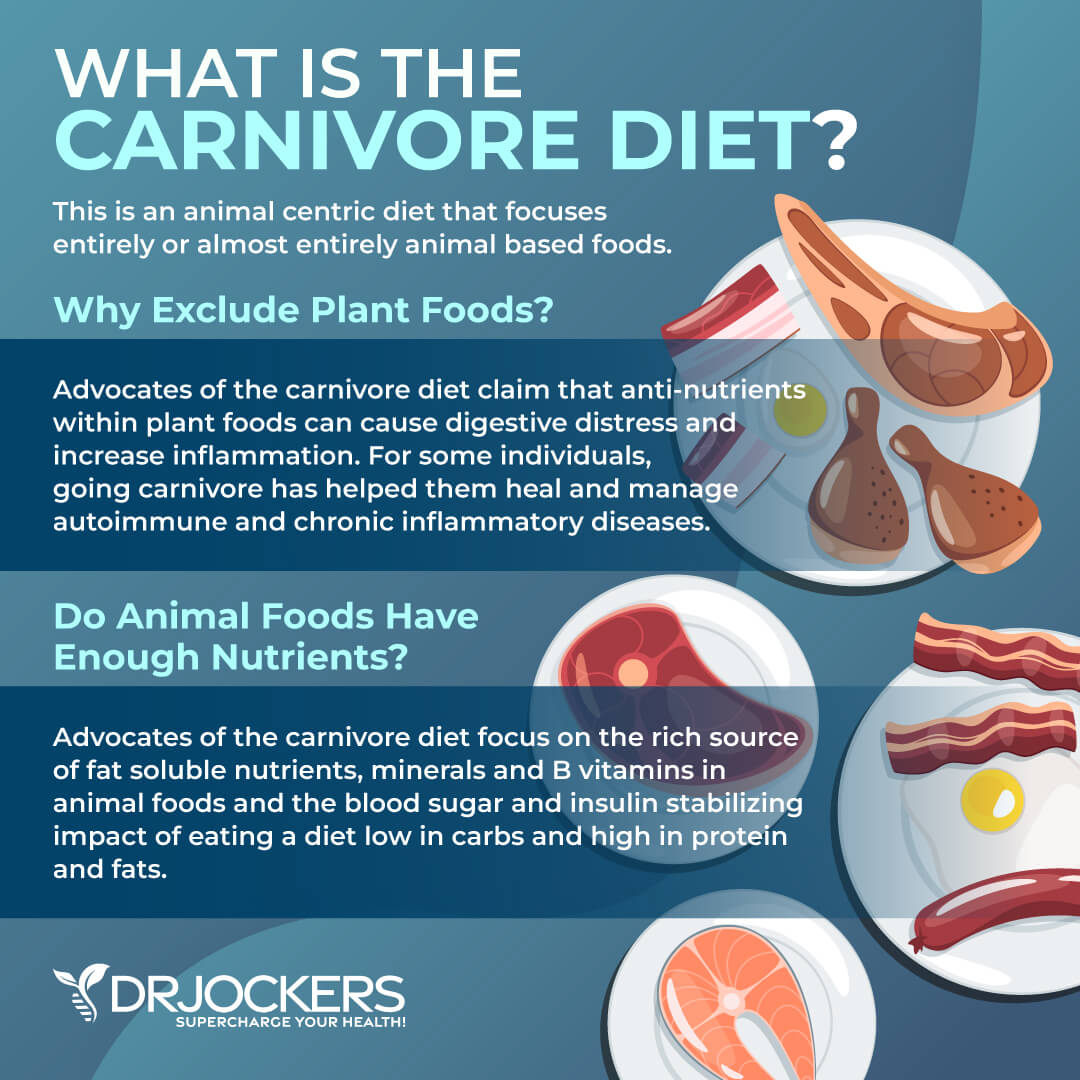
Credit: drjockers.com
Balancing Diet And Supplements
Balancing your diet and supplements is crucial on a carnivore diet. This diet focuses on consuming animal products. Many wonder if they need vitamins. The body gets nutrients from meat, but some may be missing. Supplements can help fill these gaps.
Understanding Nutritional Needs
A carnivore diet provides many essential nutrients. Protein and fats are abundant. Yet, some vitamins and minerals might be lacking. Vitamin C and fiber are often missing. Knowing what you need helps maintain health.
Evaluating Vitamin Deficiencies
Identifying deficiencies is important. Symptoms like fatigue or skin issues could indicate a lack. Blood tests can confirm vitamin levels. These tests guide which supplements to take.
Choosing The Right Supplements
Once you know what you need, choose supplements wisely. Look for high-quality products. Avoid fillers or unnecessary ingredients. Check labels for purity and potency. Reading reviews can help select trusted brands.
Integrating Supplements Into Your Routine
Take supplements at the same time each day. Consistency aids absorption. Pair vitamins with meals for better digestion. Keep track of how you feel. Adjust doses if needed for optimal health.

Credit: www.tiktok.com
Frequently Asked Questions
What Is The Best Multivitamin For A Carnivore Diet?
Opt for a multivitamin that complements a carnivore diet. Choose one with Vitamin D, Magnesium, and Omega-3. Ensure it supports nutrient gaps without plant-based fillers. Consult a healthcare professional for personalized advice.
Does Carnivore Diet Lack Vitamins?
The carnivore diet can lack essential vitamins like vitamin C and fiber. It primarily includes meat, excluding fruits and vegetables. Supplementation or careful food choices are often necessary to prevent deficiencies. Balance and variety are key to maintaining health on a carnivore diet.
Can You Take Supplements On Carnivore Diet?
Yes, you can take supplements on a carnivore diet. While it primarily focuses on animal products, some nutrients may be lacking. Supplements like Vitamin D, magnesium, and omega-3s can help fill these gaps. Always consult with a healthcare professional before adding supplements to your diet.
Are Vitamins Necessary On Carnivore Diet?
Vitamins may be necessary depending on individual needs. The carnivore diet can lack certain vitamins like Vitamin C and E. It’s important to monitor your health and consult with a healthcare provider. They can recommend essential vitamins to ensure balanced nutrition.
Conclusion
Exploring vitamins on a carnivore diet raises essential questions. Balance is key. Most nutrients come from animal products, but gaps might exist. Consulting a healthcare professional helps identify specific needs. Some may require supplements for optimal health. Each body reacts differently to diets.
It’s vital to listen to your body’s signals. Adjust diet plans as necessary. Keep learning and adapting your approach. This ensures the best health outcomes. Remember, a well-informed choice leads to better health. Stay curious and proactive in your dietary journey.
Stay healthy and feel great on your chosen path.