Imagine having the ability to invest in your health and wellness in a way that aligns perfectly with your financial planning. As you explore different avenues to optimize your well-being, you might wonder about the potential of using a Health Savings Account (HSA) for something as beneficial as a gym membership.
It’s a tempting idea, isn’t it? You want to ensure that every dollar you spend not only enhances your physical fitness but also fits seamlessly into your budget. We’ll uncover whether your HSA can be your secret weapon in achieving your fitness goals without straining your finances.
Stay with us as we dive into the possibilities and limitations, helping you make informed decisions for a healthier, happier lifestyle.
What Is An Hsa?
An HSA, or Health Savings Account, is a special savings account. It helps people save money for medical expenses. It is linked to high-deductible health plans (HDHPs). This account allows tax-free contributions. People can use it to pay for qualified health expenses. It is a great way to manage healthcare costs effectively.
What Does An Hsa Cover?
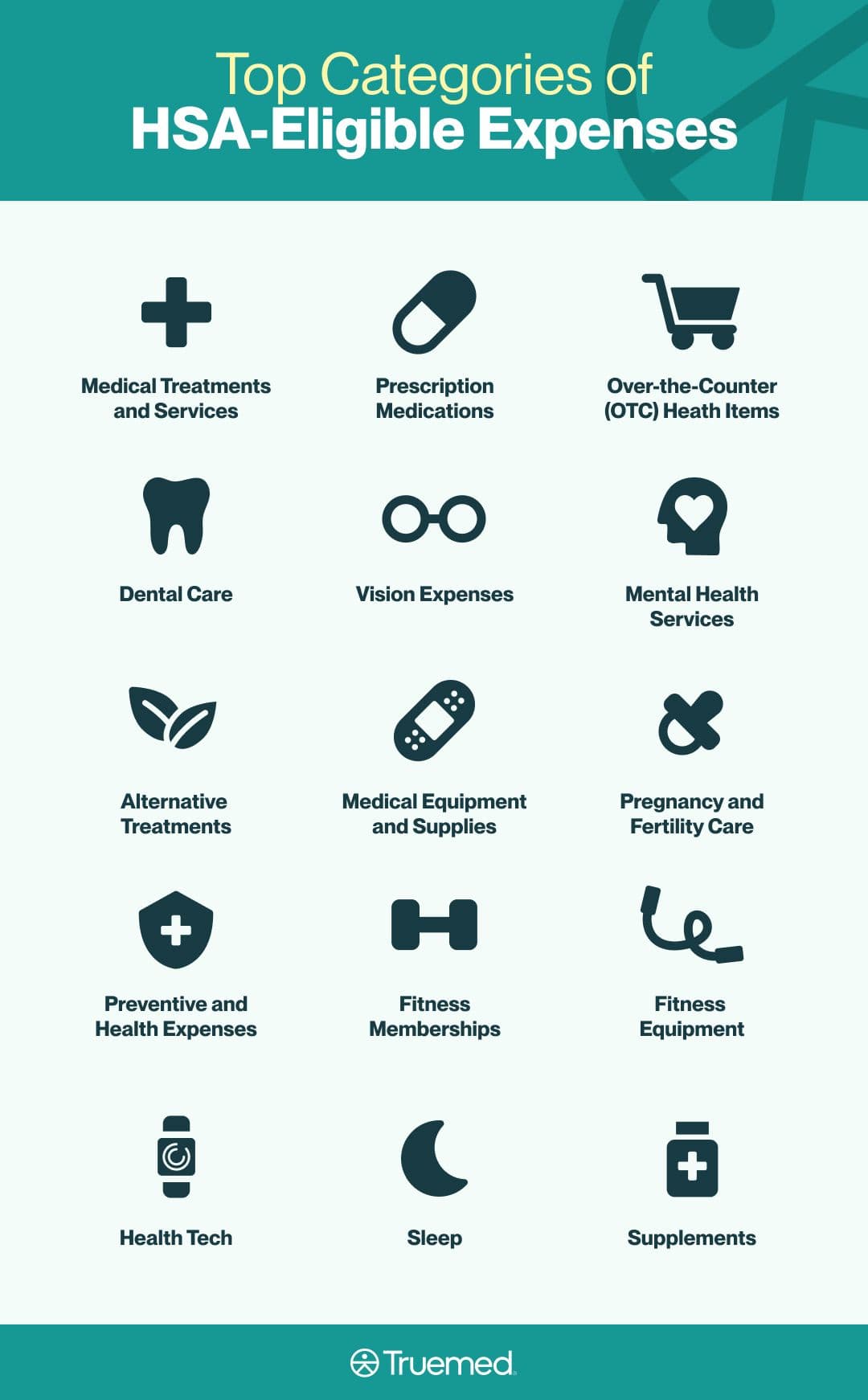
HSA funds cover a range of medical expenses. These include doctor visits, prescriptions, and dental care. It can also cover vision expenses and some over-the-counter drugs. Each expense must be qualified as a medical need.
Benefits Of An Hsa
HSAs offer many benefits. Contributions are tax-deductible. This means you pay less tax. The money grows tax-free too. You can spend it without paying taxes on qualified expenses. Unused funds roll over each year. This makes it a long-term savings option.
Who Can Open An Hsa?
Not everyone can open an HSA. You must have a high-deductible health plan. There are specific limits on contributions. Check if you qualify before starting an HSA.
How To Use Hsa Funds
Using HSA funds is simple. You can use a debit card linked to your account. Pay for your medical expenses directly. Keep records of your expenses for future reference. This ensures you use your funds correctly.

Credit: hsaforamerica.com
Hsa Eligibility Criteria
HSA funds cannot typically cover gym memberships, as they are not considered medical expenses. Eligible expenses for HSAs usually include items directly related to health care, such as prescriptions and medical services.
Understanding whether your gym membership can be covered by your Health Savings Account (HSA) begins with knowing the HSA eligibility criteria. HSAs are designed to help people save for medical expenses, but they come with specific rules and restrictions. Let’s dive into these criteria to determine if your workout routine can benefit from HSA funds.What Qualifies As An Eligible Expense?
To use your HSA funds, the expense must be deemed a qualified medical expense. This typically includes costs directly related to healthcare, such as doctor visits, medications, or treatments. However, gym memberships don’t generally fall under this category unless prescribed by a healthcare professional for a specific medical condition. Could you justify your gym membership as necessary for your health?Physician Recommendations Matter
In some cases, a gym membership might be considered a qualified expense if it is recommended by a physician to treat a medical condition. Imagine you have a specific health issue that requires regular exercise as part of your treatment plan—your doctor’s recommendation could be your ticket to unlocking HSA funds for gym fees. Have you had a conversation with your healthcare provider about this possibility?Irs Guidelines
The IRS provides guidelines on what constitutes a qualified medical expense. These guidelines are crucial in determining whether your gym membership can qualify. Since gym memberships are typically seen as personal expenses, it’s essential to consult these guidelines and perhaps seek professional advice. Have you reviewed IRS Publication 502 to understand what expenses are covered?Documentation Is Key
If you aim to use your HSA for gym fees, documentation plays a critical role. You need proper records if audited or questioned about your HSA expenditures. Keep prescriptions or recommendations from health professionals and any relevant receipts. Are you prepared to maintain detailed documentation to justify your expenses? By understanding these criteria, you can better assess whether your gym membership aligns with HSA guidelines, potentially maximizing your health benefits and financial savings.Qualified Medical Expenses
Understanding what counts as a qualified medical expense is essential. These are costs that your Health Savings Account (HSA) can cover. Not all health-related expenses qualify. The IRS provides guidelines to determine eligibility. Knowing these can help you manage your HSA funds wisely.
What Are Qualified Medical Expenses?
Qualified medical expenses are costs for diagnosis, cure, mitigation, treatment, or prevention of disease. They can also include payments for medical services. Prescription medications often fall under this category. Dental and vision care might be eligible, too.
Gym Membership: A Gray Area
Gym memberships usually don’t qualify as medical expenses. The IRS views them as general health expenses. They aim to maintain or improve physical fitness. Yet, some exceptions might apply. If a doctor prescribes it to treat a specific medical condition, it could qualify.
Documentation Is Key
Always keep documentation for your expenses. Doctor’s notes or prescriptions can prove necessity. Without proper records, you might face issues during audits. This evidence supports claims that the gym membership is medically necessary.
Consult A Tax Professional
Uncertainty about qualified expenses can be frustrating. Consult a tax professional for guidance. They can clarify which expenses your HSA can cover. Their expertise ensures you use your funds legally.
Hsa And Fitness Expenses
Health Savings Accounts (HSAs) offer a flexible way to manage medical costs. Many people wonder if they can use HSAs for fitness expenses like gym memberships. It’s important to understand what the IRS allows. This can help you make informed decisions about your health spending.
Clarifying Irs Guidelines
The IRS sets clear rules on what HSAs can cover. Generally, HSAs are for medical expenses. The IRS defines these as costs that diagnose, treat, or prevent diseases. Gym memberships often don’t fit this definition. They are seen as general health improvements. This means they usually aren’t covered by HSAs. Always check the latest IRS guidelines for updates.
Examples Of Allowable Fitness Costs
While gym memberships are mostly not covered, some fitness costs might be. If a doctor prescribes exercise for a specific medical condition, it could be eligible. For example, physical therapy or rehabilitation programs often qualify. Equipment for home exercise prescribed by a doctor may also be covered. It’s crucial to have proper documentation to support these claims. Always retain any doctor’s notes or prescriptions for your records.
Gym Membership And Hsa
Understanding the relationship between Health Savings Accounts (HSAs) and gym memberships can be confusing. Many people want to know if they can use their HSA funds to cover gym expenses. Let’s explore the IRS guidelines and possible exceptions.
Current Irs Stance
The IRS has clear rules for HSA expenses. Gym memberships are generally seen as non-qualified expenses. This means you can’t use HSA funds for regular gym fees. The IRS focuses on medical expenses. Gym memberships don’t fall under this category. So, using HSA funds for gym costs could lead to penalties and taxes.
Potential Exceptions
There are some situations where gym expenses might qualify. If a doctor prescribes exercise for a specific medical condition, it might be different. In such cases, you could argue the gym membership is a medical necessity. You would need a letter from your doctor. This letter should explain why the gym is essential for your health.
Always keep documentation. It protects you in case of an audit. Even with a doctor’s note, approval isn’t guaranteed. It’s wise to consult a tax professional. They can offer guidance tailored to your specific situation. This ensures you make informed decisions about your HSA funds.
Credit: www.truemed.com
Exploring Alternative Fitness Options
In today’s health-conscious world, many individuals are looking for ways to incorporate fitness into their lives without breaking the bank. A common question is whether you can use your Health Savings Account (HSA) for gym memberships. While the answer might not be straightforward, there are alternative fitness options that can be reimbursed through your HSA. Let’s explore these alternatives and see how you can maximize the benefits of your health savings.
Reimbursable Health Programs
Your HSA can be used for certain health programs that are considered medically necessary. These might include supervised weight loss programs or therapy sessions aimed at improving physical health. Imagine enrolling in a program that not only helps you shed pounds but also supports you in maintaining a healthy lifestyle. Check with your HSA provider to see if these programs qualify for reimbursement, and make your fitness journey budget-friendly.
Eligible Equipment Purchases
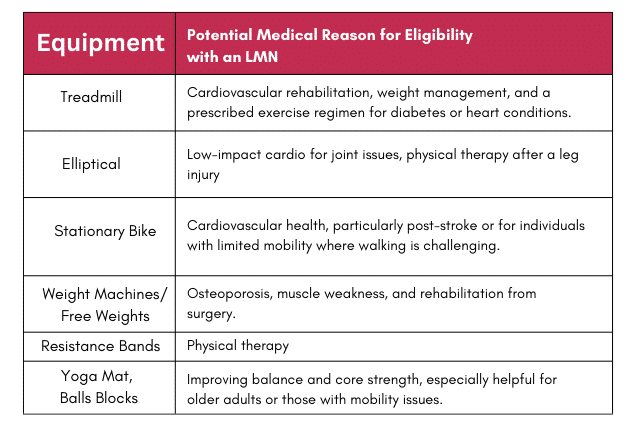
If gym memberships aren’t covered, consider investing in home exercise equipment that is HSA-eligible. Items like treadmills, stationary bikes, or even weights might qualify if they are prescribed by a healthcare professional as part of a treatment plan. This could be an excellent opportunity to set up a personal gym at home, saving travel time while getting fit. It’s all about making smart choices with your HSA funds to support your health goals.
Have you ever thought about what fitness items you can purchase using your HSA? Understanding these options can open new doors to achieving your fitness goals while staying financially savvy.
Future Of Hsa Regulations
The future of HSA regulations is an intriguing topic for anyone looking to maximize their health savings. As the landscape of healthcare continues to evolve, so do the rules surrounding what you can use your Health Savings Account (HSA) for. It’s worth pondering whether gym memberships might eventually qualify as an eligible expense. This possibility opens the door to a healthier lifestyle funded by your HSA, but what changes need to happen first?
Proposed Legislative Changes
In recent years, there have been discussions in the legislative sphere about expanding the scope of HSA-eligible expenses. Lawmakers are considering proposals that could potentially include fitness-related costs. Imagine how freeing it would be to cover your gym membership with pre-tax dollars. This shift could empower you to prioritize physical health as part of your financial planning.
However, these changes require careful deliberation to ensure they align with the primary purpose of HSAs. The aim is to balance the benefits of preventive health spending with the account’s current function of covering medical expenses. What might be the implications of such a change on public health policies?
Impact On Fitness Spending
If gym memberships become HSA-eligible, it could significantly impact your fitness spending. You might find yourself more motivated to maintain or start a fitness regimen knowing that your HSA can support this cost. This change could also lead to a boom in the fitness industry as more people take advantage of this potential benefit.
On a personal note, consider how this adjustment could help you make healthier lifestyle choices without feeling financially constrained. Would you join that gym you’ve always wanted or sign up for those yoga classes you’ve been eyeing? This potential shift in HSA regulations could be a game-changer in promoting overall wellness.

Credit: www.instagram.com
Maximizing Hsa Benefits
Maximizing your Health Savings Account (HSA) benefits can enhance your financial health. This smart approach lets you cover medical expenses efficiently. Many people ask if they can use their HSA for gym memberships. While the IRS does not usually allow this, knowing the rules helps. Let’s explore how to make the most of your HSA.
Strategic Health Expenditures
Plan your health spending strategically. Use your HSA for qualified medical expenses. These include doctor visits, prescriptions, and more. This saves you money on taxes. Keep receipts for all medical purchases. This documentation is important for tax purposes. It helps if you are audited.
Consider investing in preventive health services. These can include flu shots and health screenings. They keep you healthier and reduce long-term costs. HSAs cover many preventive services. This makes it easier to manage health expenses.
Long-term Savings Growth
HSAs offer a unique savings opportunity. They combine tax savings with growth potential. Contributions are tax-deductible. Funds grow tax-free. Withdrawals for qualified medical expenses are tax-free too. This triple tax advantage is rare.
Invest a portion of your HSA for growth. Many HSAs offer investment options. Stocks, bonds, and mutual funds can increase your savings. Start investing early for the best results. Over time, your HSA can grow significantly.
Consider your future medical needs. An HSA can help cover costs in retirement. Medical expenses often rise with age. Having a well-funded HSA provides peace of mind.
Frequently Asked Questions
Is A Gym Membership Covered By Hsa?
Gym memberships are generally not covered by Health Savings Accounts (HSAs). HSAs typically cover medical expenses like doctor visits and prescriptions. Always check your HSA plan details for specific coverage options.
Is An Hsa Eligible For Gym Fees?
Typically, gym memberships aren’t covered by HSAs because they’re not considered medical expenses. HSAs focus on health-related costs like doctor visits, prescriptions, and medical equipment. Always check with your HSA provider to verify specific coverage rules, as terms can vary.
Can I Use Hsa For Fitness Classes?
Fitness classes are generally not eligible for HSA spending. HSAs cover medical expenses, not general wellness activities. Check with your HSA provider for detailed eligibility criteria to avoid unexpected expenses.
Are Personal Trainers Covered By Hsa?
Personal trainer fees are usually not considered eligible expenses for HSAs. HSAs are meant for medical expenses, not fitness or wellness services. Confirm with your provider to understand what your specific HSA plan covers.
Conclusion
Exploring HSA use for gym memberships offers valuable insights. It highlights health priorities. Not all expenses qualify. Check your HSA plan details carefully. Fitness contributes to overall well-being. Investing in health yields long-term benefits. Always stay informed about HSA rules.
Keep an eye on updates. Consult with your HSA provider if in doubt. Making informed choices is crucial. Your health journey is personal. Tailor it to your needs. Balance is key. Strive for an active lifestyle. Good health is a lifelong pursuit.
Small steps lead to big changes. Stay committed. Stay healthy.