Are you diving into the carnivore diet and wondering if olive oil has a place on your plate? You’re not alone.
Many people following this meat-focused lifestyle are curious about incorporating this liquid gold. Olive oil, with its rich history and health benefits, is a staple in many diets. But does it fit into the carnivore approach? This question might have you scratching your head, especially when you’re committed to sticking to the rules.
Before you pour a drizzle over your steak, let’s explore how olive oil fits into your diet plan. The answer might surprise you and could change how you enjoy your meals. Keep reading to uncover the truth about olive oil on the carnivore diet and make informed choices for your health.
Carnivore Diet Basics
The carnivore diet is gaining popularity, but its simplicity can be puzzling for newcomers. You might be wondering if you can use olive oil on this diet. Before we dive into that, it’s essential to understand the basics of the carnivore diet.
Core Principles
The carnivore diet is straightforward: eat only animal products. This means your meals will revolve around meat, fish, eggs, and some dairy. The goal is to eliminate all plant-based foods, focusing solely on animal-derived nutrition.
Followers believe this approach reduces inflammation and improves health. They emphasize consuming high-quality animal products, often opting for grass-fed beef or wild-caught fish. Simplicity is key, and many find this lack of choice refreshing.
But is it really that simple? You might find yourself questioning whether certain ingredients, like olive oil, fit into this strict regimen. Let’s explore this further by looking at common foods consumed on the carnivore diet.
Common Foods
The carnivore diet doesn’t leave much room for variety. Common staples include steak, chicken, pork, and fish. Many also enjoy organ meats, considering them nutrient powerhouses. Eggs and dairy products like cheese and butter are also popular choices.
But what about cooking oils? While animal fats such as lard and tallow are preferred, some dieters consider using olive oil for its health benefits. Yet, others argue it deviates from the diet’s core principle of animal-only foods.
Have you tried cooking with animal fats before? They add a unique flavor and richness to your meals. However, if you’re not ready to give up olive oil, you may need to weigh the potential benefits against the strict guidelines of the diet.
Ultimately, the decision to include olive oil depends on your personal goals and how strictly you want to adhere to the diet. Are you willing to experiment, or do you prefer to stick to the basics? Your choice could shape your experience on the carnivore diet journey.
Role Of Fats In Carnivore Diet
Olive oil can be used in the carnivore diet for its healthy fats. It provides essential nutrients, complementing animal-based fats. Fats play a key role, supplying energy and aiding nutrient absorption.
The role of fats in the carnivore diet is crucial for providing energy, supporting cellular functions, and aiding in nutrient absorption. As someone who has tried this diet, I found that understanding the balance of fats made a significant difference in how I felt. It’s not just about eating meat; it’s about choosing the right kinds of fats to fuel your body effectively.Importance Of Fats
Fats are more than just a calorie source; they are essential for hormone production and brain health. When you cut out carbs, your body turns to fats for energy. This is why getting the right amount of fat is key to sustaining energy levels on a carnivore diet. You’ll notice increased mental clarity when you include enough fat. Without it, you might feel sluggish or constantly hungry. Therefore, understanding the importance of fats helps you maintain a balanced approach to this diet.Types Of Fats Allowed
Not all fats are created equal, especially on a carnivore diet. You’ll want to focus on saturated fats and monounsaturated fats found in animal products like beef, pork, and lamb. These are the fats that align best with the diet’s principles. Butter, ghee, and tallow are excellent choices as they are both nutritious and versatile. I’ve found that adding a bit of butter to my meals not only enhances flavor but also keeps me full longer. Avoid processed oils and trans fats. These can lead to inflammation and don’t provide the same nutritional benefits. Instead, prioritize whole, natural sources of fat to get the most out of your carnivore diet experience. Are you using the right types of fats to maximize your health benefits on the carnivore diet? This question is worth considering as you tailor the diet to fit your lifestyle.Olive Oil: A Nutritional Overview
Olive oil, rich in healthy fats, can be a valuable addition to a carnivore diet. Its monounsaturated fats support heart health, making it a suitable choice for those seeking nutritional balance while consuming primarily animal-based foods. Incorporating olive oil in meals enhances flavor and provides essential nutrients.
Olive Oil: A Nutritional Overview Olive oil, often celebrated in Mediterranean cuisines, is more than just a flavorful addition to your meals. It’s a powerhouse of nutrients that can complement various dietary lifestyles, even the carnivore diet. But how does olive oil fit into a diet predominantly focused on animal products?Components Of Olive Oil
Olive oil is rich in monounsaturated fats, which are considered heart-healthy. These fats help lower bad cholesterol levels, supporting a healthier heart. It also contains antioxidants like vitamin E and polyphenols. These compounds protect your cells from damage and promote overall well-being. The oil boasts anti-inflammatory properties, which can be beneficial for reducing inflammation in your body. Have you ever felt the soothing effects of olive oil on your skin? Imagine that working internally!Health Benefits
Using olive oil might support your cardiovascular health. Its monounsaturated fats and antioxidants can contribute to a healthier heart. Olive oil may aid in digestion. Including it in your meals can support smooth digestive processes, making your carnivore meals more enjoyable. It can also enhance flavor. Drizzle a little on your steak or incorporate it in cooking, and notice how it elevates the taste profile. Have you ever wondered if olive oil could be the missing ingredient in your carnivore diet? While the diet is meat-focused, a splash of olive oil could offer nutritional benefits without straying too far from your dietary goals. Try incorporating olive oil in small amounts and observe how it complements your meals. You might find that it not only enriches flavors but also provides your body with essential nutrients that are sometimes missing in a strict carnivore diet.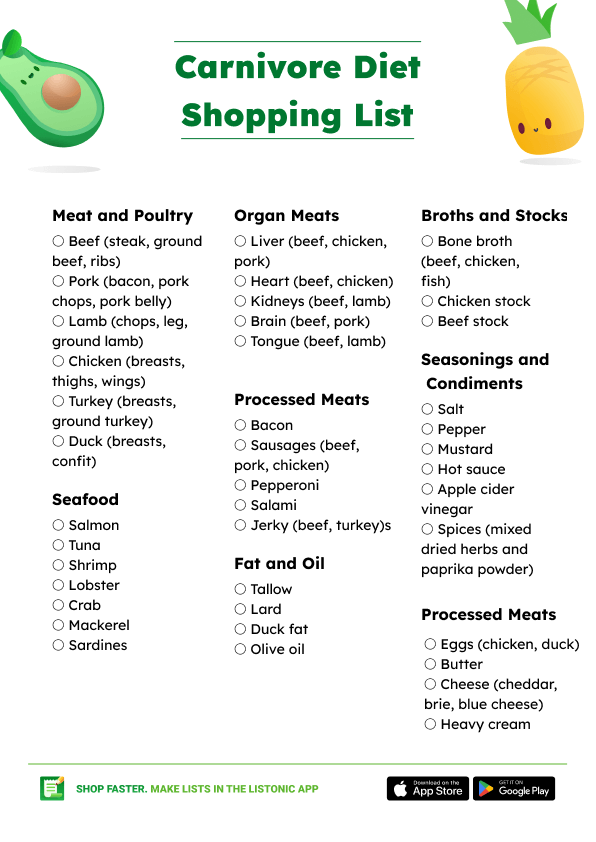
Credit: listonic.com
Compatibility Of Olive Oil With Carnivore Diet
The carnivore diet is popular among those who prefer animal-based meals. It emphasizes meats, fish, and other animal products. People often question if olive oil fits within this strict diet. Olive oil, a plant-based fat, raises concerns regarding its compatibility with carnivore guidelines. Understanding its role requires examining its benefits and limitations. Let’s explore how olive oil can fit into an animal-focused diet.
Olive Oil And Animal-based Diets
Olive oil is known for its healthy fats. These fats come from olives, a plant source. The carnivore diet typically excludes plants, focusing on animal-derived foods. Despite this, some use olive oil sparingly for cooking or flavoring. Its monounsaturated fats are considered heart-friendly. Yet, its plant origin leads to debates among strict carnivore followers. Some argue that small amounts might be acceptable. Others prefer to stick strictly to animal fats.
Potential Benefits And Drawbacks
Olive oil offers several health benefits. It contains antioxidants and can support heart health. It may aid digestion when combined with meats. Despite these benefits, olive oil’s plant origin is a drawback for purists. Some believe using animal fats aligns better with carnivore principles. Olive oil can also be more expensive than animal fats. The decision often depends on individual dietary goals. Each person must weigh the pros and cons of including olive oil.
Alternative Fat Sources
When diving into the carnivore diet, you might wonder about the role of fats. While meat is the primary focus, having alternative fat sources can enrich your dietary experience and provide variety. This section explores different fat options, including animal fats and the comparison with plant-based oils.
Animal Fat Options
Animal fats are natural companions to the carnivore diet. They include beef tallow, pork lard, and duck fat. Each offers unique flavors and can enhance your meals.
Beef tallow is a popular choice. It has a rich taste and is excellent for frying. Imagine cooking your steak in tallow; it adds depth and juiciness. Pork lard, on the other hand, is versatile and can be used in baking or for sautéing vegetables.
Duck fat is a gourmet option. It gives a luxurious texture to dishes like roasted potatoes. These animal fats not only complement your diet but also add to the overall culinary experience.
Comparison With Plant-based Oils
Some might suggest olive oil as a fat source. However, the carnivore diet typically focuses on animal-derived products. Olive oil, while healthy, is plant-based and doesn’t align with strict carnivore principles.
Why would you choose plant oils? Olive oil is praised for its health benefits, like antioxidants. But can it really fit into a diet centered around animal fats? This question often sparks debate among dieters.
Consider the purity of your dietary goal. Using animal fats stays true to the carnivore philosophy. If you’re committed to this path, exploring animal fats might be more rewarding.
What experiences have you had with alternative fats on the carnivore diet? Share your thoughts and let’s delve deeper into what works best for you.
Expert Opinions
Experts often discuss the role of olive oil in a carnivore diet. Some believe it can be a healthy fat source. Others argue it’s not strictly carnivore.
When exploring the carnivore diet, one burning question often arises: Can you use olive oil? This inquiry invites a range of expert opinions, especially when considering the diet’s strict focus on animal products. Let’s delve into the perspectives of nutritionists and carnivore diet advocates to understand the role, if any, olive oil can play in this dietary lifestyle.Nutritionists’ Views
Many nutritionists emphasize balance and variety in diets, even those as specific as the carnivore diet. They often point out that while the carnivore diet focuses on animal-based foods, incorporating small amounts of olive oil could provide beneficial monounsaturated fats. Take Sarah, a nutritionist who advises clients on personalized diet plans. She suggests that for those not strict purists, a drizzle of olive oil might enhance flavors and provide a slight boost in healthy fats. However, she also warns that deviating from the core principles of the diet could undermine its intended benefits. Is the trade-off worth it for you, considering your goals on the carnivore diet? This is where personal preference and dietary goals intersect.Carnivore Diet Advocates
Carnivore diet advocates typically adhere to a strict regimen of meat, fish, and animal products. For many, the use of plant-based oils like olive oil is seen as unnecessary or even counterproductive. John, an avid carnivore diet follower, shares his experiences on forums. He argues that the diet’s simplicity is its strength, and adding olive oil might dilute the benefits he has experienced, such as improved digestion and energy levels. However, he acknowledges that some followers might choose to add olive oil for variety or personal taste. Have you considered how olive oil might affect your experience with the carnivore diet? It’s worth weighing the pros and cons based on your personal health journey and dietary goals. By understanding both sides, you can make an informed decision that aligns with your personal health objectives. After all, the key to any diet is finding what works best for you.Personal Experiences
Exploring personal experiences with olive oil on a carnivore diet can be insightful. Many individuals on this diet often share stories about their journeys. These stories highlight the nuances and unique challenges they face. Here, we delve into testimonials and common challenges related to using olive oil.
Testimonials
Several people have shared their experiences using olive oil on the carnivore diet. Maria, a long-time follower, enjoys adding it to her meals. She finds it enhances flavor without straying from her diet principles. John, another enthusiast, uses olive oil for cooking meats. He appreciates its ability to keep dishes moist and flavorful.
Some mention olive oil as a helpful tool in maintaining their diet. Its versatility in cooking and as a dressing makes it popular. Many believe it adds a welcome change to the typical carnivore regimen.
Common Challenges
Despite its benefits, using olive oil on a carnivore diet isn’t without challenges. Some individuals worry about straying from strict carnivore guidelines. They fear the inclusion of plant-based oils may affect their results. For others, the taste of olive oil can be overpowering. This makes it difficult to incorporate regularly.
Another challenge is ensuring the olive oil is pure and unprocessed. Many seek high-quality oils to align with their dietary goals. This quest can be daunting and requires careful selection.

Credit: www.youtube.com
Making Informed Choices
Considering the carnivore diet, the use of olive oil sparks debate. Some argue it fits, while others prefer strict adherence to animal fats only. Understanding both perspectives helps in making informed dietary choices.
Making informed choices is crucial for those following the carnivore diet. Understanding what fits into this meat-centric lifestyle can be challenging. Olive oil often raises questions. Can it be part of the carnivore diet? Exploring this can help you decide whether olive oil aligns with your dietary goals.Considerations For Including Olive Oil
Olive oil is derived from a plant source, which might seem contrary to a carnivore diet. Some argue its benefits for heart health and antioxidants. Others prefer pure animal fats to stay strictly carnivorous. Knowing your health priorities is essential. Olive oil might offer nutritional benefits, yet it strays from the traditional carnivore approach. Quality matters greatly. Extra virgin olive oil is less processed. It retains more nutrients compared to refined versions. Choosing high-quality olive oil ensures you gain the most benefits. Researching and selecting wisely can make a difference.Balancing Dietary Needs
Balancing your dietary needs requires understanding your body’s responses. Some might thrive on strict carnivore principles. Others might benefit from slight flexibility. Olive oil could provide essential fatty acids missing in an all-meat diet. It might enhance flavor, making meals more enjoyable. Listening to your body is key. If olive oil supports your energy levels and wellness, it might be worth considering. Experimenting with small amounts can help gauge its impact. Always prioritize what makes you feel best and supports your health.
Credit: www.reddit.com
Frequently Asked Questions
What Oils Can You Cook With On A Carnivore Diet?
Use animal-based oils like beef tallow, pork lard, and duck fat on a carnivore diet. These oils fit the diet’s focus on animal products, providing essential fats for energy. Avoid plant-based oils like olive oil, coconut oil, and vegetable oils as they don’t align with the carnivore diet principles.
Does Olive Oil Put You In Ketosis?
Olive oil itself doesn’t induce ketosis. It supports a ketogenic diet by providing healthy fats. Consuming it with low-carb foods helps maintain ketosis.
How Do You Satisfy Sweet Teeth On A Carnivore Diet?
Satisfy sweet cravings on a carnivore diet by enjoying raw honey or sweet-tasting meats like liver. Choose high-fat dairy products like cream for a richer taste. Bone marrow can also provide a naturally sweet flavor. These options align with carnivore guidelines while pleasing your sweet tooth.
Is Olive Oil An Inflammatory Food?
Olive oil is not an inflammatory food. It contains antioxidants and healthy fats that can reduce inflammation. Including olive oil in your diet may promote overall health and well-being. Choose extra virgin olive oil for maximum health benefits.
Conclusion
Olive oil on a carnivore diet sparks debate. Some enjoy its flavor and health benefits. Others prefer strict animal-based foods. Personal preference plays a big role. Listen to your body’s signals. Try small amounts if curious. Observe any changes in energy or digestion.
Consider balancing fats with other animal sources. Consult a nutrition expert if unsure. Each diet has unique needs. Find what suits your lifestyle best. Exploring options can lead to better health choices. Remember, every body is different. Enjoy the journey to discovering what works for you.